
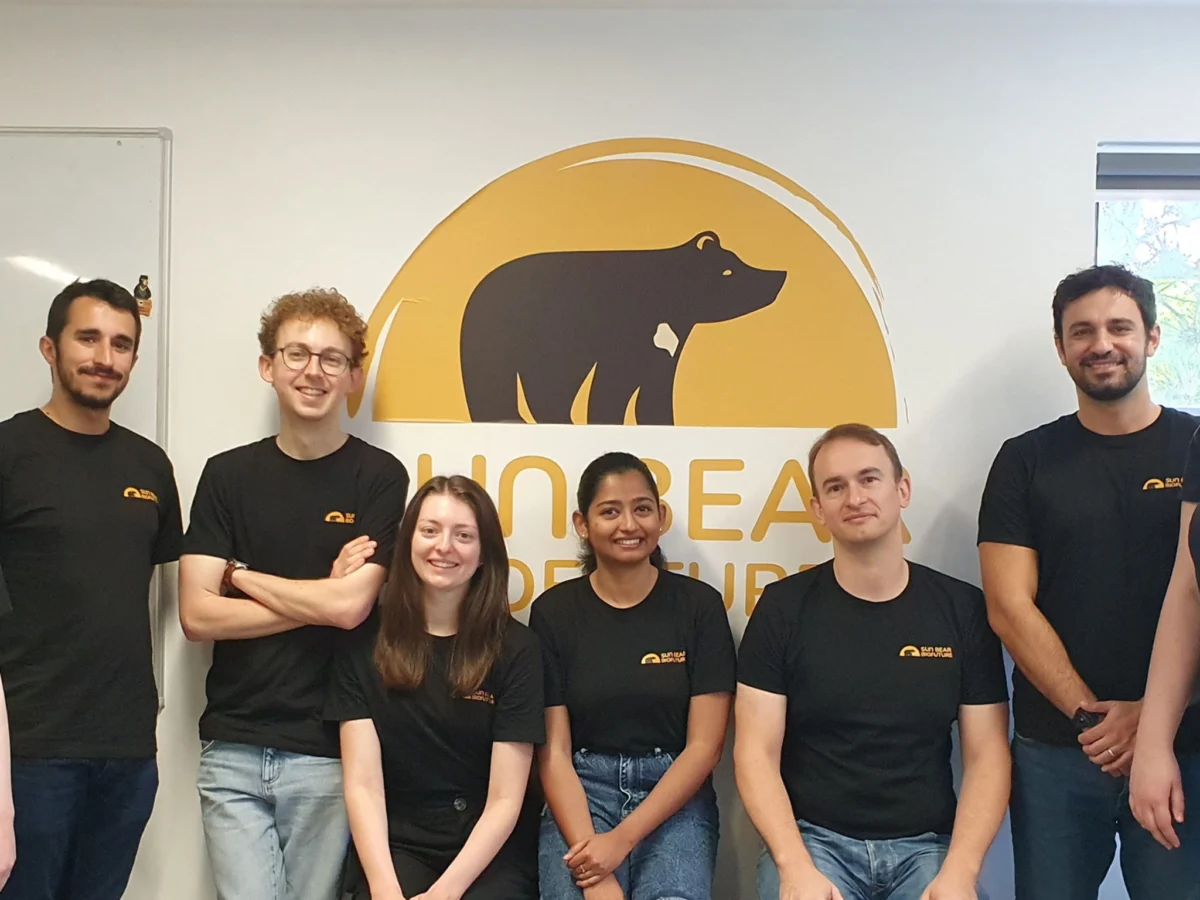
British startup Sun Bear Biofuture has announced a significant milestone in the realm of sustainable ingredient production, successfully completing the first production run of its innovative yeast-derived cocoa butter alternative. This achievement is particularly noteworthy as it was accomplished using a pilot plant setup costing less than 10% of the industry standard, signaling a potential paradigm shift in the accessibility and affordability of precision fermentation technologies. The company plans to launch its novel ingredient next year through a strategic partnership within the cosmetics sector, with broader applications in food anticipated.
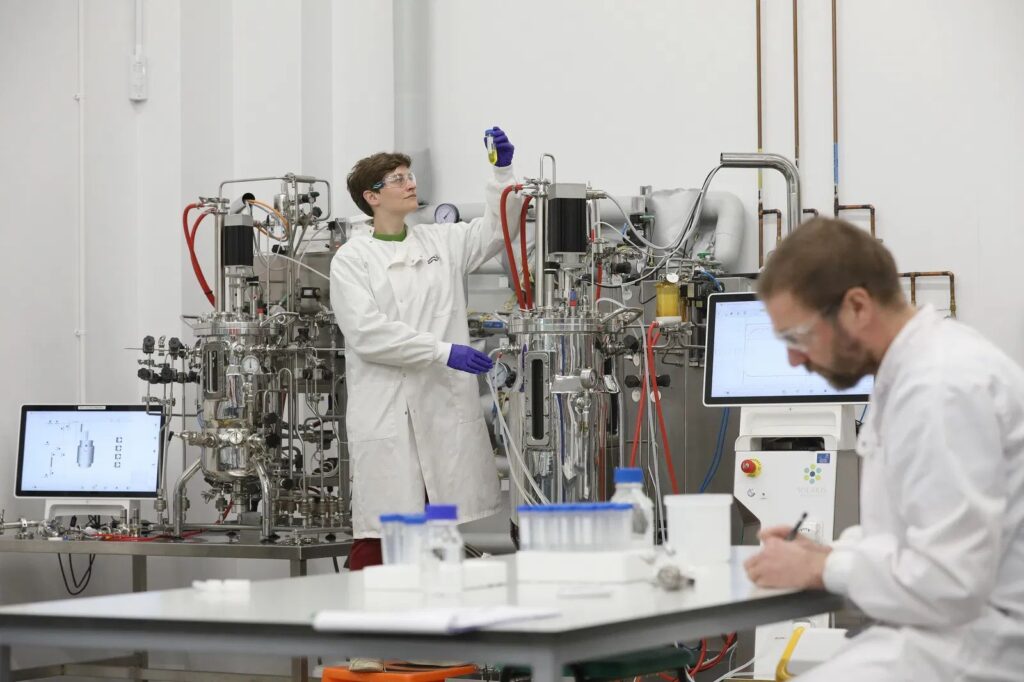
The successful fermentation process took place in a custom-built pilot facility valued at approximately £25,000. This figure stands in stark contrast to the typical setup costs for precision fermentation, which often range from £350,000 to £1 million. Sun Bear Biofuture’s approach leverages readily available, lower-cost equipment typically found in the brewery and dairy industries, a strategic decision designed to drive down capital expenditure and make its sustainable lipid solutions price-competitive with conventional commodity products like cocoa butter. The automated, end-to-end facility boasts a monthly production capacity of dozens of kilograms, sufficient to supply initial demand from food and cosmetics companies seeking more resilient and planet-friendly lipid alternatives.
Ben Wilding, co-founder and CEO of Sun Bear Biofuture, expressed his satisfaction with the accomplishment. "Proving our low-capex expansion plan was a key goal for this year, and we’ve smashed it," he stated. "The scope to meet customer demand for stable supply chains by producing our cocoa butter and oil range locally, whilst dramatically reducing the impact the industry has on the planet, is hugely exciting." This sentiment underscores the company’s dual mission: to provide a reliable and sustainable alternative to ingredients with significant environmental footprints and to democratize access to cutting-edge biotechnological solutions.
Slashing Precision Fermentation Costs: A Strategic Approach
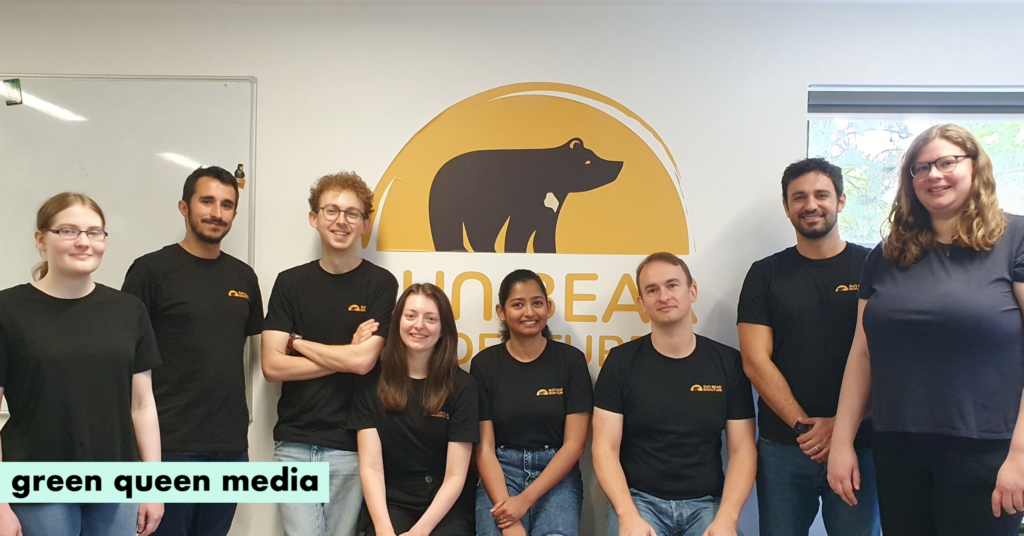
Founded in 2022, Sun Bear Biofuture’s core mission is to mitigate the environmental impact associated with the production of animal and tropical fats, including palm oil and cocoa butter. These ingredients, while ubiquitous in consumer products, are associated with substantial ecological challenges. Palm oil, for instance, is a key driver of tropical deforestation, linked to widespread wildfires and contributing significantly to global greenhouse gas emissions, with tropical deforestation alone accounting for nearly 20% of annual GHG emissions according to some estimates.
The chocolate industry, heavily reliant on cocoa butter, faces its own set of environmental and ethical concerns. The cultivation of cocoa is directly implicated in a significant portion of deforestation in major producing regions like Ghana and Ivory Coast, responsible for 94% and 80% of deforestation respectively. This environmental degradation is compounded by the escalating climate crisis, which is increasingly threatening cocoa harvests. Global cocoa prices have surged, with projections indicating continued price hikes due to extreme weather events decimating crops and pushing a substantial percentage of the world’s cocoa trees towards extinction. This precarious situation directly jeopardizes the availability and affordability of cocoa butter.
Precision fermentation offers a promising avenue for producing viable alternatives to these resource-intensive lipids. However, the technology has historically been hampered by scalability and cost issues. Traditional precision fermentation facilities, often designed for pharmaceutical applications, employ expensive bioreactors and can suffer from process inefficiencies, leading to high unit costs. Sun Bear Biofuture’s innovation lies in its ability to circumvent these conventional limitations.
The company engineers yeast strains to convert renewable sugars into a lipid-rich biomass. This process involves a series of carefully controlled steps: the yeast ferments the sugars, producing intracellular lipids. Upon harvest, the lipid-rich biomass is separated from the fermentation broth. The yeast cells are then disrupted to release these intracellular lipids, which are subsequently extracted using food-grade solvents. The extracted lipids undergo a refining and polishing process to yield the final cocoa butter alternative.
A critical breakthrough for Sun Bear Biofuture in 2024 was achieving a "record-breaking" cell lipid content of 78% – meaning 78% of the yeast cell’s dry weight was composed of fat. This high lipid yield is instrumental in driving down production costs and facilitating scalability. Over the past 18 months, the company has iteratively refined its fermentation tank design and the overall production facility. For example, the fermentation vessel itself cost less than £1,000, a fraction of the typical £250,000 expenditure for comparable equipment. Furthermore, efficiencies gained in downstream processing, such as the yeast biomass separation and oil extraction, were achieved by eliminating multiple standard industry pieces of equipment. This not only reduced scale-up expenditure but also eliminated the need for potentially harmful solvents like hexane, further enhancing the safety and sustainability profile of their process.
Cosmetics Launch on the Horizon for Cocoa Butter Alternative
The escalating challenges within the cocoa industry are undeniable. In 2024, global cocoa stocks plummeted to a decade low, driving ingredient prices to unprecedented heights. By December of that year, a tonne of cocoa was fetching a record $12,565 in the US market, a sixfold increase in the cost of cocoa butter according to Sun Bear Biofuture’s estimates for 2025. This market volatility has intensified the industry-wide search for more stable and resilient alternatives.
Sun Bear Biofuture’s yeast-derived cocoa butter alternative offers a compelling solution, capable of reducing land use by up to 95% and slashing emissions associated with tropical fat production by 90%. This significant environmental advantage, coupled with the cost-effectiveness of their production method, positions the company for substantial growth. Their low-capital expenditure (capex) model is designed to facilitate rapid expansion and the development of a diverse portfolio of sustainable lipids, including a direct substitute for palm oil.
The company has outlined an ambitious roadmap for scaling its operations. A demonstration plant is slated for completion in 2027, with an initial annual capacity of hundreds of tonnes. The long-term goal is to achieve industrial-scale production by 2029.
In preparation for market entry, Sun Bear Biofuture is actively engaging in rigorous testing and validation. This month, the company will undertake sensory testing in collaboration with the Centre for Nutrition and Health at Oxford Brookes University. This initiative aims to evaluate consumer perceptions and responses to their ingredient in both food and cosmetic applications.
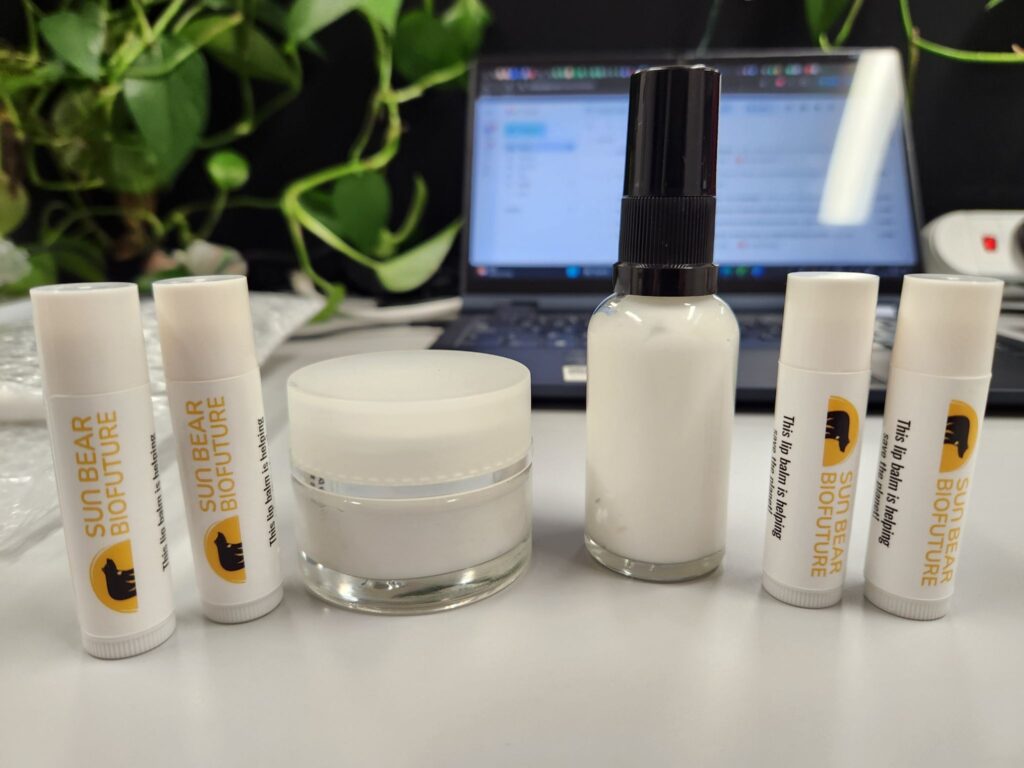
Furthermore, a partnership with the University of the Arts London, supported by funding from Innovate UK, has facilitated reformulation trials with a major high-street cosmetics brand. These trials have reportedly demonstrated no discernible performance difference between traditional cocoa butter and Sun Bear Biofuture’s yeast-fermented alternative, affirming its suitability as a direct "drop-in" replacement for existing formulations.
"We are now working with a globally renowned cosmetics company to launch our planet-friendly cocoa butter alternative in their range next year, which will be the real pinnacle of our efforts over the past four years," Wilding commented, highlighting the impending commercial launch as a significant validation of their technological advancements and strategic vision.
A Growing Ecosystem of Sustainable Lipid Innovation
Sun Bear Biofuture is not alone in its pursuit of decarbonizing the production of vital fats and oils. A growing number of companies are leveraging innovative technologies to address the environmental and supply chain challenges associated with ingredients like cocoa butter and palm oil.
In France, Smey is developing cCB (Cultivated Cocoa Butter), a direct replacement synthesized using artificial intelligence and yeast fermentation. Singapore-based Terra Oleo is focusing on waste-derived precision-fermented substitutes for both palm oil and cocoa butter. Germany’s Planet A Foods, already a recognized leader in the cocoa-free chocolate market, is also actively developing a precision-fermented alternative to cocoa butter.
Further innovation comes from Argentina, where Abydos Bioscience is utilizing oleaginous bacteria, rather than yeast or microalgae, to produce its lipid alternatives. Meanwhile, in Israel, Celleste Bio employs plant cell culture technology to produce cocoa butter. This cell-based approach has already seen its ingredient incorporated into new milk chocolate bars by global food giant Mondelēz International, signaling significant industry interest and adoption of alternative production methods. This burgeoning field of innovation underscores a collective industry effort to create more sustainable, resilient, and ethically produced ingredients for a global market increasingly conscious of its environmental footprint.
