
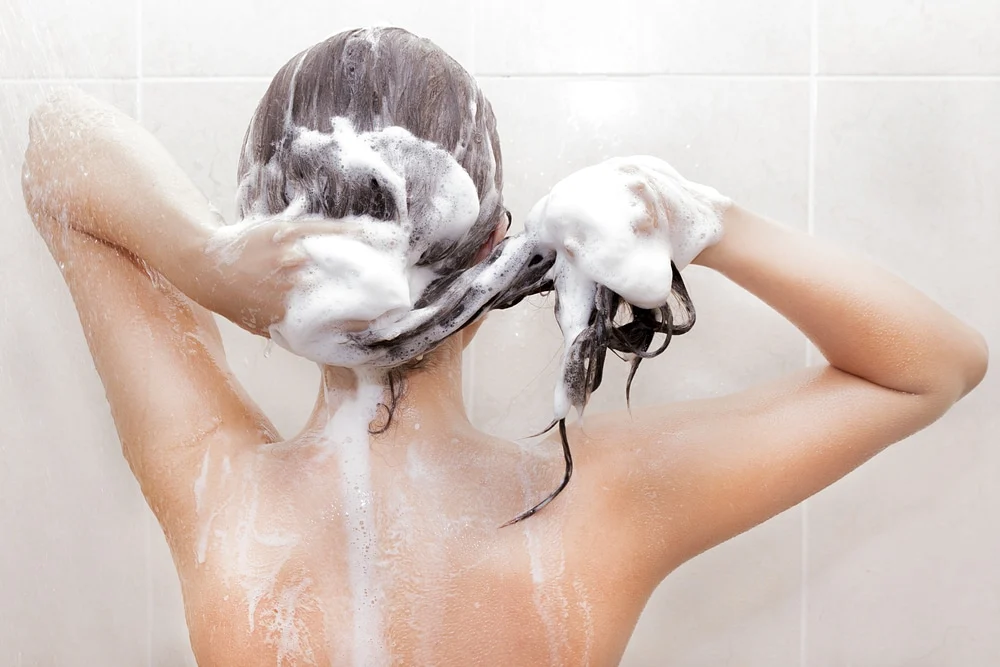
Polycystic Ovary Syndrome (PCOS) remains one of the most prevalent endocrine disorders among women of reproductive age, affecting an estimated 8% to 13% of the global female population. While the condition is frequently discussed in the context of fertility and metabolic health, its dermatological manifestations—specifically the overproduction of sebum leading to chronically greasy hair—present a significant aesthetic and psychological burden for patients. For many women, the traditional beauty standards of the past have evolved into a more inclusive appreciation of diversity; however, the desire for healthy, manageable hair remains a constant. In the context of PCOS, achieving this "fresh-washed" sensation requires more than just topical hygiene; it necessitates a deep understanding of hormonal fluctuations and systemic metabolic health.
The Pathophysiology of Sebum Overproduction in PCOS
To understand why women with PCOS experience rapid oil buildup on the scalp, one must examine the underlying hormonal landscape. The primary driver of this symptom is hyperandrogenism, a clinical hallmark of the syndrome. In a healthy endocrine system, the ovaries and adrenal glands produce small amounts of androgens, such as testosterone. However, in women with PCOS, the ovaries frequently produce excessive levels of these "male" hormones.
This hormonal surge has a direct impact on the sebaceous glands located within the hair follicles. These glands are highly sensitive to androgenic stimulation. When testosterone levels rise, the sebaceous glands increase in size and activity, secreting higher volumes of sebum—a waxy, oily substance intended to lubricate the skin and hair. When produced in excess, this sebum travels up the hair shaft, resulting in a greasy appearance often only hours after washing. This condition is not merely a matter of poor hygiene; it is a physiological response to an internal chemical imbalance.
The Role of Insulin Resistance as a Secondary Driver
Clinical data increasingly points to insulin resistance as a fundamental component of PCOS-related symptoms. Research indicates that approximately 70% of women with PCOS exhibit some degree of insulin resistance, regardless of their Body Mass Index (BMI). Insulin is a hormone produced by the pancreas to regulate blood glucose levels. When the body becomes resistant to insulin, the pancreas compensates by producing even higher levels of the hormone (hyperinsulinemia).

Elevated insulin levels act as a co-gonadotropin, stimulating the ovaries to produce even more androgens. Furthermore, high insulin levels decrease the production of Sex Hormone-Binding Globulin (SHBG) in the liver. SHBG is responsible for binding to testosterone in the blood, rendering it inactive. When SHBG levels are low, more "free" testosterone is available to stimulate the sebaceous glands, further exacerbating the problem of greasy hair and skin. This biochemical feedback loop underscores why topical treatments alone are often insufficient for managing PCOS symptoms.
Chronology of Management: From Immediate Relief to Long-Term Balance
Managing the dermatological symptoms of PCOS requires a tiered approach, moving from immediate topical interventions to long-term systemic changes.
Phase 1: Immediate Topical Adjustments
The first step in addressing greasy hair involves re-evaluating hair care products. Many commercial shampoos contain harsh surfactants like Sodium Lauryl Sulphate (SLS). While these chemicals are effective at stripping oil, they often over-dry the scalp, triggering a "rebound effect" where the sebaceous glands produce even more oil to compensate for the perceived dryness. Switching to sulphate-free, paraben-free, and silicone-free formulas is a critical first step. Silicones, in particular, can create a film on the hair shaft that traps oil and environmental pollutants, making the hair appear lank and dirty more quickly.
Phase 2: Scalp Clarification and Training
Dermatologists often recommend "clarifying" the hair once every one to two weeks. Clarifying shampoos are formulated with higher detergent content to remove product buildup and excess sebum that regular shampoos might miss. However, over-use can lead to hair shaft damage. Simultaneously, patients are encouraged to "train" their hair by gradually increasing the time between washes. Although the initial transition period can be uncomfortable, reducing wash frequency helps stabilize the scalp’s natural oil production over time.
Phase 3: Systemic Hormonal Regulation
For long-term results, patients must address the androgenic excess at its source. This typically involves a combination of medical consultation and lifestyle modification. Physicians may prescribe anti-androgenic medications or specific oral contraceptives to regulate the menstrual cycle and lower testosterone levels. Concurrently, lifestyle interventions focused on insulin sensitisation are paramount.

Nutritional Strategies and the Three Pillars of the PCOS Diet
Dietary intervention is widely regarded by endocrinologists as a primary line of defense against PCOS symptoms. By managing blood glucose levels, women can effectively lower their insulin production, thereby reducing androgen levels. The "PCOS Diet" is generally built upon three scientific pillars:
- Low Glycemic Index (GI) Nutrition: Consuming carbohydrates that break down slowly prevents sharp spikes in blood sugar and insulin. This includes whole grains, legumes, and non-starchy vegetables.
- Reduction of Inflammatory Triggers: Many practitioners recommend a trial period of dairy-free or gluten-free eating. While not necessary for all, some women with PCOS find that these food groups exacerbate systemic inflammation, which can further disrupt hormonal signaling.
- High-Fiber Intake: Fiber aids in the excretion of excess hormones and slows the absorption of sugar, providing a stabilizing effect on the entire endocrine system.
The Impact of Physical Activity on Hormonal Equilibrium
Exercise is not merely a tool for weight management; it is a potent medical intervention for hormonal health. Physical activity increases the expression of glucose transporter type 4 (GLUT4) in muscle cells, which allows the body to utilize glucose more efficiently without requiring as much insulin.
For women with PCOS, a combination of resistance training and moderate aerobic exercise has been shown to improve insulin sensitivity and reduce circulating androgens. As insulin levels stabilize, the "oil-slick" effect on the scalp often diminishes. Experts suggest at least 150 minutes of moderate-intensity exercise per week to see measurable changes in hormonal markers.
Supplementation: The Role of Omega-3 Fatty Acids
Supporting data suggests that Omega-3 fatty acids, typically found in fish oil or flaxseed, play a vital role in managing PCOS. A study published in the Journal of Molecular Medicine highlighted that Omega-3 supplementation can significantly reduce testosterone levels and regulate the menstrual cycle in women with PCOS.
Beyond their hormonal benefits, Omega-3s possess potent anti-inflammatory properties. Since the scalp can become inflamed due to excess sebum and the presence of Malassezia (a yeast-like fungus that thrives on oil), Omega-3s help soothe the scalp environment. By nourishing the hair follicle from within, these essential fats contribute to a healthier hair shaft that is less prone to the "greasy-yet-brittle" paradox often seen in hormonal disorders.

Broader Implications: Confidence and Mental Health
The impact of PCOS-related hair issues extends far beyond vanity. Hair is often tied to feminine identity and self-esteem. The frustration of washing one’s hair in the morning only to have it appear unwashed by the afternoon can lead to social anxiety and a diminished sense of self-worth.
The shift in modern beauty standards toward "skin neutrality" and "body positivity" has provided some relief, yet the clinical reality of PCOS remains a daily struggle for millions. By framing greasy hair as a medical symptom rather than a hygiene failure, the medical community can better support women in seeking holistic treatments.
Analysis of Long-Term Outcomes
The management of PCOS is a marathon, not a sprint. While dry shampoo and clarifying treatments provide temporary relief, the true resolution of greasy hair lies in metabolic repair. Data suggests that women who adhere to a combined protocol of low-GI nutrition, regular exercise, and targeted supplementation see a noticeable improvement in skin and hair quality within three to six months.
The implications of successful management are profound. Beyond the aesthetic benefits, the same interventions that reduce scalp oil also lower the risk of long-term complications associated with PCOS, such as Type 2 diabetes, cardiovascular disease, and endometrial hyperplasia. Therefore, the journey to "fresher locks" is, in reality, a journey toward comprehensive systemic health.
Conclusion and Official Responses
Health organizations like the NHS and the Royal College of Obstetricians and Gynaecologists (RCOG) emphasize that PCOS is a manageable condition, provided that patients have access to multidisciplinary care. While there is currently no "cure" for PCOS, the symptoms—including the distressing overproduction of hair oil—can be successfully mitigated.

Patients are encouraged to maintain a "symptom diary" to track the efficacy of dietary changes and new hair care routines. As research into the gut-hormone-skin axis continues to evolve, it is likely that even more targeted nutritional and topical therapies will become available. For now, the consensus remains clear: a healthy scalp is a reflection of a balanced internal environment. By addressing the androgenic and insulin-driven roots of the problem, women with PCOS can reclaim their confidence and their "crowning glory."
