
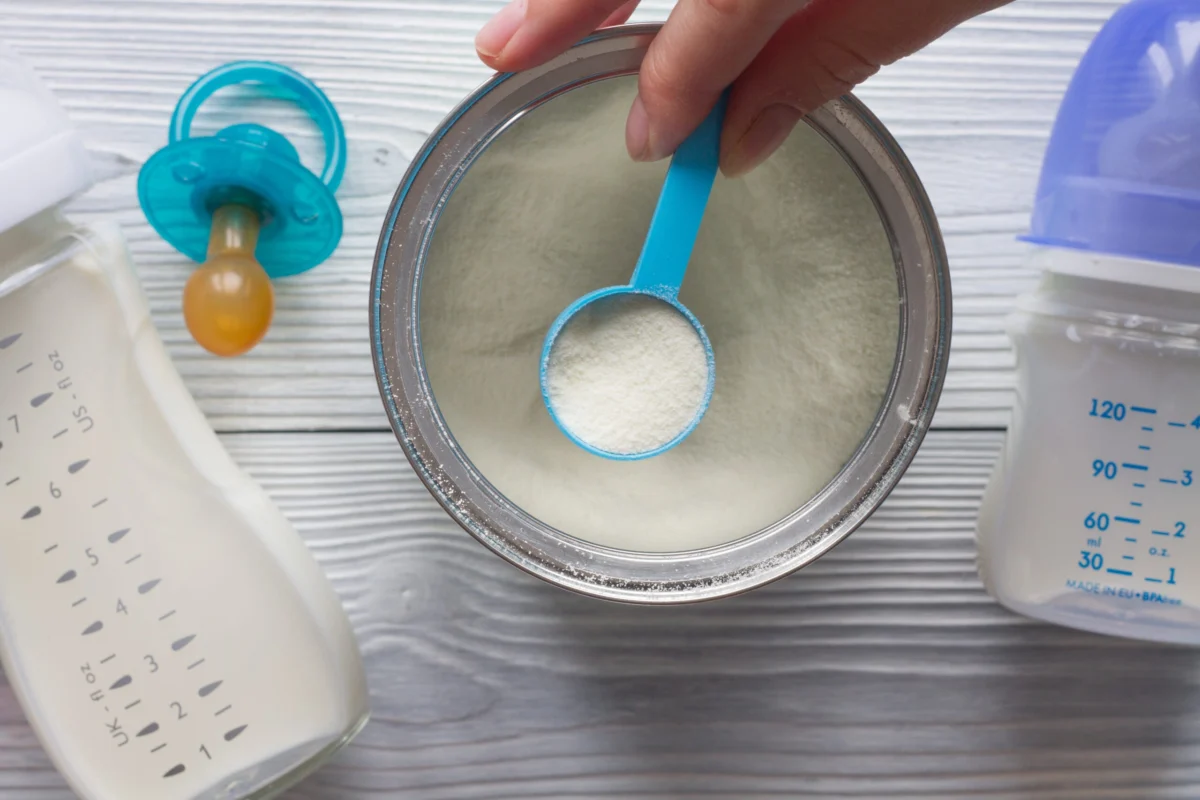
The United States has grappled with significant infant formula shortages in recent years, a crisis primarily fueled by unprecedented pandemic-related disruptions to global supply chains. This alarming situation underscores the critical reliance of many families on commercially produced infant formula when human milk is not accessible or insufficient in quantity. While breastfeeding is widely encouraged as the optimal source of nutrition for infants, it is not universally feasible for all mothers. Factors such as early return to work, limited access to lactation support systems, or specific infant health conditions can necessitate the use of formula. For infants with allergies, metabolic or gastrointestinal disorders, or disabilities that impede breastfeeding, specialized formulas are not merely an alternative but a medical necessity. The recurring nature of these shortages highlights systemic vulnerabilities within the infant formula manufacturing and distribution network, prompting a crucial re-evaluation of national preparedness and policy.
The Genesis of the Shortage: A Perfect Storm of Disruptions
The roots of the recent infant formula shortages can be traced back to a confluence of events that began to escalate in early 2020. The COVID-19 pandemic triggered a cascade of supply chain disruptions worldwide. Factories experienced labor shortages due to illness and quarantine protocols, while transportation networks faced unprecedented strain. The infant formula industry, characterized by its highly concentrated market and stringent regulatory oversight, proved particularly susceptible to these global shocks.
By late 2021 and early 2022, these simmering issues began to boil over. Reports of localized shortages started to emerge, but it was the widespread recall and subsequent shutdown of a major Abbott Nutrition manufacturing facility in Sturgis, Michigan, in February 2022, that plunged the nation into a full-blown crisis. The Food and Drug Administration (FDA) initiated an investigation into the Sturgis plant following reports of infant illnesses and deaths linked to cronobacter sakazakii contamination in some of its powdered formulas. This recall, which affected some of the most commonly used formulas in the U.S., including Similac, Alimentum, and EleCare, removed a significant portion of the national supply from shelves overnight.
Chronology of a Crisis: From Localized Concerns to National Emergency
The timeline of the infant formula crisis reveals a gradual escalation of problems, culminating in a national emergency:
- Early 2020 – Late 2021: The COVID-19 pandemic begins to exert pressure on global supply chains. This includes disruptions in the availability of raw materials, increased shipping costs, and labor shortages affecting manufacturing and logistics. While not immediately apparent to consumers, these underlying issues begin to strain the infant formula supply.
- Late 2021: Anecdotal reports of localized infant formula shortages start to appear in various regions across the United States. These are often attributed to increased demand and ongoing supply chain inefficiencies.
- February 17, 2022: Abbott Nutrition announces a voluntary recall of certain powdered infant formulas manufactured at its Sturgis, Michigan facility. The recall is initiated after the FDA investigates reports of four infants becoming ill with cronobacter sakazakii and vibrio parahaemolyticus, with two deaths potentially linked to the products. The facility is subsequently shut down for FDA inspection and remediation.
- March 2022: The impact of the recall and facility shutdown becomes acutely felt. Shelves in many stores across the country begin to empty, and parents report widespread difficulty in finding essential formulas, particularly specialized ones for infants with medical needs. The national out-of-stock rate for infant formula begins to climb dramatically.
- May 2022: The U.S. faces a critical shortage, with national out-of-stock rates exceeding 40% and reaching as high as 50% in some states. The Biden administration launches "Operation Fly Formula," a federal initiative to expedite the importation of infant formula from other countries and to ramp up domestic production.
- May 2022: The FDA announces enforcement discretion measures to allow foreign manufacturers to import formulas that may not meet all U.S. labeling requirements, provided they are safe. Several international shipments begin to arrive.
- June 2022: The Sturgis facility begins a phased reopening under strict FDA oversight, with production gradually resuming. More international shipments arrive, and domestic manufacturers increase output, leading to a slow but steady improvement in supply.
- Late 2022 – Early 2023: The national out-of-stock rates gradually decrease, though localized shortages may persist. The crisis highlights the fragility of the infant formula supply chain and spurs discussions about long-term policy solutions.
The U.S. Infant Formula Market: A Landscape of Concentration
Understanding the U.S. infant formula market is crucial to grasping the severity of the shortage. The industry is highly concentrated, with a few major manufacturers dominating the market. Prior to the crisis, Abbott Nutrition, Mead Johnson Nutrition (a subsidiary of Reckitt Benckiser), and Nestle (which includes Gerber) accounted for approximately 90% of the U.S. infant formula market share. This limited number of players means that a disruption at any single facility can have a disproportionately large impact on national availability.
The market’s reliance on a few key production sites also means that the regulatory approval process for new facilities or new product lines can be lengthy. The stringent safety and quality standards enforced by the FDA, while essential for protecting infant health, also contribute to the barriers to entry for new manufacturers and can slow down the process of expanding capacity in times of crisis.
Supporting Data: Quantifying the Crisis
The scale of the infant formula shortage can be illustrated with available data:
- Out-of-Stock Rates: During the peak of the crisis in May 2022, national infant formula out-of-stock rates, as measured by market research firms like Datasembly, soared. At one point, over 40% of infant formula stock was unavailable across U.S. retailers, with some states experiencing rates as high as 50%. This meant that for every two cans of formula a parent might typically find, one was absent.
- Market Share Impact: The Abbott Nutrition recall alone removed a significant portion of the market supply. Abbott was a major producer of both general and specialized formulas. For example, its EleCare formula is a vital source of nutrition for many infants with severe food allergies and digestive issues, and its unavailability created acute medical emergencies for these families.
- Importation Efforts: "Operation Fly Formula" facilitated the importation of millions of pounds of formula from various countries, including Australia, the United Kingdom, and the Netherlands. For instance, by mid-July 2022, the operation had facilitated the delivery of over 70 million infant-sized bottle equivalents.
- Demand vs. Supply: While precise figures are difficult to ascertain due to the dynamic nature of the crisis, the surge in demand, coupled with the drastic reduction in supply from the Sturgis recall, created an immediate and severe deficit. This imbalance was exacerbated by panic buying and hoarding by some consumers.
Official Responses: Government Interventions and Regulatory Adjustments
The federal government’s response to the crisis was multi-faceted, aiming to both alleviate immediate shortages and address systemic vulnerabilities:
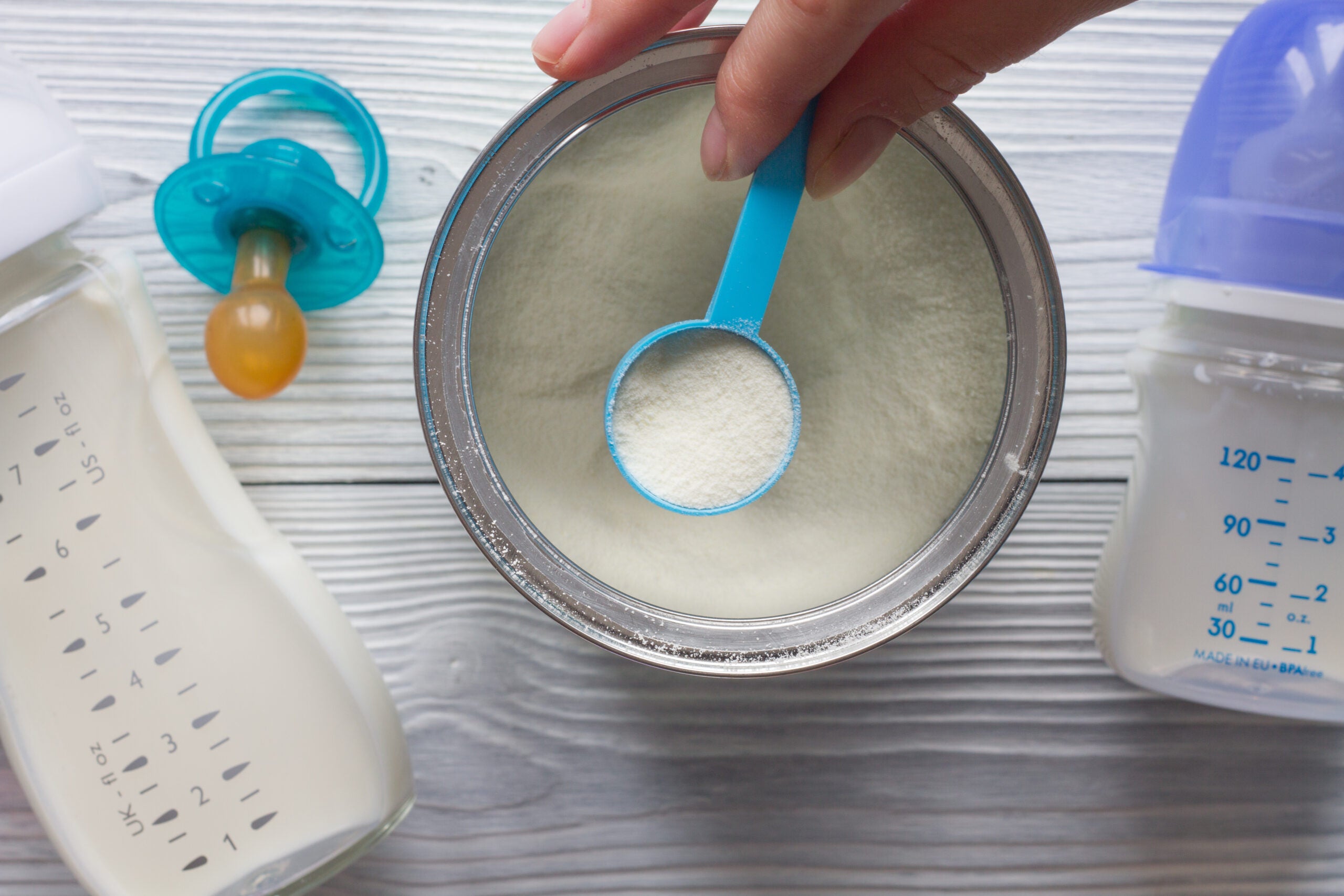
Operation Fly Formula
Launched in May 2022, "Operation Fly Formula" was a significant initiative by the Biden administration. Its primary objectives were to:
- Expedite Imports: Use government resources to identify and import safe infant formula from foreign manufacturers that might not meet all U.S. regulatory requirements, but were deemed safe by the FDA. This involved leveraging existing trade agreements and establishing new pathways.
- Increase Domestic Production: Encourage and support domestic manufacturers to ramp up production, including providing assistance with securing raw materials and addressing labor constraints.
- Facilitate Distribution: Work with manufacturers and retailers to ensure that imported and domestically produced formula reached families as quickly as possible, prioritizing areas with the most severe shortages.
FDA Enforcement Discretion
The FDA played a crucial role by exercising "enforcement discretion" regarding certain regulations. This meant that for a limited time, the agency allowed the importation and sale of infant formulas that did not fully comply with all U.S. labeling and ingredient standards, provided they met safety criteria. This measure was controversial but deemed necessary to address the urgent public health crisis. The FDA also worked to expedite the review and approval process for domestic facilities seeking to expand production or for foreign facilities seeking to enter the U.S. market.
Congressional Action
Lawmakers on Capitol Hill also responded to the crisis. Congress passed bipartisan legislation to:
- Provide Funding: Allocate additional funding to the FDA to enhance its oversight of infant formula manufacturing facilities and to support efforts to import formula.
- Increase Transparency: Mandate greater transparency from infant formula manufacturers regarding production capabilities and supply chain vulnerabilities.
- Address SNAP Benefits: Temporarily allow recipients of the Supplemental Nutrition Assistance Program (SNAP) to use their benefits to purchase a wider range of infant formulas, including imported options, to ease purchasing difficulties.
Reactions from Stakeholders: A Unified Call for Action
The infant formula crisis elicited strong reactions from various stakeholders, all expressing deep concern and demanding swift action:
- Parents and Caregivers: The most direct impact was felt by parents and caregivers, who described immense stress, anxiety, and desperation. Stories emerged of parents driving hours to find formula, rationing supplies, and facing difficult choices about their infant’s nutrition. Advocacy groups representing parents called for immediate government intervention and long-term solutions to prevent future shortages.
- Pediatricians and Healthcare Professionals: The medical community voiced alarm over the health implications of formula shortages. Pediatricians reported an increase in calls from worried parents and noted concerns about infants being switched to inappropriate formulas or experiencing nutritional deficiencies. Professional organizations like the American Academy of Pediatrics urged policymakers to prioritize infant nutrition and supply chain resilience.
- Infant Formula Manufacturers: While facing scrutiny, manufacturers also highlighted the challenges they encountered. They pointed to the complexities of the regulatory environment, the specialized nature of infant formula production, and the global nature of their supply chains. Industry leaders called for streamlined regulatory processes and investments in domestic production capacity.
- Regulatory Bodies (FDA): The FDA faced criticism for its oversight of the Sturgis facility prior to the recall. In response, the agency acknowledged the need for improvement, pledging to enhance its inspection protocols and to be more proactive in addressing potential risks within the infant formula supply chain. They emphasized the delicate balance between stringent safety standards and ensuring product availability.
Future Directions: Building Resilience and Preventing Recurrence
The infant formula crisis has served as a stark wake-up call, underscoring the urgent need for systemic reforms to prevent future shortages. As outlined in an article from the American Journal of Clinical Nutrition, several action steps are critical:
Policy Changes Needed
The article from the American Journal of Clinical Nutrition [3] highlights the following essential policy changes:
- Diversifying the Supply Chain: Reducing reliance on a few domestic manufacturing facilities is paramount. This involves encouraging new market entrants, supporting the development of smaller-scale domestic production facilities, and diversifying the sources of raw materials.
- Strengthening FDA Oversight: Enhancing the FDA’s capacity for routine inspections, risk assessment, and rapid response to emerging threats is crucial. This includes investing in personnel, technology, and data analytics to better monitor the safety and supply of infant formula.
- Streamlining Regulatory Pathways for Imports and New Products: While maintaining rigorous safety standards, the FDA should explore ways to expedite the approval process for safe foreign-made formulas during emergencies and for new domestic manufacturers seeking to enter the market. This could involve pre-approved lists of international suppliers or faster review timelines for facilities meeting stringent criteria.
- Investing in Domestic Manufacturing Capacity: Government incentives, grants, and partnerships can encourage manufacturers to invest in expanding existing facilities and building new ones within the United States. This would create a more robust and responsive domestic supply chain.
- Improving Data Collection and Sharing: Establishing a comprehensive system for collecting and sharing real-time data on infant formula production, inventory levels, and demand across the supply chain would allow for earlier detection of potential shortages and more effective intervention.
- Enhancing Interagency Coordination: Strengthening collaboration between the FDA, the Department of Health and Human Services (HHS), the Department of Agriculture (USDA), and other relevant agencies is vital for coordinated responses during public health emergencies.
- Reviewing WIC Program Policies: The Special Supplemental Nutrition Program for Women, Infants, and Children (WIC) is a significant purchaser of infant formula. Reviewing WIC’s contract procurement policies to ensure they do not inadvertently create monopolies or limit the availability of diverse formula options during supply disruptions is necessary.
Broader Impact and Implications
The infant formula crisis has had profound and lasting implications:
- Public Health and Infant Well-being: The immediate concern was the nutritional status of infants. Inadequate access to formula could lead to growth faltering, developmental delays, and increased risk of illness. For infants with special dietary needs, the consequences could be life-threatening.
- Economic Strain on Families: The shortage forced many families to spend more time and money searching for formula, often traveling long distances or paying inflated prices on secondary markets. This added financial burden exacerbated existing economic pressures.
- Erosion of Trust: The crisis led to a decline in public trust in the reliability of the food supply and the government’s ability to ensure access to essential goods. This underscores the importance of transparent communication and decisive action during emergencies.
- Global Supply Chain Vulnerabilities: The U.S. experience highlighted the interconnectedness of global supply chains and the potential for disruptions in one sector or region to have far-reaching consequences. It served as a cautionary tale for other industries reliant on complex international networks.
- Focus on Breastfeeding Support: While not a universal solution, the crisis did reignite conversations about the importance of robust breastfeeding support systems, including paid parental leave, access to lactation consultants, and supportive workplace policies, to enable more mothers to breastfeed if they choose.
In conclusion, the infant formula shortages of recent years were not an isolated incident but a symptom of deeper systemic issues within the U.S. food production and distribution landscape. Addressing these vulnerabilities requires a sustained commitment to policy reform, increased investment in domestic manufacturing, and a proactive approach to regulatory oversight. By learning from this crisis, policymakers and industry leaders can work towards building a more resilient and dependable infant formula supply chain, ensuring that no family is left struggling to nourish their child.
