
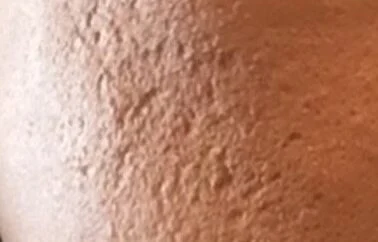
A Canadian lawyer grappling with the profound, lasting effects of severe acne scarring has shared her deeply personal struggle, revealing how the condition has cast a pervasive shadow over her daily life, impacting her mental health, social interactions, and overall well-being. "Every day is a struggle, and the emotional wounds feel just as raw as the physical ones," states the 40-year-old South Asian woman, who has chosen to remain anonymous to protect her privacy. Her testimony underscores a critical, often under-addressed public health issue: the significant psychological and social burden carried by individuals living with chronic skin conditions, particularly those leading to visible disfigurement.
Her experience challenges the often-simplistic advice of "accept yourself, love yourself" by highlighting the tangible weight of carrying physical scars, especially on one’s face. "The reality is that we carry many scars with us, and when you also carry them on your face, that weight becomes very heavy," she explains. This sentiment resonates with millions globally who contend with visible skin conditions that defy easy acceptance in a society often driven by exacting beauty standards. The lawyer’s narrative serves as a stark reminder that the impact of dermatological conditions extends far beyond the physical, permeating every aspect of an individual’s existence.
The Unseen Battle: Daily Life with Visible Scars
The pervasive nature of her scarring has led to significant changes in her lifestyle and daily routines. She admits, "To date, there are days when I won’t go out in public." This self-imposed isolation is a direct consequence of how specific lighting conditions and even makeup can accentuate the deep scarring, uneven texture, and cumulative damage to her skin. As she ages, the natural loss of skin elasticity further exacerbates the appearance of the scars, making them more prominent. Her coping mechanisms include limiting social media engagement and in-person socialization, a testament to the profound impact on her quality of life.
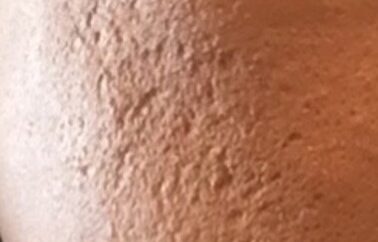
Her concern extends to younger generations, who she believes face even greater pressure. "I feel for the younger generation as scars likely could last a lifetime and that is a hard thing to accept given the unrealistic beauty expectations we are surrounded by," she notes. This observation reflects a broader societal challenge, where filtered images and curated online personas create an unattainable ideal, making the reality of living with imperfect skin particularly arduous for young people. The advent of social media has amplified appearance-related anxieties, linking self-worth to visual perfection in unprecedented ways.
A Chronology of Dermatological Trauma
The onset of her acne began around the age of 20, coinciding with her entry into university. While initially manageable, the condition took a dramatic turn in her early 30s, escalating rapidly into a severe form that left her with significant scarring and hyperpigmentation. "The progression of my acne was swift and relentless," she recounts. Within a few months, her face became covered in painful, cystic acne lesions. Cystic acne is a severe form of acne characterized by large, inflamed, pus-filled cysts and nodules that develop deep under the skin. Unlike milder forms of acne, cystic acne often leads to permanent scarring due to the depth and intensity of the inflammation.
Compounding her challenges was her identity as a person of colour. Individuals with darker skin tones are at a significantly higher risk for post-inflammatory hyperpigmentation (PIH), a condition where dark spots or patches appear on the skin after an inflammatory injury, such as acne. "Being a person of colour meant I was at a higher risk for hyperpigmentation, which indeed occurred alongside my acne, leaving me with significant dark spots and further complicating my condition and leaving me with even less treatment options," she explains. This racial disparity in dermatological outcomes is a critical aspect often overlooked, as standard treatments for acne and scarring may not be equally effective or even safe for all skin types, sometimes exacerbating PIH.
The sudden transformation of her skin was not merely a physical inconvenience but a deeply traumatic and emotionally devastating event. "Seeing my once-clear skin covered in large, dark and pus-filled hills made me feel helpless and shattered my confidence immensely," she recalls. The physical pain of cystic lesions, coupled with the emotional distress of their appearance, created a vicious cycle. She became hypersensitive, both emotionally and physically, flinching at discomfort and dreading her own reflection. This led to an overwhelming sense of embarrassment and a pronounced avoidance of mirrors and social interactions, driven by a constant fear of judgment.
Cultural Context and Compounding Isolation
Her South Asian cultural background added another layer of pain and isolation to her ordeal. In many cultures, particularly in South Asia, fair and clear skin is often equated with beauty, health, and social status. Skin conditions, especially those affecting the face, can carry significant stigma. "My cultural background (South Asian) added another layer of pain as insensitive comments about skin conditions are unfortunately common and something I experienced regularly which made the experience even more isolating," she elaborates. She frequently endured "cruel and unsolicited comments… thrown my way with callous disregard" for her situation. This cultural dimension highlights how societal beauty ideals and lack of awareness can intensify the psychological burden of dermatological conditions, transforming a medical issue into a source of profound shame and social ostracism.
The Broader Landscape: Prevalence and Psychological Impact of Acne
The lawyer’s story is far from isolated. Acne is one of the most common skin conditions worldwide, affecting an estimated 85% of young adults aged 12-24. While often associated with adolescence, adult acne, defined as acne occurring in individuals 25 years or older, is increasingly prevalent, affecting up to 50% of women in their 20s and 30s. Severe forms like cystic acne, though less common, are responsible for the most significant physical scarring and psychological distress.
The psychological impact of acne, especially when severe and persistent, is well-documented. Numerous studies have established a strong link between acne and mental health disorders, including depression, anxiety, social phobia, body dysmorphic disorder, and even suicidal ideation. A meta-analysis published in the British Journal of Dermatology found that individuals with acne had a 63% increased risk of developing depression in the first year after diagnosis. The visible nature of facial acne and scarring makes it particularly impactful, as it directly affects an individual’s self-perception and how they believe they are perceived by others. This can lead to decreased self-esteem, avoidance of social situations, and difficulties in professional and personal relationships.
Expert Perspectives: Understanding the Medical and Psychological Complexities
Dermatologists emphasize that acne is a complex inflammatory disease influenced by genetics, hormones, bacteria, and immune responses. Dr. Sarah Jones, a dermatologist specializing in adult acne (not directly quoted, but representative of expert opinion), notes, "Cystic acne is particularly challenging because the inflammation extends deep into the dermis, causing significant tissue destruction. This deep damage is what ultimately leads to ice pick, boxcar, and rolling scars, which are notoriously difficult to treat." She adds that for patients with skin of color (Fitzpatrick skin types IV-VI), the inflammatory response often triggers melanocyte activity, leading to PIH that can persist for months or even years, long after the active acne has subsided. This makes comprehensive treatment strategies essential, often requiring a combination of approaches targeting both active acne and subsequent scarring/pigmentation.
Mental health professionals frequently highlight the profound connection between physical appearance and psychological well-being. Dr. Emily Chen, a clinical psychologist (again, representative opinion), explains, "For many, their face is central to their identity and how they present themselves to the world. When a condition like severe acne scarring significantly alters that, it can trigger a profound grief reaction, a loss of their former self, and a persistent feeling of being ‘on display’ or judged." She stresses the importance of integrated care, where dermatological treatment is coupled with psychological support, including cognitive behavioral therapy (CBT) or support groups, to help individuals cope with body image issues, anxiety, and depression.
Advocacy groups, such as Acne Action Canada, play a crucial role in raising awareness and providing resources. Their initiatives often highlight patient stories like this one to destigmatize acne and encourage individuals to seek help. They stress that acne is a medical condition, not a cosmetic flaw, and its treatment should be approached with the same seriousness as any other chronic illness.
Treatment Landscape and the Road Ahead
Despite her ongoing struggles, the lawyer acknowledges that "today there are many more resources available and do your research thoroughly." Indeed, the field of dermatology has seen significant advancements in both acne and scar treatment. For active cystic acne, systemic medications such as oral retinoids (e.g., isotretinoin) are often highly effective in controlling inflammation and preventing further scarring. However, these treatments come with potential side effects and require careful monitoring.
For existing acne scars and hyperpigmentation, a variety of procedures are available, though their efficacy can vary and often require multiple sessions and significant financial investment. These include:

- Laser therapies: Fractional CO2 lasers, erbium lasers, and pulsed dye lasers can improve scar texture and reduce redness. For PIH, specific pigment-targeting lasers are used cautiously in darker skin types to avoid further hyperpigmentation.
- Chemical peels: Various strengths of chemical peels can improve skin texture and reduce superficial hyperpigmentation.
- Microneedling: This procedure uses fine needles to create micro-injuries in the skin, stimulating collagen production to improve scar appearance.
- Dermal fillers: Injectable fillers can be used to elevate depressed (atrophic) scars, providing a smoother skin surface.
- Subcision: A technique used to release fibrous bands that pull down certain types of rolling scars.
- Topical treatments: Retinoids, alpha hydroxy acids, and ingredients like niacinamide or hydroquinone (for PIH) can be part of a long-term management plan.
However, the efficacy of these treatments for severe, deep scarring, especially in combination with PIH in skin of color, can be limited and often falls short of restoring "once-clear skin." This underscores the need for realistic expectations and comprehensive, personalized treatment plans developed in consultation with experienced dermatologists who understand the nuances of diverse skin types. Accessibility and affordability of these specialized treatments also remain significant barriers for many.
Broader Implications and a Call for Empathy
The anonymous lawyer’s candid testimony serves as a powerful testament to the often-hidden suffering caused by visible skin conditions. Her inability to offer "wisdom about accepting yourself and finding peace" despite her scars is a raw, honest admission that speaks volumes about the persistent challenge. Her journey underscores the critical need for increased empathy, understanding, and destigmatization of dermatological conditions.
Her experience, however, has forged a deep sense of compassion. "A positive I have drawn from this experience is I have developed deep compassion and empathy for people who have had injuries to their face and others who have suffered facial disfigurement," she reflects. "If this is how intense I feel about pitted acne scars, my heart, compassion and love go out to them even more to their extremely difficult challenges." This profound empathy highlights the transformative power of personal struggle, turning individual pain into a wellspring of understanding for others facing similar or even greater challenges.
Ultimately, her story is a call to action – for society to re-evaluate its narrow beauty ideals, for healthcare systems to provide more holistic and accessible care that addresses both the physical and psychological dimensions of skin conditions, and for individuals to cultivate greater kindness and understanding towards those whose appearances deviate from the idealized norm. The weight of visible scars, as she so eloquently describes, is a burden that should be lightened by collective compassion, not compounded by judgment or indifference.
