
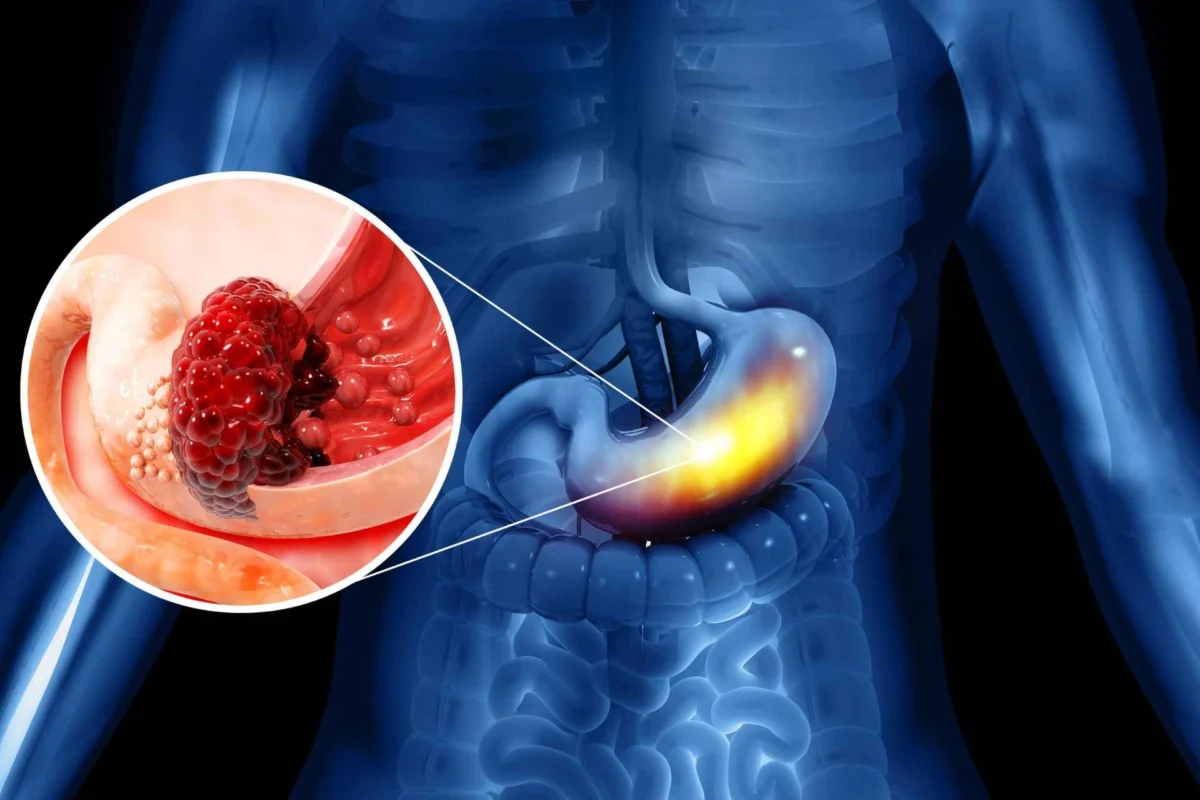
The landscape of oncology is witnessing a paradigm shift as researchers uncover the profound influence of the human microbiome on cancer progression and treatment response. In a breakthrough study recently published in the journal Cell Reports Medicine, a team of scientists led by Xiang Yu at Southern Medical University in Guangzhou, China, has identified a specific mechanism by which gut bacteria can significantly bolster the efficacy of immunotherapy in patients with stomach cancer. The research highlights the role of bacterial extracellular vesicles (BEVs)—microscopic particles shed by the microbe Ligilactobacillus salivarius—in activating the immune system to recognize and destroy malignant cells. This discovery offers a promising new avenue for developing "microbial adjuvants" that could be delivered orally to patients who currently show poor responses to standard immunotherapy protocols.
The Challenge of Gastric Cancer and Immunotherapy Resistance
Stomach cancer, or gastric cancer, remains one of the most formidable challenges in global oncology. It ranks as the fifth most common cancer worldwide and the third leading cause of cancer-related mortality. While traditional treatments such as surgical resection, chemotherapy, and radiation therapy have been the mainstays of care, the prognosis for advanced or metastatic gastric cancer remains poor. The advent of immunotherapy, particularly immune checkpoint inhibitors (ICIs) like anti-PD-1 and anti-PD-L1 therapies, has revolutionized the field. These drugs work by "releasing the brakes" on the immune system, allowing T cells to identify and attack tumor cells.
However, the clinical reality is that only a fraction of stomach cancer patients—estimated at between 15% and 30%—experience a sustained response to these treatments. Many tumors are "cold," meaning they lack sufficient immune cell infiltration to trigger an effective response, or they develop secondary resistance that allows the cancer to return. Understanding why some patients respond while others do not has become a primary focus of oncological research. The Southern Medical University study suggests that the secret may lie within the gut microbiome, a complex ecosystem of trillions of microorganisms that play a critical role in modulating systemic immunity.
Unveiling the Role of Ligilactobacillus salivarius
The research team began their investigation by analyzing the gut-tumor axis in a cohort of 68 patients diagnosed with stomach cancer. By comparing tumor tissues with adjacent healthy stomach tissues, they observed a significant disparity in the presence of certain bacterial species. Specifically, the bacterium Ligilactobacillus salivarius was found to be notably less abundant in cancerous tissues than in healthy ones.
More importantly, the researchers identified a correlation between the levels of L. salivarius and the clinical outcomes of patients undergoing immunotherapy. Those who responded positively to treatment—meaning their tumors shrank or stabilized—harbored higher concentrations of this specific bacterium. This clinical observation provided the first clue that L. salivarius might not just be a passive resident of the gut but an active participant in the body’s anti-tumor defense.
To validate these findings, the team utilized mouse models of stomach cancer. When L. salivarius was administered as a standalone treatment, it showed a modest ability to slow tumor growth. However, the most dramatic results occurred when the bacterium was combined with anti-PD-1 immunotherapy. In these cases, the synergy between the microbe and the drug led to a substantial reduction in tumor volume and a significant improvement in survival rates compared to mice receiving immunotherapy alone.
The Mechanism: Bacterial Extracellular Vesicles (BEVs)
The core of the study’s innovation lies in identifying how a bacterium in the gut can influence a tumor in the stomach. The researchers discovered that L. salivarius releases tiny, membrane-bound sacs known as bacterial extracellular vesicles (BEVs). These vesicles act as "biological mailmen," carrying a cargo of proteins, lipids, and nucleic acids from the bacteria to distant cells in the body.
The study pinpointed a specific strain of the bacterium, BNCC367991, which produces BEVs enriched with a protein identified as 2,3-BdpM. When these BEVs reach the tumor microenvironment, they interact with macrophages—a type of white blood cell that can either promote or inhibit tumor growth. In many cancers, macrophages are "reprogrammed" by the tumor to become pro-tumoral (M2-like). The 2,3-BdpM protein within the BEVs effectively "flips the switch," converting these cells into pro-inflammatory, anti-tumoral (M1-like) macrophages.
This shift in the macrophage population triggers a cascade of immune activity. The pro-inflammatory environment recruits and activates CD8+ T cells, often referred to as "killer T cells," which are the primary effectors of the anti-cancer immune response. The BEVs essentially turn a "cold" tumor "hot," making it highly susceptible to the effects of immunotherapy.
Supporting Data and Experimental Evidence
The researchers conducted a series of sophisticated laboratory experiments to map the "microbial-macrophage axis." In lab-grown tumor models (organoids), they observed that BEVs did not only work through the immune system but also had a direct impact on the cancer cells themselves.
- Direct Cytotoxicity: At high concentrations, the BEVs were found to be directly toxic to stomach cancer cells, inducing apoptosis (programmed cell death).
- Protein Suppression: The BEVs were shown to suppress specific proteins within the cancer cells that are essential for tumor survival and proliferation.
- Immune Cell Recruitment: Flow cytometry analysis of the mouse tumors revealed a marked increase in the density of CD8+ T cells and a higher ratio of M1 to M2 macrophages in the group treated with both L. salivarius BEVs and immunotherapy.
- Safety Profile: Throughout the animal studies, the oral administration of BEVs appeared well-tolerated, with no significant systemic toxicity or damage to major organs, highlighting their potential as a safe therapeutic adjuvant.
Chronology of Research and Development
The link between the microbiome and cancer therapy has been a burgeoning field for over a decade. A brief timeline of this progression helps place the Southern Medical University study in context:
- 2013-2015: Initial studies in Science and Nature demonstrated that mice lacking certain gut bacteria failed to respond to immunotherapy.
- 2018: Research confirmed that fecal microbiota transplants (FMT) from human responders could "rescue" the immunotherapy response in non-responding mice and some human patients with melanoma.
- 2020-2022: Scientists began moving away from whole-bacteria transplants toward identifying specific "postbiotics"—the molecules and vesicles produced by bacteria—to minimize the risks associated with introducing live pathogens into immunocompromised patients.
- 2024: The current study by Xiang Yu and colleagues provides a specific molecular target (2,3-BdpM) and a delivery vehicle (BEVs) specifically tailored for gastric cancer, moving the field closer to precision microbial medicine.
Potential for Translational Medicine and Clinical Application
The implications of these findings for human health are significant. One of the most promising aspects of the study is the "translational potential" of BEVs. Unlike live bacterial therapies, which can be difficult to standardize and may pose infection risks, BEVs are non-living particles. They are more stable, easier to manufacture at scale, and can be formulated into oral capsules.
"These findings describe a microbial-macrophage axis that enhances gastric cancer immunotherapy and highlights the translational potential of orally deliverable microbial adjuvants," the authors noted in their conclusion.
For patients, this could mean that the future of cancer treatment includes a "combination pill" or a specialized probiotic taken alongside intravenous immunotherapy. This approach would be particularly valuable for patients in East Asia, where gastric cancer rates are disproportionately high due to dietary factors and the prevalence of Helicobacter pylori infections.
Expert Reactions and Future Outlook
While the scientific community has reacted with optimism, oncology experts emphasize the need for rigorous human clinical trials. Dr. Elena Rossi, an independent oncologist not involved in the study, noted: "The data from the mouse models is compelling, particularly the identification of the 2,3-BdpM protein. However, the human gut is vastly more complex than a controlled laboratory environment. We need to see if these BEVs can survive the human digestive tract in sufficient quantities to reach the tumor and if the macrophage response is as robust in humans as it was in the mice."
The next steps for the research team at Southern Medical University involve Phase I clinical trials to assess the safety and optimal dosing of L. salivarius-derived BEVs in humans. If successful, this could lead to a new class of "pharmabiotics"—pharmaceutical-grade biotic products designed to work in tandem with cutting-edge oncology drugs.
Conclusion: A New Frontier in Precision Oncology
The study published in Cell Reports Medicine adds a critical piece to the puzzle of cancer immunotherapy. By demonstrating that tiny particles from a common gut microbe can reshape the immune landscape of a tumor, the researchers have opened a new door for patients struggling with resistant stomach cancer.
As the medical community moves toward more personalized forms of treatment, the analysis of a patient’s microbiome may soon become as routine as genetic testing of the tumor itself. The ability to "boost" a patient’s internal defenses using the very microbes that live within them represents a sophisticated, elegant, and potentially life-saving evolution in the fight against cancer. The microbial-macrophage axis identified here provides not just a map for future research, but a beacon of hope for thousands of patients worldwide.
