
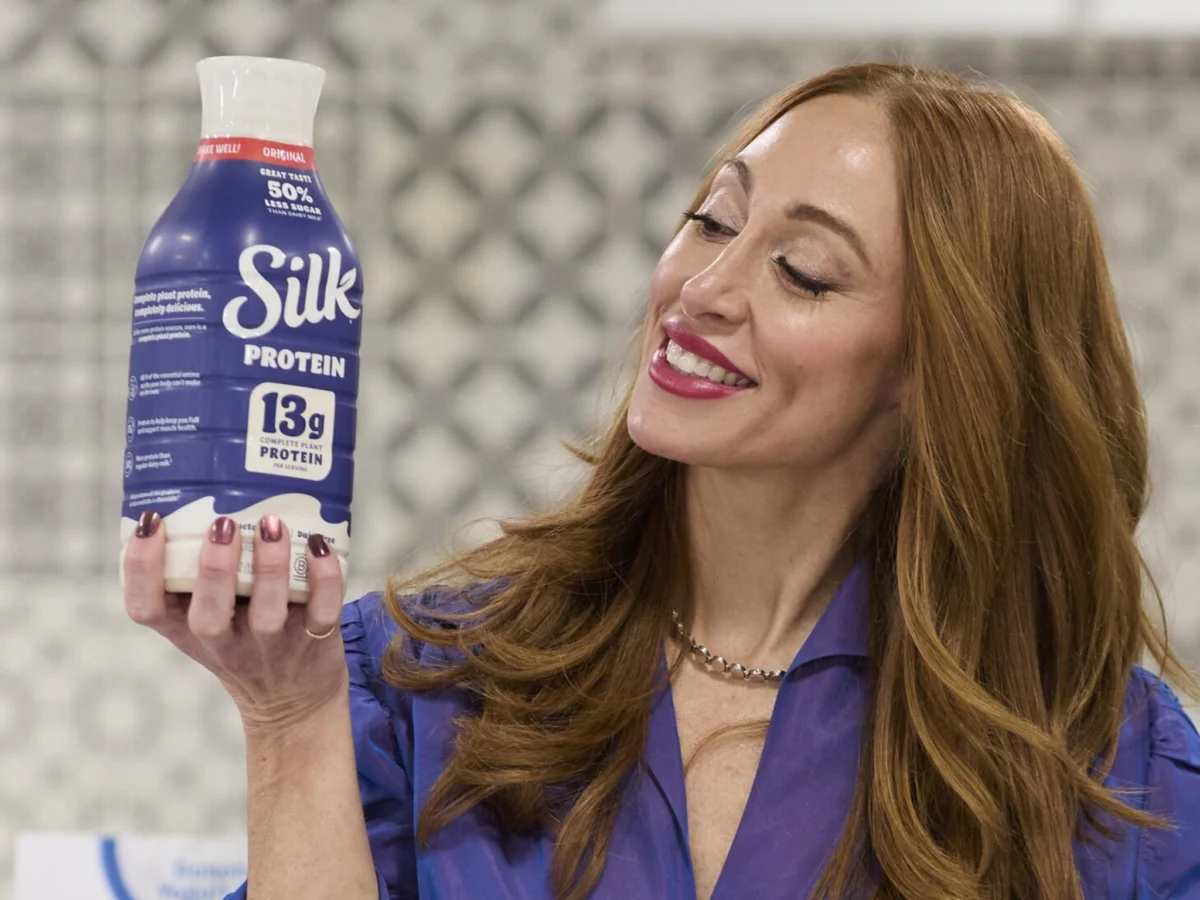
Danone has significantly broadened its Silk Protein line, introducing plant-based yogurts and ready-to-drink shakes to the United States market. This strategic expansion capitalizes on the persistent and robust American consumer appetite for protein-rich food and beverage options, aiming to capture a larger share of the burgeoning plant-based dairy alternative sector. The move comes seven months after Danone’s initial foray into this competitive space with its protein-fortified soy milk, which demonstrated strong performance against traditional dairy products in macronutrient profiles.
The French multinational food-products corporation, a global leader in dairy and plant-based products, is leveraging its established Silk brand to address evolving consumer preferences. The introduction of dairy-free protein yogurts and shakes represents a direct response to market trends indicating that while the overall plant-based category experienced a slight contraction in 2025, specific segments like yogurts and ready-to-drink beverages continued to exhibit strong growth. This strategic pivot suggests Danone’s commitment to innovating within high-demand niches within the broader plant-based market.
Silk Protein Yogurts and Shakes: A Nutritional Powerhouse
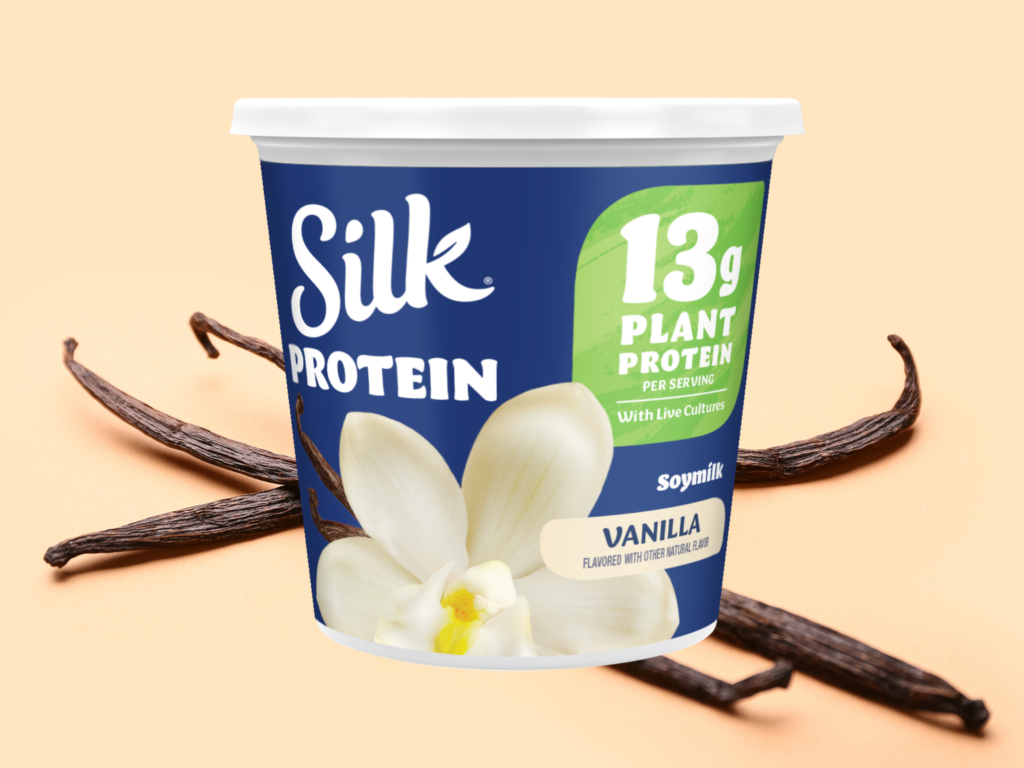
The new Silk Protein yogurts are engineered to meet the high protein demands of consumers. In the larger 24-ounce tub format, each 6-ounce serving provides 13 grams of plant-based protein. The individual 5.3-ounce cups offer a slightly more portable 12 grams of protein per serving. The protein source is derived from soybeans, ensuring a complete protein profile that includes all essential amino acids. Danone claims these new yogurts boast twice the average protein content found in the broader dairy-free yogurt segment, positioning them as a premium offering for health-conscious consumers.
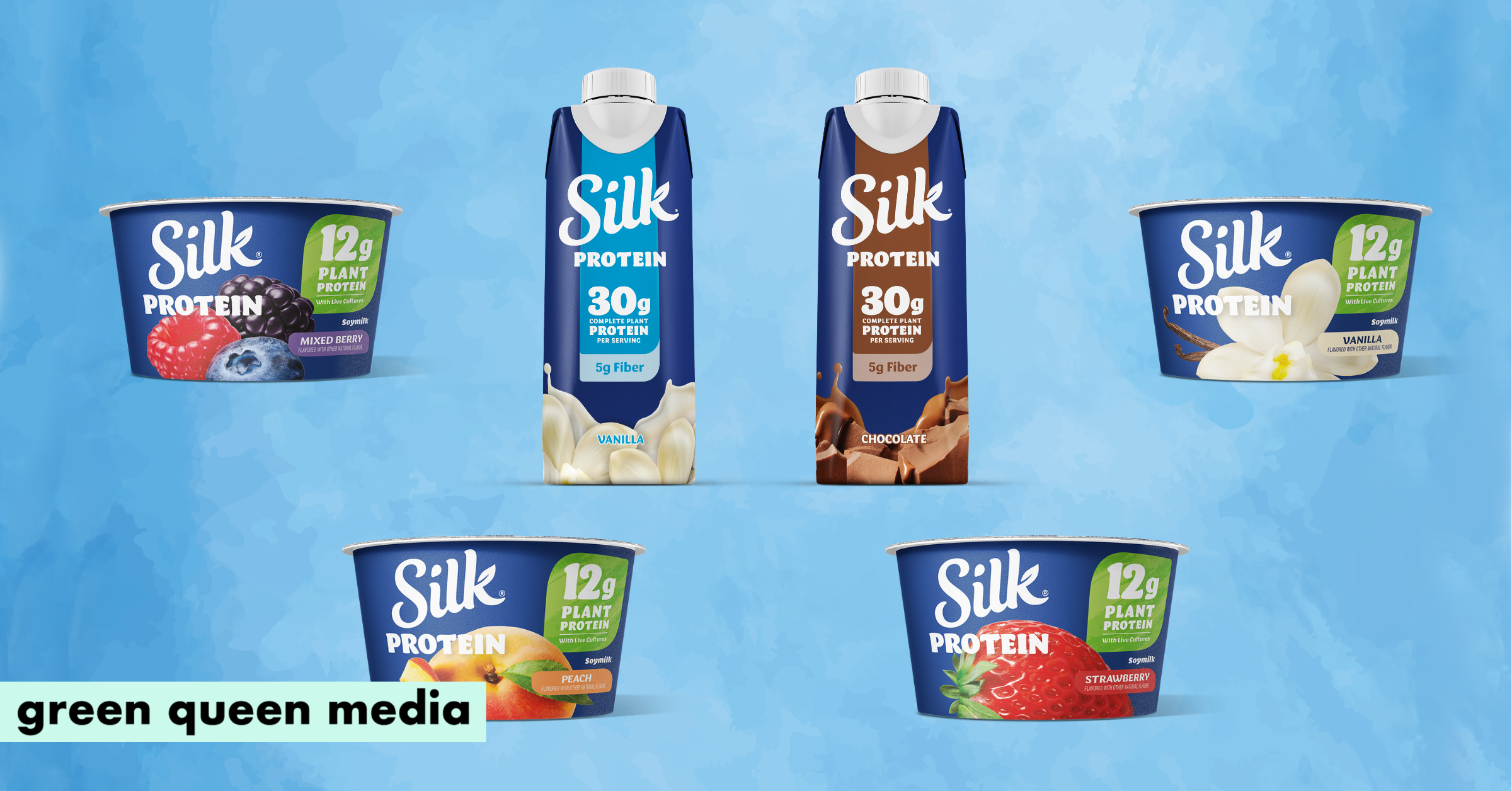
Beyond their protein content, the Silk Protein yogurts are fortified with essential micronutrients, including calcium, vitamins B12 and D, iodine, and phosphorus. Each serving also delivers 4 grams of dietary fiber, contributing to digestive health and satiety. In line with a growing consumer demand for transparency and natural ingredients, these yogurts are formulated without artificial colors, flavors, or sweeteners, adhering to clean-label principles. The product line will be available in popular flavors such as vanilla (offered in both tub and cup formats), strawberry, peach, and mixed berry, with a nationwide rollout to retailers commencing later this month.
Complementing the yogurt offerings, Silk is launching its first line of ready-to-drink protein shakes. Each 11.15-ounce bottle is packed with 30 grams of complete plant protein, setting a new benchmark for protein concentration within the Silk product portfolio and rivaling many dairy-based protein shakes currently on the market. These shakes also provide 5 grams of fiber per bottle, contain a modest 2 grams of sugar, and are calorically mindful at 180 calories per serving. Similar to the yogurts, they are free from artificial flavors, sweeteners, and colors, and will be available in shelf-stable chocolate and vanilla varieties, with a nationwide US rollout scheduled for next month.
Danone’s Strategic Bet on Plant Protein
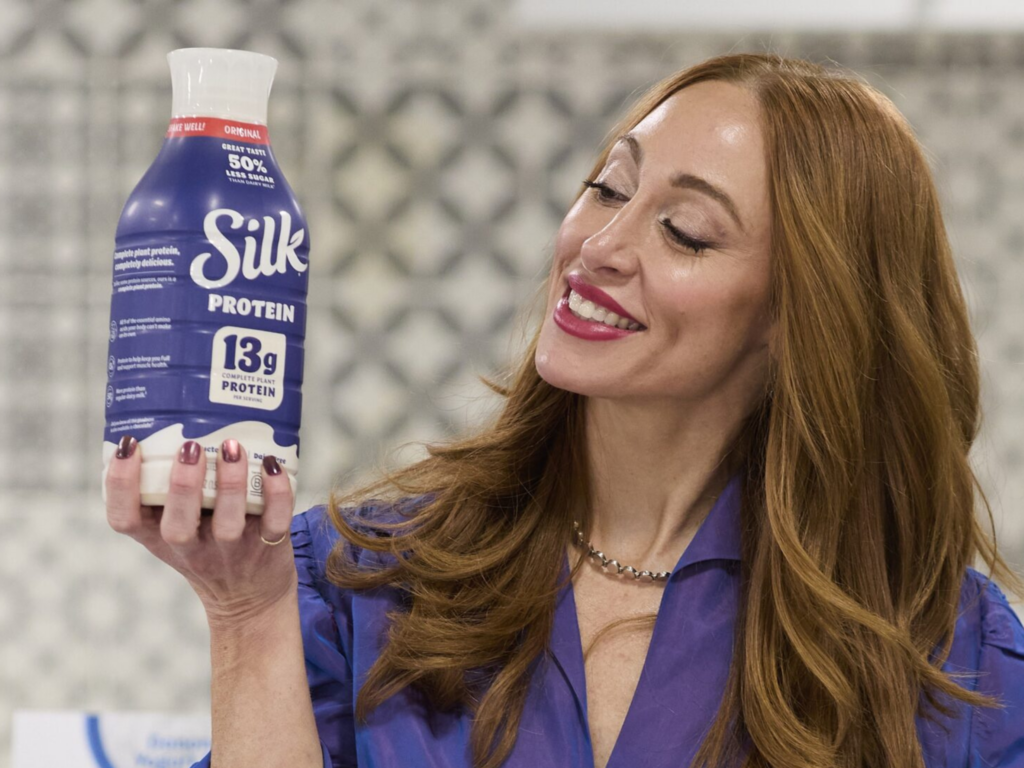
The introduction of these new Silk Protein products builds upon Danone’s earlier success with its protein-boosted soy milks. Launched approximately seven months prior, these milks quickly established a strong market presence, offering 13 grams of plant protein per cup – the highest among refrigerated plant-based milks available in the U.S. at the time of their release. These milks also provided 3 grams of fiber and significantly less sugar than their dairy counterparts, along with the absence of artificial sweeteners, resonating well with consumers seeking healthier alternatives.
Danone’s intensified focus on protein and fiber within its Silk brand is a direct strategic response to compelling market data. Recent surveys indicate a pronounced shift in American dietary priorities. According to a 2026 nutrition priorities survey, nearly three in five Americans (57%) planned to prioritize protein intake in their diets. Furthermore, a significant 43% of these consumers expressed a willingness to pay a premium for products enhanced with protein, a figure that rises to 54% among younger demographics.
Simultaneously, a growing awareness of the importance of fiber intake is shaping consumer behavior. A substantial portion of the American population suffers from fiber deficiency, a nutritional gap that has been amplified by trending online health movements such as "fibermaxxing." This trend has been further influenced by the increasing adoption of GLP-1 (Glucagon-like peptide-1) receptor agonist medications. The prevalence of GLP-1 users, which rose from 10% in 2024 to 18% in 2025, has inadvertently contributed to the heightened interest in protein and fiber. These medications, while effective for weight management, can lead to a notable decrease in muscle mass (ranging from 5-40% over 8-16 months), prompting users to actively seek dietary solutions to mitigate this effect. Data from Innova Market Insights suggests that approximately 40% of GLP-1 users are increasing their protein consumption, and 30% are increasing their fiber intake.
Navigating the Plant-Based Landscape
Danone’s strategic allocation of resources towards protein-fortified yogurts and shakes is particularly insightful given the nuanced performance of different segments within the plant-based market. While the company initially focused on non-dairy milk alternatives, this segment experienced a slight decline in U.S. retail sales, reportedly down by 2% in the past year. In contrast, plant-based yogurts and ready-to-drink beverages demonstrated robust growth in 2025, with sales increasing by 7% and 12%, respectively, according to industry reports. This divergence in performance underscores the strategic advantage of Danone’s current product expansion into categories with proven upward momentum.
The company’s commitment to the plant-based protein market extends beyond the United States. In Canada, Danone launched a reformulated version of Silk Protein soy milk last month, boasting an even higher protein content of 18 grams per 250-milliliter serving. Furthermore, at the beginning of 2026, Danone introduced the "Meal to Go" range of meal replacement shakes under its Alpro brand in Europe. These shakes are designed to provide a substantial 20 grams of plant protein per 500-milliliter bottle, indicating a global strategy to capitalize on the growing demand for plant-based protein solutions across various product formats and geographic regions.
Implications and Future Outlook
Danone’s aggressive expansion of its Silk Protein line signals a clear strategic imperative to lead in the high-growth plant-based protein sector. By offering products that align with key consumer health priorities – increased protein, enhanced fiber, and clean-label ingredients – Danone is positioning itself to capture a significant share of a market that continues to evolve rapidly. The company’s ability to innovate within product categories that are outperforming the broader plant-based market, such as yogurts and ready-to-drink beverages, suggests a sophisticated understanding of consumer trends and market dynamics.
The success of these new Silk Protein offerings will likely depend on several factors, including effective marketing campaigns that highlight their nutritional benefits and taste profiles, competitive pricing strategies, and continued strong distribution networks. As consumer awareness around protein and fiber intake continues to rise, driven by both personal health goals and emerging trends like GLP-1 medication use, Danone appears well-positioned to benefit from this sustained demand. The company’s proactive approach to diversifying its plant-based protein portfolio across different product formats and global markets underscores its ambition to be a dominant player in the future of food. Analysts will be closely watching the sales performance of these new Silk products as they roll out across the US, providing further insights into the ongoing trajectory of the plant-based protein market and Danone’s role within it.
