
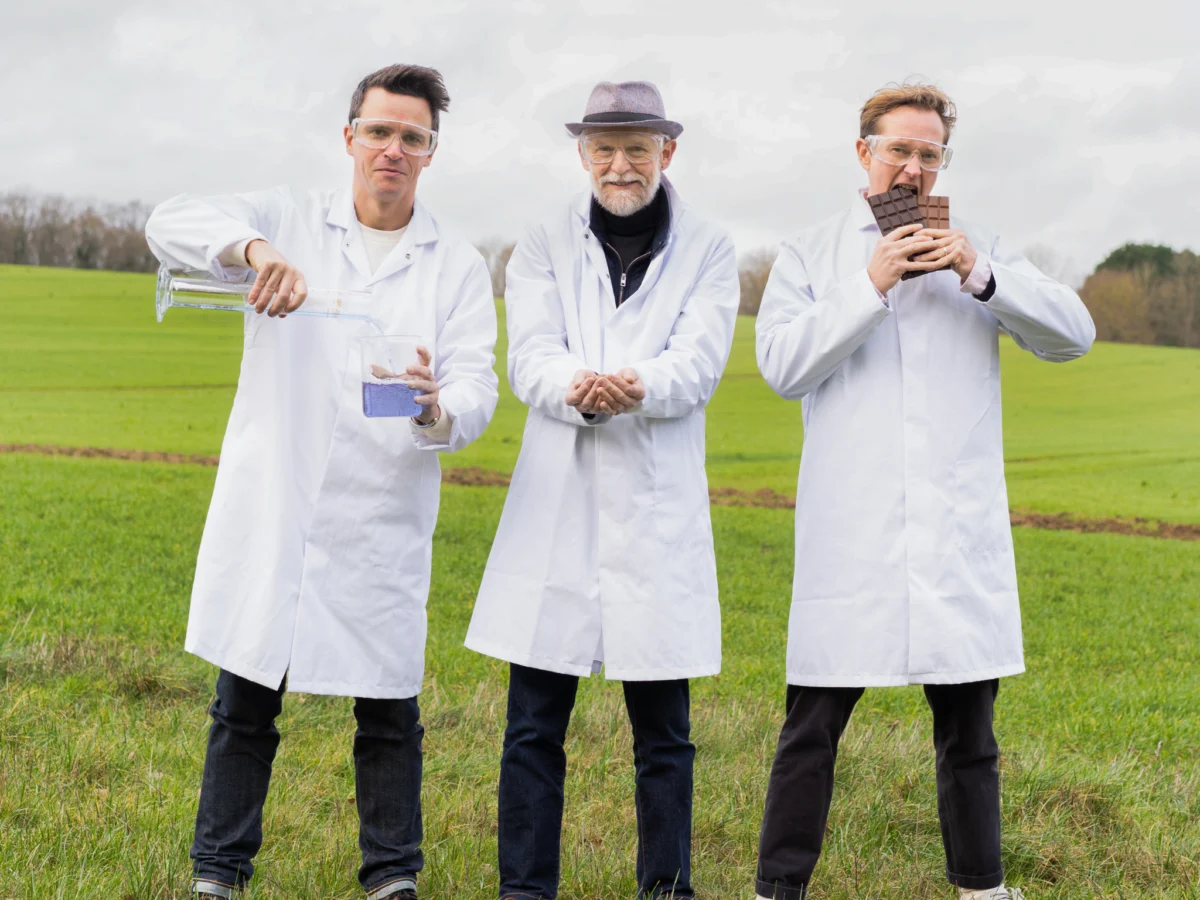
The acquisition of UK food tech startup Nukoko by Döhler Group marks a significant development in the burgeoning market for sustainable and ethically sourced chocolate alternatives. Nukoko, which has been pioneering the creation of cocoa-free chocolate from fava beans, will now leverage Döhler’s extensive global manufacturing and distribution network to scale its innovative technology. This strategic move, building on Döhler’s prior investment in the startup two years ago, aims to address the persistent supply chain vulnerabilities and price volatility that have plagued the traditional chocolate industry.
Nukoko’s unique approach redefines the "bean to bar" concept by utilizing a fava bean-based process. This acquisition is expected to bolster Döhler’s already comprehensive portfolio of plant-based ingredients and integrated solutions. Customers will benefit from the synergy of Nukoko’s proprietary technology and Döhler’s deep expertise in flavor development and ingredient innovation. The company has announced that initial product samples will be available to partners starting in August, signaling a swift integration and market-readiness.
"Nukoko’s technology now has the platform to be delivered at scale around the world," stated Nukoko co-founders Kit Tomlinson and Ross Newton. "It is incredibly exciting to join the Döhler team. With its global reach and trusted industry expertise, we can create unique solutions that do not currently exist on the market." This sentiment underscores the transformative potential of the partnership, promising to unlock new frontiers in the confectionery sector.
The Rise of Fava Beans in Sustainable Chocolate Production
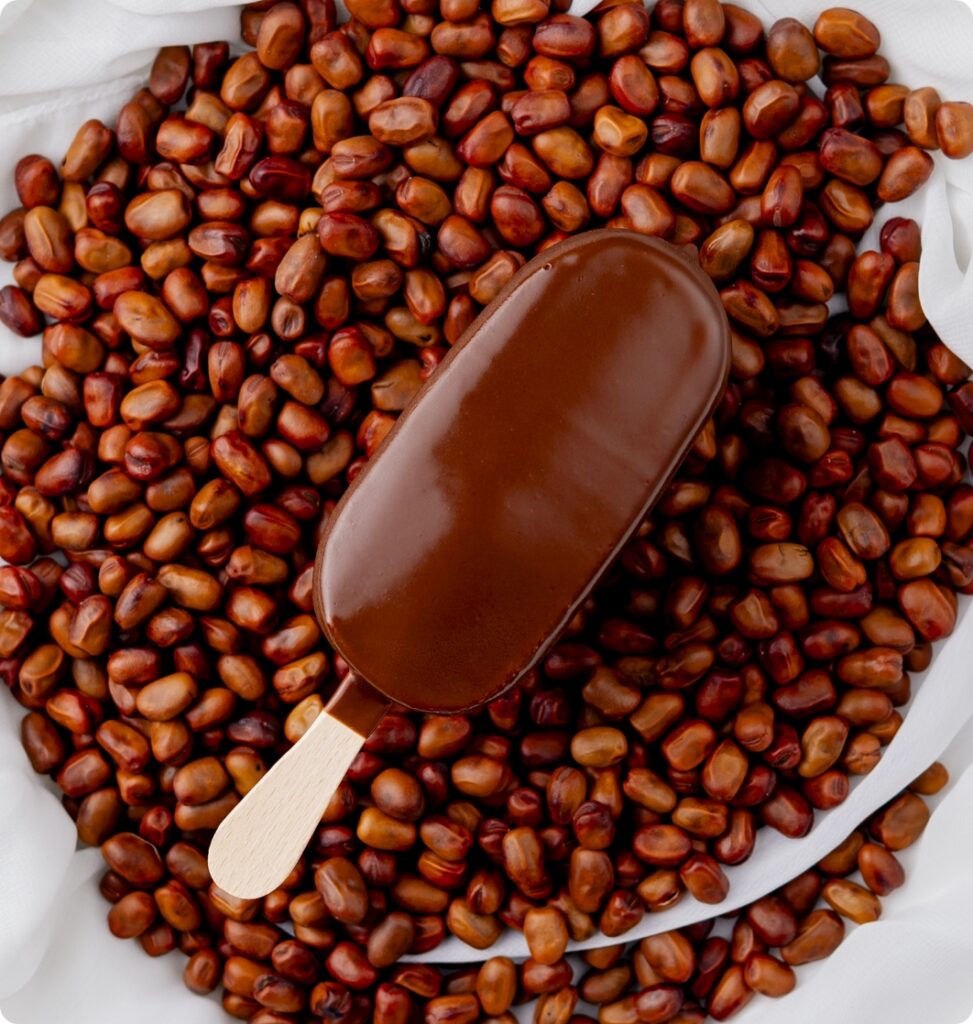
The strategic choice of fava beans (also known as broad beans) by Nukoko is rooted in their widespread cultivation and impressive nutritional profile. Fava beans are a staple in cuisines across the globe, forming the basis of dishes such as falafel and fūl in Egypt, pachamanca in Peru, and doubanjiang in China. Their significance extends beyond culinary versatility; fava beans boast a substantially higher fiber content compared to typical protein sources consumed in Europe. This rich fiber content is scientifically linked to reduced risks of heart disease and type 2 diabetes. Research indicates that increased fava bean consumption could lead to significant annual healthcare cost savings, estimated at €42 million in Europe, while simultaneously boosting farmer incomes by up to 20% within the region.
Nukoko’s innovative process transforms these versatile legumes into a chocolate-like product by employing fermentation and processing techniques analogous to those used in conventional chocolate manufacturing. This method yields a climate-friendly and resilient alternative to cocoa-based chocolate. Founded in 2022 by Ross Newton, Kit Tomlinson, and David Salt, the startup subjects fava beans to a "unique biotransformation" and controlled fermentation. This is followed by drying, roasting, and grinding, ultimately producing a cocoa powder substitute that can be incorporated into a wide array of chocolate formulations.
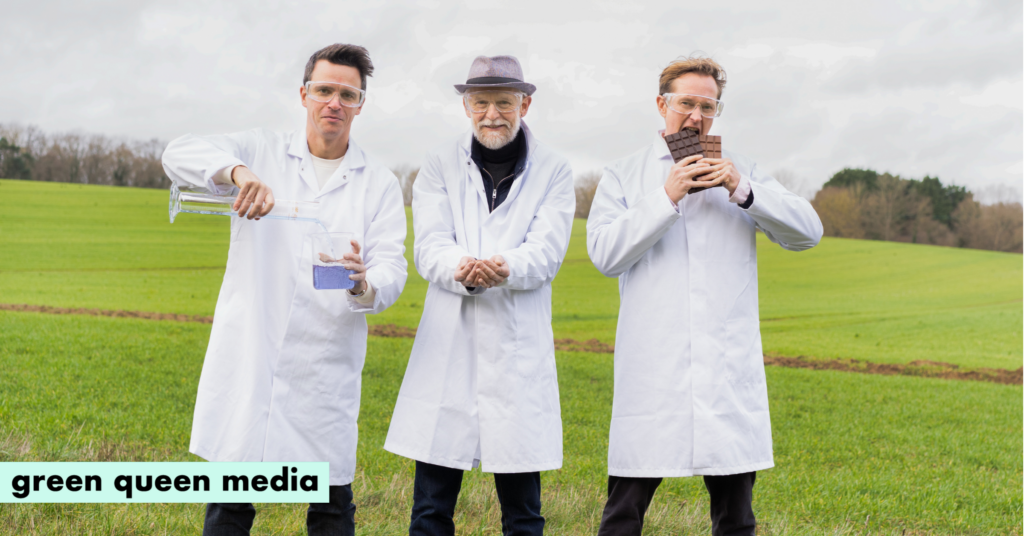
The selection of fava beans was deliberate, owing to their status as a hardy cover crop. They are domestically grown within the UK and the EU, possess the ability to fix nitrogen in the soil, thereby enhancing soil health, and consequently reduce the reliance on synthetic fertilizers. Nukoko claims its chocolate alternative generates approximately 90% fewer greenhouse gas emissions compared to traditional chocolate. Furthermore, it offers distinct health advantages, including high protein and fiber content, and a notably lower sugar content, reportedly up to 40% less.
Crucially, the company asserts that this reduction in sugar does not compromise flavor. This is attributed to the presence of vicilin, a seed storage protein found in fava beans, which, much like in cocoa, contributes to chocolatey flavor profiles when broken down and roasted into peptides. This scientific underpinning validates the potential of fava beans to deliver a sensory experience comparable to traditional chocolate.
Döhler Group’s Strategic Expansion into Cocoa-Free Alternatives
The acquisition of Nukoko signifies Döhler Group’s commitment to addressing one of the most pressing challenges facing the confectionery industry: the inherent volatility of cocoa supply chains and the escalating costs associated with its procurement. Kerstin Bergander-Kleinert, Head of Döhler’s Cereal, Nuts, and Pulses division, articulated this strategic imperative: "By bringing Nukoko into the Döhler Group, we are addressing one of the category’s biggest challenges: delivering great-tasting, scalable cocoa-free alternatives that help reduce exposure to volatile cocoa markets."
The global cocoa market has experienced unprecedented turbulence in recent years. The climate crisis, characterized by unpredictable weather patterns and increased disease outbreaks in cocoa-growing regions, has severely impacted yields. In 2024, global cocoa stocks plummeted to a decade low, driving prices to record highs. By December of that year, the price of a tonne of cocoa in the United States reached an all-time high of $12,565. Scientific projections are stark, with estimates suggesting that a third of all cocoa trees could be lost by 2050 if current trends persist.
Beyond supply chain issues, the environmental footprint of conventional chocolate production is a significant concern. Chocolate manufacturing is identified as a primary driver of food-related climate change, emitting more greenhouse gases than any other food product besides beef. The production of a single chocolate bar can require as much as 1,700 liters of water. Moreover, the industry has been historically linked to widespread tropical deforestation, prompting stringent anti-deforestation legislation in the European Union and the United Kingdom.
These compounding factors have propelled chocolate alternatives to the forefront of food technology innovation. Major players within the "Big Chocolate" industry are actively investing in and collaborating with startups pioneering cocoa-free and cell-based chocolate solutions. Companies such as Nestlé, Barry Callebaut, Cargill, Puratos, Mondelēz International, and Lindt have all engaged with innovators in this space. These collaborations include partnerships with startups like Voyage Foods, Planet A Foods, Prefer, Win-Win, Foreverland, California Cultured, and Kokomodo, among others, demonstrating a clear industry-wide recognition of the need for sustainable and resilient chocolate production methods.
Nukoko, operating primarily as a business-to-business (B2B) entity, currently utilizes a pilot facility capable of processing 500kg batches. In 2024, the company successfully secured €1.3 million in seed funding. Döhler’s subsequent investment and acquisition will facilitate a transition to significantly larger, 10,000-liter fermentation batches, enabling mass production.
Previously, Ross Newton had indicated to Green Queen that Nukoko aimed to supply both milk and vegan milk chocolate alternatives. The milk chocolate variant was described as containing 23% fava bean powder, shea butter, sugar, and sunflower lecithin. The company’s website also suggests future offerings in dark chocolate and cocoa powder formats.
Döhler’s strategic approach emphasizes accelerating the journey from initial concept to market-ready products with enhanced speed and confidence. The company plans to collaborate with its clients to develop bespoke application-specific solutions utilizing Nukoko’s cocoa-free chocolates. These solutions will aim to deliver a combination of "great taste, supply chain resilience, formulation flexibility, and commercial scalability."
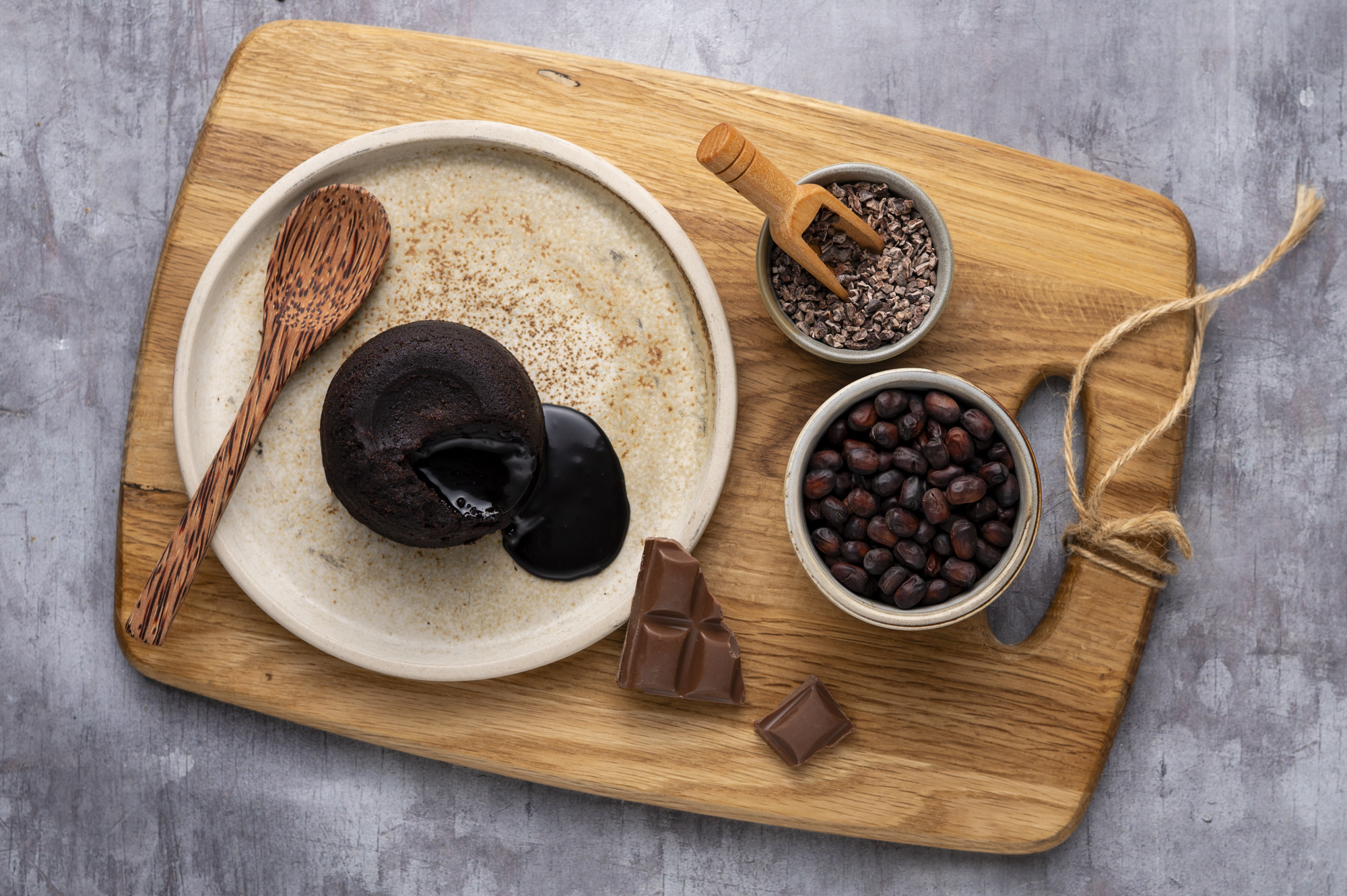
Anticipated applications for sampling this year span a diverse range of product categories, including confectionery, baked goods, cereal-based breakfast and snack items, ice creams, and various coatings and fillings. Kerstin Bergander-Kleinert further elaborated on the anticipated benefits: "Supported by Döhler’s global ingredient, R&D, and application expertise, we can help customers create resilient, future-oriented product concepts without compromising sensory experience." This integrated approach promises to empower manufacturers to innovate responsibly while meeting consumer demand for delicious and sustainable treats.
A Timeline of Innovation and Strategic Investment
The journey of Nukoko from a nascent startup to an acquired entity by a global manufacturing giant can be traced through a series of key milestones:
- 2022: Nukoko is founded by Ross Newton, Kit Tomlinson, and David Salt, with the explicit mission to develop a sustainable, cocoa-free chocolate alternative from fava beans. The company begins initial research and development into its proprietary biotransformation and fermentation processes.
- Early 2023: Döhler Group makes an initial investment in Nukoko, signaling early confidence in the startup’s technology and market potential. This investment likely provides crucial funding for scaling up pilot production and further refining the product.
- Mid-2023 – Early 2024: Nukoko operates its pilot facility, producing in 500kg batches and engaging with potential B2B partners. The company continues to develop its formulations and gather feedback on taste and texture.
- Early 2024: Nukoko successfully raises €1.3 million in seed funding, further validating investor interest in the cocoa-free chocolate market and the company’s innovative approach. This funding is instrumental in supporting its transition to larger-scale production.
- August 2024: Döhler Group announces the full acquisition of Nukoko. The company confirms plans to make initial product samples available to customers in August, marking a significant step towards commercialization under Döhler’s umbrella.
This chronological progression highlights a strategic and well-executed path toward market entry and scalability, underpinned by consistent investment and technological advancement.
Broader Implications and Future Outlook
The acquisition of Nukoko by Döhler Group is more than just a commercial transaction; it represents a pivotal moment in the broader food industry’s response to environmental and ethical challenges. The increasing prominence of cocoa-free chocolate alternatives, powered by ingredients like fava beans, signals a potential paradigm shift in how we produce and consume one of the world’s most beloved treats.
For consumers, this development could translate into more readily available, sustainable, and ethically produced chocolate options. As major food manufacturers increasingly integrate these alternatives into their product lines, consumers will have greater choices that align with their values regarding climate impact and fair labor practices. The health benefits associated with fava beans, such as higher fiber content and potentially lower sugar, also position these alternatives as a more nutritious choice.
From an economic perspective, the diversification away from a singular reliance on cocoa could lead to greater stability in the global chocolate market. Reduced exposure to the price volatility of cocoa beans can help mitigate the risk of sudden price hikes for consumers and ensure a more predictable cost structure for manufacturers. Furthermore, by promoting the cultivation of crops like fava beans, which can be grown domestically in many regions, the industry can foster more resilient local agricultural economies and reduce the carbon footprint associated with long-distance transportation of raw materials.
The integration of Nukoko’s technology within Döhler’s extensive R&D and application capabilities suggests a future where these cocoa-free alternatives are not merely niche products but are seamlessly incorporated into a wide range of familiar confectionery and food items. This widespread adoption, driven by established industry players, is crucial for achieving meaningful environmental and social impact. The success of this acquisition will likely spur further investment and innovation in the alternative protein and ingredient space, encouraging a more sustainable and ethical future for the food industry as a whole.
