
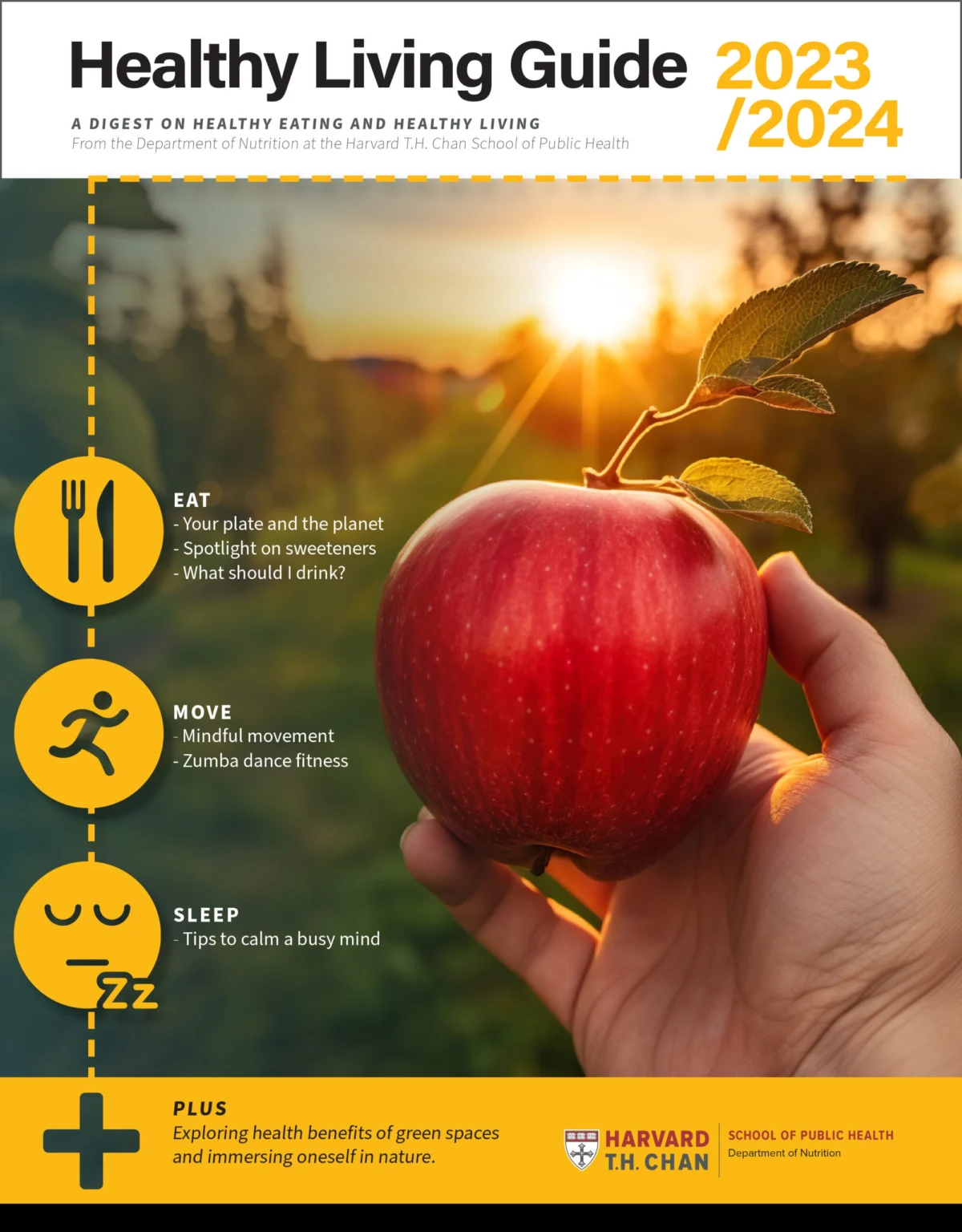
The launch of the fourth edition of the Healthy Living Guide marks a significant moment in the Department of Nutrition’s ongoing commitment to advancing public health through evidence-based research and accessible information. This year’s guide, released at the dawn of 2024, not only continues the tradition of providing actionable insights on nutrition, physical activity, and sleep but also introduces a crucial new dimension: the integration of mindfulness into population-level well-being strategies. The publication coincides with the exciting establishment of the Thich Nhat Hanh Center for Mindfulness in Public Health, a development that underscores a growing recognition of the interconnectedness between individual health and broader societal and environmental well-being.
Foundations of the Healthy Living Guide and the Dawn of a Mindful Era
The Healthy Living Guide, a staple resource from the Department of Nutrition, has consistently aimed to demystify complex health science, translating cutting-edge research into practical advice for the public. Its annual release provides a timely update on key health domains, responding to evolving scientific understanding and public health challenges. The 2023-2024 edition arrives at a pivotal juncture, amplified by the inauguration of the Thich Nhat Hanh Center for Mindfulness in Public Health. This new center, strategically positioned within the Department of Nutrition, is dedicated to exploring and implementing mindfulness practices to foster well-being on a scale far beyond individual interventions.
The philosophical underpinnings of this new initiative are echoed in the words of Thich Nhat Hanh, a globally revered Zen master and peace activist, who stated, "The apple in your hand is the body of the cosmos." This profound observation encapsulates the Center’s core philosophy: that individual actions, including how we nourish ourselves and engage with our bodies, are inextricably linked to the health of our planet and the wider universe. Mindful eating, in particular, is identified as a cornerstone of this approach, encouraging individuals to develop a deeper awareness of their food choices, their impact on personal health, and their environmental footprint. This theme is woven throughout the current Guide, aiming to cultivate a more conscious and holistic approach to healthy living.
Key Research Highlights and Emerging Trends
The Healthy Living Guide is renowned for its ability to synthesize the latest scientific findings. This year’s edition prominently features research on several critical areas:
-
Ultra-Processed Foods and Mental Health: The guide delves into the burgeoning body of evidence linking the consumption of ultra-processed foods (UPFs) to adverse mental health outcomes. Studies, such as those published in journals like the British Journal of Psychiatry, have indicated correlations between high UPF intake and increased risks of depression and anxiety. The guide aims to educate readers on identifying UPFs and the potential implications for cognitive function and emotional well-being, emphasizing a shift towards whole, minimally processed foods. Data from a 2023 systematic review and meta-analysis in Nutrients found that individuals with the highest consumption of UPFs had a significantly higher risk of developing depression. This information serves as a crucial alert for public health initiatives.
-
The Power of Movement: Zumba and Physical Activity: Recognizing the importance of making physical activity enjoyable and accessible, the guide explores the benefits of engaging in vibrant, music-driven exercise like Zumba. Research published in the Journal of Strength and Conditioning Research has demonstrated that Zumba classes can improve cardiovascular fitness, body composition, and mood. The guide highlights how incorporating such activities can combat sedentary lifestyles and promote consistent engagement with physical fitness, thereby reducing the risk of chronic diseases such as type 2 diabetes and cardiovascular disease. Studies have shown that regular participation in moderate-intensity aerobic activities like Zumba can lead to significant improvements in VO2 max, a key indicator of cardiorespiratory health.
-
Sleep Chronotypes and Health Outcomes: Understanding individual sleep patterns, or "chronotypes," is another key focus. The guide examines the latest evidence on how different chronotypes – from early birds (larks) to night owls – can influence health. Research in the Journal of Biological Rhythms has established that misalignment between an individual’s chronotype and societal demands (social jetlag) can contribute to metabolic disturbances, impaired cognitive function, and increased risk of mood disorders. The guide provides insights into recognizing one’s chronotype and offers strategies for optimizing sleep hygiene to promote better health, regardless of one’s natural sleep-wake cycle. For instance, data suggests that individuals with a pronounced evening chronotype who are forced to wake early experience greater metabolic dysfunction.
The Thich Nhat Hanh Center: A New Frontier in Public Health
The establishment of the Thich Nhat Hanh Center for Mindfulness in Public Health represents a significant investment in a novel approach to health promotion. The center’s mission is to bridge the gap between contemplative practices and public health interventions, recognizing that many of the challenges facing populations today – from chronic disease to environmental degradation – are exacerbated by stress, disconnection, and a lack of mindful awareness.
The Center’s work will likely involve:
- Research and Development: Conducting rigorous studies to evaluate the efficacy of mindfulness-based interventions in diverse public health settings. This could include pilot programs in schools, workplaces, and community health centers.
- Training and Education: Developing curricula and training programs to equip public health professionals, educators, and community leaders with the skills to integrate mindfulness into their work.
- Policy Advocacy: Advocating for policies that support mindfulness-informed approaches to health and well-being, potentially influencing healthcare systems, urban planning, and educational curricula.
The integration of mindfulness into public health is not merely an academic pursuit; it is a response to a growing understanding that individual well-being is intrinsically linked to the well-being of communities and the planet. By fostering greater awareness, compassion, and intentionality, mindfulness practices can empower individuals and groups to make healthier choices, reduce stress, and build more resilient and sustainable societies.
Broader Implications and the Path Forward
The themes explored in the 2023-2024 Healthy Living Guide, particularly the emphasis on mindfulness, carry profound implications for the future of public health. As global health challenges become increasingly complex, traditional, siloed approaches may prove insufficient. The integration of mindfulness offers a holistic framework that addresses the interconnectedness of physical health, mental well-being, social equity, and environmental sustainability.
The research highlights on ultra-processed foods, for example, not only inform individual dietary choices but also point to systemic issues within food production and distribution. A mindful approach to eating encourages critical engagement with these systems, potentially fostering demand for healthier, more sustainably produced food. Similarly, the focus on sleep chronotypes underscores the need for societal structures that are more accommodating of natural human rhythms, promoting well-being rather than demanding conformity that can lead to ill health.
The Healthy Living Guide serves as a vital resource for individuals seeking to improve their personal health and also as a beacon for public health professionals and policymakers. By offering evidence-based insights and promoting a more conscious and integrated approach to well-being, it empowers communities to navigate the challenges of the 21st century with greater resilience, health, and mindful intention. The commitment of the Department of Nutrition, amplified by the new Thich Nhat Hanh Center, signals a promising trajectory towards a future where health is understood and pursued in its fullest, most interconnected sense.
The downloadable, printable Healthy Living Guide (PDF) provides further details, including printable tip sheets and summaries, allowing for widespread dissemination of this crucial information. Access to the full online articles through provided links further empowers readers to delve deeper into the scientific underpinnings of the recommendations. This multi-faceted approach ensures that the knowledge and strategies presented are both accessible and actionable, contributing to a healthier and more mindful society. The inclusion of a quiz to test healthy living knowledge, with answers drawn from the previous year’s guide, also encourages continuous engagement and learning, reinforcing the importance of sustained healthy habits.
