
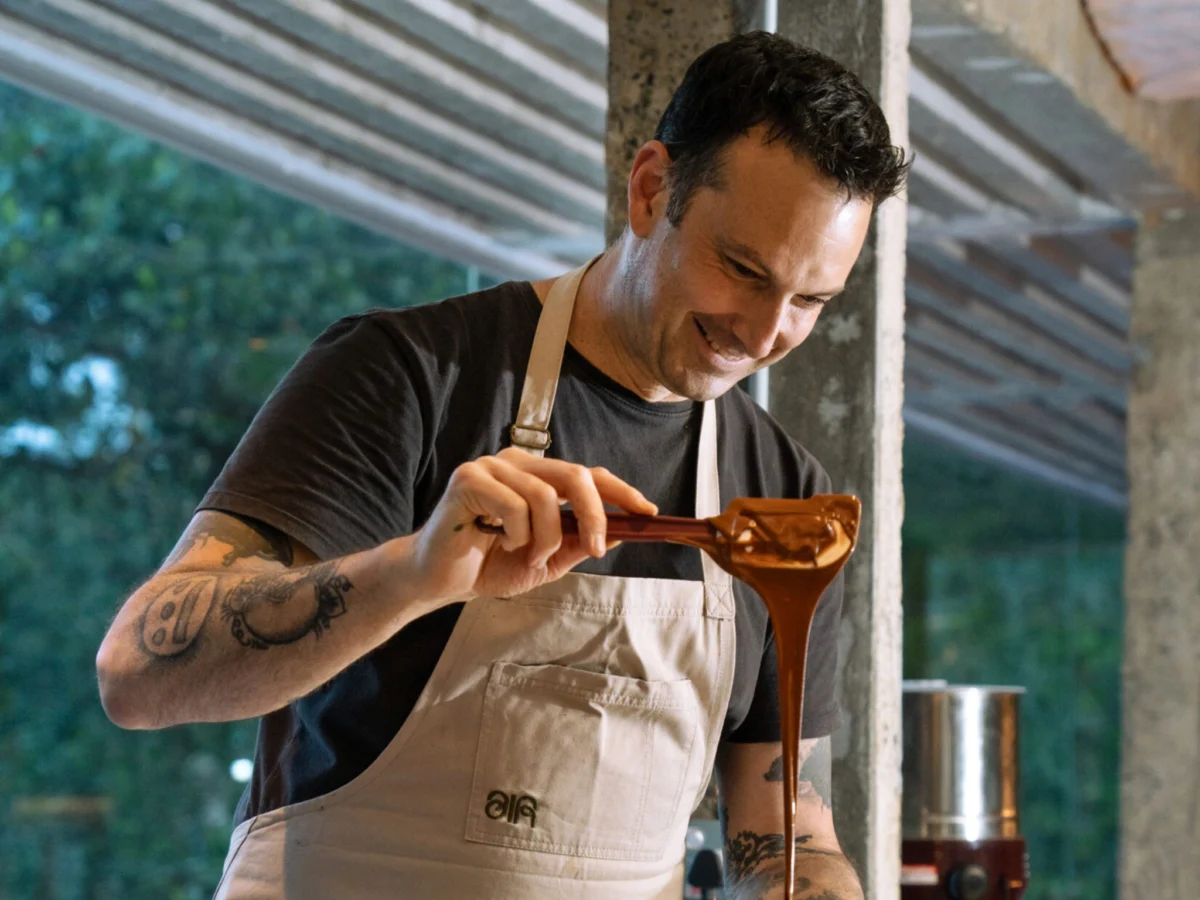
Copenhagen, Denmark – Danish food innovation startup Endless Food Co. has announced a significant strategic partnership with Dagrofa Foodservice, a leading distributor in Denmark’s foodservice sector. This collaboration is poised to dramatically expand the reach of Endless Food Co.’s pioneering bean-free chocolate alternative, known as THIC (This Isn’t Chocolate), by opening a “major new lane” into professional kitchens across the nation. The agreement marks a pivotal moment for the young company, founded by acclaimed chefs, as it scales its mission to address critical environmental challenges within the global food system.
The partnership aims to introduce THIC to as many professional culinary environments as possible, leveraging Dagrofa Foodservice’s extensive network and expertise. This move underscores Endless Food Co.’s commitment to providing sustainable, climate-smart ingredients that align with the growing demand for environmentally conscious food production within the hospitality industry. THIC represents a radical departure from traditional chocolate, which is facing unprecedented threats from climate change, disease, and volatile commodity markets.
Endless Food Co.’s innovative approach centers on upcycling byproducts from the food and beverage industries, transforming what would otherwise be waste into a high-quality ingredient. This method not only tackles the significant environmental burden of food waste, which contributes approximately 10% of global greenhouse gas emissions, but also offers a vital alternative to cocoa, a crop increasingly vulnerable to climate disruption.
Dagrofa Foodservice has expressed strong enthusiasm for the collaboration, recognizing THIC as a “wildly innovative” product that has been on their radar for several years. Sabina Kronborg, Category Group Manager at Dagrofa Foodservice, stated, “We believe the time is right to help them and their successful product reach even more professional kitchens. It is a clear strategic priority for us that we take responsibility for developing the Danish food scene by making partnerships with new innovative suppliers.” This sentiment highlights a broader industry trend towards embracing and championing sustainable food technologies and suppliers.
The Genesis of THIC: Culinary Expertise Meets Sustainability
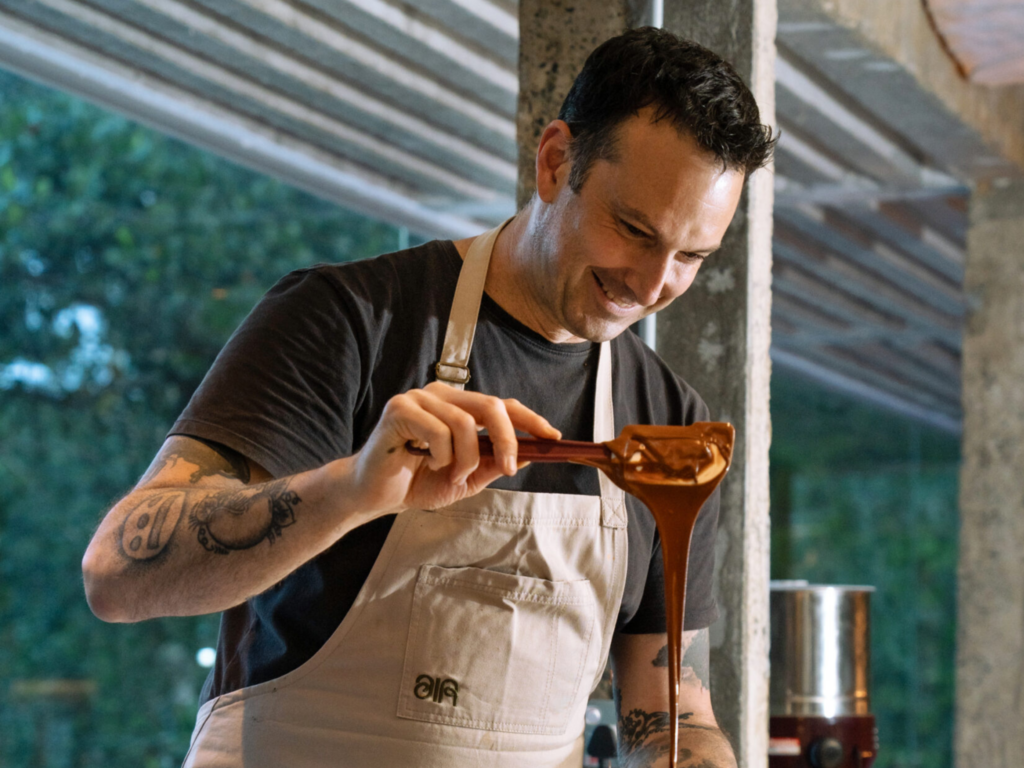
Endless Food Co. was co-founded in 2022 by a trio of culinary visionaries: Matthew Orlando, Maximilian Bogenmann, and Christian Bach. Orlando, renowned for his tenure as head chef at Copenhagen’s celebrated eco-conscious Amass Restaurant and his experience in Michelin-starred establishments like The Fat Duck, Aureole, and Le Bernardin, brought a deep understanding of flavor and culinary application. Bogenmann, the CEO, and Bach, the COO, who previously worked at the pioneering Noma, contributed extensive operational and innovation expertise. Their collective vision was to build upon Amass’s legacy of sustainability by developing a tangible solution to the climate-related issues plaguing the chocolate industry while simultaneously mitigating food waste.
The development of THIC began within the experimental kitchen of Amass, where the team explored how to create familiar tastes and textures from underutilized resources. Their research led them to identify several key industrial byproducts with significant potential: brewer’s spent grain (BSG), the nutrient-rich residue left after brewing beer; cacao husks, the outer shells of cocoa beans that are often discarded or used as low-value fertilizer; and the pulp generated during oat milk production. These ingredients, often constituting a substantial portion of the waste stream in their respective industries, were identified as prime candidates for valorization.
Upcycled Ingredients and Mimicked Chocolate Processes
Up to 40% of THIC’s composition is derived from these upcycled ingredients. They are carefully processed and combined with ethically sourced, wild-harvested shea butter and organic beet sugar to create a unique blend. Crucially, Endless Food Co. employs processes that closely mimic traditional chocolate-making techniques. This allows THIC to be seamlessly integrated into existing chocolate production lines without requiring significant modifications to recipes or manufacturing equipment.
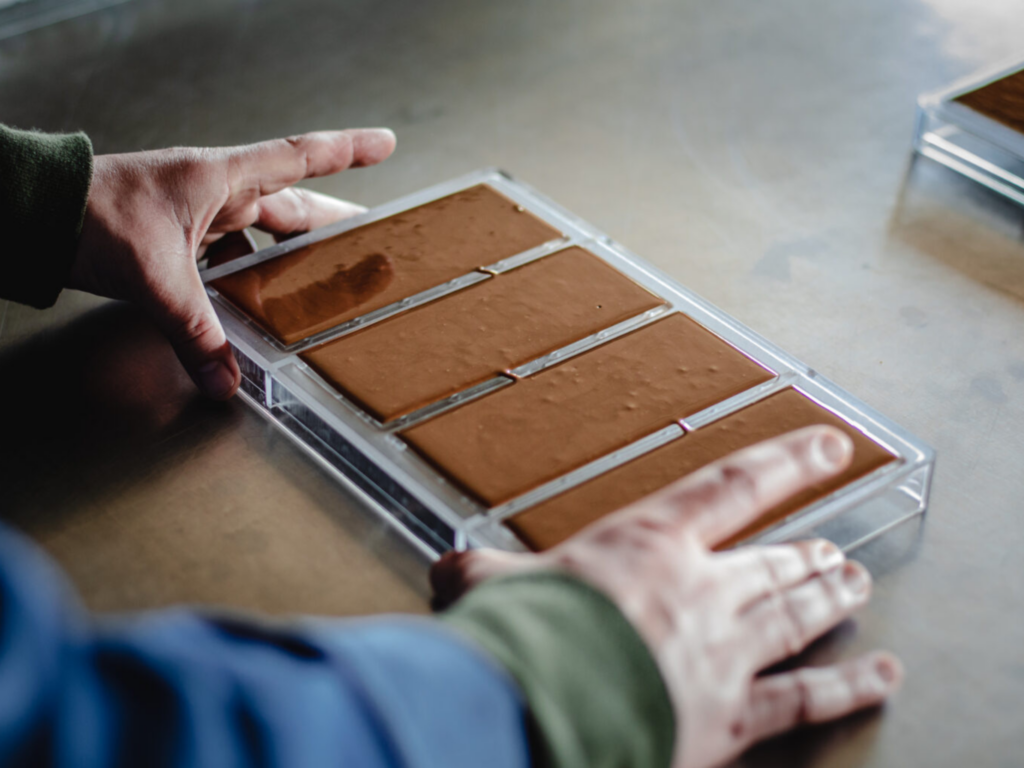
The upcycled ingredient mixture is transformed into a powder. This powder is then subjected to processes such as stone grinding and conching, which are standard in chocolate manufacturing and are essential for developing the smooth texture and complex flavor profiles characteristic of chocolate. The resulting mass is then refined through tempering and molding to create a product that is functionally and texturally equivalent to conventional chocolate.
Endless Food Co. produces THIC in a versatile range of formats, including blocks, chunks, granulates, and powders. This adaptability makes THIC suitable for a wide array of applications, from classic baked goods like pains au chocolat, cakes, cookies, and brownies, to decadent desserts such as ice creams, mousses, sauces, and ganaches. The ability to serve as a direct, one-to-one replacement for chocolate in virtually any recipe is a key selling point for culinary professionals.
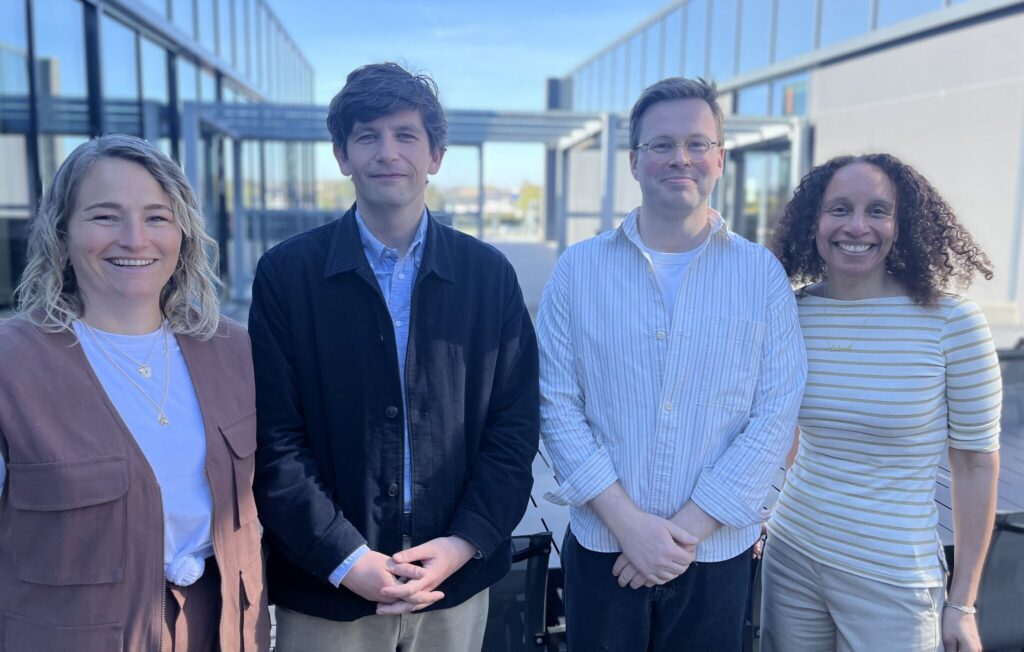
Marlene Lindegaard, Dagrofa Foodservice’s Gastronomic Development Manager, highlighted the practical benefits and appeal of THIC for the foodservice sector. "It is a product that is very practical, and it also speaks to the sustainability agenda that many canteens, restaurants, and hotels subscribe to. And THIC tastes great – and that’s the most important thing," she commented. This statement underscores that while sustainability is a driving force, the product’s palatability and performance are paramount for market adoption.
Addressing the Environmental Crisis in Cocoa Production
The global chocolate industry faces significant environmental and ethical challenges. Cocoa cultivation is a major driver of deforestation, particularly in West Africa, where vast tracts of rainforest are cleared to make way for plantations. The industry also grapples with issues of unfair labor practices and the vulnerability of cocoa crops to the impacts of climate change, including rising temperatures, unpredictable rainfall patterns, and increased pest and disease outbreaks.
THIC directly addresses these issues by offering a sustainable alternative. Brewer’s spent grain, for instance, represents approximately 85% of the waste produced by the brewing industry. Globally, 36.4 million tonnes of BSG are generated annually. While much of it is currently repurposed as animal feed or biofuel, a substantial portion still ends up in landfills. By utilizing BSG, Endless Food Co. is valorizing a readily available and abundant waste stream.
Similarly, cacao itself is considered one of the most wasteful fruits globally. During conventional chocolate production, an estimated 70-80% of the cacao fruit is discarded, despite the discarded parts possessing significant nutritional and functional value. Furthermore, the production of conventional chocolate is often associated with the widespread use of palm oil, a commodity linked to further deforestation and biodiversity loss.
Quantifiable Environmental Impact and Market Vulnerabilities
The environmental benefits of THIC are substantial. Life-cycle assessments conducted by Endless Food Co. indicate that THIC possesses an 84% lower climate footprint compared to conventional dark chocolate. This significant reduction is a direct result of its upcycled ingredient base and its avoidance of environmentally intensive cocoa cultivation practices.
The urgency for such alternatives is amplified by the precarious state of the global cocoa market. In 2024, cocoa prices reached all-time highs, and stock levels fell to their lowest in a decade. This price surge and scarcity are attributed to extreme weather events and crop diseases that have severely impacted plantations, particularly in the Ivory Coast and Ghana, the world’s two largest cocoa-producing nations. Scientists have issued stark warnings that up to one-third of the world’s cocoa trees could be lost by 2050 due to the escalating climate crisis. This makes THIC not only a sustainable choice but also a climate-resilient one, offering stability and predictability in ingredient sourcing.
Expanding Market Presence and Future Growth
Endless Food Co. has been steadily building its market presence through strategic collaborations. Previously, the company partnered with 7-Eleven Denmark to launch THIC-made cookies in all 180 of its nationwide stores. They also collaborated with German cereal producer Barnhouse, incorporating THIC into a vegan granola product. These initiatives demonstrate the versatility and broad consumer appeal of their bean-free chocolate alternative.
Currently, Endless Food Co. supplies bakeries of various sizes across Europe. To meet growing demand and facilitate further expansion, the company is actively working to establish a new, significantly larger manufacturing facility. This 3,800 square foot facility is projected to increase their production capacity to 20 tonnes of upcycled chocolate alternative per month, a substantial leap from their current output.
The partnership with Dagrofa Foodservice is a critical step in realizing Endless Food Co.’s vision. "Partnering with Dagrofa opens a major new lane for us into foodservice and makes it far easier for kitchens across Denmark to start working with THIC," the company stated in a recent LinkedIn post. "At the same time, we’re continuing to build toward the bigger future we believe this category can have." This sentiment reflects a dual focus on immediate market penetration and long-term industry transformation.
A Growing Ecosystem of Bean-Free Chocolate Alternatives
Endless Food Co. is part of a burgeoning global movement of startups developing bean-free chocolate alternatives. This innovative sector is attracting significant attention and investment, with some companies even securing backing from major confectionery giants. Notable players in this space include Voyage Foods, Planet A Foods (which produces Choviva), Compound Foods (offering beanless coffee and chocolate), Prefer, Win-Win, Foreverland (with its Choruba product), and Nukoko. These companies are employing diverse scientific approaches, from upcycling to cell-based and lab-grown methods, all aimed at decoupling chocolate production from the environmental and social challenges associated with traditional cocoa. The increasing number of innovators and the growing support from established food industry players signal a significant shift towards a more sustainable and resilient future for confectionery and dessert ingredients.
