
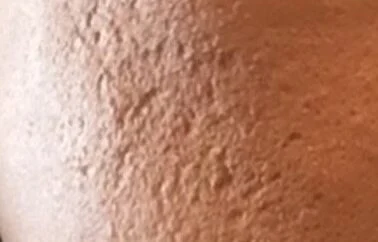
A Canadian lawyer, navigating the complexities of a demanding profession, confronts a daily battle far removed from courtrooms and legal briefs: the pervasive impact of severe acne scarring on her life. "Every day is a struggle, and the emotional wounds feel just as raw as the physical ones," describes the 40-year-old South Asian woman, who has chosen to remain anonymous to protect her privacy and professional standing. Her candid revelations shed light on a deeply personal yet widely unacknowledged public health issue, highlighting the immense psychological, social, and cultural burdens carried by individuals living with chronic dermatological conditions and their lasting physical manifestations.
The lawyer articulates a sentiment shared by many facing similar challenges, stating, "It is easy to say ‘accept yourself, love yourself,’ but the reality is that we carry many scars with us, and when you also carry them on your face, that weight becomes very heavy." This statement underscores the profound disconnect between societal platitudes of self-acceptance and the lived reality of individuals whose identities are deeply intertwined with visible physical attributes. Her experience, though unique in its detail, resonates with countless others grappling with the relentless pressures of appearance-centric societies and the often-overlooked mental health toll of chronic skin conditions.
The Personal Journey: A Chronology of Distress
The journey into this challenging reality began for the lawyer around the age of 20, coinciding with her entry into university. Initially, her acne was manageable, a common adolescent or young adult affliction. However, in her early 30s, the condition took a dramatic and aggressive turn. "The progression of my acne was swift and relentless," she recounts, detailing how, "within months, my face was covered in painful, cystic acne." This severe form of acne, characterized by large, pus-filled cysts deep under the skin, is notoriously difficult to treat and often leads to significant scarring.
For individuals with darker skin tones, like the anonymous lawyer, the battle against acne is compounded by an increased predisposition to post-inflammatory hyperpigmentation (PIH). "Being a person of colour meant I was at a higher risk for hyperpigmentation, which indeed occurred alongside my acne, leaving me with significant dark spots and further complicating my condition and leaving me with even less treatment options," she explains. This dual challenge of active cystic acne and persistent dark spots creates a particularly complex dermatological landscape, often requiring specialized treatment approaches and extending the duration of visible impact long after the active breakouts subside. The combination of deep scarring and hyperpigmentation can create an uneven texture and discoloration that is notoriously difficult to correct, impacting both physical appearance and psychological well-being.

Beyond the Surface: The Pervasive Psychological Toll
The sudden and severe onset of her condition was not merely a physical inconvenience but a deeply traumatic experience. "The sudden change was not just a physical burden – it was deeply traumatic and emotionally devastating," she recalls. "Seeing my once-clear skin covered in large, dark and pus-filled hills made me feel helpless and shattered my confidence immensely. I became extremely sensitive both emotionally and physically, flinching at the pain and the sight of my reflection. The embarrassment was overwhelming. I started avoiding mirrors and dreaded social interactions, feeling constantly judged."
These vivid descriptions paint a stark picture of the psychological devastation that severe acne can inflict. The inability to escape one’s reflection, the constant physical discomfort, and the perceived judgment from others coalesce into a profound sense of isolation and diminished self-worth. This sentiment is further amplified by the enduring nature of the scarring. "To date, there are days when I won’t go out in public," she admits. "Certain angles of lighting and make-up accentuate the deep scarring, uneven texture and years of damage. As I age, my skin is no longer tight and youthful but is riddled with scars. I try to limit social media and in person socialization to the extent that I can." This self-imposed withdrawal highlights the severe impact on quality of life, transforming routine social interactions into sources of anxiety and avoidance.
Cultural Nuances and Societal Stigma
The lawyer’s South Asian cultural background added another layer of complexity and pain to her experience. "My cultural background (South Asian) added another layer of pain as insensitive comments about skin conditions are unfortunately common and something I experienced regularly which made the experience even more isolating," she explains. "Often cruel and unsolicited comments would be thrown my way with callous disregard to my situation." This cultural context is crucial, as many non-Western societies often place a significant emphasis on clear skin as a marker of beauty, health, and even social status. Such deeply ingrained societal norms can amplify the distress caused by visible skin conditions, making individuals even more vulnerable to judgment and insensitivity from family, friends, and strangers alike. The experience of receiving "cruel and unsolicited comments" underscores a widespread lack of empathy and understanding surrounding dermatological conditions, particularly in public spaces.
The Medical Perspective: Understanding Acne and Scarring
Acne vulgaris, commonly known as acne, is a chronic inflammatory skin condition affecting millions globally. According to the Canadian Dermatology Association, acne affects approximately 5.6 million Canadians, with 20-30% of adults experiencing it. While often associated with adolescence, a significant percentage, like the lawyer, experience adult-onset or persistent acne. The condition results from a combination of factors: excess oil (sebum) production, clogged hair follicles, bacteria (Propionibacterium acnes, now Cutibacterium acnes), and inflammation. Cystic acne, the severe form experienced by the lawyer, involves deep, painful, pus-filled lesions that can rupture within the skin, causing extensive tissue damage.
Acne scarring occurs when deep inflammation destroys collagen and elastin fibers in the skin, leading to a loss of tissue (atrophic scars like icepick, boxcar, and rolling scars) or, less commonly, an excess of tissue (hypertrophic or keloid scars). The prevalence of acne scarring can be significant, with studies suggesting that up to 95% of individuals with severe acne may develop some form of scarring. For individuals with Fitzpatrick skin types III-VI (which includes South Asian skin), the risk of post-inflammatory hyperpigmentation (PIH) is considerably higher. PIH results from an overproduction of melanin in response to inflammation or injury, leading to dark spots that can persist for months or even years, often being more distressing than the acne itself for affected individuals.
Treatment options for severe acne and scarring have advanced significantly. Active severe acne often requires systemic medications like oral antibiotics, hormonal therapies, or isotretinoin. For scarring, a multi-modal approach is typically recommended, including laser resurfacing (fractional ablative and non-ablative), microneedling, chemical peels, subcision for rolling scars, dermal fillers for volume loss, and punch excisions for deep icepick scars. However, these treatments can be expensive, require multiple sessions, and may not fully restore the skin to its original state, particularly in cases of extensive and deep scarring. Furthermore, treatments for hyperpigmentation in darker skin tones must be carefully managed to avoid further discoloration, limiting certain aggressive procedures. The lawyer’s lament about "even less treatment options" for her hyperpigmentation speaks to these complexities and the need for highly specialized care.
The Psychological Dimension: A Call for Holistic Care
The psychological impact of acne and its scarring is increasingly recognized by the medical community, leading to the emergence of dermatopsychology as a specialized field. Research consistently demonstrates a strong link between acne and mental health issues. A systematic review published in the British Journal of Dermatology found that individuals with acne are at a significantly higher risk of developing depression and anxiety. Body dysmorphic disorder (BDD), a mental health condition characterized by an obsessive preoccupation with perceived flaws in appearance, is also more prevalent among those with severe acne and scarring.
The anonymous lawyer’s experiences—social withdrawal, shattered confidence, emotional sensitivity, and constant self-judgment—are classic indicators of the psychological distress associated with visible skin conditions. Dermatologists and mental health professionals now advocate for a holistic approach to care that addresses not only the physical manifestations of acne but also its profound mental and emotional repercussions. This includes psychological counseling, cognitive behavioral therapy (CBT), and support groups, alongside dermatological treatments. The challenge, however, lies in the accessibility of such integrated care, which remains limited in many healthcare systems.
Unrealistic Beauty Standards in the Digital Age
The lawyer’s observation, "I feel for the younger generation as scars likely could last a lifetime and that is a hard thing to accept given the unrealistic beauty expectations we are surrounded by," highlights a critical societal concern. The advent of social media, coupled with advanced photo editing tools and beauty filters, has created an unprecedented landscape of unattainable beauty standards. Platforms like Instagram and TikTok are flooded with images of flawless, poreless skin, often achieved through digital manipulation or expensive cosmetic procedures. This constant exposure can foster a culture of comparison and inadequacy, particularly among impressionable youth.
For individuals with visible skin conditions, these idealized representations can exacerbate feelings of shame, self-consciousness, and isolation. The pressure to conform to these fabricated ideals can lead to increased anxiety, depression, and a reluctance to engage in social activities, mirroring the lawyer’s decision to "limit social media and in person socialization." The "acceptance paradox" – the societal demand for self-love juxtaposed with overwhelming external pressures for physical perfection – creates an impossible standard for many.
Advocacy and Support: Resources for Those Affected
Organizations such as Acne Action Canada play a vital role in raising awareness, providing resources, and advocating for individuals affected by acne and its scarring. They emphasize the importance of early intervention to prevent severe scarring and the need for comprehensive support systems. Their work includes educating the public about the medical nature of acne, destigmatizing the condition, and connecting patients with dermatological and psychological resources. The lawyer’s advice, "do your research thoroughly," underscores the importance of informed decision-making in navigating treatment options and finding qualified professionals.
The journey to finding peace and self-acceptance is often long and arduous. "I wish I could offer some wisdom about accepting yourself and finding peace despite the acne and scars but I can’t – I’m not there. I still grapple with self-esteem issues," she candidly admits. This honesty is powerful, challenging the narrative that all individuals must reach a state of full acceptance to be considered resilient. It validates the ongoing struggle and the right to feel the pain associated with such a profound physical and emotional burden.

Implications for Public Health and Policy
The experience of this Canadian lawyer underscores several critical public health and policy implications. Firstly, there is an urgent need for increased public awareness and education regarding the true impact of acne and scarring. It is not merely a cosmetic issue but a medical condition with significant psychological sequelae, requiring empathetic understanding rather than casual judgment. Secondly, equitable access to specialized dermatological care is crucial, particularly for diverse populations who may face unique challenges like hyperpigmentation and cultural stigmas. This includes ensuring that advanced treatments for scarring are accessible and affordable. Thirdly, integrating mental health support into dermatological care pathways is paramount. Training for healthcare providers on the psychological aspects of skin conditions and clear referral pathways to mental health professionals could significantly improve patient outcomes. Finally, ongoing research into more effective, less invasive, and more universally applicable treatments for severe scarring and hyperpigmentation is essential.
Conclusion: A Resounding Call for Empathy
Despite the profound personal struggles, the anonymous lawyer has drawn a powerful positive from her experience: "A positive I have drawn from this experience is I have developed deep compassion and empathy for people who have had injuries to their face and others who have suffered facial disfigurement. If this is how intense I feel about pitted acne scars, my heart, compassion and love go out to them even more to their extremely difficult challenges."
Her words serve as a poignant reminder that visible physical differences, whether from acne scarring, injury, or congenital conditions, carry immense weight for those who bear them. This personal revelation is a resounding call for greater societal empathy, understanding, and support for individuals navigating the complexities of facial disfigurement. It challenges us to look beyond superficial appearances and recognize the "invisible burden" that can shape a person’s life, career, and social interactions, urging a shift towards a more inclusive and compassionate society where self-worth is not dictated by skin deep perceptions. The lawyer’s testimony is a testament to the enduring human spirit in the face of adversity and a powerful plea for a world that embraces authenticity and kindness over unattainable ideals.
