
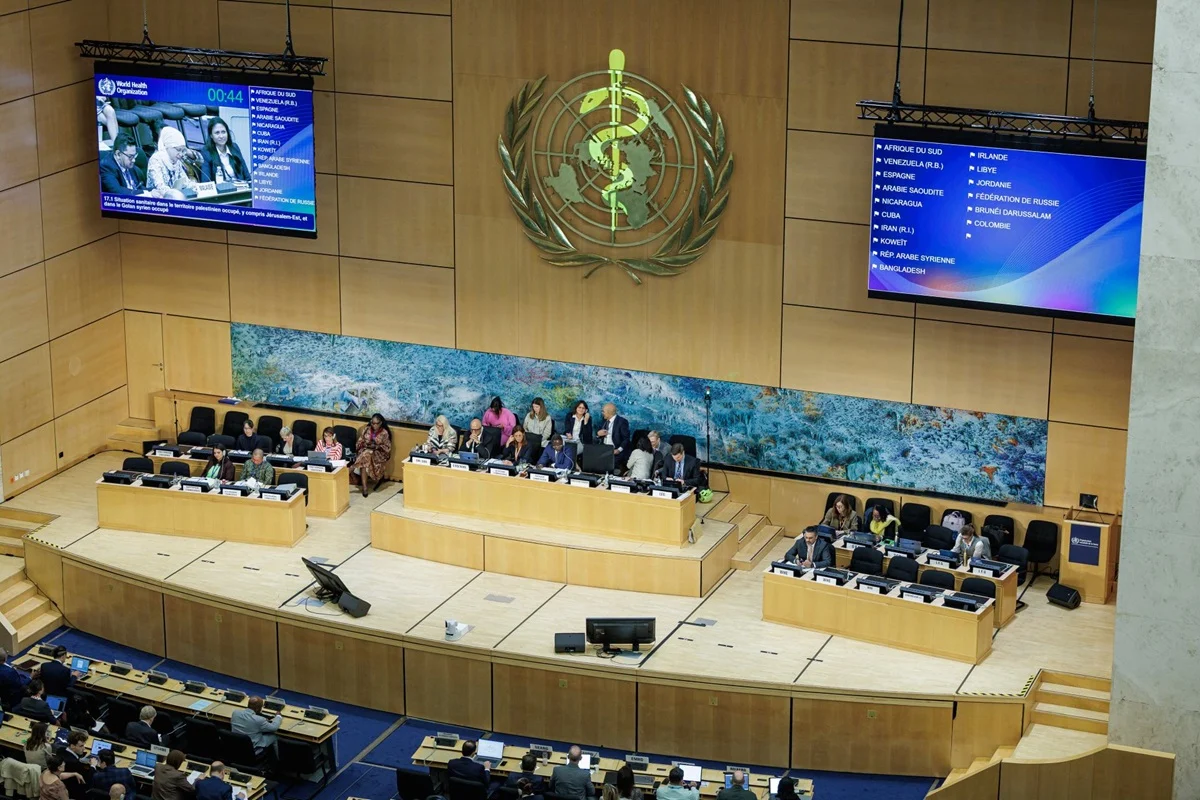
The World Health Assembly, the decision-making body of the World Health Organization (WHO), has reached a pivotal consensus on the future of global lung health by endorsing a formal request for a post-2030 tuberculosis (TB) strategy. This decision, reached during the most recent sessions in Geneva, mandates the Director-General to collaborate with Member States and diverse stakeholders to draft a comprehensive framework to be presented at the Eighty-first World Health Assembly in 2028. This move signifies a proactive shift in the global health architecture, acknowledging that while the current "End TB Strategy" has made significant strides, the evolving landscape of infectious diseases requires a modernized, resilient approach that extends well into the next decade. The new strategy is intended to serve as a roadmap for the global response, integrating cutting-edge scientific advancements, such as new vaccine candidates and rapid molecular diagnostics, with contemporary epidemiological data. By aligning the TB response with the broader agendas of primary health care (PHC), universal health coverage (UHC), and global health security, the WHO aims to ensure that TB services are not siloed but are instead foundational components of robust national health systems.
The Evolution of the Global Tuberculosis Response and the 2030 Horizon
The impetus for a post-2030 strategy stems from a complex mixture of unprecedented success and lingering systemic failures. According to the latest reports discussed by the Assembly, the global effort to combat TB has been one of the most effective public health interventions of the 21st century. Between 2000 and 2024, the expansion of TB treatment and diagnostic services saved an estimated 83 million lives. This figure underscores the efficacy of standardized treatment regimens and the DOTS (Directly Observed Treatment, Short-course) strategy. Furthermore, 2024 represented a significant milestone as the first year to show a post-pandemic decline in TB incidence, coupled with the highest levels of access to essential TB services ever recorded. These gains suggest that the recovery from the COVID-19 pandemic, which severely disrupted TB detection and treatment pipelines, is finally gaining momentum.
However, the Assembly’s report also delivered a sobering reality check: TB remains a leading infectious killer globally, often rivaling or exceeding COVID-19 and HIV/AIDS in annual mortality rates in various regions. Current projections indicate that the targets set under the original End TB Strategy and the 2030 Agenda for Sustainable Development remain significantly off track. The reasons for this stagnation are multifaceted. Chronic underfunding continues to plague TB research and development, particularly in the realm of new antibiotics for multi-drug resistant TB (MDR-TB). Additionally, the global health landscape is currently marred by what experts call "polycrisis"—the overlapping impacts of pandemic-related disruptions, deepening economic inequality, protracted armed conflicts, and climate-related displacements. These factors create "hotspots" of vulnerability where TB can flourish unchecked, particularly among displaced populations and those living in extreme poverty without access to clean air or adequate nutrition.
Addressing the Silent Epidemic of Steatotic Liver Disease
In a significant expansion of the global noncommunicable disease (NCD) agenda, the Assembly officially recognized steatotic liver disease (SLD) as a major and escalating public health challenge. Previously known by terms such as non-alcoholic fatty liver disease (NAFLD), the rebranding to SLD reflects a more accurate medical understanding of the condition’s metabolic origins. The resolution passed by delegates highlights that SLD now affects an estimated 1.7 billion people—approximately one in four individuals globally. It is currently one of the fastest-growing causes of chronic liver disease, cirrhosis, and hepatocellular carcinoma (liver cancer).
The Assembly’s focus on SLD is a response to the global surge in metabolic syndromes. The condition is inextricably linked to the rising rates of obesity, type 2 diabetes, and cardiovascular diseases. However, the resolution also acknowledges the persistent burden of alcohol-associated liver disease, which often coexists with metabolic SLD. Without intervention, the progression from simple steatosis (fat accumulation) to fibrosis and eventually end-stage liver disease threatens to overwhelm health systems, particularly in middle-income countries where diagnostic infrastructure for liver health is often lacking.
The newly adopted resolution calls on Member States to take several decisive actions:
- Integration into NCD Frameworks: SLD must be incorporated into national strategies for the prevention and control of noncommunicable diseases, moving away from a siloed approach to liver health.
- Strengthening Primary Care: The resolution emphasizes the role of primary health care providers in early screening and the management of risk factors such as hypertension and dyslipidemia.
- Multisectoral Action: Governments are urged to address the commercial determinants of health, including the promotion of healthy diets and the reduction of physical inactivity and harmful alcohol consumption through policy and regulation.
- Focus on Youth: A specific emphasis was placed on protecting children and adolescents, as the early onset of SLD in younger populations can lead to decades of chronic illness and premature mortality.
Closing the Equity Gap in Bleeding Disorders
The Assembly also turned its attention to rare and inherited conditions, specifically haemophilia and other bleeding disorders. A new resolution recommits the global community to closing the "equity gap" that leaves millions of patients without life-saving care. Statistics presented to the delegates reveal a startling disparity: an estimated 70% of people living with haemophilia worldwide remain undiagnosed. In many low- and middle-income countries, a lack of laboratory capacity means that these conditions are often only identified after a catastrophic or fatal bleeding event.
Haemophilia and von Willebrand Disease impair the blood’s ability to clot, leading to prolonged internal bleeding that can cause permanent joint damage, severe pain, and death. The resolution represents a landmark for the rare disease community, providing formal recognition not only for haemophilia but also for rarer clotting factor deficiencies that have historically been overlooked in global health policy. Member States have now pledged to integrate the management of these disorders into national policies concerning NCDs and maternal health—the latter being critical as undiagnosed bleeding disorders are a significant contributor to postpartum hemorrhage.
Key commitments in the resolution include:
- Diagnostic Capacity: Strengthening national laboratories to provide accurate clotting factor assays.
- Essential Medicines: Encouraging the inclusion of modern therapies, such as factor concentrates and non-factor replacement therapies (e.g., monoclonal antibodies), on national Essential Medicines Lists to lower costs and improve procurement.
- Data Collection: Establishing national registries to track patient outcomes and improve the allocation of resources.
- Stigma Reduction: Promoting public awareness to ensure that individuals with bleeding disorders can lead full, productive lives without discrimination.
Rebuilding Trust: The Strategic Response to Health Misinformation
One of the most attended sessions of the Assembly was the Strategic Roundtable on health mis- and disinformation. This session reflected a growing consensus among global leaders that the "infodemic"—the overabundance of information, including false or misleading content—is no longer just a communication hurdle but a direct threat to public health security. Misinformation during the COVID-19 pandemic demonstrated how rapidly false narratives can undermine vaccine uptake, promote dangerous "cures," and erode trust in scientific institutions.
The roundtable brought together a diverse coalition, including government officials, youth advocates, and representatives from major technology platforms. Participants argued that the current information environment is "polluted," making it difficult for individuals to make informed decisions about their health. The discussion moved beyond the idea of "fact-checking" to a more holistic approach known as information integrity.
Leaders emphasized that health workers remain the most trusted voices in their communities and must be empowered with the tools to engage in empathetic, evidence-based communication. Furthermore, the WHO was urged to continue its role as a "normative anchor," providing credible, science-based guidance that can be easily adapted by local authorities. The roundtable concluded with a call for proactive engagement—building "information resilience" before a crisis hits—rather than merely reacting to falsehoods after they have spread.
Analysis of Global Implications and the Road to 2028
The decisions made at this World Health Assembly signal a strategic broadening of the WHO’s mandate. By addressing TB alongside NCDs like liver disease and rare genetic disorders, the organization is acknowledging the "double burden" of disease facing many nations. For instance, the intersection of TB and diabetes (a risk factor for SLD) creates a syndemic effect where one condition worsens the other, necessitating integrated clinical guidelines.
The timeline established for the post-2030 TB strategy is particularly strategic. By aiming for a 2028 submission, the WHO ensures that the new framework will be ready for the 2028 United Nations High-Level Meeting on TB. This alignment is designed to secure high-level political commitment and financing just as the current Sustainable Development Goal (SDG) era nears its conclusion.
From an economic perspective, the resolutions on SLD and bleeding disorders highlight the shift toward preventive care. Treating end-stage liver failure or the long-term complications of untreated haemophilia is vastly more expensive for states than early diagnosis and management. Thus, these resolutions are not merely medical guidelines but economic imperatives designed to ensure the long-term sustainability of national health budgets.
As the Assembly concludes, the focus shifts to implementation. The success of these resolutions will depend on the ability of Member States to translate high-level Geneva consensus into local action. This includes increasing domestic financing for health, training specialized workforces, and navigating the complex geopolitical landscape that often hinders the free flow of medical supplies and scientific data. The 2028 Assembly will serve as the first major check-in on whether this week’s promises have begun to transform the health outcomes of the billions of people these strategies are intended to protect.
