
The global pet food industry is experiencing a seismic shift, driven by an increasing consumer demand for sustainable and planet-friendly options. In response, Mars Petcare, a titan in the pet nutrition sector, has announced the third iteration of its Next Generation Pet Food Program. This initiative, dedicated to discovering and scaling breakthrough technologies in sustainable proteins and fats, will place an amplified focus on the burgeoning Asia-Pacific market. The program aims to accelerate the pet food industry’s transition towards a more environmentally conscious supply chain, acknowledging the growing environmental impact of pet food and the evolving consumer preferences in key global regions.
The current landscape for sustainable pet food solutions is more dynamic than ever. Companies specializing in cultivated meat and fermentation-derived proteins are attracting significant investment and actively launching innovative products designed for companion animals. Mars Petcare’s program directly addresses this trend, seeking to identify and foster innovations that can significantly reduce the carbon footprint associated with pet food production. This latest edition underscores a strategic pivot towards Asia-Pacific, a region witnessing a notable increase in pet ownership, particularly among younger generations who are increasingly prioritizing sustainability in their purchasing decisions.
The Growing Environmental Footprint of Pet Food
The environmental implications of pet food consumption have come under increasing scrutiny. Recent studies have highlighted the substantial carbon footprint of pet diets, with some analyses suggesting that dogs fed premium, meat-heavy diets can have a larger dietary carbon footprint than their human owners. Research indicates that the production of ingredients for British dog food alone contributes approximately 1% of the country’s total greenhouse gas emissions. Extrapolating this to a global scale, the production of food types commonly fed to canines worldwide could generate emissions equivalent to over half of those produced by commercial jet fuel combustion annually.
A significant debate within the industry revolves around the use of animal byproducts. Some argue that utilizing these materials, such as bones, meat meal, or intestinal linings, reduces environmental impact by diverting them from landfill. However, counterarguments suggest that byproducts may carry a worse environmental burden. This perspective posits that obtaining byproducts requires a larger number of livestock carcasses to yield the same amount of usable ingredients compared to sourcing human-grade meat directly. Furthermore, recent research indicates that only about a quarter of animal byproducts produced in developed nations are allocated to the pet food industry, which competes with other sectors like livestock, energy, and pharmaceuticals for these resources. Consequently, the development of animal-free pet food is being identified as a highly effective measure to mitigate the climate impact of dogs and cats, even when considering the prevalence of byproducts in conventional pet food.
Mars Petcare’s Next Generation Program: A Focus on Innovation
The third edition of the Next Generation Pet Food Program is actively seeking startups with a diverse range of low-carbon solutions. Key areas of interest include:
- Wet Proteins: This category prioritizes high-moisture, nutritionally dense alternatives to traditional protein sources. Innovations in this area could involve novel plant-based proteins, insect-derived proteins, or advanced fermentation techniques to create sustainable protein ingredients with a lower environmental impact.
- Ultra-Low-Carbon Dry Proteins: The program is looking for innovatively sourced meals and concentrates that ensure minimal emissions throughout their lifecycle. This could encompass ingredients derived from novel agricultural practices, circular economy models, or advanced processing technologies that reduce energy consumption and waste.
- Fats and Oils: Sustainable lipids and essential oils derived from renewable processes are a critical focus. The goal is to find viable alternatives to traditional animal fats, which often have a significant environmental footprint. This includes exploring plant-based oils, algae-derived lipids, and other innovative sources that offer nutritional benefits with reduced ecological impact.
Elisabetta Pierangelo, VP of R&D at Mars Pet Nutrition, emphasized the company’s dedication to this initiative. "We are committed to exploring new technologies and scaling innovation that could lower the climate impact of pet food," Pierangelo stated. "Through previous cohorts, we’ve uncovered promising new solutions and seen transformative technological developments. This program is a crucial step in our journey towards a more sustainable future for pet nutrition."
The Asia-Pacific Nexus: A Growing Market and Shifting Demographics
The heightened focus on the Asia-Pacific region is a strategic response to evolving consumer trends and market dynamics. The pet food innovation program, co-run by food tech investor Big Idea Ventures, is collaborating with leading industry partners including food technology specialist Bühler, flavor house Givaudan, plant-based fat producer AAK, and ingredient giant Ingredion. This collaboration aims to bridge the gap between groundbreaking startup innovations and the corporations capable of scaling them to market.
Andrew D. Ive, founder and managing partner of Big Idea Ventures, highlighted the program’s objective: "We are connecting high-quality startups with the corporations that can actually support these innovations to market, particularly across alternative proteins, fats, and novel ingredients. The priority now is not just discovery, but accelerating adoption and creating a more efficient path to commercial reality."
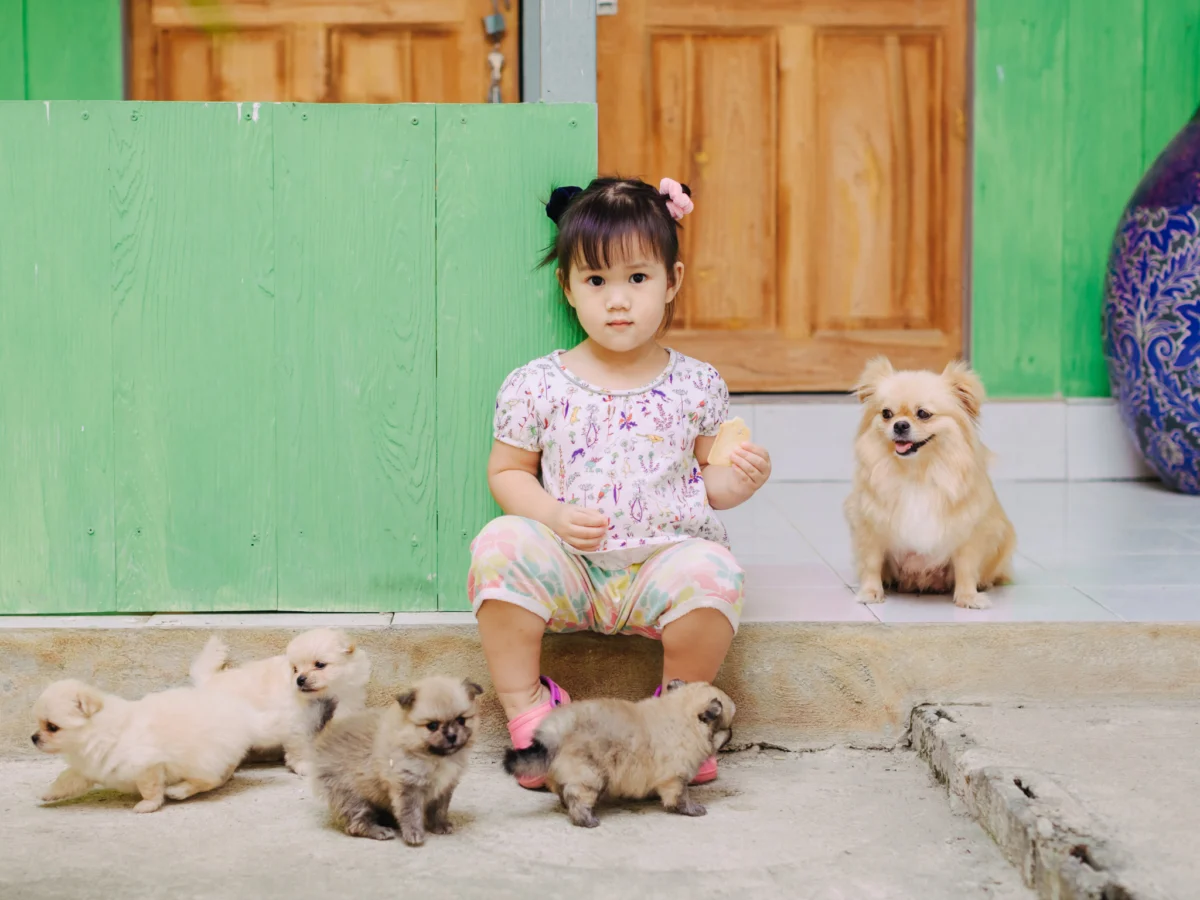
While applications are open globally, organizers have expressed a "strong preference" for startups based in the Asia-Pacific region, specifically mentioning countries like Thailand, India, Malaysia, Vietnam, Australia, and New Zealand. This preference is rooted in a significant demographic shift: declining birth rates across much of Asia are leading younger generations to increasingly opt for pet companionship over starting families. This trend, often referred to as "pet parenting" or "fur babies," is driving a surge in pet ownership throughout the continent.
The phenomenon is particularly pronounced in East Asia. In Japan, for instance, cats and dogs now outnumber children under the age of 15. This demographic reversal, a stark contrast to mid-20th-century norms, is attributed to factors such as busy lifestyles, career pressures, and record-low fertility rates. Taiwan has also reported more pets than children under 15. South Korea’s birth rate is the lowest globally, with a 60% decline in births since its peak in the 1970s, while pet-owning households have nearly doubled since the early 2010s, now comprising close to a third of all households.
This trend extends beyond East Asia. Analysts predict that China’s pet population will nearly double its population of children under four by 2030. In Australia, dogs are already surpassing children in number in some suburban areas. This growing pet population, coupled with the rising trend of "pet humanization," means Asian owners are increasingly seeking the same high-quality, clean-label, and climate-friendly options for their pets that they demand for themselves. The Asia-Pacific region is already the second-largest market for alternative proteins globally, with sales reaching $9.2 billion last year, indicating a strong consumer appetite for sustainable food choices that can be readily translated to the pet food sector.
Consumer Demand for Sustainability in Pet Food
Research further supports the growing importance of sustainability in the Asia-Pacific pet food market. Studies indicate that sustainability ranks among the top eight factors influencing pet food purchasing decisions in the region, particularly among younger, environmentally conscious consumers. In key markets like India and Indonesia, sustainability is now a top-five consideration for pet food buyers. This growing consumer awareness creates a significant opportunity for innovative, sustainable pet food solutions.
"With Asia playing an increasingly important role, this is about building a global system that consistently delivers better, more sustainable ingredients at scale," stated Ive. The program’s focus on connecting startups with established corporations is designed to facilitate the rapid commercialization of these sustainable solutions, meeting the demands of a rapidly expanding and increasingly eco-conscious pet owner base. The initiative represents a significant step towards a future where pet nutrition aligns with planetary health, driven by both corporate responsibility and evolving consumer values.
Broader Implications and Future Outlook
The amplified focus on the Asia-Pacific region by Mars Petcare’s Next Generation Pet Food Program signals a broader trend in the global food industry: the recognition of emerging markets as crucial drivers of innovation and consumption. The program’s success could not only lead to the development of more sustainable pet food options but also establish a blueprint for other food conglomerates looking to tap into the unique demands and demographics of the Asia-Pacific market.
The program’s emphasis on alternative proteins, fats, and novel ingredients aligns with the global shift towards a circular economy and reduced reliance on traditional animal agriculture. By fostering collaboration between startups and established players, Mars Petcare is aiming to de-risk innovation and accelerate the adoption of these new technologies. This approach is vital for addressing the complex challenges of food security and environmental sustainability simultaneously.
The implications extend beyond the pet food sector. The innovations nurtured through this program could potentially have spillover effects into the human food industry, particularly in the alternative protein space. As consumer preferences for plant-based, cultivated, and fermentation-derived foods grow, the technologies developed for pet food may find broader applications, further accelerating the transition to more sustainable food systems worldwide. The timeline for this transition remains fluid, but initiatives like Mars Petcare’s program are actively working to shorten it, aiming for tangible impact within the next 3-5 years as promising startups move from development to commercial scale. The success of this program will be a key indicator of the industry’s collective ability to address its environmental footprint while catering to the evolving needs of a global pet-loving population.
