
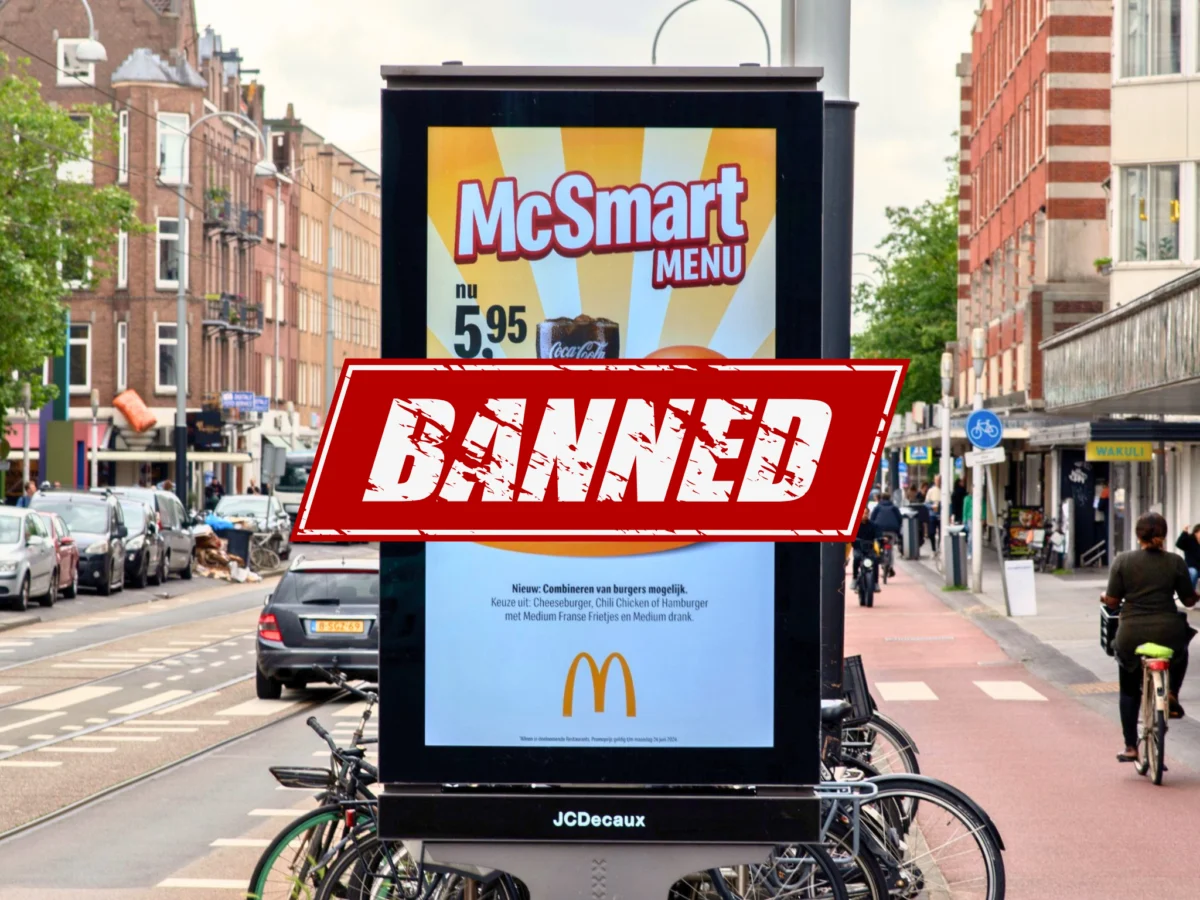
Amsterdam has become the world’s first capital city to ban advertisements promoting meat or fossil fuels, in light of the city’s targets to increase plant-based consumption and lower emissions. Billboards and metro stations in Amsterdam will no longer feature ads plugging burgers, bitterballen, gas-powered cars, tropical getaways, and other carbon-intensive offerings. The Dutch capital’s ban on meat and fossil fuel ads came into effect on May 1, as part of the city’s efforts to encourage plant-rich diets and greener mobility to lower its climate impact. Passed by the city council in January, the law makes Amsterdam the first capital city in the world to prohibit ads for fossil fuel products and meat in public spaces. Amsterdam has a goal to reach net-zero emissions by 2050, and increase the share of plant-based protein consumed by residents from 40% to 60% by the end of the decade.
A Landmark Decision for Climate Action
The groundbreaking legislation, aimed at "stop advertising that contributes to the climate crisis," was initially proposed in April 2024 by the GreenLeft and the Party for the Animals. It secured approval from Amsterdam’s city council earlier this year through a 27-17 vote. This pioneering law explicitly prohibits advertisements for beef, pork, chicken, and fish, acknowledging the significant climate impact of the livestock industry. Furthermore, it extends to advertisements for airlines, cruises, petrol and diesel cars, and even trips to distant destinations, all of which are deemed to promote the burning of fossil fuels.
Anneke Veenhoff, a city councillor from the GreenLeft party, articulated the rationale behind the ban, stating, "If you spend lots of tax money and have lots of policies trying to manage climate change in Amsterdam, why would you rent out your public walls to exactly the opposite?" Her comments, reported by The New York Times, drew a parallel between emissions-intensive lifestyles and addictions. "If you’re trying to get rid of an addiction, it’s not very handy to see it everywhere," she added, emphasizing the psychological impact of ubiquitous advertising on consumption patterns.
The scientific consensus underscores the urgency of such measures. The fossil fuel and agricultural sectors are collectively responsible for the majority of human-caused greenhouse gas emissions. Livestock farming alone accounts for up to a fifth of global emissions, with a growing body of research identifying meat and dairy production as a leading driver of climate change. For instance, a comprehensive analysis published in 2020 highlighted that a global shift towards a plant-based diet could reduce food-related emissions by up to 73%.
Scope and Limitations of the Ban
Amsterdam’s new law is comprehensive in its application to city-owned properties and public spaces. This includes prominent advertising sites such as billboards, bus stops, train and tram stations, and all forms of public transport vehicles. However, the legislation does not extend to privately owned shops, newspapers, radio, or digital media platforms. This distinction raises pertinent questions about the law’s ultimate efficacy in a world increasingly dominated by digital consumption, where individuals often engage with their personal devices rather than their immediate physical surroundings while commuting. The question remains whether this meticulously crafted ban, while symbolically powerful, can sufficiently alter high-carbon consumption habits in the face of pervasive online advertising.
A Growing Global Trend Towards Advertising Restrictions
Amsterdam’s bold move is not an isolated incident but rather a significant development within a burgeoning global movement to restrict advertisements that promote environmentally damaging products. Even a city renowned for its progressive and liberal approach to consumption, like Amsterdam, has acknowledged the undeniable climate-harming realities of the fossil fuel and livestock industries.
The city council had previously passed a motion in 2020 to ban fossil fuel ads. However, that earlier resolution lacked legal enforceability and penalties, and its application was limited to new advertising contracts, failing to address the majority of existing advertisements in public spaces. The current legislation, enacted on May 1, 2026, rectifies these shortcomings by equipping the city with enforcement powers and a more detailed framework for prohibited advertisements across all public spaces. While 2026 is largely considered a grace period for implementation, potential fines are a deterrent for future violations.

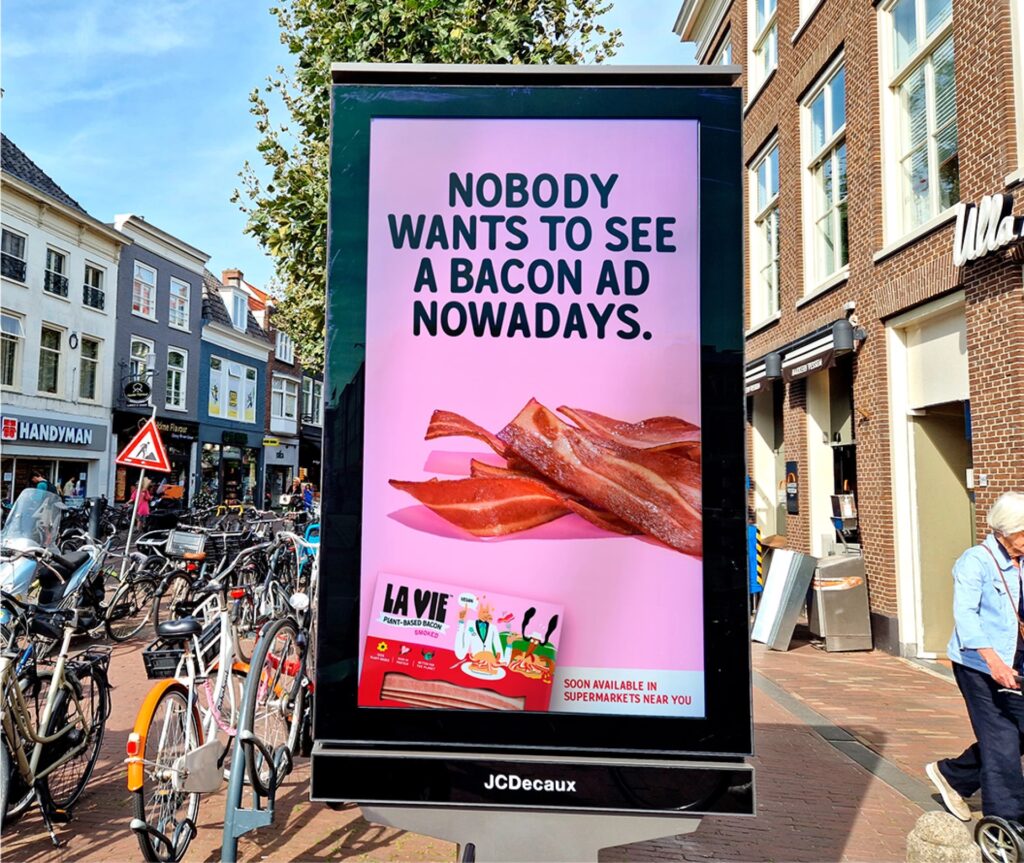
Predictably, the ban has faced opposition. Associations representing meat and fossil fuel producers, alongside advertising giants like JCDecaux, have voiced concerns. JCDecaux, for instance, argued that the revenue generated from these advertisements is crucial for maintaining public infrastructure. Conversely, advertising agencies such as KesselsKramer, Publicis, and Wieden+Kennedy have lauded Amsterdam’s initiative, recognizing its potential to foster a more sustainable advertising landscape.
This legislative action echoes the call made by UN Secretary-General António Guterres in 2024, who urged countries and media companies to cease fossil fuel advertising. Guterres was unequivocal in his criticism, stating, "Many in the fossil fuel industry have shamelessly greenwashed, even as they have sought to delay climate action – with lobbying, legal threats, and massive ad campaigns." He further decried the role of advertising and public relations firms, drawing a parallel to the cultural impact of television series like "Mad Men," which he suggested fueled the "madness" of promoting unsustainable practices. Guterres pointed out that many governments already restrict or prohibit advertising for products detrimental to human health, such as tobacco, and that a similar approach is now being adopted for fossil fuels.
The global momentum behind such bans is substantial. Over 50 cities worldwide have declared their commitment to restricting fossil fuel advertising. Within the Netherlands alone, 12 municipalities, including prominent cities like The Hague, Utrecht, Delft, and Leiden, have already implemented similar prohibitions.
Haarlem holds the distinction of being the first city in the Netherlands to ban meat advertisements in 2022. Since then, seven other Dutch cities have initiated similar ban processes, with Amsterdam now becoming the third to formally implement such a measure. This legislative progress aligns with a discernible shift in Dutch dietary habits. Meat consumption in the Netherlands reached a record low in 2025, further supported by the nation’s updated dietary guidelines, which actively advise citizens to reduce their meat intake and prioritize plant-based proteins.
Broader Implications and Future Outlook
The implications of Amsterdam’s pioneering ban extend far beyond its city limits. It sets a powerful precedent for other municipalities and national governments grappling with the urgent need to address climate change. By actively removing promotional material for high-emission products from public view, Amsterdam is not only attempting to influence individual behavior but also signaling a broader societal commitment to sustainability.
The ban’s effectiveness will be closely monitored, with particular attention paid to its impact on consumer choices and the broader advertising industry. The exclusion of digital media presents a significant challenge, as online advertising continues to grow in influence. However, the symbolic power of a capital city taking such a decisive stance cannot be underestimated. It can spur further dialogue, encourage innovation in sustainable marketing, and pressure other jurisdictions to follow suit.
The financial impact on advertising companies and industries reliant on these advertisements is also a key consideration. While some see it as a revenue loss, others view it as an opportunity to pivot towards more ethical and environmentally conscious advertising practices. The debate over the role of advertising in shaping consumer behavior and its responsibility in the face of the climate crisis is intensifying, and Amsterdam’s decision is a significant contribution to this ongoing global conversation.
The long-term success of the ban will likely depend on a multi-faceted approach, encompassing continued public education, support for sustainable alternatives, and potentially further legislative action to address the digital advertising landscape. As the world grapples with the existential threat of climate change, Amsterdam’s decisive action offers a compelling case study in how cities can leverage their regulatory powers to foster a more sustainable future. The move represents a tangible step towards aligning urban environments with climate goals, demonstrating that even in a globalized and interconnected world, local policy can drive significant change.
