
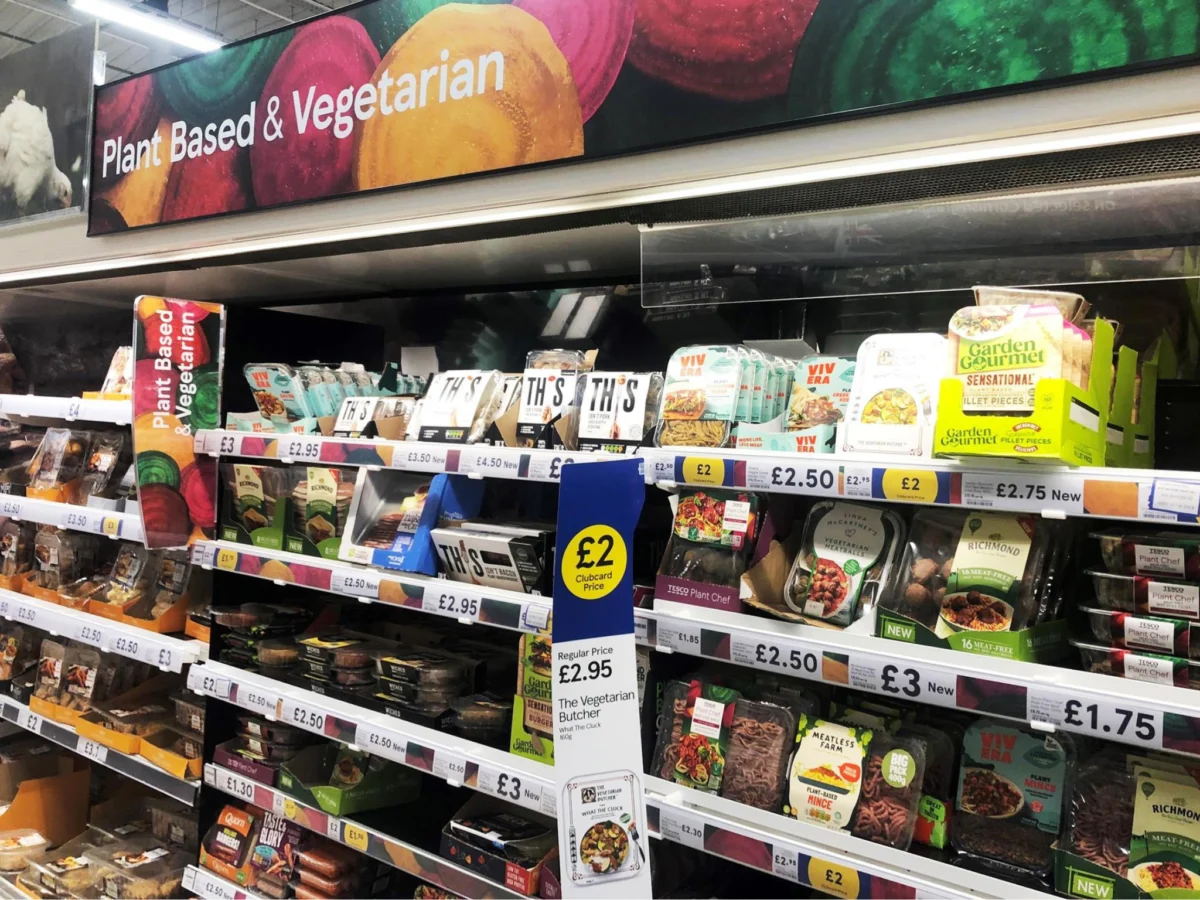
Tesco, the United Kingdom’s largest retailer, has officially retired its ambitious target to increase sales of meat alternatives by 300% by 2025, citing a wider market decline and evolving customer preferences. This strategic pivot, detailed in the company’s latest 2026 sustainability report, marks a significant recalibration of its plant-based strategy. While abandoning the specific sales growth metric, Tesco has reaffirmed its commitment to innovation within the plant-based sector and has placed a renewed emphasis on promoting whole-food plant-based options, such as beans and pulses, as more accessible and sustainable dietary choices.
The initial goal, set shortly after the onset of the COVID-19 pandemic, aimed to significantly boost the purchase of meat alternatives compared to 2018 baseline figures. While the initiative saw initial success, growth momentum faltered as the pandemic’s influence waned. By the 2024/25 fiscal year, sales of meat alternatives had only achieved a 94% increase over the initial baseline, falling considerably short of the ambitious 300% target. Last year, Tesco had already flagged that it was "not on track" to meet this objective, and the sustainability report confirms the formal abandonment of the goal, acknowledging that the company "did not fully deliver the impact" it had hoped for. The retailer attributes this shortfall to a combination of "market decline and changes to customer preferences."
However, Tesco is not exiting the plant-based market entirely. The report states, "While the market for meat alternatives hasn’t grown at the rate we expected, we know these products have a dedicated customer base and that significant innovation is taking place." The company plans to "continue to optimise our meat alternative ranges and innovate across this space to complement natural plant-based protein demand." This suggests a more nuanced approach, focusing on targeted innovation and meeting the needs of existing consumers rather than pursuing aggressive, overarching sales growth targets for processed meat substitutes.
A Shift Towards Whole Foods: The Rise of Beans and Pulses
The decision to dial back the focus on meat alternatives coincides with a broader trend observed across the UK grocery sector. According to Tesco’s report, "The wider plant-based market has seen year-on-year decline, with customers increasingly opting for familiar, affordable options and more veg-led meals." This has led to a slowdown in plant-based meat alternative sales, directly impacting Tesco’s ability to meet its previously stated target.
This situation stands in contrast to some competitors. For instance, discount retailer Lidl successfully surpassed its own target of boosting private-label plant-based meat and dairy sales by 400% from 2020 to 2025, reporting an impressive 694% increase instead. This highlights varying market dynamics and consumer responses across different retail segments.
Tesco CEO Ken Murphy articulated the company’s strategic shift, stating, "We are shifting from things that aren’t driving the impact we are aiming for, such as plant-based meat alternatives, towards those that are, like doing our part to remove the barriers customers face in accessing healthy, sustainable food." This statement underscores a move towards more fundamental aspects of sustainable and healthy eating.
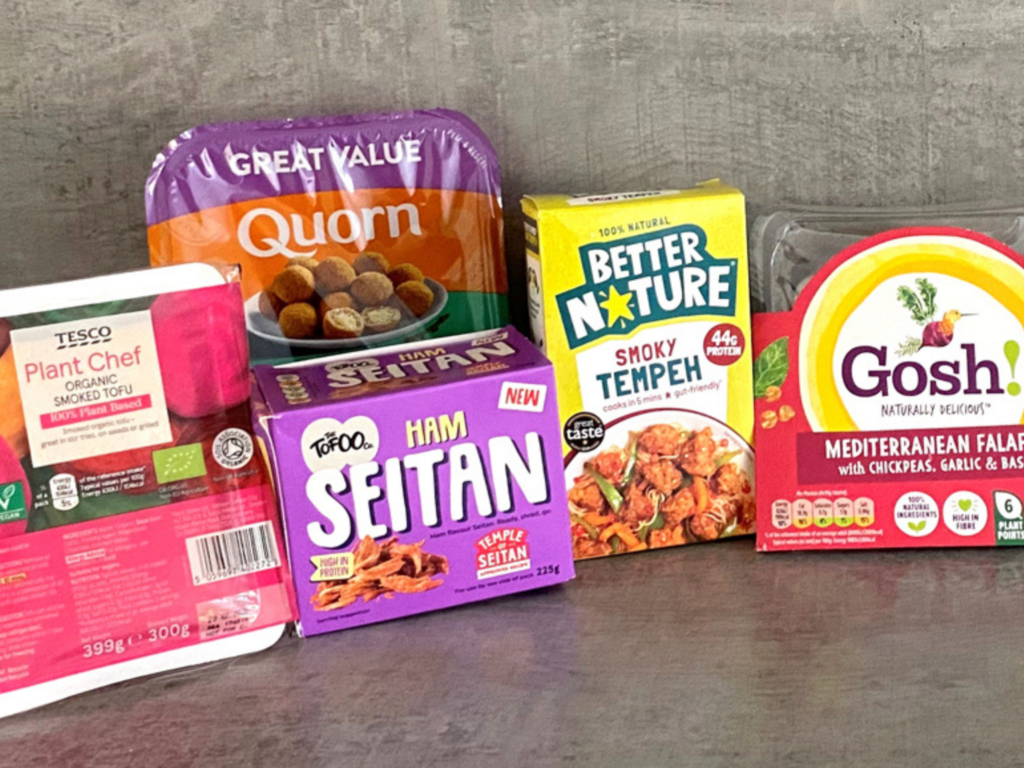
Recent data offers a glimpse into this evolving landscape. Nielsen analysis indicates that chilled plant-based food volume demand across UK supermarkets saw modest growth, rising by just under 1% in 2025, with a slightly higher increase of 1.7% in the final quarter. Within Tesco’s own sales data, vegan mince products experienced a notable sales hike of nearly 25% over the past year. More significantly, staple plant proteins such as tofu, tempeh, and seitan saw a substantial 12% increase in sales.
Tesco is now championing whole-food plant-based options, particularly beans, pulses, and lentils. The retailer’s strategy aligns with consumer sentiment, citing research indicating that two in five Britons express a desire to incorporate more legumes and grains into their diets. The sustainability report emphasizes the nutritional and economic benefits of these foods: "Beans are high in fibre, one of your five-a-day, low in fat and an affordable source of plant-based protein, making them a brilliant wholefood and a great way to boost essential nutrients. We are really pleased to see increasing interest in beans from our customers."
Further insights from Tesco Clubcard data reveal a correlation between higher bean consumption and healthier shopping baskets. Shoppers who purchase a greater proportion of beans tend to buy more protein and fibre-rich items and ingredients that suggest a preference for home cooking. This data supports Tesco’s strategic emphasis on promoting these versatile and nutrient-dense ingredients. In response to this trend, Tesco is actively increasing the visibility and availability of beans across its stores, ensuring prominent placement in high-footfall areas and its convenience formats. The retailer also boasts over 700 bean-centric recipes on its website and has seen significant sales of products incorporating beans, with over 52 million units of new or improved bean-containing items sold.
Navigating the Price Landscape: Plant-Based Becomes More Affordable

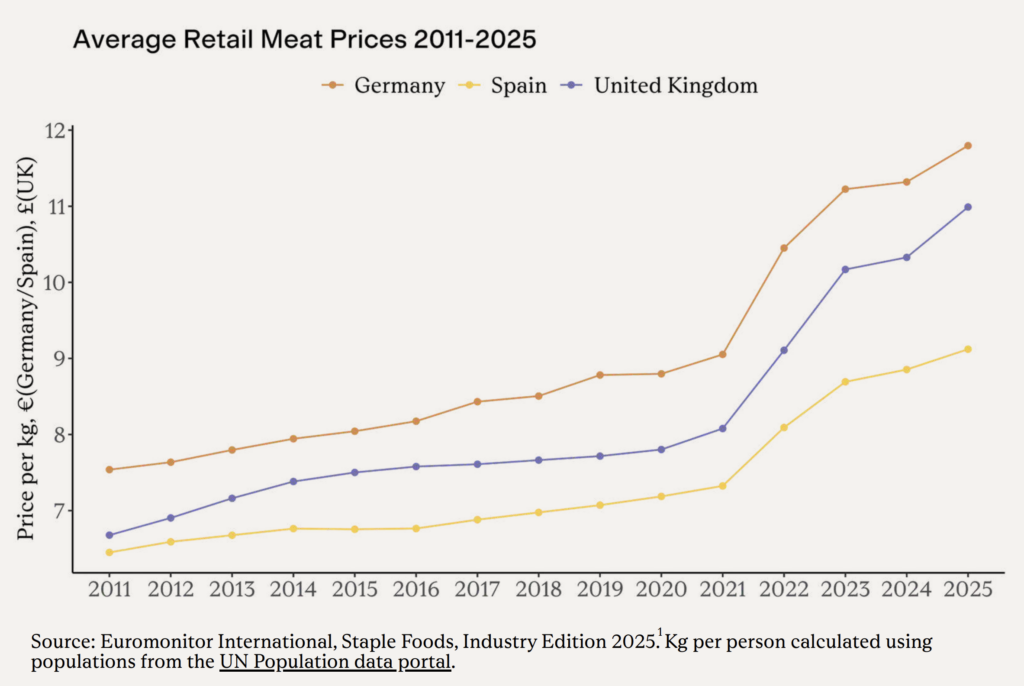
The broader economic context surrounding food prices also plays a crucial role in these dietary shifts. Since 2019, UK meat prices have surged by an average of 42%, a rate significantly higher than that of plant proteins. This inflationary pressure has been particularly acute for beef, which has seen a markup of 56%, attributed to factors including climate change impacts on livestock, declining herd numbers, and geopolitical instability. Even more budget-friendly meat options like pork are now considerably more expensive than dried pulses, with the price premium widening considerably since 2019.
This economic reality has contributed to a significant shift in the price parity between conventional meat and its plant-based alternatives. In 2019, plant-based meat products were approximately 40 pence more expensive than conventional processed meat. By 2025, this dynamic had reversed, with plant-based alternatives becoming, on average, 29 pence cheaper. Research conducted in 2025 at Tesco revealed that several plant-based alternatives had reached price parity with meat, and in some instances, were even more affordable. This trend was further substantiated by a report from the Good Food Institute Europe in the first quarter of 2026, which found that vegan mince and meatballs were 13% and 41% cheaper, respectively, than their conventional meat counterparts at Tesco. This price competitiveness is a critical factor in driving broader consumer adoption of plant-based options.
Commitment to Sustainable Diets and Broader Environmental Goals
Tesco’s commitment to fostering more sustainable diets is also reflected in its broader environmental initiatives. The retailer participates in the World Wide Fund for Nature’s (WWF) basket initiative, which aims to halve the climate footprint of the typical British shopping trolley. Tesco’s reporting on the sales split between plant-based and animal proteins is a key metric for tracking progress towards this goal.
While the share of meat and seafood sales derived from plant-based products has seen a slight decrease from 12% in 2021/22 to 10% in the last year, it represents an increase from 9% in 2023/24. In the dairy category, vegan alternatives accounted for 5% of overall dairy sales in 2021/22, rising to 7% in 2024/25, a figure that has been maintained.
The company remains steadfast in its support for plant-forward diets, stating, "We remain committed to supporting plant-forward diets and continue to develop products that help customers incorporate more vegetables and plant proteins into their meals." Tesco pledges to continue offering plant-based ranges at accessible price points and to provide "more personalised recipes to inspire cooking with these versatile ingredients."
Beyond consumer-facing initiatives, Tesco is also focused on its operational and supply chain emissions. The retailer reports a significant reduction in scope 1 and 2 emissions, down by 68% over the past decade, and a 24% decrease in food waste from its operations. However, the vast majority of its climate footprint, 99%, stems from its supply chain (scope 3 emissions), with agriculture accounting for a substantial 38% of this. Tesco acknowledges this challenge, stating, "We are currently focused on where we have the greatest influence in our supply chain to deliver impactful projects in line with our strategic commitments." This indicates a long-term strategy that prioritizes addressing emissions at their source within its extensive supply network, which includes a significant focus on agricultural practices and sustainable sourcing. The retailer’s revised strategy, by emphasizing whole foods and accessible plant-based options, aligns with both consumer trends and its overarching sustainability objectives, signaling a pragmatic evolution in its approach to promoting healthier and more environmentally conscious eating habits.
