
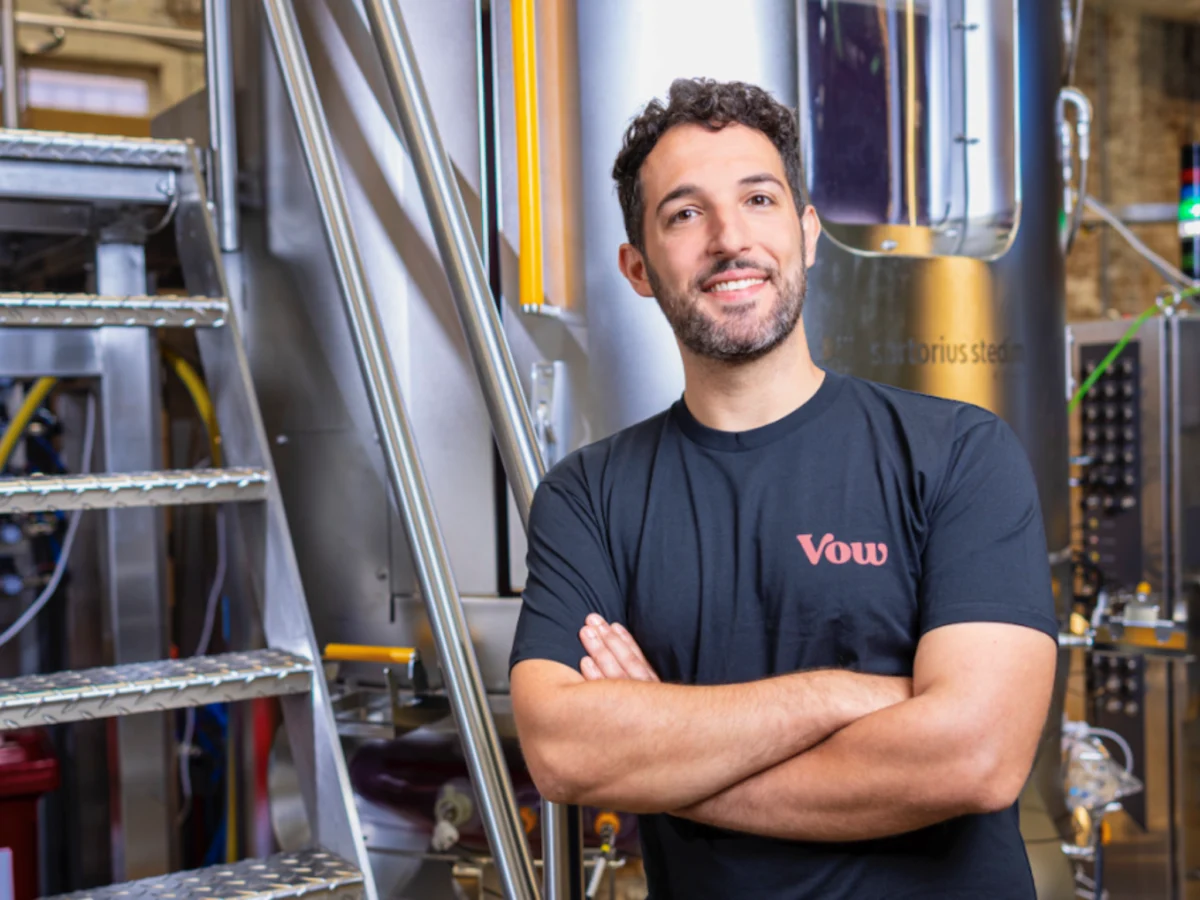
Australian food technology innovator Vow has announced a significant leadership transition, appointing Alex Andrews as its new Chief Executive Officer. This strategic move sees co-founder George Peppou transition to an executive director role, signaling a new chapter for the company as it diversifies its applications of cellular agriculture technology and undergoes a restructuring that includes job reductions. The shake-up comes at a time when Vow has demonstrated considerable production breakthroughs, opening doors for its proprietary cell-culture technology in markets beyond traditional food.
Vow, a pioneer in the cultivated meat sector, has been at the forefront of developing and commercializing lab-grown proteins since its inception in 2019. The company garnered international attention for its audacious creation of a mammoth meatball in 2023, a move designed to spark mainstream dialogue about the future of food. This innovative approach, coupled with a focus on premium taste experiences, has underpinned Vow’s growth, enabling it to secure $55 million in funding to date.
The leadership change marks a pivotal moment for Vow, occurring approximately one year after the successful rollout of its cultured quail in restaurants across Australia. The appointment of Alex Andrews, who joined Vow as Chief of Staff in January, to the CEO position was reportedly spearheaded by Peppou himself. Peppou expressed his confidence in Andrews, stating that he "asked her to step into the CEO role to grow multiple new verticals." This suggests a deliberate strategy to leverage Andrews’ expertise in expanding Vow’s operational scope.
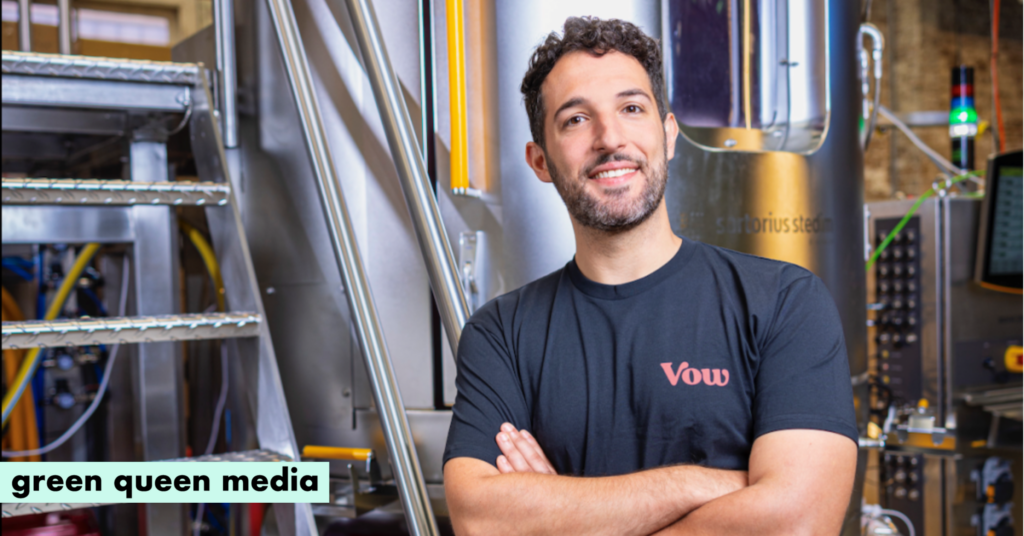
This leadership reshuffling is accompanied by workforce adjustments. Vow confirmed that several staff members were laid off in May. These cuts follow a previous reduction of 25 jobs approximately 18 months prior, which was attributed to the protracted pace of regulatory approvals in various international markets. The recent layoffs are understood to have primarily impacted Vow’s food development team, a clear indicator of the company’s strategic pivot towards applications beyond its initial cultivated meat focus. While Vow will continue to produce and sell cultivated proteins, its operational model is evolving from in-house food production to strategic partnerships with other companies for the creation of finished food products.
The genesis of this broader strategic vision lies in Vow’s significant advancements in cell cultivation technology. The company has achieved substantial cost reductions and scaling efficiencies in its production processes. Last year, Vow reported extending its cell cultivation capacity to 35,000 liters within its second factory, a facility it claims was 20 to 50 times more cost-effective to build than those of its competitors. Vow operates what it states is the largest food-grade cell culture bioreactor globally, with a capacity of 20,000 liters. This infrastructure supported what the company has described as the largest cultivated meat harvest in history, yielding 538 kilograms. Projections indicated a ramp-up to 900 kg per harvest by the end of 2025, scaling to 10,800 kg monthly, with potential to exceed 20,000 kg per month by fully utilizing its factory capacity.
George Peppou elaborated on this production breakthrough in comments to Forbes Australia, stating, "Last year, Vow had a massive breakthrough on production scale and economics – now by far world-leading in low-cost cell culture. As a result of this, we have lots of new opportunities outside of food. I and a small team have spun out to a new company focused on one of these." This revelation confirms that Peppou is spearheading a new, stealth startup that will leverage Vow’s core cellular agriculture technology for non-food applications. This strategic spin-off is a key driver behind the current restructuring and the company’s sharpened focus on expanding into new verticals.
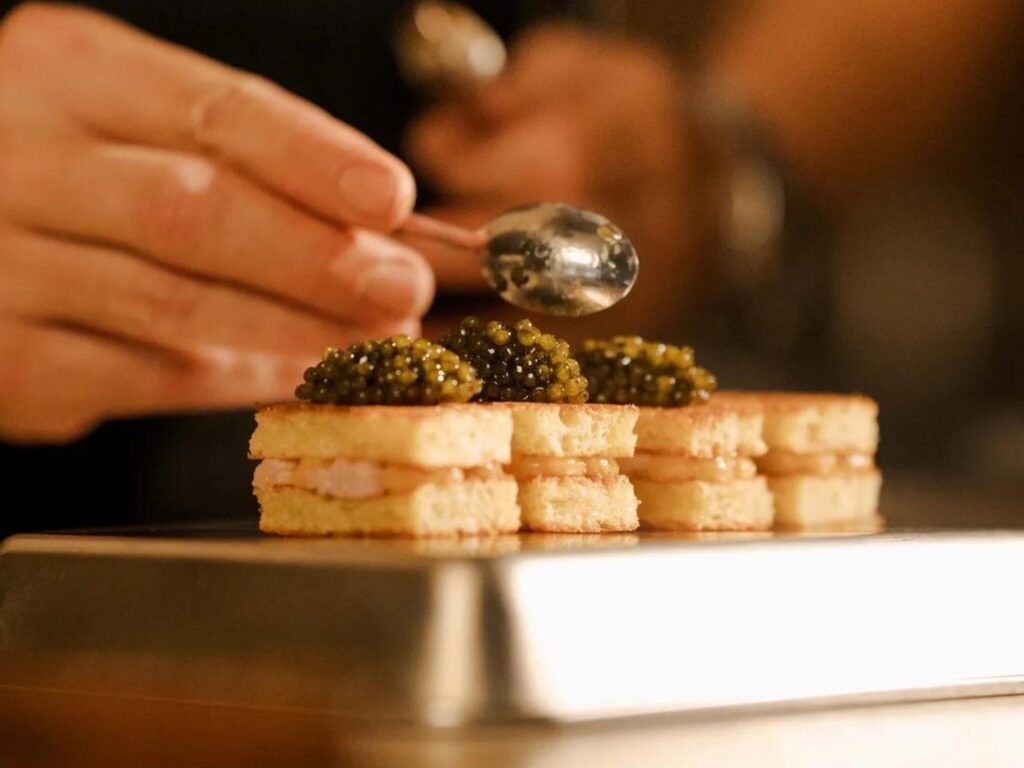
Vow’s journey in the cultivated meat space has been marked by significant regulatory milestones. In 2024, its cultured quail received regulatory approval in Singapore, where it was subsequently introduced into restaurants as part of sophisticated dishes like parfaits and foie gras. This was followed by approvals in Australia and New Zealand a year later, paving the way for its launch in both the foodservice sector and direct-to-consumer retail channels. These achievements underscore Vow’s ability to navigate complex regulatory landscapes, a critical factor for any company operating in the novel food technology sector.
The recent layoffs, particularly from the food development team, are intrinsically linked to Vow’s "multi-vertical focus." By shifting from in-house food manufacturing to a partnership model, Vow can redirect resources and strategic efforts towards exploring and developing applications for its cell culture technology in diverse industries. The exact nature of these new markets and the focus of Peppou’s spin-out company remain undisclosed. However, the broad applicability of cell culture technology suggests potential ventures into sectors such as cosmetics, advanced materials like leather alternatives, and various life science applications.
This strategic diversification is not unique to Vow. The broader cultivated meat industry is witnessing a trend of established players exploring adjacent markets to leverage their core technological competencies. For instance, Upside Foods, a leading U.S.-based cultivated meat company and a significant recipient of industry funding, has launched a dedicated division, Lucius Labs, targeting the life sciences sector. Lucius Labs aims to provide essential media formulations, buffers, and stem cell solutions to accelerate research and development for other companies, thereby contributing to cost reduction across the sector.
Similarly, Uncommon Bio, a UK-based firm, previously pivoted its business strategy. In a notable transaction last year, it sold its cultivated meat business to Vow and the now-defunct Meatable, redirecting its focus towards therapeutics. These instances highlight a growing recognition within the alt-protein and cellular agriculture space that the underlying technology holds immense potential beyond the immediate food market. The ability to produce specific cell types at scale offers a versatile platform for innovation across a range of industries facing challenges related to sustainability, resource efficiency, and novel product development.
The previous round of layoffs in 2025, which affected 30% of Vow’s staff across R&D, sales, and communications, was framed by Peppou at the time as a strategic move from a position of strength. The current restructuring, while involving job reductions, appears to be a proactive step to align the company’s resources and talent with its evolving, multi-vertical strategy. The transition of George Peppou to an executive director role suggests his continued involvement in steering the company’s long-term vision, particularly in exploring and nurturing new business avenues. Alex Andrews’ ascension to CEO signifies a commitment to operational leadership and execution as Vow embarks on this ambitious expansion.
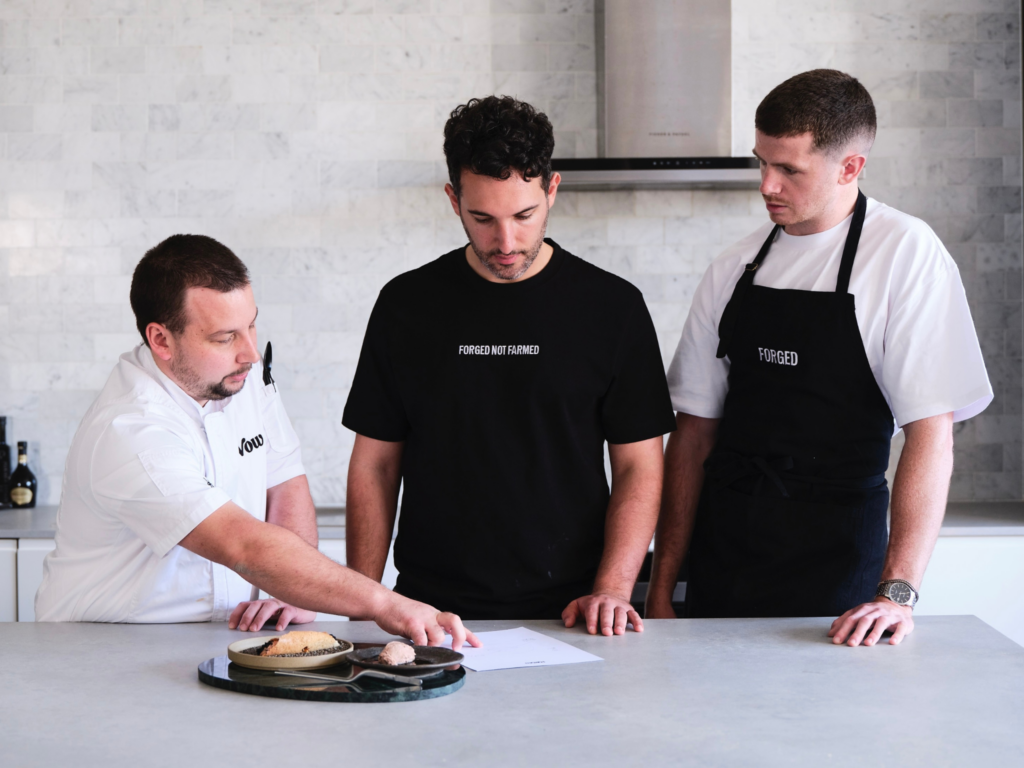
The implications of Vow’s strategic pivot are far-reaching. By demonstrating the economic viability and scalability of its cell culture technology, Vow is positioning itself not just as a food company, but as a foundational technology provider. This could lead to significant partnerships and collaborations across various sectors, potentially accelerating innovation and creating new market opportunities. The success of this multi-vertical approach will depend on Vow’s ability to translate its technological prowess into tangible, commercially viable products and services for diverse industries. The company’s future trajectory will be closely watched as it navigates this complex but potentially highly rewarding expansion beyond its cultivated meat origins. The industry is keenly observing how Vow’s strategic recalibration will shape its competitive landscape and contribute to the broader advancement of cellular agriculture.
