
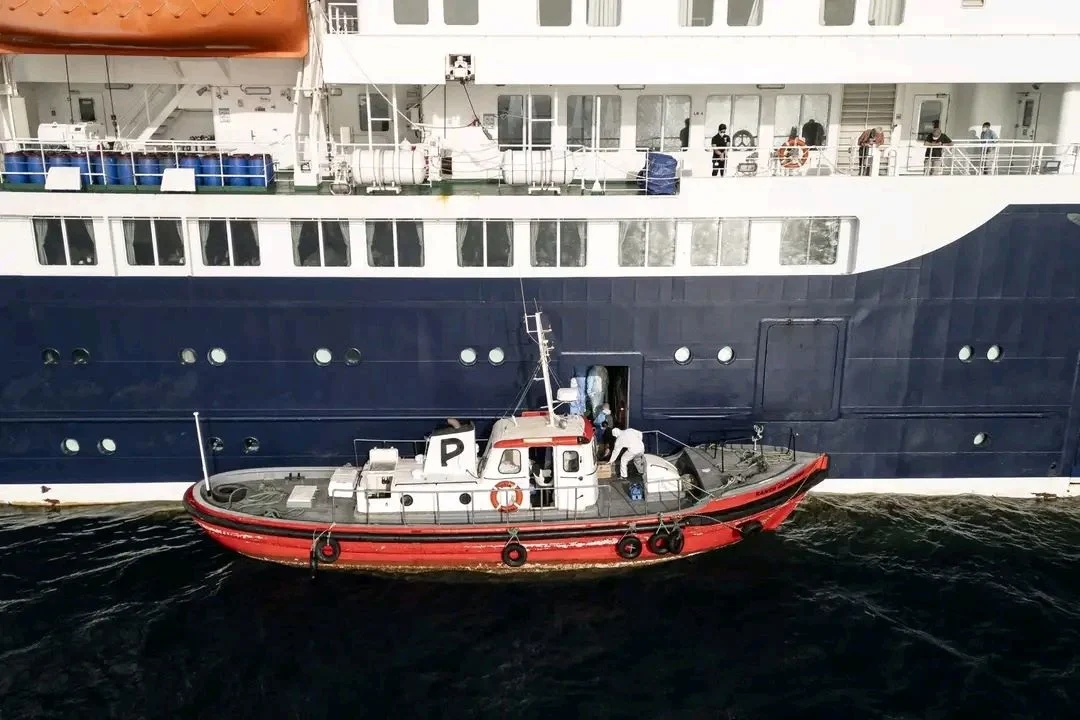
The World Health Organization (WHO) has officially categorized the public health risk to the residents of Tenerife as low following the decision to allow the MV Hondius, a vessel currently grappling with an outbreak of the Andes strain of hantavirus, to dock at the industrial port of Granadilla. Dr. Tedros Adhanom Ghebreyesus, the Director-General of the WHO, issued a rare direct address to the local community to provide transparency regarding the health protocols in place and to quell rising anxieties. The situation, which has resulted in the deaths of three individuals on board, has prompted a high-level international response involving the Spanish government, maritime authorities, and global health experts.
The MV Hondius, an expedition vessel carrying approximately 150 passengers and crew from 23 different nations, has been at sea for several weeks under strict observation. The confirmation of the Andes strain of hantavirus—a pathogen known for its high case-fatality rate and its unique potential for human-to-human transmission—initially sparked significant concern among local officials and the public in the Canary Islands. However, Dr. Tedros emphasized that the current status of the vessel, combined with the stringent containment measures planned for the disembarkation process, ensures that the surrounding population remains protected from exposure.
The Pathogen: Understanding the Andes Hantavirus Strain
To understand the gravity of the situation and the necessity of the precautions taken, it is essential to examine the specific nature of the Andes virus (ANDV). Hantaviruses are a family of viruses spread mainly by rodents and can cause varied disease syndromes in people worldwide. The Andes strain, primarily found in South America, is the causative agent of Hantavirus Pulmonary Syndrome (HPS), a severe and sometimes fatal respiratory disease.
Unlike other hantavirus strains found in North America or Europe, which are typically transmitted through the inhalation of aerosolized droppings or urine of infected rodents, the Andes strain is the only known hantavirus capable of person-to-person transmission. This biological characteristic necessitates the "sealed corridor" approach being implemented in Tenerife. Epidemiological data suggests that HPS can have a mortality rate as high as 35% to 40%, making rapid medical intervention and strict isolation protocols vital.
Despite the severity of the virus, the WHO has clarified that the risk to Tenerife is mitigated by the fact that there are currently no symptomatic passengers on board the MV Hondius. The incubation period for hantavirus typically ranges from one to eight weeks, and the passengers have already been under observation during their transit, providing a window for health officials to assess the stability of the outbreak.
Chronology of the MV Hondius Crisis
The crisis began several weeks ago during the vessel’s voyage, which originated in South American waters. The MV Hondius, operated by Oceanwide Expeditions and commanded by Captain Jan Dobrogowski, reported the first signs of illness among a small group of passengers shortly after departure.
- Initial Outbreak: Within the first two weeks at sea, several individuals presented with high fever, muscle aches, and progressive respiratory distress.
- Fatalities and Identification: Three passengers succumbed to the illness. Samples were analyzed under international biosafety protocols, confirming the presence of the Andes strain of hantavirus.
- Quarantine at Sea: Captain Dobrogowski immediately implemented isolation measures on board. The vessel entered a period of maritime quarantine while the WHO and the International Maritime Organization (IMO) sought a suitable port for medical intervention and repatriation.
- Diplomatic Negotiations: Under the framework of the International Health Regulations (IHR), the WHO engaged with the Spanish government. Prime Minister Pedro Sánchez agreed to receive the vessel, citing humanitarian obligations and the medical infrastructure available in Tenerife.
- Preparation of Granadilla: The port of Granadilla was selected over the more central port of Santa Cruz due to its industrial nature and distance from high-density residential and tourist areas.
The Granadilla Protocol: A Multi-Layered Containment Strategy
The repatriation of the nearly 150 individuals on board will follow what health officials call a "step-by-step" plan designed to eliminate any contact between the passengers and the local population. The logistics of the operation are centered on the industrial port of Granadilla, which provides the necessary space and isolation required for such a high-stakes health maneuver.
Upon arrival, passengers will not be permitted to walk freely or enter public terminals. Instead, they will be ferried ashore and immediately placed into sealed, guarded vehicles. These vehicles will travel through a completely cordoned-off corridor, bypassing any areas where the public might be present. From the port, the individuals will be transported directly to the airport for immediate repatriation to their 23 respective home countries via chartered flights.
A WHO expert is already stationed on the MV Hondius to monitor the health of the passengers in real-time, and a full suite of medical supplies has been positioned at the port to handle any emergencies that might arise during the transfer. The Spanish authorities have coordinated with the Civil Guard and local health departments to ensure the perimeter of the operation remains secure.
International Health Regulations and Spain’s Moral Duty
The decision to dock the MV Hondius in Tenerife was not a matter of convenience but a requirement under the International Health Regulations (2005). These regulations are a legally binding framework for 196 countries, including all WHO Member States. They require countries to develop the capacity to detect and respond to public health risks and to provide assistance to vessels in distress when they possess the necessary medical infrastructure.
Dr. Tedros praised Prime Minister Sánchez for upholding these international standards, describing the move as an "act of solidarity." According to the WHO’s assessment, Tenerife was identified as the nearest port with the sufficient medical capacity and logistical infrastructure to manage the situation safely. The IHR mandates that the safety and dignity of those on board must be maintained, especially when a vessel is carrying grieving families and frightened passengers who have been isolated at sea for an extended period.
Addressing the "2020 Memory" and Public Anxiety
The arrival of a ship carrying a viral outbreak inevitably draws comparisons to the early days of the COVID-19 pandemic in 2020. Dr. Tedros acknowledged these fears directly, noting that the trauma of the previous pandemic remains fresh in the minds of the Tenerife community. However, health experts have been quick to point out the fundamental differences between the two situations.
COVID-19 was a novel, highly contagious respiratory virus that spread rapidly through casual contact and asymptomatic transmission on a global scale. In contrast, the hantavirus outbreak on the MV Hondius is a contained event involving a known pathogen with a specific, manageable transmission profile. The use of a "sealed corridor" is a targeted intervention that was not possible during the early, more generalized spread of COVID-19. The WHO’s messaging emphasizes that while hantavirus is serious for those infected, it does not pose a threat of a community-wide pandemic in the way a highly transmissible coronavirus does.
High-Level Diplomacy: Tedros to Visit Tenerife
In a significant gesture of support, Dr. Tedros announced his intention to travel to Tenerife personally to observe the operation. This move is intended to demonstrate the WHO’s commitment to the safety of the local population and to show solidarity with the health workers and port staff executing the plan.
"Your humanity deserves to be witnessed, not just acknowledged from a distance," Tedros stated, referring to the island’s willingness to assist the international community during a time of crisis. The Director-General’s presence is expected to serve as a final layer of reassurance, signaling that the highest levels of global health leadership are overseeing the containment process.
Broader Implications for Global Health Solidarity
The MV Hondius incident serves as a critical case study in how the international community manages localized outbreaks in a globalized world. The collaboration between the ship’s captain, the operating company, the WHO, and the Spanish government is being highlighted as a model for future maritime health crises.
Captain Jan Dobrogowski and the crew of the MV Hondius have received commendations for their transparency and cooperation with international health authorities. By reporting the cases early and adhering to isolation protocols, they prevented a much larger tragedy from unfolding on the vessel.
As the ship nears its destination, the focus remains on the seamless execution of the repatriation plan. The successful management of this event will likely reinforce the importance of the International Health Regulations and the necessity of maintaining robust medical infrastructure in strategic locations like the Canary Islands.
Final Assessment and Current Status
As of the latest reports, the health status of the remaining passengers on the MV Hondius is stable. No new symptomatic cases have been reported in the last 48 hours, which is a positive indicator for the safety of the upcoming disembarkation. The "Granadilla Protocol" remains the primary defense against any potential transmission, and authorities in Tenerife have expressed confidence in the preparations.
The WHO continues to monitor the situation through its expert on board and remains in constant communication with Spanish health officials. For the people of Tenerife, the message from the global health community is one of gratitude and reassurance: the risks have been calculated, the corridors are sealed, and the global health framework is functioning exactly as intended to protect both the passengers on the ship and the residents on the shore.
