

Polycystic Ovary Syndrome (PCOS) remains the most prevalent endocrine disorder among women of reproductive age globally, yet a significant diagnostic gap continues to hinder timely medical intervention and long-term health management. Recent clinical data and patient surveys indicate that the journey to a formal diagnosis is often fraught with delays, frequently requiring upwards of two years and consultations with at least three different medical professionals before a conclusion is reached. This diagnostic inertia is particularly concerning given that PCOS affects an estimated 8% to 13% of reproductive-age women, many of whom remain undiagnosed despite presenting with hallmark symptoms such as irregular menstrual cycles, hyperandrogenism, and metabolic complications.
In response to these systemic challenges, the healthcare industry has seen a pivot toward accessible diagnostic tools, most notably the introduction of at-home hormonal screening kits. These developments aim to streamline the initial stages of the diagnostic process, offering patients a preliminary data set that can be used to facilitate more productive consultations with primary care physicians or reproductive endocrinologists.

The Clinical Complexity of PCOS Diagnosis
The primary obstacle in identifying PCOS lies in its heterogeneous nature. Unlike conditions that can be confirmed with a single definitive biomarker, PCOS is a syndrome—a collection of signs and symptoms that may manifest differently in every patient. To standardize the identification process, the medical community primarily adheres to the Rotterdam criteria, established during a 2003 consensus workshop. Under these guidelines, a diagnosis is confirmed if a patient meets at least two of the following three criteria:
- Olfactory or Anovulation: This is clinically observed through irregular menstrual cycles, defined as having fewer than eight periods per year or experiencing cycles that last longer than 35 days. In some cases, patients may experience amenorrhea, the total absence of menstruation for four months or longer.
- Hyperandrogenism: This involves elevated levels of "male" hormones, such as testosterone. It can be identified biochemically through blood tests or clinically through physical symptoms like hirsutism (excess hair growth on the face, chest, or back), severe acne, or androgenetic alopecia (thinning hair on the scalp).
- Polycystic Ovaries: Identified via transvaginal ultrasound, this criterion is met when ovaries are enlarged or contain 12 or more follicles (fluid-filled sacs) measuring 2–9 mm in diameter, often described as a "string of pearls" appearance.
The diagnostic process is further complicated by the necessity of a "diagnosis of exclusion." Doctors must rule out other conditions that mimic PCOS symptoms, such as thyroid dysfunction, congenital adrenal hyperplasia, Cushing’s syndrome, and hyperprolactinemia. This exhaustive requirement for differential diagnosis contributes significantly to the multi-year timeline many women face.
The Evolution of the Patient Journey: A Timeline of Delay
The traditional timeline for a PCOS diagnosis often begins in late adolescence or early adulthood, when symptoms first become prominent. However, the path to clinical confirmation is rarely linear.

- Initial Presentation (Months 1-6): Patients typically seek medical advice for irregular periods or dermatological issues like acne. In many instances, these symptoms are managed with oral contraceptives without a deeper investigation into the underlying hormonal cause.
- Symptom Persistence (Months 6-18): As symptoms persist or worsen—particularly if the patient ceases birth control to attempt conception—frustration grows. Patients may see multiple specialists, including dermatologists for hair issues and gynecologists for cycle irregularities.
- Diagnostic Hurdles (Months 18-24+): Research suggests that nearly 50% of women with PCOS see three or more doctors before receiving a diagnosis. This period is often characterized by a lack of cohesive information and a feeling of being dismissed by the healthcare system.
The psychological impact of this delay is profound. A 2017 study published by Gibson-Helm and Teede highlighted that the prolonged uncertainty associated with a delayed PCOS diagnosis is directly linked to increased levels of anxiety, depression, and dissatisfaction with healthcare providers.
Technological Advancements in At-Home Diagnostics
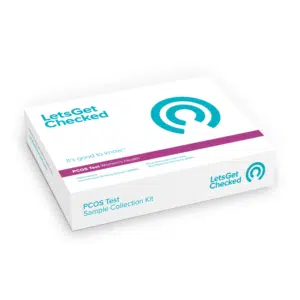
To bridge the gap between symptom onset and clinical diagnosis, companies like Let’s Get Checked have developed specialized home testing kits. These kits represent a shift toward "patient-led" diagnostics, allowing individuals to collect biological samples in a private setting and receive laboratory-grade results.
The PCOS Home Test utilizes a finger-prick blood collection method. Once the sample is mailed to a CLIA-certified and CAP-accredited laboratory, it is analyzed for a comprehensive panel of hormones. These typically include:

- Testosterone: To identify biochemical hyperandrogenism.
- Sex Hormone-Binding Globulin (SHBG): Which helps determine the "free androgen index."
- Luteinizing Hormone (LH) and Follicle-Stimulating Hormone (FSH): Often used to assess the LH/FSH ratio, which is frequently elevated in women with PCOS.
- Prolactin: To rule out pituitary issues that could cause irregular cycles.
- Anti-Mullerian Hormone (AMH): A marker of ovarian reserve that is often significantly higher in women with polycystic ovaries.
For accuracy, the timing of the test is critical. Clinical guidelines suggest that for women with regular cycles, samples should be collected on day 3, 4, or 5 of the menstrual cycle to capture baseline hormonal levels. For those with irregular cycles, testing is typically conducted over three consecutive days to account for hormonal fluctuations.
Analyzing the Shift to Remote Testing
Medical analysts suggest that the rise of home testing does not replace the need for physician-led care but rather acts as a catalyst for it. By arriving at a doctor’s office with a detailed hormonal report, patients can bypass the "wait and see" approach often adopted in primary care.
"At-home testing provides a baseline of evidence that empowers the patient," notes a fact-based analysis of the trend. "It transforms the consultation from a vague discussion of symptoms into a data-driven medical evaluation." Furthermore, these tests are processed in the same high-standard laboratories used by hospitals, ensuring that the data provided is clinically relevant and reliable for a probable diagnosis.
However, healthcare professionals emphasize that a home test is a "probable" indicator. A formal diagnosis still requires a physician to review the data alongside a physical exam and, in many cases, an ultrasound to confirm ovarian morphology.
Long-Term Health Implications and the Urgency of Early Detection
The importance of streamlining the PCOS diagnosis extends far beyond managing cosmetic symptoms or cycle regularity. PCOS is a systemic metabolic disorder with significant long-term health risks. Women with the condition are at a substantially higher risk for:
- Type 2 Diabetes: Over 50% of women with PCOS develop type 2 diabetes or pre-diabetes before the age of 40 due to insulin resistance.
- Cardiovascular Disease: Elevated androgen levels and insulin resistance contribute to high blood pressure and abnormal cholesterol levels, increasing the risk of heart attack and stroke.
- Endometrial Cancer: Infrequent ovulation leads to the continuous buildup of the uterine lining, which can increase the risk of endometrial hyperplasia and cancer.
- Non-Alcoholic Fatty Liver Disease (NAFLD): Emerging research links the hormonal imbalances of PCOS to lipid accumulation in the liver.
By reducing the diagnostic timeline from years to weeks, healthcare providers can initiate early interventions. These may include lifestyle modifications, metformin for insulin sensitizing, or specific fertility treatments like letrozole or clomiphene for those attempting to conceive.

Economic and Social Impact
The economic burden of PCOS on the healthcare system is substantial. A study published in the Journal of Clinical Endocrinology & Metabolism estimated the annual cost of evaluating and providing care to reproductive-aged women with PCOS in the United States to be approximately $4.36 billion. A significant portion of this cost is attributed to treating the long-term complications of the disorder, such as diabetes and infertility.
By utilizing more efficient diagnostic pathways, such as at-home screening and streamlined specialist referrals, the healthcare system could potentially save billions in the long-term management of chronic comorbidities. Socially, the empowerment of women through better access to their own health data fosters a more proactive approach to wellness, reducing the mental health burden associated with undiagnosed chronic conditions.
Conclusion: A New Standard for Women’s Health
The integration of at-home hormonal testing into the broader diagnostic framework for PCOS represents a significant advancement in women’s healthcare. While the traditional medical model has historically struggled with the two-year diagnostic lag, the availability of accessible, laboratory-grade testing offers a viable solution to expedite the process.

As more women utilize these tools to gain insight into their hormonal health, the pressure on the medical community to modernize its approach to PCOS continues to grow. The goal remains clear: to ensure that the most common hormonal disorder in women is no longer one of the most difficult to diagnose, thereby securing better health outcomes and a higher quality of life for millions of women worldwide.
