
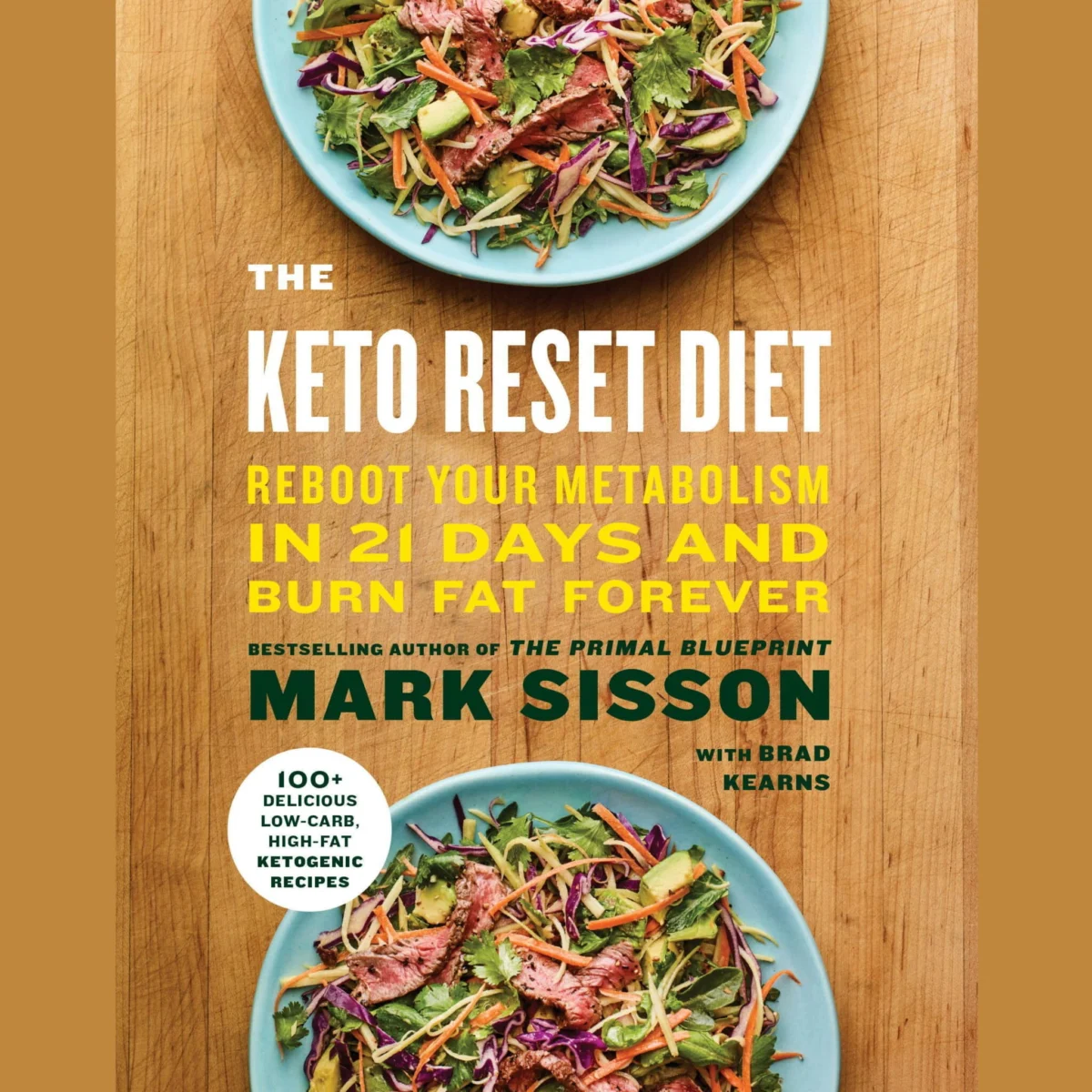
Polycystic Ovary Syndrome (PCOS) remains one of the most prevalent endocrine disorders among women of reproductive age, affecting approximately 8% to 13% of the global population. Characterized by hormonal imbalances, insulin resistance, and ovulatory dysfunction, the condition often necessitates multifaceted management strategies. Among the most discussed nutritional interventions in recent years is the ketogenic diet, a high-fat, moderate-protein, and very-low-carbohydrate regimen designed to shift the body’s primary metabolic fuel source from glucose to ketones. While originally developed in the 1920s to treat pediatric epilepsy, the diet has gained significant traction in clinical research as a potential therapeutic tool for metabolic and reproductive health in women with PCOS.
The Biochemical Mechanism of Ketosis in PCOS Management
The primary objective of a ketogenic diet is to induce a state of nutritional ketosis. Under standard dietary conditions, the human body relies on glucose derived from carbohydrates for energy. When carbohydrate intake is restricted—typically to fewer than 50 grams per day—the body exhausts its glycogen stores and begins mobilizing adipose tissue (fat) to produce ketone bodies: acetoacetate, beta-hydroxybutyrate, and acetone.
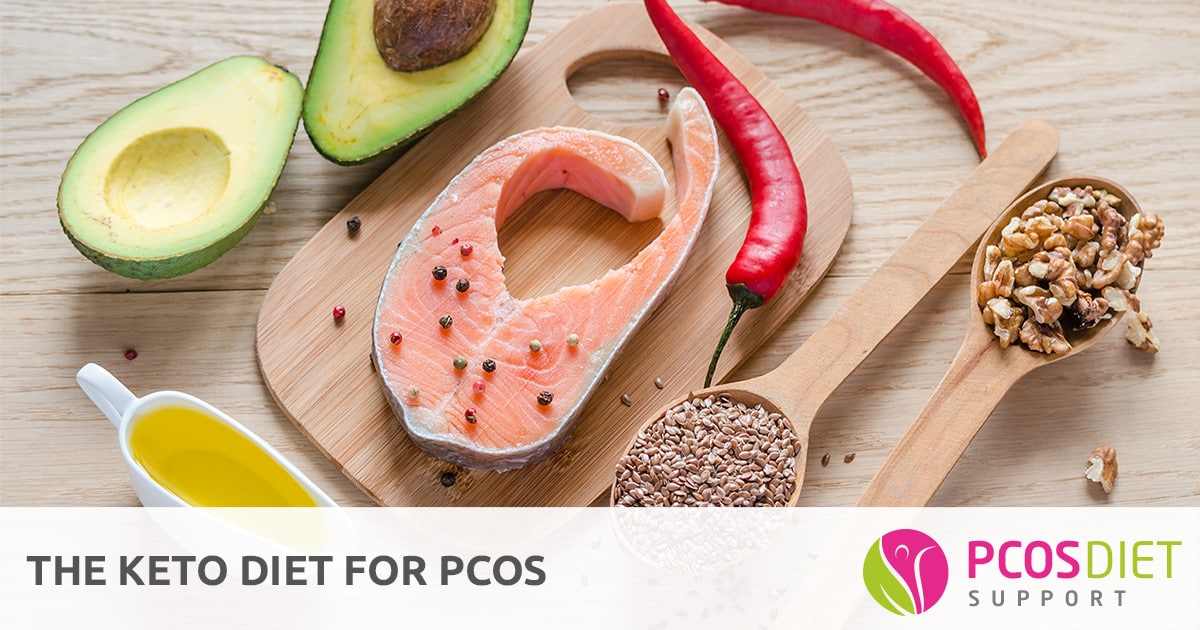
For women with PCOS, this metabolic shift is particularly significant due to the prevalence of hyperinsulinemia, or chronically elevated insulin levels. In many PCOS cases, the body’s cells become resistant to insulin, prompting the pancreas to produce even more of the hormone to maintain stable blood sugar levels. Elevated insulin acts as a co-gonadotropin, signaling the ovaries to produce excess androgens, such as testosterone. This hormonal cascade leads to common PCOS symptoms, including hirsutism (excess hair growth), cystic acne, and anovulation. By drastically reducing carbohydrate intake, the ketogenic diet lowers the demand for insulin, thereby potentially interrupting the feedback loop that drives androgen overproduction.
Historical Evolution and Clinical Timeline
The application of low-carbohydrate diets to PCOS has evolved over several decades, mirroring the broader understanding of insulin’s role in reproductive health.
- Early 20th Century: The ketogenic diet is formalized at the Mayo Clinic for epilepsy treatment.
- 1970s–1990s: The Atkins Diet popularizes low-carb eating, though it is largely viewed as a weight-loss fad rather than a clinical intervention for endocrine disorders.
- Early 2000s: Researchers begin identifying the link between insulin resistance and PCOS. A pivotal 2005 pilot study published in Nutrition & Metabolism examined the effects of a ketogenic diet on women with PCOS over six months. The participants showed significant reductions in body weight, free testosterone, and fasting insulin levels.
- 2010s–Present: Larger clinical trials and meta-analyses have begun to validate these early findings, though medical consensus remains cautious regarding long-term sustainability and potential side effects.
Analysis of Clinical Benefits and Supporting Data
Recent data suggests that the ketogenic diet offers several measurable benefits for PCOS management, though these improvements are often contingent on strict adherence.

Hormonal Stabilization and Reproductive Health
Clinical observations indicate that nutritional ketosis can lead to a marked improvement in the LH/FSH ratio (luteinizing hormone to follicle-stimulating hormone). In women with PCOS, this ratio is often inverted, which prevents regular ovulation. A study involving women following a low-carbohydrate, high-fat (LCHF) protocol reported a 12% reduction in total body weight and a significant decrease in fasting insulin within 24 weeks. Furthermore, some participants who had previously struggled with infertility experienced spontaneous conception during the trial, suggesting a restoration of ovulatory function.
Metabolic and Cardiovascular Markers
Women with PCOS face a heightened risk of developing Type 2 diabetes and cardiovascular disease. The ketogenic diet has been shown to improve the lipid profile by increasing high-density lipoprotein (HDL) cholesterol—the "good" cholesterol—and reducing triglycerides. Additionally, the diet’s impact on blood glucose stability helps lower HbA1c levels, a key marker for long-term blood sugar management.
Dermatological Improvements
Hyperandrogenism often manifests as severe acne and hidradenitis suppurativa. By lowering insulin levels, the ketogenic diet increases the production of Insulin-like Growth Factor Binding Protein-1 (IGFBP-1). This protein binds to IGF-1, reducing its bioavailability in the skin and subsequently decreasing sebum production and inflammation, which are the primary drivers of PCOS-related acne.

Appetite Regulation and Satiety
One of the most significant challenges in PCOS management is the prevalence of "carb cravings," often driven by insulin spikes and crashes. Research indicates that ketones have a direct suppressive effect on ghrelin, the body’s primary hunger hormone. Furthermore, the high fat and protein content of the diet slows gastric emptying, leading to prolonged satiety and a natural reduction in caloric intake without the psychological stress of restrictive portion control.
Potential Risks and Physiological Contraindications
Despite the documented benefits, the ketogenic diet is not a universal solution and carries specific risks that must be monitored by healthcare professionals.
The "Keto Flu" and Micronutrient Deficiencies
During the initial transition into ketosis, many individuals report symptoms known as the "keto flu," including headaches, fatigue, nausea, and irritability. These symptoms are primarily caused by the rapid excretion of water and electrolytes (sodium, magnesium, and potassium) as insulin levels drop. Without careful supplementation and hydration, this can lead to dehydration and muscle cramping.

Impact on Thyroid Function
A critical concern for women with PCOS is the high comorbidity rate with thyroid disorders, such as Hashimoto’s thyroiditis. The conversion of the thyroid hormone T4 (thyroxine) into its active form, T3 (triiodothyronine), requires a certain level of insulin and glucose. Extreme carbohydrate restriction can lead to a downregulation of T3 levels, potentially slowing the basal metabolic rate and exacerbating symptoms of hypothyroidism, such as hair loss and cold intolerance.
Gastrointestinal Distress
The reduction in grain and fruit consumption often leads to a significant decrease in dietary fiber intake. This can result in chronic constipation and alterations to the gut microbiome. Clinical experts recommend the heavy inclusion of non-starchy vegetables, such as leafy greens, broccoli, and cauliflower, to mitigate these effects.
Comparative Analysis: Keto vs. Moderate Carbohydrate Intake
While the ketogenic diet (typically 20–50g of carbs per day) shows rapid results, many practitioners argue for a more moderate approach. A "Low Glycemic Load" diet, which limits carbohydrates to approximately 100g per day and focuses on whole, unprocessed foods, may offer similar metabolic benefits with higher long-term sustainability.

Data suggests that for many women, the "plateau" in weight loss or symptom management on a standard diet can be broken by a short-term ketogenic "reset" lasting three to six months. Following this period, a gradual reintroduction of complex carbohydrates can help maintain the metabolic gains while supporting thyroid health and lifestyle flexibility.
Professional Guidance and Implementation Strategies
Medical professionals emphasize that any significant dietary shift for PCOS should be supervised, particularly for those taking medications like Metformin or Spironolactone. Implementation typically follows a structured progression:
- The Transition Phase: A 21-day "reset" period where processed sugars and grains are eliminated, and the body begins to adapt to higher fat intake.
- The Ketogenic Phase: Strict adherence to macronutrient ratios (70-75% fat, 20% protein, 5-10% carbohydrates) to maintain nutritional ketosis.
- The Maintenance Phase: A transition to a "Cyclical Keto" or "Low-Carb" lifestyle that allows for greater variety while maintaining insulin sensitivity.
Experts also caution against the inclusion of high amounts of dairy in a ketogenic plan for PCOS. Some studies suggest that dairy can stimulate IGF-1 and insulin, potentially counteracting the benefits of the diet for certain individuals. Substitution with plant-based fats, such as avocado, olive oil, and nuts, is often recommended.
Broader Implications for Public Health and Future Research
The growing body of evidence supporting the ketogenic diet for PCOS highlights a shift in the medical community toward "food as medicine." As the global cost of treating metabolic syndrome and infertility rises, low-carbohydrate interventions offer a cost-effective, non-pharmacological adjunct to traditional treatments.
However, the need for long-term, large-scale longitudinal studies remains. Most current research on keto and PCOS spans six months to one year. The impact of multi-year adherence on bone density, kidney function, and the microbiome is still being investigated. Furthermore, the psychological impact of restrictive dieting must be considered, as women with PCOS are at a higher risk for disordered eating patterns.
In conclusion, the ketogenic diet represents a powerful metabolic tool for addressing the root causes of PCOS—namely insulin resistance and hyperandrogenism. While the diet offers significant improvements in weight loss, hormonal balance, and skin health, its restrictive nature and potential impact on thyroid function require a cautious, individualized approach. For many, it serves as a therapeutic "intervention" rather than a permanent lifestyle, providing the metabolic momentum necessary to manage a lifelong condition effectively. Patients are encouraged to consult with endocrinologists and specialized dietitians to ensure the protocol is implemented safely and sustainably.
