
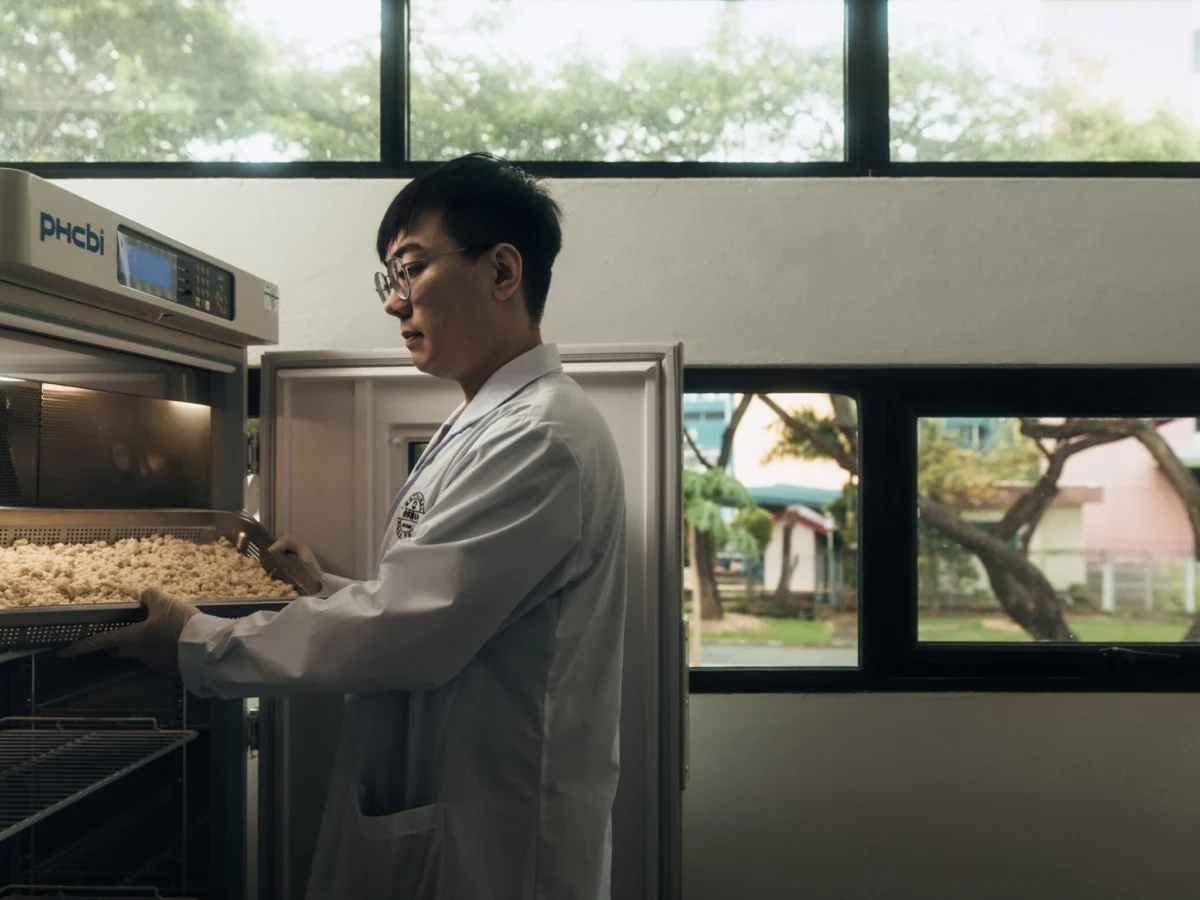
Singapore is making significant strides in its commitment to a circular economy with the National Environment Agency (NEA) awarding S$5.3 million (approximately US$4.1 million) to three innovative food waste upcycling projects. This substantial investment, channeled through the NEA’s "Closing the Resource Loop" funding initiative, underscores Singapore’s strategic approach to tackling its growing food waste challenge and bolstering its national self-sufficiency. The funding aims to transform food industry byproducts into high-value ingredients and materials, fostering a more sustainable and resource-efficient future for the island nation.
The "Closing the Resource Loop" initiative, launched to encourage research, innovation, and enterprise in waste management, has now collectively allocated S$53 million towards pioneering solutions. This latest round of funding, as first reported by The Straits Times, focuses on the critical need to valorize homogeneous food waste streams and develop robust methods for detecting contaminants in mixed food waste. Such advancements are crucial for effective segregation, which is paramount as Singapore anticipates a slight increase in overall food waste disposal between 2024 and 2025, highlighting the urgency of these waste reduction and valorization efforts.
Pioneering Upcycling: From Beer Byproducts to Sustainable Materials
The three selected projects represent a diverse range of innovative approaches to food waste upcycling, demonstrating the breadth of potential solutions available. Each initiative leverages cutting-edge technology and scientific research to convert what was once discarded into valuable resources.
Mottainai Food Tech: Transforming Brewers’ Spent Grain into Plant-Based Protein
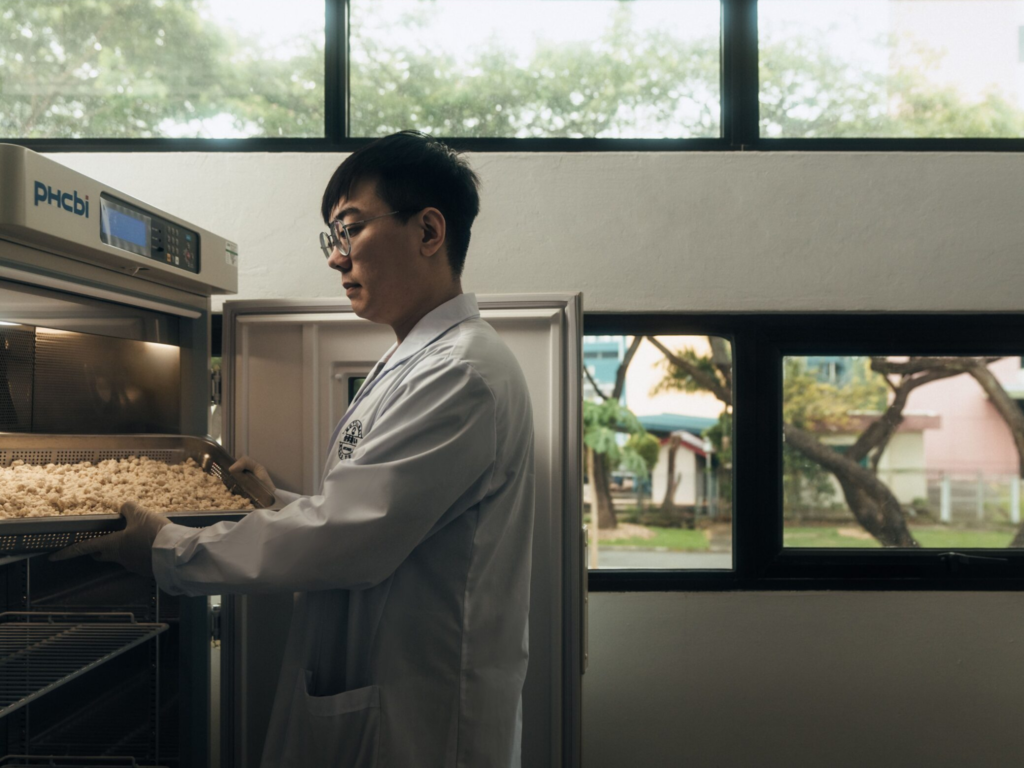
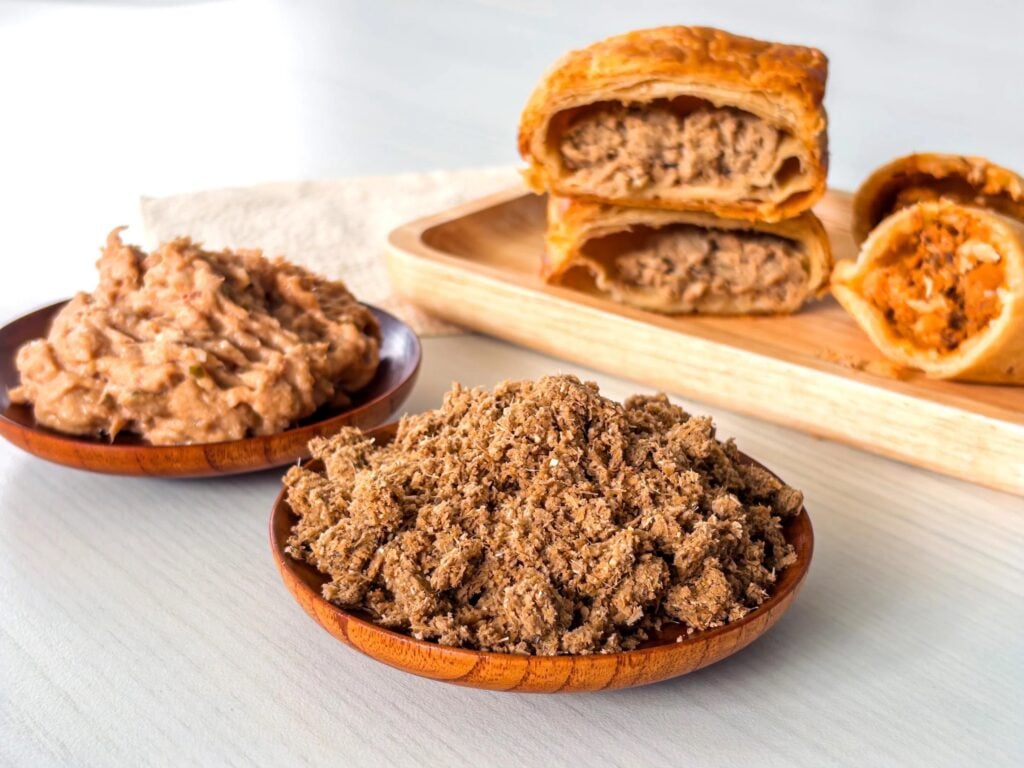
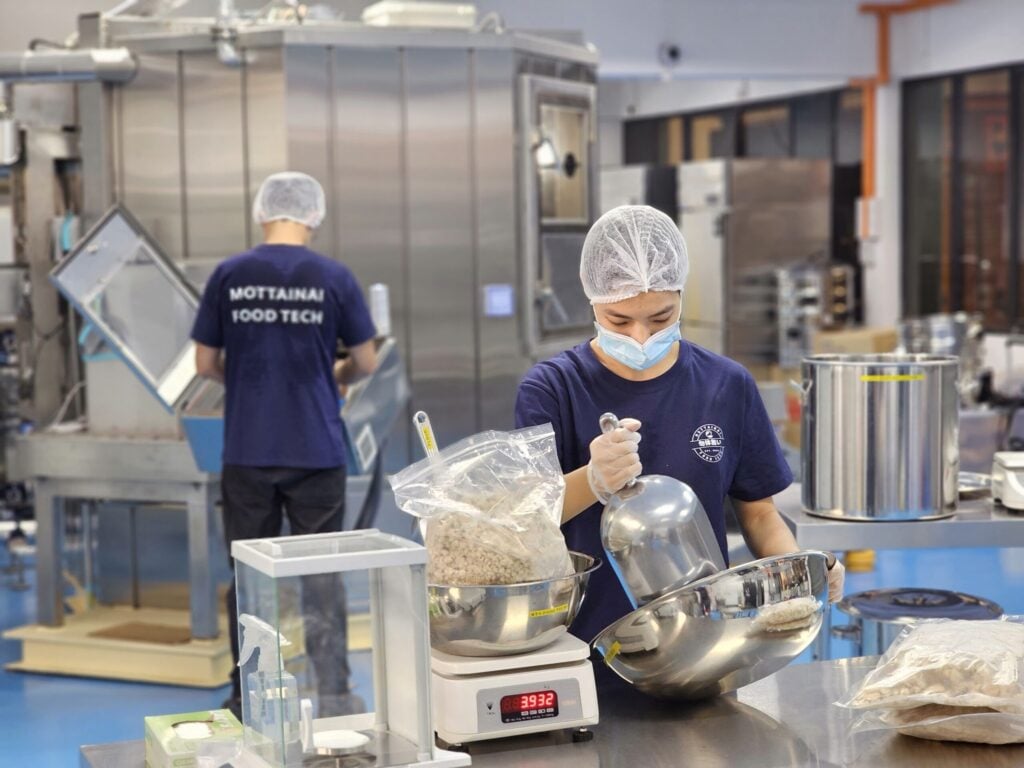
One of the key beneficiaries of the grant is Mottainai Food Tech, a startup dedicated to converting the byproducts of beer brewing into high-quality plant-based protein. Brewers’ spent grain (BSG), a fibrous residue generated in significant quantities – approximately 55 tonnes annually in Singapore – from breweries and other food manufacturers like Nestlé, is the primary focus of this project. Mottainai Food Tech employs advanced fermentation techniques to transform this abundant waste stream into palatable vegan tuna flakes.
This ambitious project is being undertaken in collaboration with academic and research institutions, including Nanyang Technological University’s Asian Centre for Health Behavioural Insights & Interventions and Singapore Polytechnic’s Food Innovation and Resource Centre. The startup aims to integrate its innovative tuna alternative into various food products, such as pastries, thereby creating new market opportunities for upcycled ingredients. This endeavor builds upon the company’s previous success with Jiro-Meat, a plant-based meat alternative derived from okara, the pulp remaining after soy milk production, further cementing their commitment to sustainable food innovation.
*ASTAR Institute of Materials Research and Engineering: Upcycling Coffee Grounds for Advanced Thermal Management**
Another significant award recipient is the A*STAR Institute of Materials Research and Engineering, recognized for its groundbreaking technology that transforms spent coffee grounds into Phase Change Materials (PCMs). These PCMs possess remarkable thermal regulation properties, making them ideal for applications within the cold chain industry, ensuring products are maintained at controlled temperatures during storage and transportation.
The project’s principal investigator, Zhu Qiang, articulated the dual objective of this research: "We saw an opportunity to address two challenges simultaneously: reducing waste sent for disposal and developing greener materials for the cold chain industry." The goal is to engineer PCMs derived from coffee grounds that exhibit heat storage capabilities comparable to conventional, petroleum-derived materials like paraffin wax. This innovation not only diverts a significant waste stream from landfills but also contributes to the development of more sustainable and environmentally friendly solutions for a critical sector. The increasing global demand for efficient cold chain logistics, especially for perishables and pharmaceuticals, makes this development particularly timely and impactful.
Ferm2Farm: A Multi-pronged Approach to Vegetable Waste Valorization
The third project, spearheaded by Ferm2Farm, focuses on upcycling byproducts from the vegetable processing industry. Their innovative approach aims to extract value from materials such as vegetable peels, transforming them into a range of useful products including food flavorings, protein-rich animal feed, and effective crop fertilizers.
Ferm2Farm’s methodology involves a sophisticated two-step process. The initial stage focuses on extracting valuable aroma compounds and essential oils from the waste materials. This is followed by a carefully controlled fermentation process that breaks down the remaining organic matter into distinct, high-value components. This comprehensive approach maximizes the recovery of usable resources from what would otherwise be considered waste, contributing to a more integrated and circular approach to food waste management. The potential applications for these derived products are vast, from enhancing the flavor profiles of processed foods to improving livestock nutrition and promoting sustainable agriculture through bio-fertilizers.
Singapore’s Ambitious Sustainability Agenda: The 2030 Green Plan
These food waste upcycling initiatives are not isolated efforts but are integral components of Singapore’s broader sustainability strategy, encapsulated within its ambitious 2030 Green Plan. A core objective of this plan is to reduce the amount of waste sent to landfills by a substantial 30% by the year 2030. Food waste currently constitutes a significant portion of Singapore’s total waste, accounting for 11% last year. In 2023, the nation disposed of 649,000 tonnes of food waste, a slight increase from 645,000 tonnes in the preceding year, underscoring the persistent nature of the challenge.
Beyond waste management, the upcycling of agrifood byproducts also directly supports Singapore’s food security objectives. Given that the island nation currently imports over 90% of its food supply, enhancing domestic production and resource utilization is a strategic imperative. While an earlier goal aimed to produce 30% of its food locally by 2030, this has been recalibrated to a more focused strategy of achieving 20% of its fiber needs and 30% of its protein needs domestically by 2035. Upcycling food waste plays a crucial role in this recalibrated strategy by creating value from existing resources and reducing reliance on external supply chains.
The "Closing the Resource Loop" initiative is a cornerstone of this paradigm shift, actively promoting the repurposing of waste materials to foster a truly circular economy. Its key performance indicators are ambitious: achieving a 70% overall recycling rate by 2030 (an increase from the current 52%), reducing waste sent to landfills by 20% by 2026 and 30% by 2030, and crucially, developing and commercializing climate-friendly solutions that businesses can readily adopt.
A Hub for Bio-based Innovation and Economic Growth
The success and potential of these upcycling projects are bolstered by Singapore’s robust ecosystem for innovation and its strategic position in regional markets. Christian Hermansen, leading the Ferm2Farm project, expressed optimism about Singapore’s capabilities: "Singapore is well-placed to take part, with strength in research, advanced manufacturing, and access to regional markets."
He further elaborated on the foundational work being undertaken: "We are building the capabilities, infrastructure, and industry partnerships that allow companies to develop and scale bio-based innovations here in Singapore." This statement highlights the government’s commitment not only to funding individual projects but also to cultivating an environment that nurtures the growth and commercialization of sustainable technologies. The focus on creating a supportive infrastructure and fostering strong industry collaborations is essential for translating research breakthroughs into tangible economic and environmental benefits.
The investment in these three food waste upcycling projects signifies a forward-thinking approach by Singapore, demonstrating a clear understanding that waste is not an endpoint but a valuable resource. By embracing innovation and fostering collaboration, the nation is actively paving the way for a more sustainable, resilient, and resource-efficient future, aligning with global efforts towards a circular economy and robust food security. The potential for these projects to scale up and inspire further innovation across the region is substantial, positioning Singapore as a leader in the burgeoning field of food waste valorization.
