
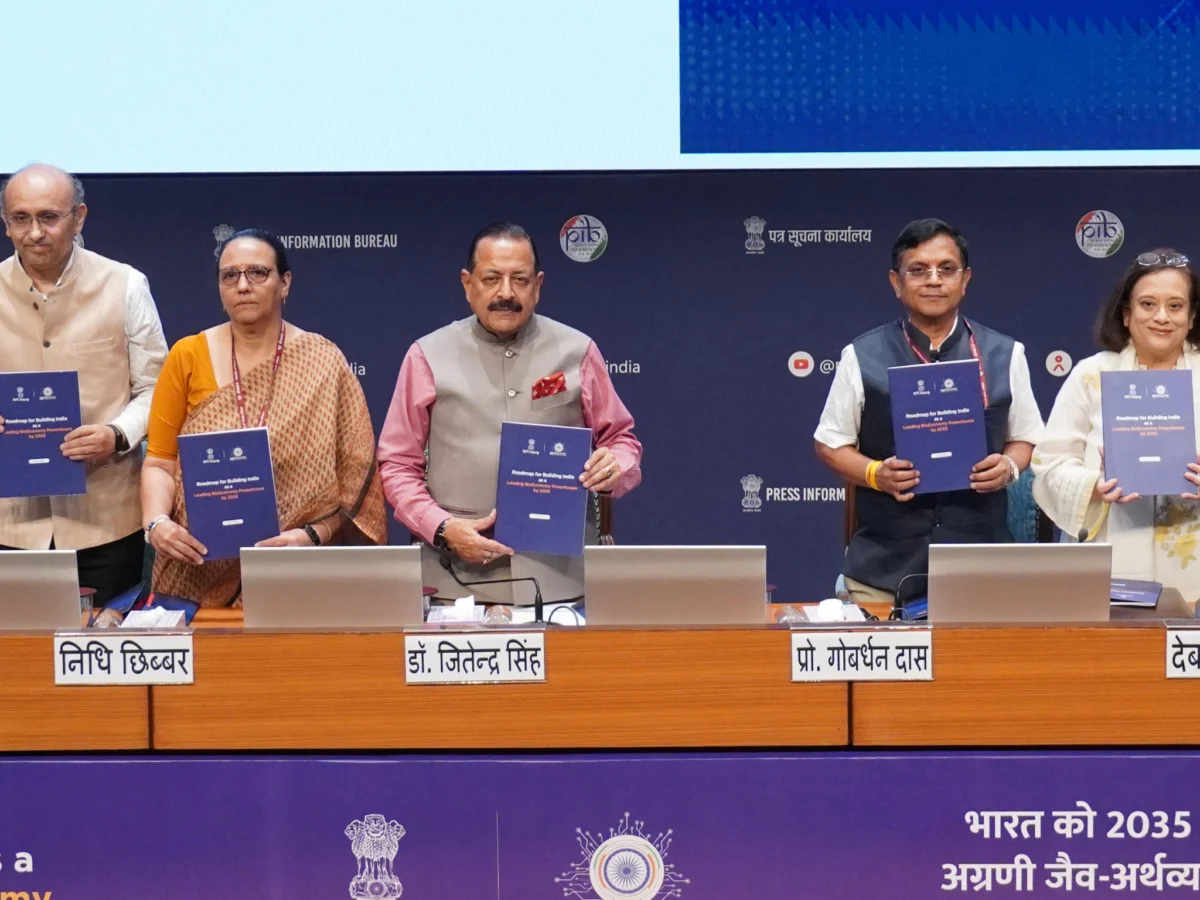
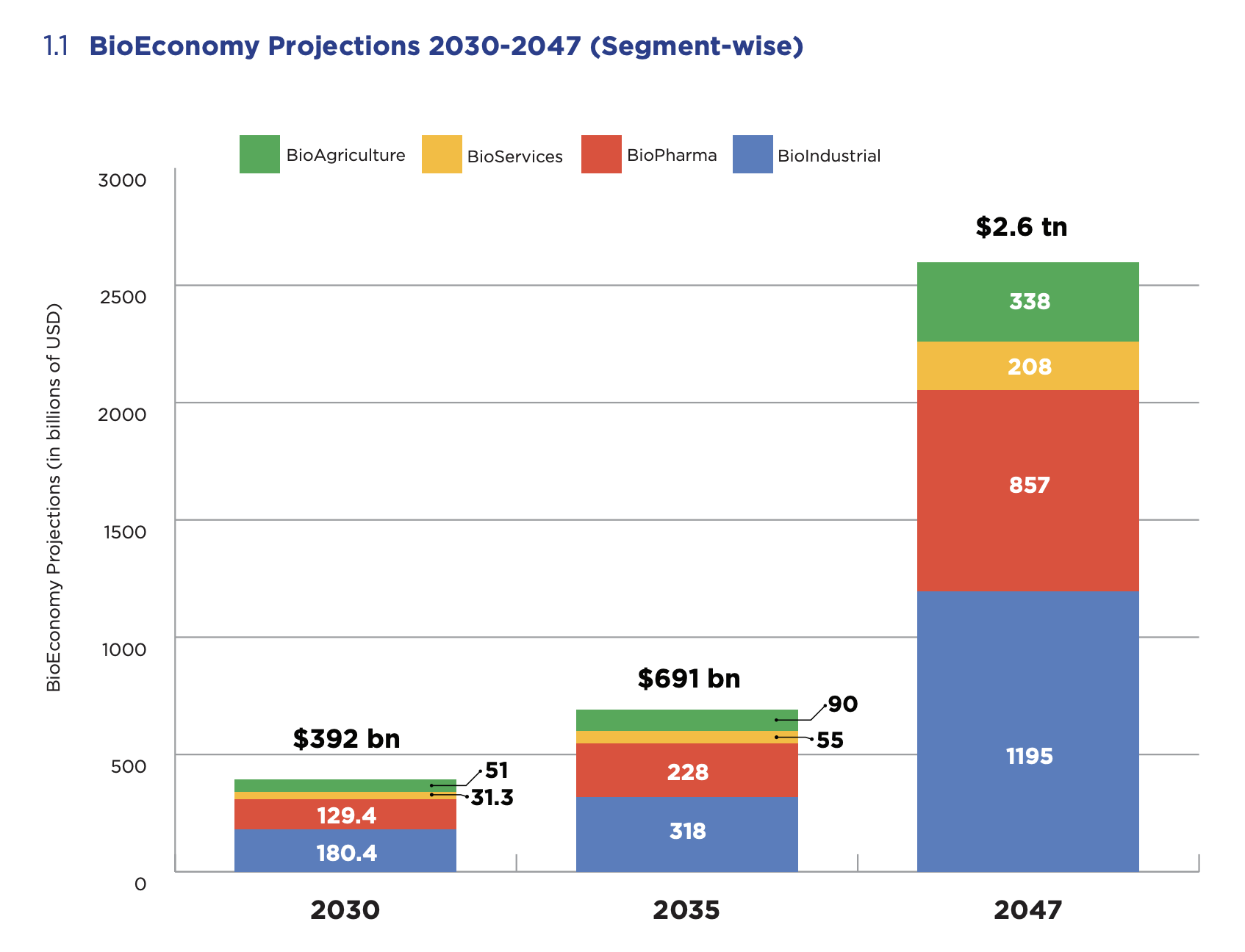
India’s commitment to fostering a robust and innovative bioeconomy has reached a significant milestone with the release of a comprehensive 10-year roadmap by Niti Aayog, the nation’s apex public policy think tank. This strategic blueprint aims to more than triple the value of India’s biotech sector, projecting a surge from its current valuation of approximately $195 billion to an ambitious $691 billion by 2035. This initiative is a crucial stepping stone in a larger, long-term vision to elevate India’s bioeconomy to a staggering $2.6 trillion market by 2047, coinciding with the nation’s centenary of independence.
The Indian government has officially declared biotechnology as one of its most critical engines for future economic expansion. The roadmap underscores its transformative potential across diverse sectors, including healthcare, food systems, sustainable fuels, advanced materials, and climate-resilient solutions. This strategic focus acknowledges a "time-bound opportunity" for India to solidify its position as a preeminent global powerhouse in the bioeconomy.
A Strategic Framework for Bioeconomy Advancement
At the core of this ambitious plan are six proposed National BioMissions, designed as focused executive platforms to drive targeted innovation and development. These missions are:
- GeneIndia: Aimed at advancing genomic research and applications.
- AgriBio 2.0: Focused on transforming agriculture through biotechnological innovations.
- BioX Foundry: Dedicated to accelerating industrial biotechnology and biomanufacturing.
- One Health Grid: Addressing integrated health approaches encompassing human, animal, and environmental well-being.
- Marine Biotechnology: Harnessing the potential of India’s extensive coastline and marine resources.
- BioPharmaNext: Spearheading the next generation of pharmaceutical and biotherapeutic development.
These missions are meticulously designed to translate existing scientific and manufacturing strengths into scalable capabilities. Their respective focus areas – health, agriculture, industrial biotech, pandemic preparedness, the blue economy, and biopharmaceuticals – highlight the government’s intent to leverage biotechnology for holistic national development.
Niti Aayog’s projections reveal that the bioindustrials segment presents the most substantial growth opportunity, with the potential to reach $318 billion within the next decade. This segment encompasses a wide array of critical areas, including the rapidly evolving field of smart proteins (alternative proteins), industrial enzymes, food-grade media, and biopolymers, among others.
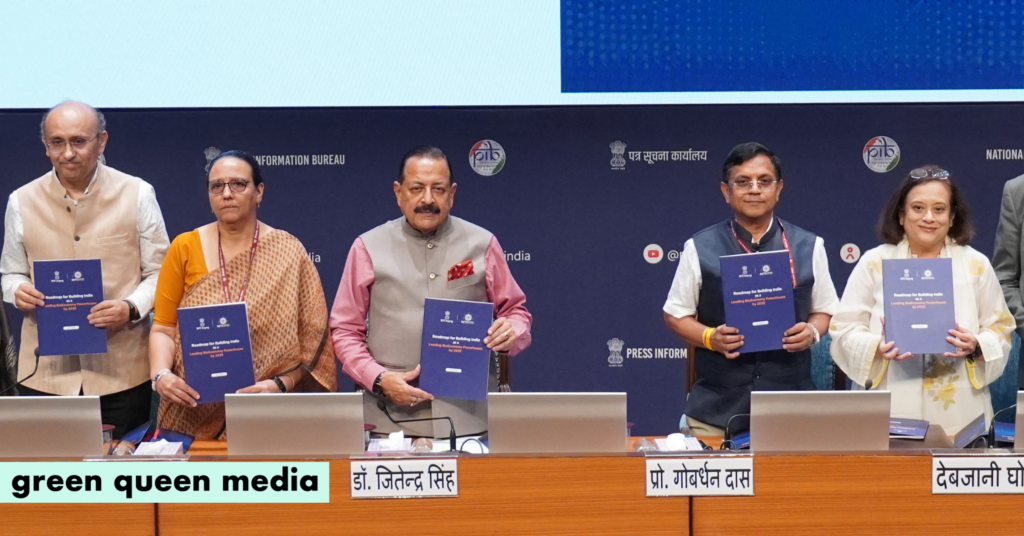
Prof. Gobardhan Das, a distinguished member of Niti Aayog, emphasized the revolutionary impact of contemporary scientific advancements. "Today’s breakthroughs in genome editing, synthetic biology, AI-assisted protein design, and precision fermentation are turning biology into a reliable platform for manufacturing and problem-solving across medicines, materials, food, and agriculture," he stated. He further articulated that this transformation is intrinsically linked with India’s overarching national vision for a "Viksit Bharat" (Developed India) by 2047.
The Rise of Smart Proteins and Synthetic Biology
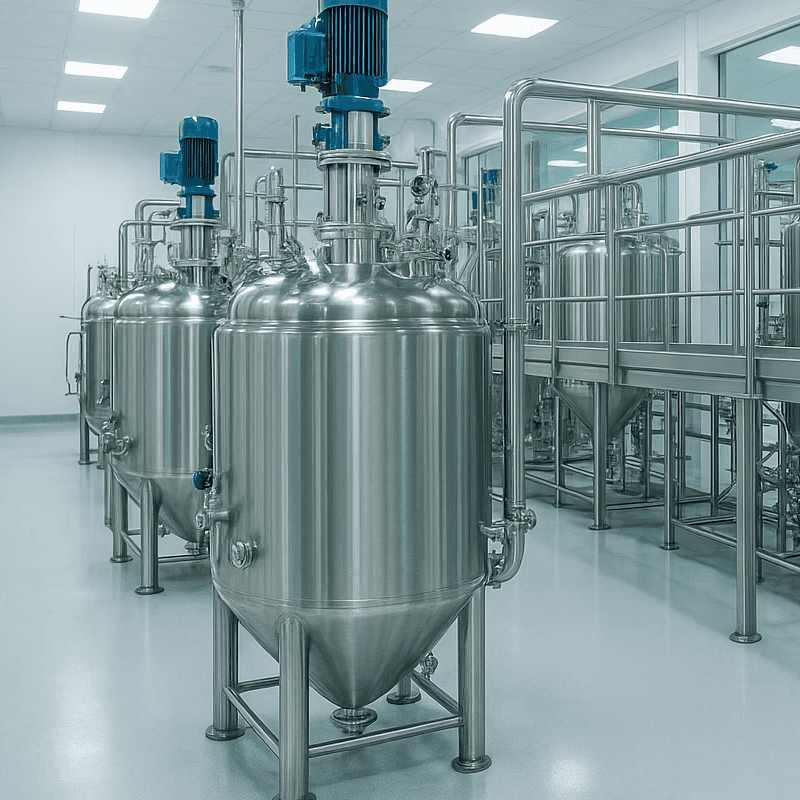
Within the broad spectrum of the bioeconomy, the roadmap places a significant emphasis on the development of smart proteins. This category, which includes plant-based, microbial, and cell-cultured foods, is identified as a central pillar of India’s biomanufacturing aspirations. The "BioX Foundry" mission is specifically tasked with transforming India’s industrial biotechnology innovations into commercially viable, large-scale products. This will be achieved by fostering the growth of emerging biofoundries and biomanufacturing hubs, which are envisioned as foundational platforms for establishing fully automated Design-Build-Test-Learn (DBTL) innovation cycles, particularly crucial for synthetic biology advancements.
The government’s think tank has recommended the establishment of robust DBTL platforms. These platforms, powered by AI-driven design tools and advanced laboratory automation, are expected to significantly accelerate product innovation across novel biomaterials, biochemicals, industrial enzymes, biopharmaceuticals, and smart proteins. A key objective stemming from this initiative is the creation of at least 100 high-potential synthetic biology startups by 2035.
To achieve these ambitious goals, the roadmap outlines several priority actions. These include strengthening domestic supply chains, fostering robust public-private partnerships, developing specialized talent in automation and computational biology, and strategically positioning India as a preferred global destination for contract biomanufacturing and fermentation-based production.
Addressing the "Valley of Death" with Enhanced Funding and Regulatory Reform
A critical challenge identified in the roadmap is bridging the "valley of death"—the gap between initial proof-of-concept and successful, scaled manufacturing. To address this, the proposal includes the establishment of a substantial 10-year, ₹50,000 crore ($5.18 billion) BioEconomy Growth Fund. This fund is intended to deploy a blended finance approach, combining catalytic equity and essential infrastructure support for various bio-based ventures. Its focus will be on biomanufacturing, advanced therapeutics, fermentation platforms, biomaterials, diagnostics, and synthetic biology. The fund will specifically target mid- and late-stage biotech companies that require scale-up infrastructure, Good Manufacturing Practice (GMP) compliant manufacturing facilities, biofoundries, and support for regulatory readiness.
The roadmap also highlights the urgent need for a significant overhaul of India’s regulatory landscape. It acknowledges that current regulatory complexity and multi-agency approval processes have inadvertently slowed down innovation across critical sectors like agriculture, pharmaceuticals, and synthetic biology. The document strongly advocates for "clearer, faster, and more internationally aligned pathways," particularly for novel products such as alternative proteins and enzyme-based manufacturing solutions.
The government asserts an "immediate need to establish differentiated, time-bound, and risk-based regulatory pathways that enable faster translation from lab to market." This necessitates a "bold, coordinated reform agenda" to unlock innovation, attract substantial global investment, and firmly establish India as a leading player in the global biotechnology arena.
To expedite this process, the roadmap suggests the immediate establishment of a regulatory sandbox, drawing inspiration from successful models like that of the United Kingdom. This sandbox would serve as a controlled environment for testing and approving near-to-market innovations more rapidly. Furthermore, the existing regulatory framework is slated for revitalization to overcome bureaucratic hurdles and delays, particularly for emerging technologies such as AI-led biologics, automated biomanufacturing processes, and biosensor-based diagnostics.
Niti Aayog CEO, Nidhi Chhibber, emphasized the critical nature of this moment. "India has a significant opportunity to establish leadership in areas such as advanced biologies, synthetic biology, precision fermentation, and AI-enabled drug discovery, but this window will narrow as global competition intensifies," she remarked. She underscored that realizing this potential hinges on "timely execution, sustained investment, and close coordination between the centre, states, industry, and research institutions."
Building on Existing Momentum and Infrastructure
The release of this comprehensive roadmap follows a series of strategic investments and the establishment of key biomanufacturing facilities and research hubs across India. These foundational elements demonstrate a growing ecosystem conducive to bioeconomy growth. Notable among these are:
- Centre for Smart Protein and Sustainable Material Innovation: An incubation hub dedicated to advancing alternative protein and sustainable material research.
- Alternative Proteins Innovation Center in Bengaluru: Focused on fostering innovation within the alternative protein sector.
- National Institute of Animal Biotechnology in Hyderabad: A key institution for advancing animal biotechnology research.
- BIRAC-BioNest Incubation Centre in Mysore: Supporting the growth of biotechnology startups through incubation and acceleration programs.
These existing initiatives provide a solid base upon which the ambitious goals outlined in the 10-year roadmap can be built. The strategic integration of these facilities with the proposed BioMissions and funding mechanisms is expected to create a synergistic effect, accelerating India’s journey towards becoming a global bioeconomy leader.
Broader Implications and Future Outlook
The implications of India’s bioeconomy roadmap extend far beyond economic metrics. A thriving bioeconomy can contribute significantly to national security through advancements in agriculture and food security, public health through novel therapeutics and diagnostics, and environmental sustainability through the development of greener industrial processes and materials.
The emphasis on synthetic biology and smart proteins aligns with global trends towards sustainable consumption and production. As the world grapples with climate change and resource scarcity, India’s proactive stance in developing alternative food sources and bio-based materials positions it as a potential solution provider.
The roadmap’s focus on talent development, particularly in specialized areas like automation and computational biology, is crucial for building a sustainable innovation ecosystem. A shortage of skilled professionals has been a recurring challenge in the biotech sector globally, and India’s proactive approach to address this gap is commendable.
The successful implementation of this roadmap will undoubtedly require sustained political will, robust public-private collaboration, and a flexible, adaptive regulatory environment. The government’s commitment to treating biotechnology as core national infrastructure, akin to digital public goods or energy systems, signals a paradigm shift in its approach to science and technology policy.
The coming decade will be critical in witnessing how India navigates the complexities of scaling up biotechnological innovations, fostering a vibrant startup culture, and integrating these advancements into the fabric of its economy and society. The ambitious targets set forth in this roadmap provide a clear direction and a powerful impetus for India to harness the transformative power of biology for national progress and global impact.
