
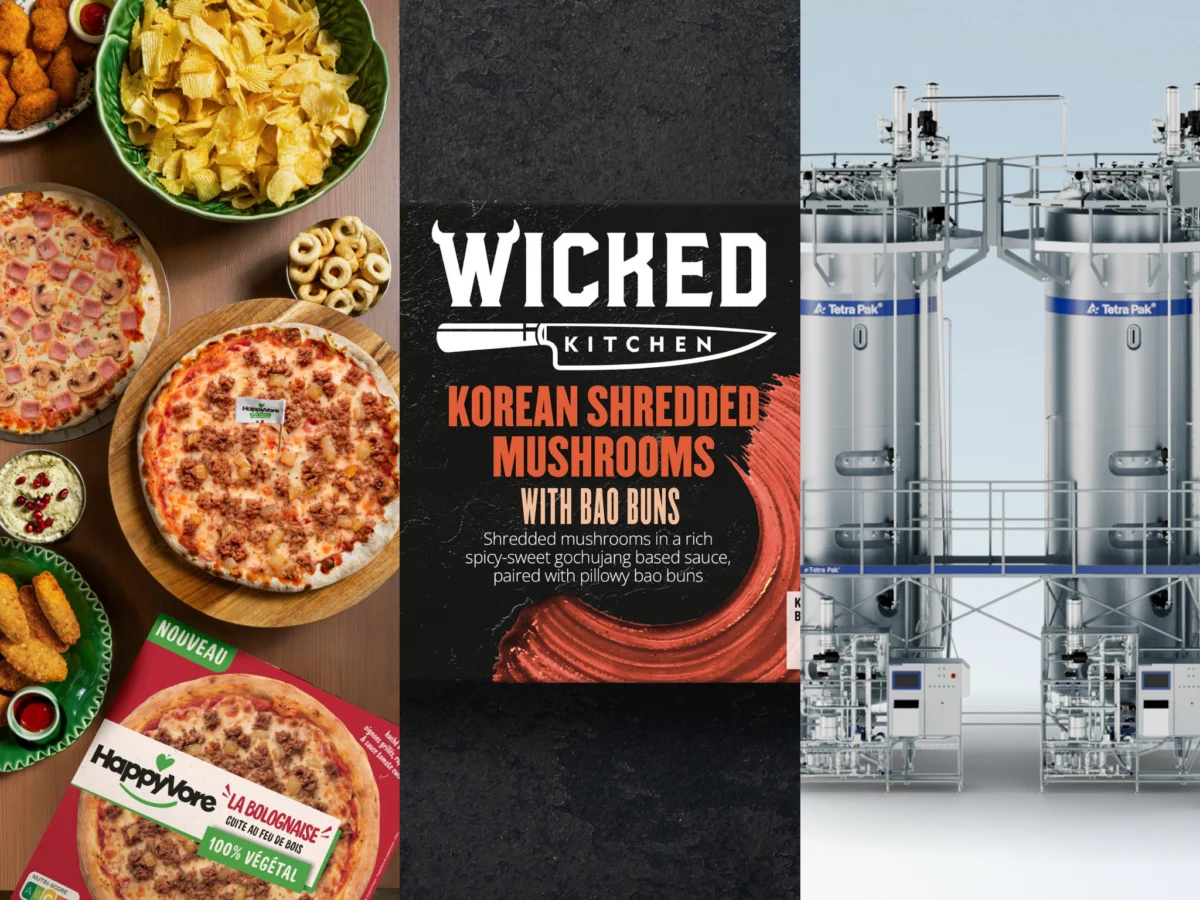
The sustainable food landscape is buzzing with activity as established brands re-enter markets, innovative technologies emerge, and policy discussions gain momentum. This week’s Future Food Quick Bites delves into the latest developments, highlighting the resurgence of Wicked Kitchen in the UK, Tetra Pak’s groundbreaking bioreactor technology, and the Green Party’s ambitious plant-based policy proposals in the United Kingdom. These stories underscore a dynamic period of growth and evolution within the plant-based and alternative protein sectors.
Plant-Based Innovations and Market Expansions
The plant-based food sector continues to demonstrate robust growth, with several key players announcing strategic expansions and new product launches.
Wicked Kitchen’s UK Return Signals Renewed Focus
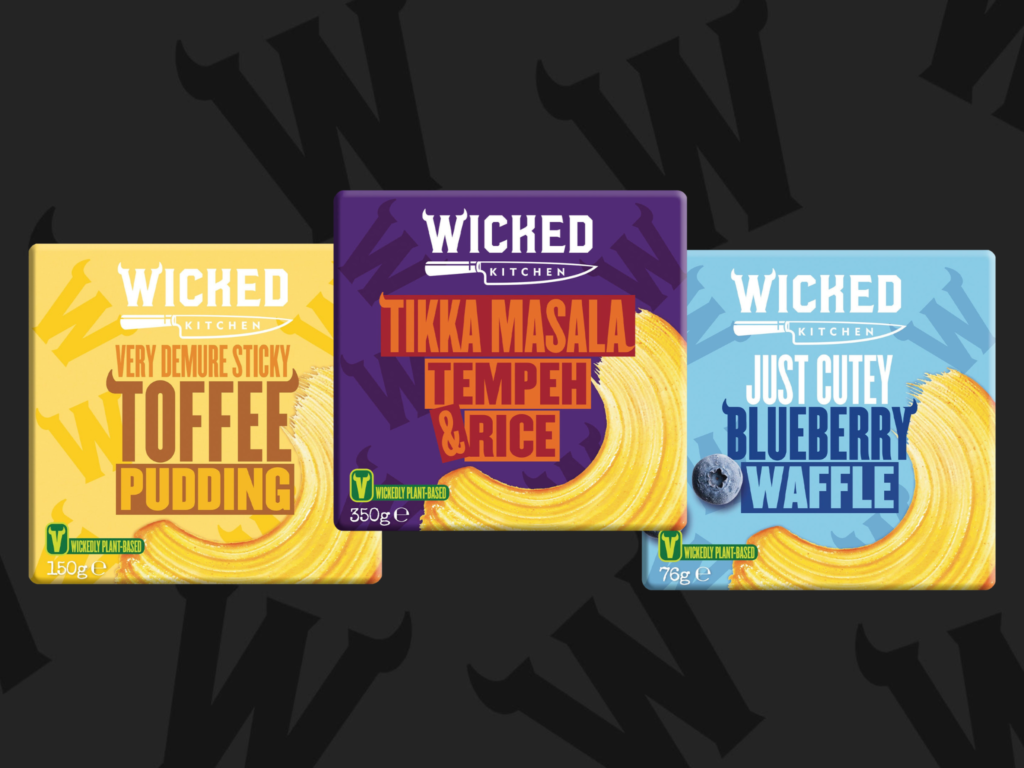
Wicked Kitchen, the pioneering plant-based brand co-founded by chefs Derek and Chad Sarno, is making a significant return to the United Kingdom market. Now under the ownership of Ahimsa Companies, the brand has partnered with local plant protein specialist Shicken Foods to bring its innovative range of savoury dishes and sweet treats back to British shelves. This strategic re-entry is expected to inject new energy into the UK’s already competitive plant-based market, offering consumers a wider array of sophisticated and flavourful options. The initial offerings will focus on tempeh and mushroom-centric meals, alongside indulgent desserts like waffles and sticky toffee pudding, appealing to both seasoned vegans and flexitarians seeking delicious meat alternatives.
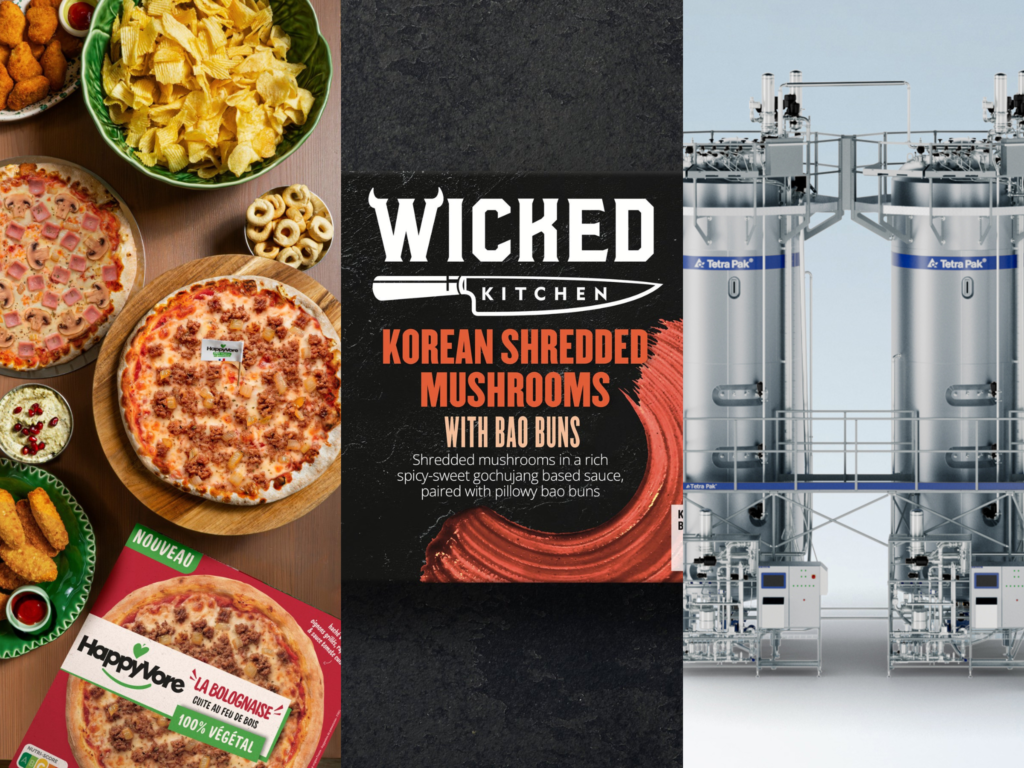
The brand’s previous departure from the UK market in early 2023, following its acquisition by Ahimsa Companies, had left a void for its dedicated fanbase. This comeback, facilitated by a collaboration with Shicken Foods, suggests a renewed commitment to the European market and a strategic leveraging of local expertise. The partnership aims to leverage Shicken Foods’ established distribution networks and understanding of UK consumer preferences to ensure a successful relaunch. Industry analysts suggest this move is indicative of a broader trend of consolidation and strategic partnerships within the plant-based industry, as companies seek to optimize their market reach and operational efficiency.
Oato’s Fresh Approach to Plant-Based Beverages
British oat milk producer Oato has introduced a limited-edition fresh matcha latte, available exclusively through the direct-to-consumer platform Modern Milkman. Priced at £2.50 per pint, this innovative beverage can be enjoyed both hot and cold, offering consumers a versatile and refreshing plant-based alternative to traditional dairy lattes. The move taps into the growing demand for functional beverages and the increasing popularity of matcha, a superfood known for its antioxidant properties and distinct flavour profile. The direct-to-consumer model allows Oato to maintain a direct relationship with its customers, gather valuable feedback, and control the freshness and delivery of its products. This strategy is particularly effective for perishable items like fresh milk alternatives.
Planted and AltroFood Expand European Footprints
Swiss plant-based meat alternative company Planted is broadening its reach across Europe by launching its popular nuggets, crispy burgers, and steak bites in supermarkets throughout Italy. Complementing this retail expansion, Planted is also forging partnerships with bars and restaurants across the country to offer complimentary aperitivi featuring its products. This dual approach aims to increase brand visibility and provide consumers with multiple opportunities to experience Planted’s offerings, from convenient home cooking to restaurant dining.
Similarly, Italian plant-based brand AltroFood has secured a significant listing at Cadoro, a prominent retailer with a strong presence in the Veneto, Friuli Venezia Giulia, and Emilia Romagna regions. This expansion into Cadoro’s extensive network will make AltroFood’s range of meat and egg alternatives more accessible to a wider Italian consumer base, further bolstering the availability of plant-based options in the country. The Italian market, traditionally known for its rich culinary heritage, is showing increasing receptiveness to plant-based innovations, indicating a substantial growth potential for companies like Planted and AltroFood.
HappyVore’s Frozen Pizza Innovation in France
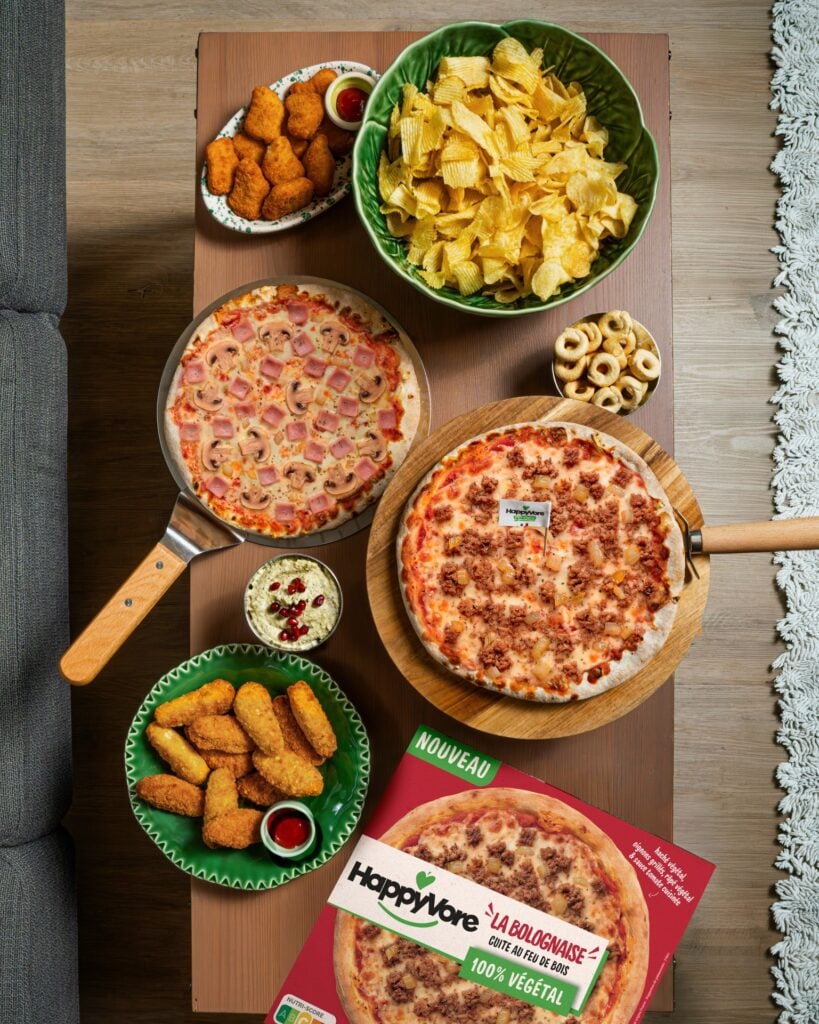
HappyVore, recognized as France’s best-selling plant-based meat company, has launched two frozen pizza varieties at Carrefour, a leading French supermarket chain. The "La Royale" pizza features plant-based ham, while "La Bolognaise" is topped with vegan mince. This strategic move into the frozen pizza category targets a convenience-seeking consumer demographic and capitalizes on the widespread popularity of pizza as a meal option. Following this initial launch, HappyVore plans to extend its frozen pizza range to other retailers across France starting in September, signalling an aggressive growth strategy for the brand. The success of HappyVore in France highlights the growing acceptance and demand for high-quality, convenient plant-based meals.
Axiom Foods and NNB Nutrition Forge Functional Protein Alliance
In the United States, Axiom Foods and NNB Nutrition have joined forces with the objective of empowering food brands across Asia and North America. Their collaboration aims to accelerate the development and formulation of next-generation functional plant-based nutrition products, often referred to as Protein+ offerings. This partnership leverages Axiom Foods’ expertise in plant-based protein ingredients, particularly from sources like rice and pea, and NNB Nutrition’s capabilities in advanced nutritional formulations and market insights. The alliance is poised to drive innovation in the functional food sector, catering to consumers actively seeking enhanced nutritional benefits from plant-based sources. The market for functional foods is projected to reach significant growth in the coming years, driven by increasing consumer awareness of health and wellness.
Slutty Vegan’s Ambitious US Expansion
Fast-food sensation Slutty Vegan is intensifying its nationwide expansion efforts in the United States. The company has announced its latest franchise agreements, which will bring its popular plant-based burgers and comfort food to Cleveland and Columbus, Ohio. This expansion into Ohio marks another significant step in Slutty Vegan’s aggressive growth trajectory, which has seen it rapidly scale from a single Atlanta food truck to a multi-state franchise operation. The brand’s distinctive marketing and bold menu have resonated strongly with a diverse consumer base, contributing to its rapid success and fueling further expansion plans. The company’s ability to attract franchisees underscores the strong business case for plant-based ventures in the fast-food sector.
Technological Advancements and Industrial Innovations
Beyond product launches, significant advancements in food technology are shaping the future of food production.
Tetra Pak Unveils Industrial Bioreactor Technology
Tetra Pak, a global leader in food packaging and processing solutions, has introduced its first industrial-scale line of bioreactors designed for fermentation-derived proteins and ingredients. This innovation follows Tetra Pak’s strategic acquisition of Bioreactors.net in December, signaling a commitment to expanding its portfolio in the burgeoning alternative protein sector. The new bioreactors, branded Bioreactor RF, are available in a wide range of capacities, from 10 to 50,000 litres, catering to various production scales. Crucially, Tetra Pak claims these bioreactors can reduce operational costs by up to 12%, a significant factor in improving the economic viability of fermentation-based food production.
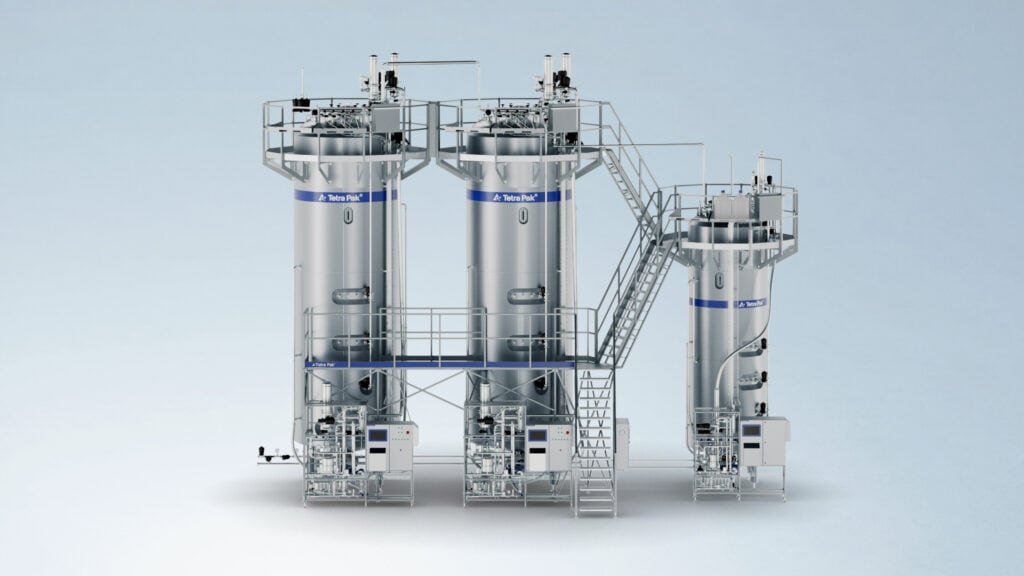
Fermentation is a key technology for producing a variety of alternative proteins, including mycoproteins, precision fermentation-derived dairy proteins, and other novel ingredients. Tetra Pak’s entry into this market with industrial-scale solutions is a notable development. It suggests a move towards more industrialized and scalable production of these advanced food ingredients, potentially lowering costs and increasing accessibility. The company’s established global presence and expertise in food processing infrastructure could accelerate the adoption of these technologies worldwide. The economic savings promised by the Bioreactor RF line are particularly relevant, as cost parity with conventional ingredients remains a critical hurdle for many alternative protein technologies.
Integra Foods Launches Pure: Faba in Australia
Australian plant-based producer Integra Foods has launched its Pure: Faba brand of fava bean protein powder and flour. This new line is now available in independent retail stores across South Australia. Fava beans are a sustainable and protein-rich legume, offering a compelling alternative to more commonly used plant protein sources like soy and pea. The Pure: Faba range aims to provide consumers with a versatile, allergen-friendly, and nutrient-dense ingredient that can be incorporated into a variety of food applications, from baked goods to smoothies. This launch signifies Integra Foods’ commitment to diversifying its plant-based offerings and capitalizing on the growing demand for novel protein sources. Fava beans offer an excellent nutritional profile, including high protein content and dietary fiber, while also boasting a lower environmental footprint compared to many conventional protein sources.
Swees Expands into Soy Yogurt Market
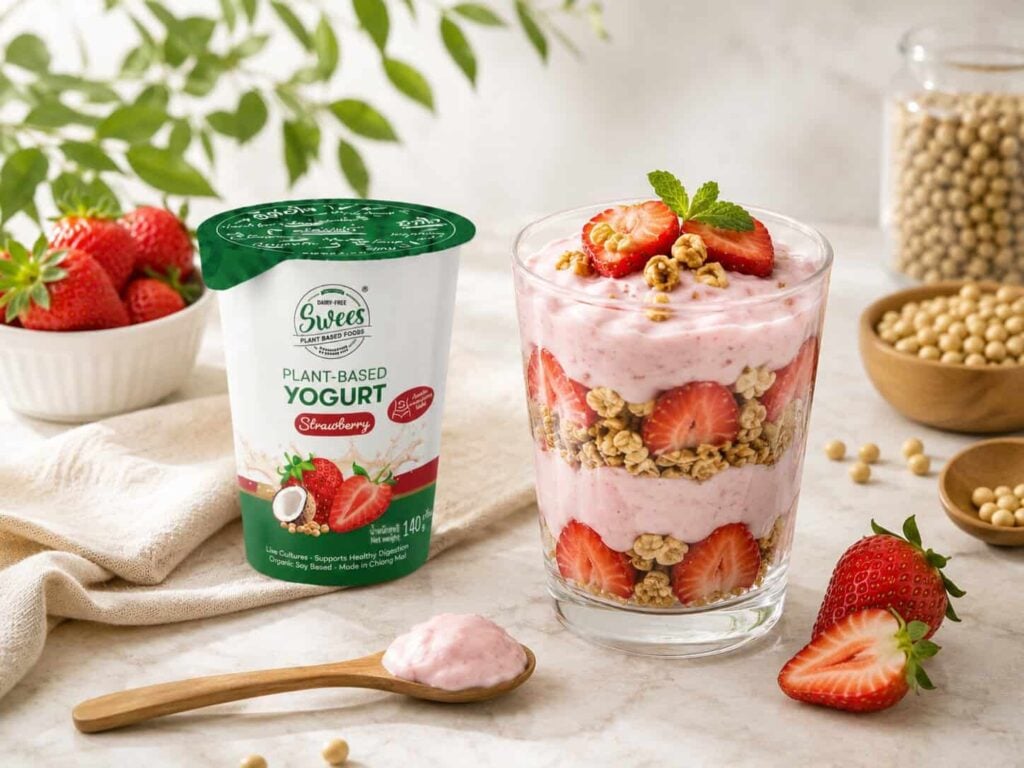
Thai plant-based dairy producer Swees has broadened its product portfolio by venturing beyond vegan cheese to introduce a new range of soy yogurts. The initial offerings include original, Greek-style, and strawberry variants, which are now available in retailers across Thailand. This expansion into the dairy-alternative yogurt market signals Swees’ ambition to become a comprehensive provider of plant-based dairy products, catering to a wider range of consumer needs and preferences. The growing demand for dairy-free alternatives in Southeast Asia presents a significant opportunity for companies like Swees to capture market share.
Policy and Corporate Developments
The regulatory and corporate landscape also saw significant movements this week, indicating shifts in how plant-based and alternative proteins are being perceived and integrated.
Green Party Proposes Plant-Based Mandate in the UK
The United Kingdom’s Green Party is reportedly set to debate a significant policy proposal that could have far-reaching implications for the food industry. If the party were to gain political power, the proposal suggests legally requiring restaurants and caterers to offer plant-based options under the Equality Act. Furthermore, it aims to implement sustainability standards for all food procurement. This ambitious policy initiative reflects a growing political awareness of the environmental and ethical considerations surrounding food consumption. The potential inclusion of plant-based options under the Equality Act could be interpreted as a move to ensure equitable access to dietary choices, framing veganism not just as a lifestyle choice but as a protected characteristic, similar to religious or ethical beliefs.
The proposal also calls for sustainability standards in food procurement, which could impact public institutions like schools, hospitals, and government agencies. This would likely encourage a shift towards more environmentally friendly and ethically sourced food products, including a greater emphasis on plant-based ingredients and reduced reliance on animal agriculture. The debate surrounding this proposal is expected to highlight the complex interplay between individual dietary freedom, public health, environmental sustainability, and economic considerations within the food sector. The Green Party’s stance underscores a broader global trend of policy discussions aimed at promoting more sustainable food systems.
Believer Meats Seeks Asset Acquisition Following Operational Halt

Believer Meats, an Israeli cultivated meat startup that abruptly ceased operations last year, has published an invitation for bids for the acquisition of its assets. The company had previously faced significant financial challenges, failing to secure crucial funding amid mounting debt, which ultimately led to its shutdown. This development marks the latest chapter in the volatile cultivated meat industry, where promising technological advancements have often been hampered by the substantial capital requirements and the long road to commercial viability. The invitation to submit bids suggests that the company’s intellectual property, equipment, or other assets may be of interest to other players in the cultivated meat or broader biotech sectors. The industry has seen a number of startups falter in recent years, underscoring the need for robust business models and significant investment to overcome the challenges of scaling production and achieving cost-competitiveness.
Ruby Bio Partners with LBB Specialties for Market Readiness
Californian startup Ruby Bio has entered into a commercial partnership with LBB Specialties, a chemical and ingredient distributor. This collaboration comes two months after Ruby Bio announced a production breakthrough for its fermentation-derived emulsifiers. The partnership aims to accelerate the market readiness of Ruby Bio’s clean-label emulsifier platform. Emulsifiers are crucial ingredients in a wide range of food products, helping to stabilize mixtures and improve texture. Fermentation-derived emulsifiers offer a more sustainable and natural alternative to conventionally produced synthetic emulsifiers. By partnering with LBB Specialties, Ruby Bio gains access to a wider distribution network and industry expertise, facilitating the commercialization of its innovative ingredient technology. The focus on clean-label and fermentation-derived ingredients aligns with growing consumer demand for transparency and naturalness in food products.
Keller & Heckman Joins APAC Society for Cellular Agriculture
Keller & Heckman LLP, an international law firm specializing in food and feed additives, has become the latest associate member of the APAC Society for Cellular Agriculture (APAC SCA). This membership signifies the firm’s commitment to supporting the growth and development of the cellular agriculture sector within the Asia-Pacific region. APAC SCA serves as a platform for industry stakeholders, researchers, and policymakers to collaborate on advancing cellular agriculture technologies and fostering a supportive regulatory environment. Keller & Heckman’s expertise in regulatory affairs and food law is expected to be a valuable asset to the society as the cellular agriculture industry navigates complex regulatory landscapes across different countries. The involvement of legal and regulatory experts is critical for ensuring that innovative food technologies can be safely and effectively brought to market.
The ongoing developments across product innovation, technological advancements, and policy discussions highlight a vibrant and rapidly evolving sustainable food sector. As companies continue to innovate and consumers increasingly demand more sustainable and ethical food choices, the landscape of food production and consumption is set for significant transformation in the years ahead. The integration of these advancements, from plant-based alternatives to novel production methods, points towards a future where food systems are more resilient, environmentally responsible, and aligned with evolving consumer values.
