
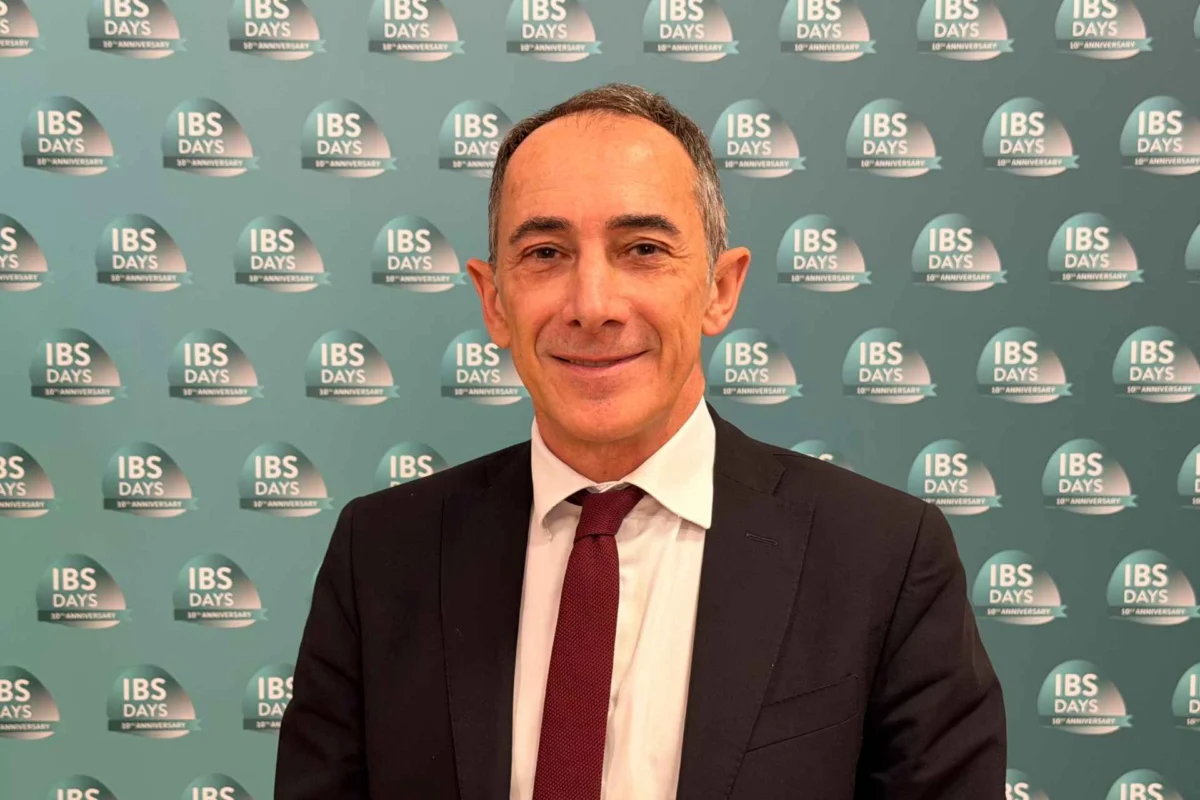
The fifth edition of IBS Days recently concluded in Bologna, Italy, marking a significant milestone as the conference celebrated its tenth anniversary of dedicated focus on the complexities of irritable bowel syndrome (IBS). As a premier international forum, the event gathered approximately 500 gastrointestinal specialists, researchers, and clinical practitioners from across the globe to engage in a rigorous program of education, scientific debate, and clinical exchange. Led by Congress Chair Giovanni Barbara, a professor at the University of Bologna and a globally recognized authority on gut-brain interactions, the meeting served as a vital platform for disseminating the latest updates in the field. Over the course of the event, participants explored the multifaceted nature of IBS, transitioning from historical views of the condition as a purely psychological or "functional" disorder to a modern understanding rooted in biological, neurological, and microbiological mechanisms.
A Decade of Scientific Evolution: The History of IBS Days
The inception of IBS Days ten years ago was a response to a growing need for a specialized meeting that could bridge the gap between basic laboratory research and bedside clinical practice. In 2014, when the first edition was held, the medical community’s understanding of IBS was largely centered on symptom management through fiber and antispasmodics. Over the subsequent decade, the congress has mirrored the rapid evolution of gastroenterology. The 2024 edition reflected this progress, showcasing how the field has moved toward personalized medicine and a deeper appreciation of the "disorders of gut-brain interaction" (DGBI) framework, as defined by the Rome IV criteria.
Chronologically, the meeting has grown in both scope and attendance. What began as a localized gathering of Italian experts has transformed into an international destination for IBS specialists. The biennial structure of the event has allowed for the accumulation of significant data between sessions, ensuring that each edition provides a substantial leap forward in scientific knowledge. The 2024 program was specifically designed to honor this ten-year journey by reviewing past breakthroughs while setting the agenda for the next decade of therapeutic development.
Comprehensive Educational Framework: The Postgraduate Course
The 2024 edition commenced with a highly specialized postgraduate course, which prioritized the practical management of patients. This segment of the congress is crucial because IBS remains one of the most challenging conditions to treat in a primary and secondary care setting due to its heterogeneous nature. The course focused on the "patient-centered" approach, emphasizing that successful treatment requires more than just pharmacological intervention; it requires a sophisticated understanding of the patient’s history, dietary habits, and psychological well-being.
Clinicians were provided with updated algorithms for diagnosis, moving away from "diagnosis by exclusion" and toward a more proactive identification of symptoms based on clinical markers. The course also addressed the importance of the therapeutic relationship, noting that effective communication between the physician and the patient can significantly improve clinical outcomes and patient satisfaction. By focusing on practical applications, the postgraduate course ensured that the scientific advancements discussed in later sessions could be effectively translated into improved care for the millions of individuals suffering from IBS worldwide.
Scientific Pillars: Pathophysiology and the Microbiota-Gut-Brain Axis
The core of the scientific sessions was dedicated to the myriad factors involved in IBS pathophysiology. A central theme of the 2024 discussions was the role of the gut microbiota. Research presented at the congress highlighted how dysbiosis—an imbalance in the microbial communities of the intestines—can trigger a cascade of physiological responses, including low-grade mucosal inflammation and altered intestinal permeability.
- Intestinal Permeability and the "Leaky Gut": Several sessions explored the concept of the epithelial barrier. In many IBS patients, the "tight junctions" that regulate what enters the bloodstream from the gut are compromised. This increased permeability allows pro-inflammatory substances to pass through, potentially activating the immune system and sensitizing the enteric nervous system.
- Immune Activation: The congress examined the role of mast cells and other immune mediators located in close proximity to nerve endings in the gut. Evidence suggests that in a subset of IBS patients, persistent immune activation follows an initial bout of infectious gastroenteritis (post-infectious IBS), leading to chronic hypersensitivity.
- The Enteric Nervous System (ENS): Often referred to as the "second brain," the ENS plays a pivotal role in gut motility and sensation. Sessions at IBS Days 2024 detailed how neuroplasticity within the ENS can lead to visceral hypersensitivity, where patients feel pain at levels of gut distention that would be considered normal in healthy individuals.
- Dietary Interventions: The role of diet has shifted from a secondary consideration to a primary therapeutic tool. The congress reviewed the efficacy of the low FODMAP (fermentable oligosaccharides, disaccharides, monosaccharides, and polyols) diet, while also cautioning about its long-term impact on the microbiome and the need for professional dietetic supervision.
Supporting Data: The Global Burden of IBS
The importance of meetings like IBS Days is underscored by the staggering epidemiological data regarding the condition. IBS is estimated to affect between 5% and 10% of the global population at any given time. In the United States alone, the economic burden is estimated to exceed $20 billion annually in direct and indirect costs, including healthcare utilization and lost workplace productivity.
Data presented during the congress suggested that while prevalence rates vary by region—often influenced by dietary habits and diagnostic criteria—the impact on quality of life remains consistently high. IBS patients often report scores on quality-of-life surveys that are lower than those with chronic conditions like congestive heart failure or diabetes. These statistics reinforced the urgency of the discussions in Bologna, as specialists sought to refine treatments that can provide meaningful relief to a massive global patient population.
Official Perspectives and Expert Reactions
In his closing remarks, Congress Chair Giovanni Barbara reflected on the success of the event, noting that the high level of engagement from the 500 participants demonstrated a profound commitment to the field. Professor Barbara emphasized that the complexity of IBS requires a multidisciplinary approach, blending the expertise of gastroenterologists, dietitians, psychologists, and basic scientists.
"The tenth anniversary is not just a celebration of the past, but a springboard for the future," Barbara noted in an interview following the event. He highlighted that the informal exchanges and networking opportunities provided during the congress are often where the seeds for future international collaborations are sown. Other attendees echoed this sentiment, praising the event for its ability to condense a vast amount of emerging data into actionable clinical insights. The consensus among the faculty was that while significant hurdles remain—particularly in identifying definitive biomarkers for the condition—the progress made in the last ten years has been transformative.
Broader Impact and Future Implications for Gastroenterology
The implications of the findings presented at IBS Days 2024 extend beyond the treatment of a single disorder. The research into the microbiota-gut-brain axis has profound consequences for our understanding of other conditions, including inflammatory bowel disease (IBD), metabolic syndrome, and even neurological disorders like Parkinson’s and Alzheimer’s disease. By unraveling the mysteries of the gut, researchers are gaining insights into the systemic nature of human health.
Furthermore, the congress highlighted the shift toward digital health and tele-monitoring in managing chronic conditions. As healthcare systems worldwide face increasing pressure, the development of digital tools for symptom tracking and dietary management was identified as a key growth area. This technological integration is expected to be a major theme when the community meets again in two years.
As the fifth edition of IBS Days concluded, the roadmap for the next two years was clearly defined. The focus will remain on the validation of new therapeutic targets, such as bile acid sequestrants and novel probiotics, as well as the continued refinement of the Rome criteria. The community of specialists reinforced their commitment to returning in 2026, likely in another historic Italian setting, to continue the work of improving the lives of those affected by this complex and often debilitating condition. The legacy of the first ten years of IBS Days serves as a testament to the power of collaborative science and the enduring need for specialized forums that prioritize both the rigor of research and the humanity of patient care.
