
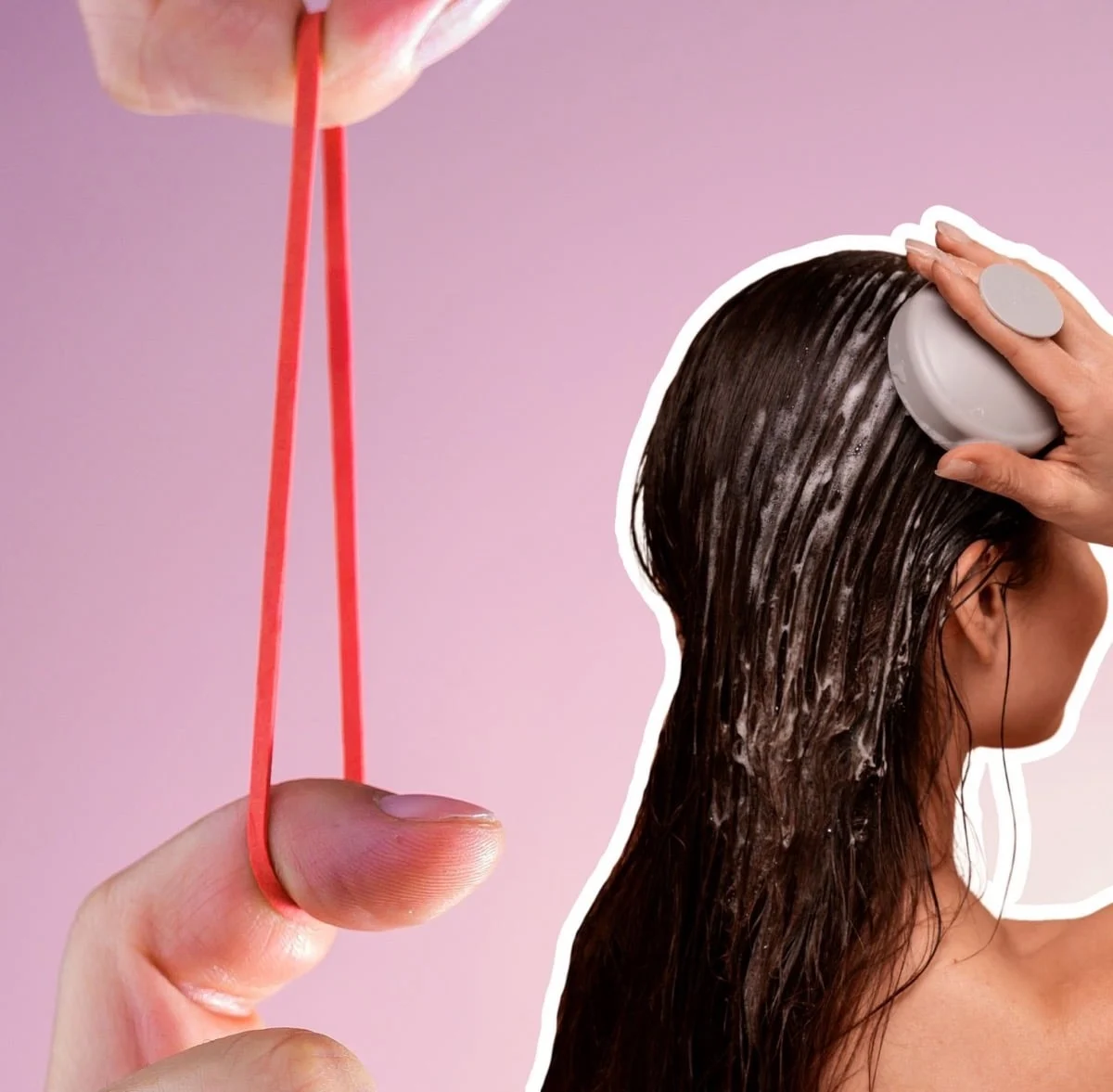
For years, the concept of "hygral fatigue" has circulated widely, particularly within online beauty communities, positing that the repeated wetting and drying of hair inherently leads to structural damage. This pervasive myth, which suggests that the constant absorption and release of water weakens hair fibers over time, has influenced countless hair care routines, often leading individuals to avoid frequent washing. However, extensive scientific research and expert analysis firmly contradict this notion, asserting that water itself does not cause cumulative damage to hair. Instead, the real culprits behind hair breakage are typically mechanical stress and improper handling, especially when hair is in its more vulnerable wet state.
Understanding Hair’s Complex Structure and Water Interaction
To fully appreciate why the hygral fatigue myth is unfounded, it’s crucial to understand the intricate molecular architecture of human hair. Each strand of hair is primarily composed of keratin, a fibrous protein, organized into three main layers: the cuticle, cortex, and medulla. The outermost layer, the cuticle, consists of overlapping, scale-like cells that protect the inner cortex. The cortex, the thickest layer, is responsible for hair’s strength, elasticity, and color, containing tightly packed keratin filaments. The medulla, present in some hair types, is a central core of loosely packed cells.
Water interacts profoundly with these structures. When hair gets wet, it absorbs water molecules, primarily into the cortex. This absorption leads to a phenomenon known as swelling, where the hair shaft can expand in diameter by up to 30%. This swelling is largely due to water molecules breaking and reforming temporary hydrogen bonds within the keratin structure. Hair’s keratin proteins are held together by three main types of bonds: strong disulfide bonds (permanent, responsible for hair’s overall shape and strength), and weaker, temporary hydrogen and salt bonds.
Hydrogen bonds, which are numerous, are easily broken by water and heat. When water penetrates the hair, it disrupts these bonds, making the hair more pliable and elastic. As the hair dries, these hydrogen bonds readily reform, restoring much of the hair’s original rigidity and shape. This constant breaking and reforming of temporary bonds is a natural, reversible process and does not equate to irreversible damage or "fatigue" in the way that mechanical stress would.
The Genesis and Persistence of the Hygral Fatigue Myth
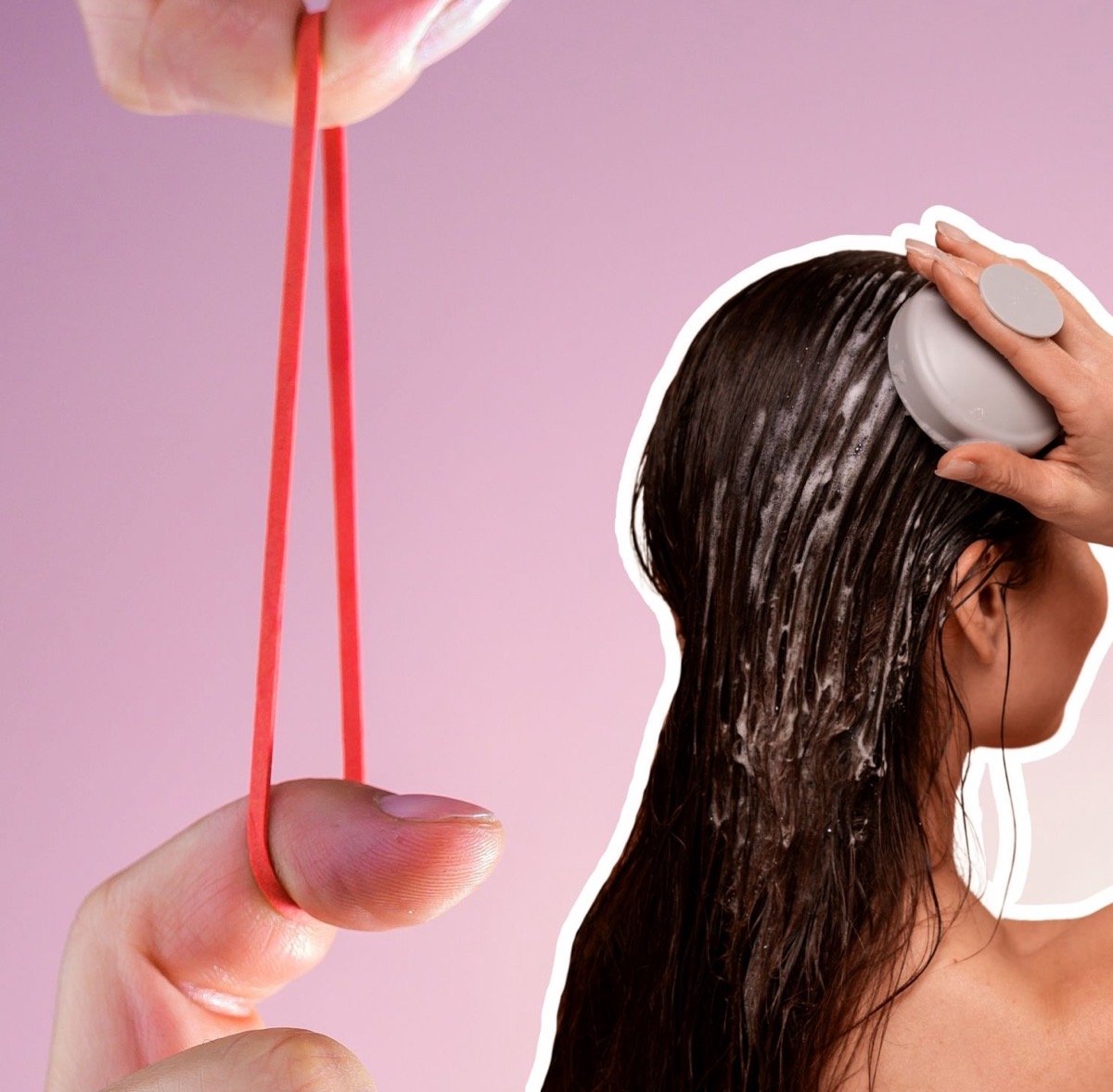
The term "hygral fatigue" gained traction as a purported explanation for hair weakening, particularly among those with highly porous or textured hair, who observed increased breakage after washing. The theory suggested that the continuous cycle of swelling (from water absorption) and shrinking (from drying) stressed the hair fibers, leading to microscopic cracks and eventual breakage. Proponents often drew an analogy to repeatedly stretching a rubber band until it loses elasticity and snaps.
This analogy, however, is fundamentally flawed when applied to hair’s molecular behavior. A rubber band stretches by deforming its polymer network, leading to permanent structural changes and eventually rupture. In contrast, hair’s interaction with water primarily involves the transient disruption and reformation of hydrogen bonds. These bonds are not "worn out" by repeated formation and breakage; the atomic components (electrons and protons) are not consumed or degraded in the process. A more accurate analogy, as proposed by cosmetic scientists, is the repeated joining and unjoining of Lego bricks: the pieces remain intact and functional no matter how many times they are connected and disconnected.
The widespread adoption of the hygral fatigue concept also led to recommendations against frequent hair washing, with some advising washing only once or twice a week to minimize exposure to water. This advice, while well-intentioned, inadvertently shifted focus away from the true causes of hair damage during washing, such as vigorous scrubbing, harsh towel drying, or aggressive combing of wet hair.
Scrutinizing the Scientific Evidence: Debunking Supporting Claims
Despite its popularity, the scientific literature offering convincing evidence for hygral fatigue as an inherent damage mechanism is notably scarce. A few studies have been cited to support the idea, but upon closer examination, their conclusions are often open to alternative interpretations or methodological critiques.
One frequently referenced paper is a 2011 study published in Annals of Dermatology by Lee Y, et al., which investigated the effects of different hair drying methods. The researchers compared air drying with blow drying at various temperatures. Their findings suggested that blow drying at a low temperature caused the least damage. Notably, they observed "bulges" in the air-dried hair samples and attributed this to prolonged water swelling. This observation was then interpreted by some as evidence of water-induced damage, fueling the hygral fatigue narrative.
However, this interpretation has been met with significant skepticism within the hair science community. Air drying is a standard practice in both daily life and laboratory experiments, and such bulges are not commonly reported as a consequence. If air drying inherently caused this level of structural damage, it would be a widespread observation in countless hair studies. Critics suggest that the bulges observed in the Lee et al. study might have been an anomaly, potentially linked to specific characteristics of the hair sample used, pre-existing damage (such as excessive sun exposure), or an experimental artifact rather than a direct result of the air-drying process itself. The study’s methodology regarding the repetition of experiments and measurements also raises questions about the generalizability and robustness of this particular finding.
The Coconut Oil Connection: A Misinterpreted Protective Mechanism
Another area where the concept of hygral fatigue has surfaced is in studies exploring the benefits of coconut oil. Several research papers, some dating back to the early 2000s, have proposed that coconut oil could protect hair from damage by preventing excessive water absorption, thereby mitigating "hygral fatigue." These studies often note that coconut oil-treated hair absorbs less water by weight compared to untreated hair or hair treated with other oils like mineral or sunflower oil.
For instance, studies published in the Journal of Cosmetic Science (e.g., Ruetsch et al., 2001; Keis et al., 2007) used techniques like dynamic vapor sorption (DVS) to measure water uptake. Hair samples coated with various oils were exposed to different humidities, and their weight gain due to water absorption was measured. Coconut oil-treated hair consistently showed a smaller percentage increase in weight, leading researchers to conclude it "blocked" water.
However, this interpretation has been challenged by prominent hair scientists like Trefor Evans. Evans points out a crucial methodological flaw: when oil is applied to hair, it adds weight to the hair fiber. If the same absolute amount of water is absorbed, but the total weight of the hair-plus-oil system is higher, the percentage increase in weight attributed to water will naturally appear smaller. Essentially, dividing the absorbed water weight by a larger total weight (hair + oil) will yield a smaller percentage, creating the illusion of reduced water absorption.
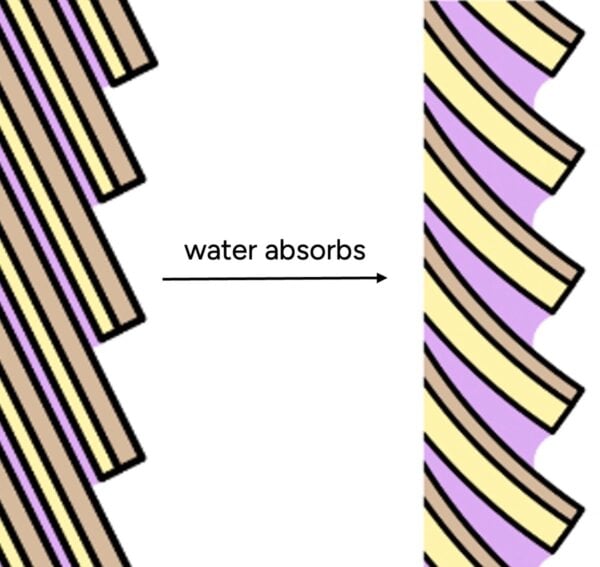
Furthermore, from a structural perspective, it is highly improbable that any topical oil, including coconut oil, could effectively "seal" hair against water molecules to a significant extent. The hair cuticle, while protective, is not an impermeable barrier. Its overlapping scales create myriad microscopic gaps, and water molecules are incredibly small. It is practically impossible to create a seal tight enough to prevent the majority of water vapor from entering or leaving the hair, especially considering that hair’s water content is largely dictated by environmental humidity.
Reassessing Coconut Oil’s True Benefits for Hair
While the premise that coconut oil prevents hygral fatigue by blocking water is largely unfounded, this does not negate its significant benefits for hair health. Scientific research has consistently shown that coconut oil is beneficial, but through different mechanisms.
One primary benefit is its excellent lubricating properties. Oils, including coconut oil, coat the surface of the hair, reducing friction between individual strands and minimizing mechanical damage during everyday activities like combing, brushing, and styling. This lubrication helps smooth the cuticle, making hair feel softer and appear shinier.
More uniquely, several studies suggest that coconut oil has a particular affinity for hair and can penetrate deeper into the hair shaft compared to many other oils. Its chemical structure, specifically its high content of medium-chain fatty acids (like lauric acid), allows it to effectively permeate the hair’s lipid matrix. This deep penetration is thought to help fill gaps in the oily parts of the hair’s cell membrane complex – the "mortar" that binds the keratin "bricks" of the hair cells. By reinforcing this internal structure, coconut oil can help reduce internal cracking and damage, contributing to stronger, more resilient hair fibers. This internal strengthening, rather than water-blocking, is a more accurate explanation for coconut oil’s protective effects against certain types of hair damage.
Expert Consensus and Practical Implications
The overwhelming consensus among dermatologists, cosmetic chemists, and hair scientists is that repeated wetting and drying of hair does not, in itself, constitute "hygral fatigue" or cause inherent damage. The hair’s ability to absorb and release water, and for its hydrogen bonds to reversibly break and reform, is a fundamental and natural property of healthy hair.
This scientific clarity has significant practical implications for hair care. Instead of fearing water, the focus should shift to minimizing mechanical stress, especially when hair is wet and consequently more fragile.
- Gentle Handling: Wet hair is more elastic and prone to stretching and breakage. Therefore, it should be handled with utmost care. This includes gently towel-drying (blotting rather than rubbing vigorously), using wide-tooth combs instead of brushes to detangle, and avoiding aggressive styling or tight hairstyles while wet.
- Conditioning: Regular use of conditioners helps to lubricate the hair, smooth the cuticle, and reduce friction, making it easier to detangle and less susceptible to mechanical damage.
- Drying Techniques: While air drying is generally safe, ensuring hair isn’t left wet for excessively long periods in cold conditions can be beneficial. When using heat styling tools, employing heat protectants and lower temperature settings is crucial to prevent thermal damage, which is a well-documented cause of irreversible hair degradation.
- Porosity Awareness: Understanding one’s hair porosity (how easily hair absorbs and retains moisture) can help tailor product choices, but this relates more to effective conditioning and moisture retention than preventing water-induced damage.
In conclusion, the myth of hygral fatigue, while widely believed, lacks substantial scientific backing. Water is essential for hair health and flexibility, and its natural interaction with hair’s molecular structure does not lead to cumulative damage. By debunking this persistent myth, individuals can focus on evidence-based hair care practices that genuinely protect hair from mechanical and thermal stress, ensuring stronger, healthier strands regardless of how often they choose to wash their hair.
