
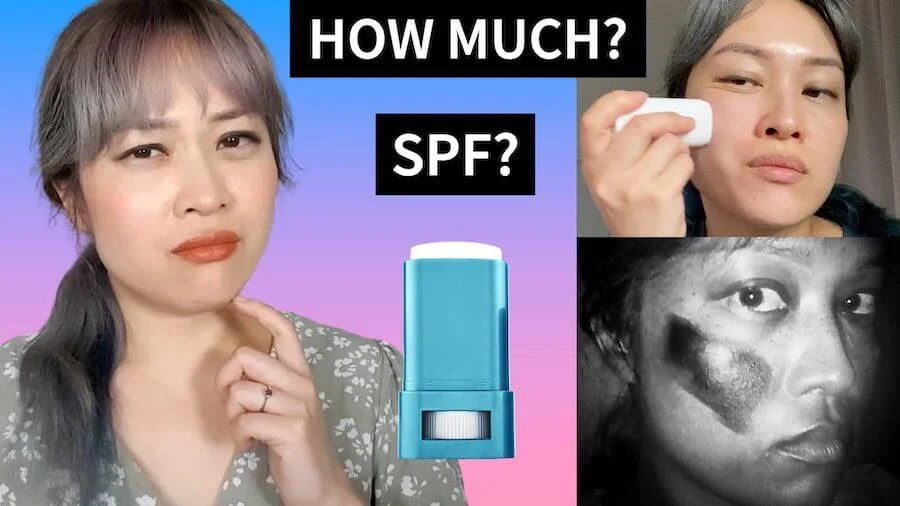
Sunscreen sticks, lauded for their convenience and portability, have become a popular choice for on-the-go sun protection. However, a recent in-depth investigation by cosmetic chemist and science communicator Michelle Wong of Lab Muffin Beauty Science reveals significant challenges in achieving adequate sun protection with these products, suggesting that users may be applying far less than the recommended amount required for their stated SPF. The comprehensive study, published on June 25, 2026, highlights discrepancies between perceived "generous" application and scientific standards, challenging common assumptions about sunscreen stick efficacy.
The Crucial Standard: 2 mg/cm² Coverage
Effective sun protection hinges on applying sunscreen at a standardized rate of 2 milligrams per square centimeter (2 mg/cm²) of skin. This benchmark is universally used in laboratory settings to determine a product’s Sun Protection Factor (SPF) rating. For an average adult face, this translates to approximately 0.76 grams of product to achieve the labeled SPF. While this standard is well-known for liquid sunscreens, its application to solid stick formulations has long posed a practical dilemma for consumers. The opaque nature of sticks and the lack of visual cues make it notoriously difficult for users to gauge if they are applying enough product to reach this critical coverage level.
Investigating Real-World Application
Driven by the widespread uncertainty surrounding sunscreen stick application, Wong embarked on a multi-faceted investigation. The primary objective was to quantify the amount of sunscreen stick applied during a typical "generous" face application and assess the resulting estimated SPF. Secondary goals included evaluating application time as a potential reference point, examining the validity of common application recommendations like the "4 passes" guideline, and identifying areas of the face prone to being missed.
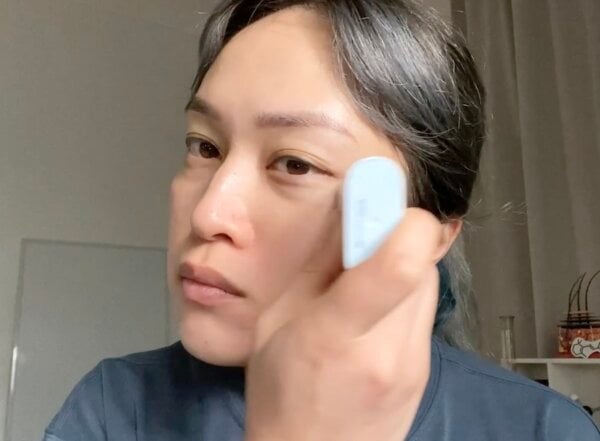
The initial phase of the study, conducted using three popular Korean SPF 50+ sunscreen sticks—Tocobo, Abib, and Benton—involved a rigorous methodology. Wong meticulously weighed each stick before and after application using precise jewelry scales, accurate to within ±0.02 grams. To ensure a "generous" application, she filmed herself in selfie mode, allowing real-time visual feedback. This process was repeated for three layers per stick, progressively increasing the applied amount until the skin became uncomfortably greasy.
The estimated SPF for each layer was calculated based on a previously established facial application requirement of 0.76 grams for her face and assuming a linear relationship between the amount of sunscreen applied and the resulting SPF. Application time was painstakingly measured by analyzing video footage, specifically counting the cumulative seconds the stick was in contact with the skin. Further tests were conducted in 2026, expanding the scope to include additional stick formulations and refined procedures.
Startling Findings: A Gap in Protection
The results of Wong’s investigation revealed a significant shortfall in typical sunscreen stick application. On average, a single "generous" layer of sunscreen stick, applied for over 43 seconds of direct skin contact (approximately 50 seconds total application time), delivered only 0.29 grams of product. This amount equated to merely 19.1 SPF for an SPF 50 stick, representing a stark contrast to the expected protection.
Even after applying three consecutive layers, which resulted in an average cumulative application of 0.64 grams and required nearly four times the application time of a comparable lotion (over 220 seconds of contact time), the full 0.76 grams needed for the labeled SPF 50 was still not achieved. This indicates that consumers are likely receiving substantially less protection than advertised when relying on a "generous" application of sunscreen sticks.
In comparison, Wong noted that applying a full 0.76 grams of her usual lightweight lotion sunscreen typically takes about 60 seconds. The data suggests that despite prolonged and deliberate application, sunscreen sticks are inherently less efficient at transferring product to the skin compared to lotions, leading to a much lower actual SPF.
Debunking the "4 Passes" Myth
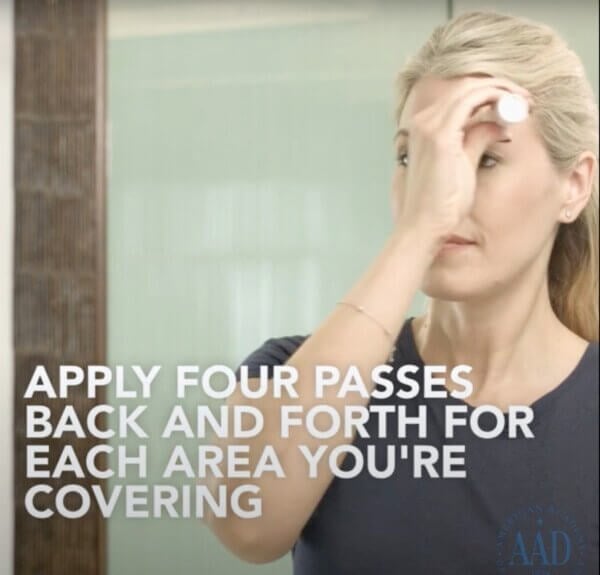
A widely circulated recommendation from the American Academy of Dermatology (AAD) suggests applying "4 passes" of a sunscreen stick for sufficient coverage. Wong’s study directly challenged this guideline. By meticulously counting stick passes over four distinct facial areas (left cheek, right cheek, forehead, chin) from her video footage, she found that an average first layer involved 9 passes, while three layers averaged 14 passes per area.
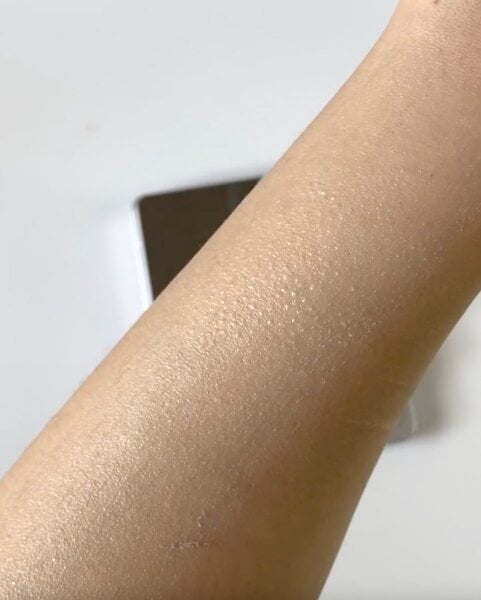
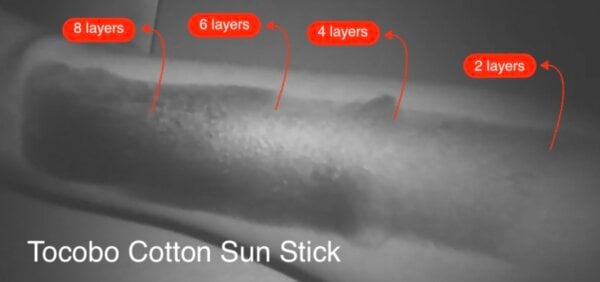
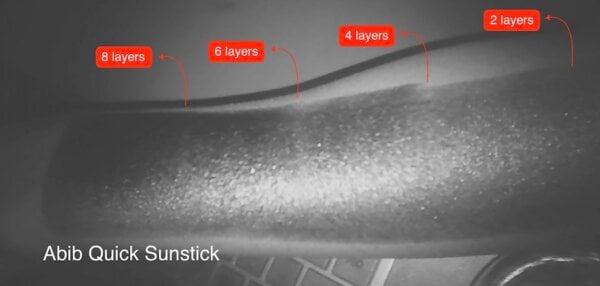
To further validate these observations on a flatter surface, Wong conducted arm tests. Using 20 passes of the Tocobo stick, she achieved an average coverage of 2.23 mg/cm², suggesting that approximately 16-21 passes would be needed for adequate coverage. For the Abib stick, which demonstrated a slicker texture, an astonishing 40-64 passes were required to reach the 2 mg/cm² threshold. This evidence overwhelmingly indicates that the AAD’s "4 passes" recommendation is drastically insufficient for achieving adequate protection and is likely based on an overestimation of product transfer.
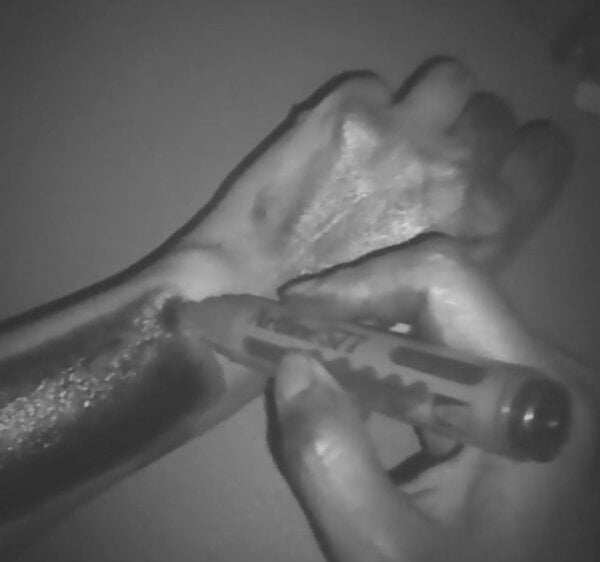
Wong hypothesized that the "4 passes" recommendation might stem from observations made with UV cameras, noting that the darkness of an applied patch on a UV camera often doesn’t visibly increase much after four passes. However, she underscored that UV cameras are a "very poor method for estimating SPF," as they primarily show coverage, not depth or uniform distribution, which are critical for true SPF.
The Problem of Missed Spots and Ergonomics
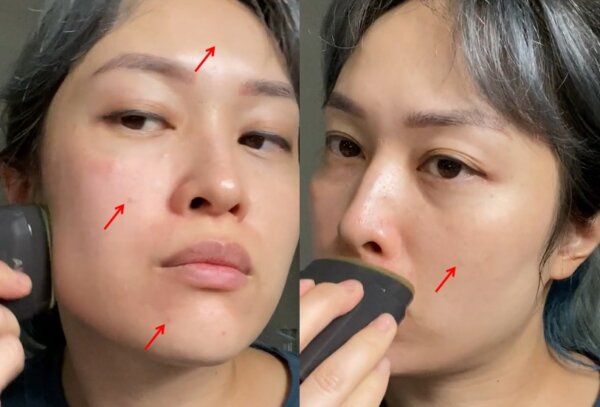
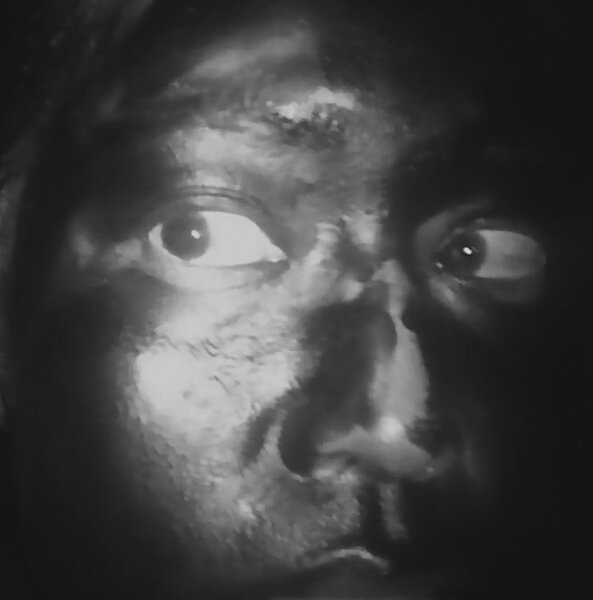
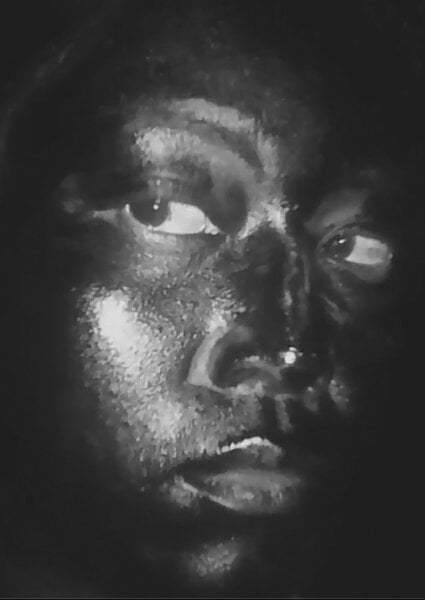
Beyond under-application, the study highlighted another critical flaw in sunscreen stick use: the prevalence of missed spots. Utilizing a UV camera, Wong observed significant gaps in coverage after even a first layer of chemical sunscreen sticks. Areas such as the middle of the nose, eyebrows, under the brow bone, near the hairline, and the crevices around the nostrils were frequently overlooked.
This issue, Wong explained, arises from the ergonomic limitations of sunscreen sticks. Unlike fingers, which can adapt to the contours of the face, sticks struggle with awkward spots and hard ridges. Furthermore, the absence of tactile feedback during application means users may not realize they’ve missed areas until too late. While these missed spots could be corrected by rubbing the sunscreen in, this negates some of the convenience that makes sticks appealing, and without a UV camera, users lack the visual guidance to identify precisely where to rub.
Texture, Appearance, and Wearability Concerns
The practical implications of applying adequate amounts of sunscreen stick extend to the sensory experience and cosmetic wearability. Wong found that even the first layer of stick sunscreen (around 0.29 grams) felt noticeably thicker and more substantial than a full 0.76-gram application of a lotion sunscreen. This is attributed to the differing formulations: lotions typically contain a high percentage of water and volatile solvents that evaporate, leaving a thinner film, whereas sticks contain fewer volatile ingredients, meaning most of the applied product remains on the skin.
As layers accumulated, the sticks became increasingly heavy and uncomfortable. After two layers, the textures were described as "acceptable but starting to get slidey," potentially compromising makeup longevity. By the third layer, all sticks created a "slippery mess," with the mineral Benton stick leaving white grease on fingers when touched.

In terms of appearance, the chemical sunscreen sticks (Tocobo and Abib) left no white cast. The Tocobo stick transitioned from a matte, silky finish after layer one to dewy with subsequent layers. The Abib stick was dewy after one layer and became quite glossy after two and three. The mineral Benton stick showed a slight white cast after one layer, which became "fairly whitening" after two layers and "pretty ghastly" after three, demonstrating the challenges of achieving high mineral SPF coverage without significant aesthetic drawbacks.
Expert Commentary and Public Health Implications

The findings from Lab Muffin Beauty Science’s investigation carry significant public health implications. Dermatologists and public health organizations consistently emphasize the critical role of adequate sunscreen application in preventing sunburn, premature skin aging, and reducing the risk of skin cancer. The widespread under-application of sunscreen sticks, as demonstrated by this study, suggests that many individuals may unknowingly be exposing themselves to higher levels of UV radiation than they intend.
"While sunscreen sticks offer undeniable convenience, especially for targeted reapplication, this research underscores the importance of understanding their limitations," states Dr. Elena Petrova, a hypothetical dermatologist specializing in photoprotection. "Consumers often equate ease of use with efficacy, but as this study shows, the application method profoundly impacts the actual protection received. For primary sun protection, especially during prolonged sun exposure, a generous application of a traditional lotion or cream sunscreen remains the gold standard."
The study implies a need for clearer, more evidence-based guidelines for sunscreen stick application from regulatory bodies and health organizations. The current "4 passes" recommendation appears to be insufficient and potentially misleading, leading consumers to a false sense of security.
Recommendations for Consumers and Future Research
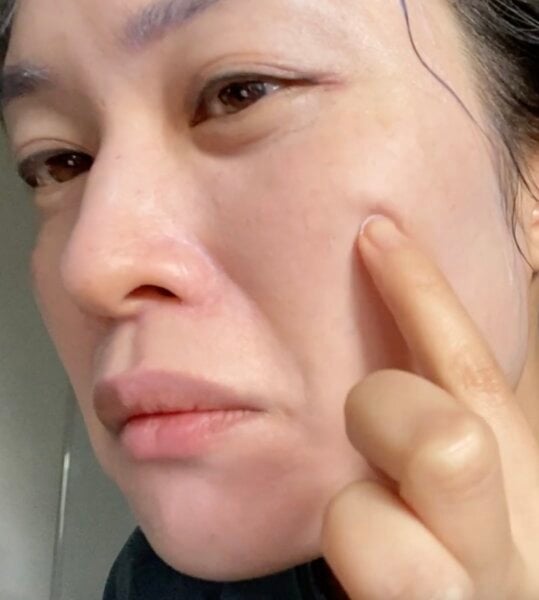
Based on these observations, Michelle Wong advises that sunscreen sticks should not be considered a primary form of sun protection, particularly for extensive sun exposure. Their convenience is outweighed by the difficulty in achieving adequate coverage, the prolonged application time, and the potential for missed spots and an uncomfortably heavy texture.
However, sticks still hold value in specific scenarios:
- Reapplication: They are excellent for reapplying sunscreen over makeup or on specific areas throughout the day when a full lotion application is impractical.
- Targeted Protection: Ideal for small, convex areas prone to sunburn, such as the ears, nose, or around the eyes.
- Active Lifestyles: Their mess-free nature makes them suitable for sports or outdoor activities where liquid sunscreens might be cumbersome.
The study, while comprehensive, acknowledges its limitations, primarily being a single-person experiment. Wong encourages further independent research to corroborate these findings across a broader demographic and with a wider range of sunscreen stick formulations. Such studies would provide invaluable data to inform public health messaging and potentially influence product development towards formulations that allow for easier and more effective application. The work of independent science communicators like Lab Muffin Beauty Science plays a crucial role in bridging the gap between scientific research and practical consumer advice, empowering individuals to make informed decisions about their skincare and health.
Affiliate Disclosure: I receive a small commission for purchases made via affiliate links.
How to cite: Wong M. How Much of a Sunscreen Stick Should You Apply?. Lab Muffin Beauty Science. June 25, 2026. Accessed June 25, 2026. https://labmuffin.com/how-to-apply-sunscreen-stick/
