
Polycystic Ovary Syndrome (PCOS) stands as one of the most prevalent endocrine disorders among women of reproductive age, affecting approximately 8% to 13% of the global female population. Characterized by a combination of hyperandrogenism, ovulatory dysfunction, and polycystic ovarian morphology, the condition serves as a primary driver of female infertility. For many women, the journey toward conception begins with a devastating diagnosis that highlights the systemic nature of the disorder, which extends far beyond the reproductive system to include metabolic and psychological implications. Clinical data suggests that while the path to pregnancy is often elongated for those with PCOS, strategic interventions in diet, weight management, and nutritional supplementation can significantly improve the physiological environment necessary for successful conception and a healthy gestation.
Clinical Overview and the Path to Diagnosis
The diagnostic journey for PCOS often begins when a patient encounters significant difficulty in conceiving, frequently after months or years of unsuccessful attempts. In the clinical setting, the Rotterdam criteria are most commonly used for diagnosis, requiring the presence of at least two of the following: irregular periods or ovulation, high levels of androgens (male hormones), and the presence of multiple small cysts on the ovaries. For the average patient, the realization that hormonal "irregularities" are part of a broader syndrome can be a source of profound emotional distress.

Medical chronologies for PCOS patients typically follow a pattern of early symptomatic warning signs—such as acne, hirsutism, or weight gain—that are often dismissed until fertility becomes a primary goal. Research indicates that the time to pregnancy for women with PCOS can vary wildly; while some may conceive within nine months through diligent lifestyle management, others may face years of intervention. The frustration of "messed up hormones" and the unpredictability of ovulation cycles create a sense of loss of control, necessitating a shift toward evidence-based self-management strategies alongside professional medical guidance.
The Mechanistic Role of Insulin and Testosterone
A cornerstone of PCOS pathology is insulin resistance, a condition in which the body’s cells do not respond effectively to insulin, leading the pancreas to produce more of the hormone to compensate. Elevated insulin levels do not merely affect blood sugar; they act directly on the ovaries to stimulate the production of testosterone. This hyperandrogenism is a primary disruptor of the menstrual cycle, often halting ovulation entirely.
To counteract this, clinical nutritionists emphasize the importance of a Low Glycemic Index (GI) diet. By consuming carbohydrates that are digested slowly, patients can prevent the sharp insulin spikes that trigger androgen production. Furthermore, balancing carbohydrate intake with high-quality proteins and healthy fats helps stabilize blood glucose levels. Data from various clinical trials suggest that improving insulin sensitivity through diet can lead to a spontaneous resumption of ovulation in a significant percentage of patients, thereby increasing the probability of natural conception without the immediate need for pharmaceutical ovulation induction.

Estrogen Imbalance and Environmental Influences
Estrogen dominance is another frequent complication in the PCOS profile. This imbalance can manifest as either excessively high or abnormally low levels, depending on the individual’s specific hormonal milieu. Two primary factors contribute to this dysregulation: the ingestion of exogenous hormones through animal products and exposure to xenoestrogens—synthetic compounds found in plastics, cosmetics, and industrial chemicals that mimic the behavior of natural estrogen.
The role of phytoestrogens, particularly those found in soy, remains a subject of intense debate within the medical community. Phytoestrogens possess a molecular structure similar to estradiol and can bind to estrogen receptors. The "lock and key" theory suggests that these plant-based estrogens can occupy receptors, preventing the body’s natural estrogen from binding and thus increasing circulating estrogen levels. Conversely, some researchers argue that this binding may signal the body to reduce its own estrogen production, potentially lowering overall levels. Given that some studies have linked high soy intake to delayed ovulation, many fertility specialists recommend a cautious approach, often suggesting the elimination of soy during the active pursuit of pregnancy.
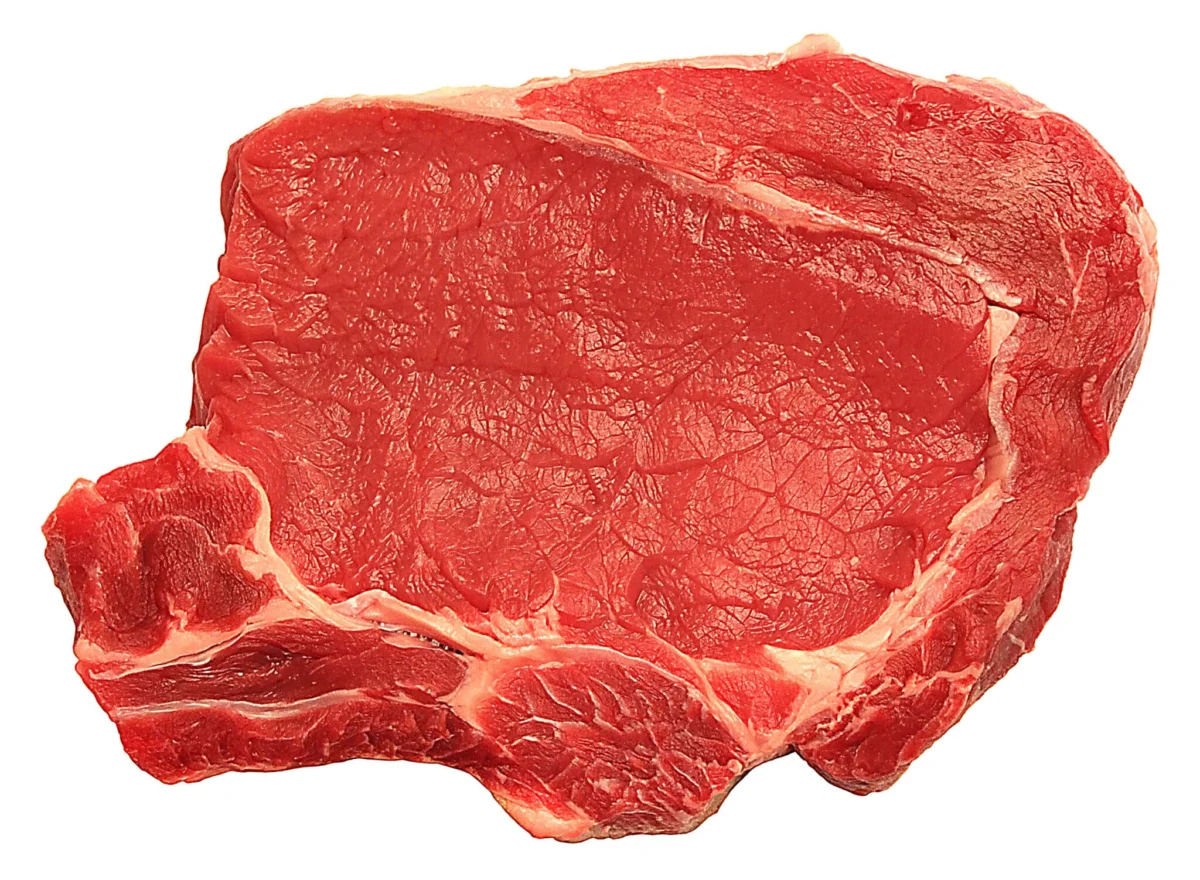
Furthermore, the quality of animal protein is a critical consideration. Conventional livestock are often treated with hormones and antibiotics to maximize yield. When these products are consumed, the residual hormones can further disrupt an already compromised human endocrine system. Consequently, medical experts often advocate for the consumption of organic, pasture-fed meats to minimize the intake of synthetic growth hormones, though the higher cost of these products remains a barrier for many patients.
The Critical Threshold of Weight Loss
Weight management is perhaps the most challenging yet impactful aspect of the PCOS fertility plan. The metabolic dysfunction associated with the syndrome makes weight loss exceptionally difficult compared to the general population. However, the clinical implications of even modest weight reduction are profound.
Supporting data from the American College of Obstetricians and Gynecologists (ACOG) indicates that a loss of just 5% to 10% of total body weight can significantly restore hormonal balance. This reduction in adipose tissue—which itself acts as an endocrine organ producing estrogen and inflammatory cytokines—can lower insulin resistance and androgen levels. This metabolic shift often results in the restoration of regular menstrual cycles and improved egg quality, providing a "best chance" scenario for both conception and the reduction of pregnancy-related complications such as gestational diabetes and preeclampsia.
Evidence-Based Nutritional Supplementation
While a "food first" approach is ideal, many women with PCOS exhibit specific nutrient deficiencies that hinder reproductive health. Supplementation is increasingly viewed as a foundational element of a comprehensive PCOS and pregnancy plan.
Chromium and Insulin Sensitivity
Chromium is a trace mineral that plays a vital role in the metabolism of glucose. Many women with PCOS are found to be deficient in this nutrient, which is essential for the proper functioning of insulin receptors. Supplementing with chromium has been shown to improve the body’s sensitivity to insulin, thereby lowering the compensatory insulin production that drives testosterone levels upward. However, clinicians warn that patients already taking insulin-sensitizing medications, such as Metformin, must consult with their physicians to avoid the risk of hypoglycemia.
Vitamin D and Calcium
The prevalence of Vitamin D deficiency in women with PCOS is estimated to be between 67% and 85%. This deficiency is linked to insulin resistance, poor follicle maturation, and mood disorders. Research has demonstrated that the combination of Vitamin D and Calcium supplementation can help regulate the menstrual cycle and increase the number of mature follicles in the ovaries. The presence of mature follicles is a prerequisite for successful ovulation and subsequent fertilization.
The Vitamin B Complex and Folic Acid
Vitamin B6 is essential for regulating progesterone levels and maintaining a healthy luteal phase—the period between ovulation and the start of a period. A shortened luteal phase can prevent a fertilized egg from successfully implanting in the uterine lining. Additionally, Vitamin B9 (Folic Acid) is a non-negotiable requirement for early pregnancy. It is critical for the development of the neural tube; adequate levels before and during early pregnancy are proven to prevent major birth defects such as spina bifida.
Omega-3 Fatty Acids
Omega-3 fatty acids, typically sourced from fish oil or algae, are potent anti-inflammatory agents. In the context of PCOS, Omega-3s have been shown to lower circulating testosterone levels and improve the lipid profile. By reducing systemic inflammation, these essential fatty acids help create a more receptive environment for pregnancy and support the hormonal architecture necessary for carrying a baby to term.
Broader Impact and Long-term Implications
The implications of managing PCOS through diet and lifestyle extend far beyond the immediate goal of pregnancy. Women with PCOS are at a significantly higher risk for developing Type 2 diabetes, cardiovascular disease, and endometrial cancer later in life. By adopting a rigorous nutritional framework during their childbearing years, patients are not only improving their fertility but also mitigating long-term health risks.
Furthermore, the psychological impact of PCOS cannot be overlooked. The syndrome is frequently associated with higher rates of anxiety and depression, often exacerbated by the stress of infertility. Successful management of the condition through proactive lifestyle changes can provide patients with a sense of agency and empowerment, which is vital for mental well-being during the arduous process of trying to conceive.

From a public health perspective, the rising prevalence of PCOS necessitates a shift toward multidisciplinary care models that integrate endocrinology, gynecology, and nutrition. As more women share their experiences and the "miracles" of successful conception through lifestyle intervention, the medical community continues to refine its understanding of how diet serves as a powerful tool in the treatment of endocrine disorders. The ultimate goal for any PCOS and pregnancy plan is to provide the mother and the developing fetus with the optimal biological foundation for a healthy life, proving that while the diagnosis is devastating, it is not a definitive barrier to motherhood.
