
The perplexing observation of increasing sunscreen use alongside a rise in skin cancer diagnoses, particularly melanoma, has fueled a persistent myth suggesting that sunscreens are ineffective or, worse, contribute to the disease. This apparent paradox, frequently amplified on social media platforms like TikTok, misinterprets complex public health trends and overlooks robust scientific evidence supporting sunscreen’s protective role. The core issue lies in a fundamental misunderstanding of statistical correlation versus causation and a failure to account for multiple confounding factors influencing cancer rates.
The Misleading Correlation: Unpacking a Viral Claim
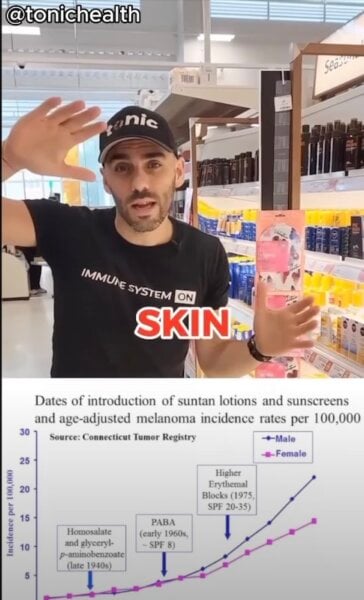
A recent viral clip from @TonicHealth on TikTok exemplifies this common misconception, questioning the efficacy of sunscreen by pointing to a chart showing a continuous rise in skin cancer rates since 1975, a period coinciding with increased sunscreen adoption. The narrative posits, "All these sunscreens are not doing the job they’re designed to do… The more sunscreen we use… It’s not having good health outcomes for our populations." While seemingly logical at first glance, this argument is fundamentally flawed, hinging on a logical fallacy where two concurrent trends are mistakenly assumed to be causally linked.
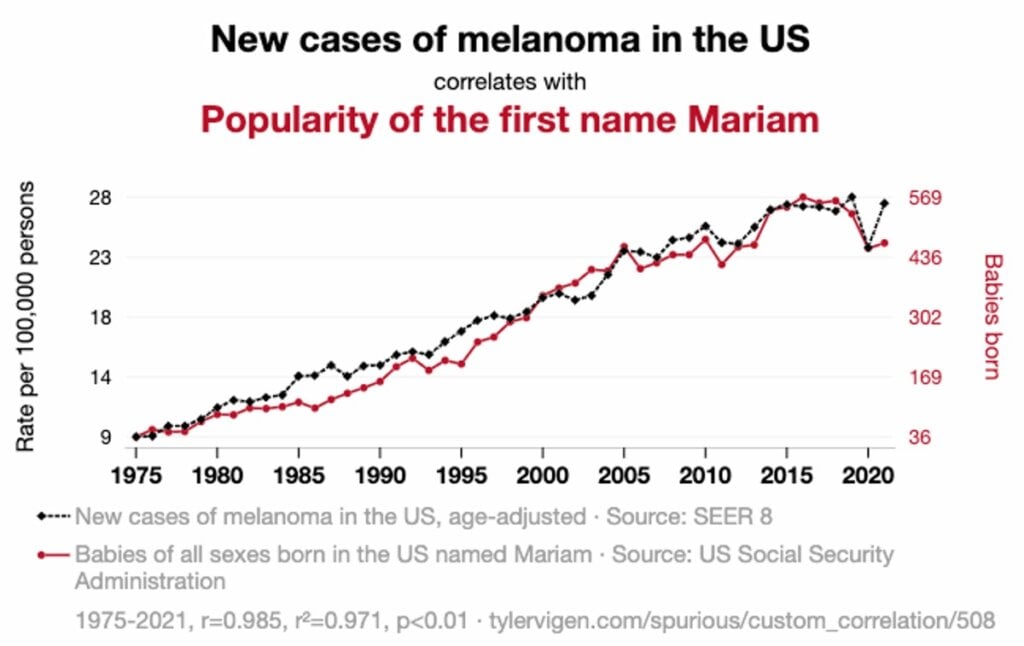
The chart referenced in such claims typically illustrates the increasing incidence of melanoma in regions like the United States, often starting from the 1930s or 1940s and extending to the present day. What these visual representations conspicuously lack is a parallel data line for sunscreen usage, let alone a demonstrable correlation that would even warrant a discussion of causation. The mere co-occurrence of two unrelated trends, such as the rise in US melanoma rates and, humorously, the number of babies named Mariam, as demonstrated by the "Spurious Correlations" website, highlights the absurdity of drawing causal conclusions from mere temporal overlap. Many other societal shifts have occurred since the 1930s – increased air travel, widespread adoption of television, the proliferation of processed foods – none of which are causally linked to skin cancer in the manner suggested for sunscreen.
The Scientific Consensus: Sunscreen’s Proven Efficacy
The scientific community unequivocally affirms the effectiveness of sunscreen in reducing the risk of skin cancer and photoaging. Unlike observational trends riddled with uncontrolled variables, the efficacy of sunscreen has been rigorously established through randomized controlled trials (RCTs), considered the gold standard in medical research. These experiments are meticulously designed to isolate variables, ensuring that any observed outcomes can be directly attributed to the intervention being studied.
One of the most significant and frequently cited RCTs is the Nambour Trial, conducted in Queensland, Australia, a region with exceptionally high rates of skin cancer. This groundbreaking study involved approximately 1,600 participants of similar age and skin type, living in the same geographic location, who were divided into two groups over 4.5 years. One group applied broad-spectrum sunscreen daily, while the control group used sunscreen at their discretion. Researchers then tracked the participants for an additional ten years, observing the incidence of various skin cancers and signs of aging.
The findings from the Nambour Trial were conclusive and compelling:

- Reduced Melanoma Risk: Daily sunscreen users experienced a significant reduction in the incidence of melanoma, the deadliest form of skin cancer. Specifically, the daily sunscreen group was found to be 50% less likely to develop invasive melanoma compared to the discretionary use group.
- Lower Squamous Cell Carcinoma (SCC) Risk: The trial also demonstrated a substantial decrease (40%) in the development of squamous cell carcinoma, another common form of skin cancer, among consistent sunscreen users.
- Prevention of Actinic Keratoses: Participants who used sunscreen daily had 35% fewer actinic keratoses, precancerous lesions that can evolve into SCC.
- Anti-Aging Benefits: Beyond cancer prevention, daily sunscreen application was associated with a remarkable 24% reduction in visible signs of skin aging, underscoring its role in maintaining skin health and appearance.
These results unequivocally contradict the notion that sunscreen is ineffective or harmful. Instead, they provide robust evidence that regular, proper sunscreen use is a critical component of skin cancer prevention.
Further scientific backing comes from molecular-level studies. Researchers have applied varying amounts of sunscreen to skin samples before exposing them to UV radiation mimicking sunlight. Subsequent analysis revealed that increased sunscreen application correlated directly with a reduction in pyrimidine dimers – specific DNA mutations caused by UV light that are recognized as the initial step in the formation of skin cancer. This direct evidence demonstrates sunscreen’s ability to absorb or reflect UV radiation, thereby preventing cellular damage at its most fundamental level.
Understanding the True Drivers of Rising Skin Cancer Rates
If sunscreen is effective, why have skin cancer rates, particularly melanoma, continued to climb globally in many regions? The answer lies in a confluence of interconnected societal, behavioral, and diagnostic factors that collectively overwhelm the protective effects of discretionary sunscreen use in the general population.
-
Increased Life Expectancy: Modern medicine and improved living conditions have significantly extended human lifespans. Since skin cancer, particularly melanoma, often develops over decades of cumulative sun exposure, and the average age of diagnosis for melanoma is around 65, more people are simply living long enough to develop these cancers. In earlier eras, individuals might have succumbed to other diseases before a skin cancer diagnosis was made. This demographic shift naturally inflates cancer statistics.
-
Changing Patterns of Sun Exposure: The mid-20th century marked a profound shift in leisure activities and travel. The advent of affordable air travel and package holidays made exotic beach vacations accessible to millions. Previously, many individuals, particularly those in indoor professions, experienced limited intense sun exposure. Now, these same individuals might expose their relatively unacclimated skin to intense, intermittent sun during annual holidays, leading to severe sunburns – a known risk factor for melanoma. Furthermore, cultural shifts towards outdoor recreation and less protective clothing have increased overall UV exposure.
-
The Rise of Tanning Culture: Paradoxically, as awareness of sun’s dangers grew, so did the cultural ideal of tanned skin as a symbol of health, attractiveness, and leisure. The 1970s and 80s saw the proliferation of tanning salons and the marketing of "tanning oils" that offered little to no UV protection. This pervasive desire for a tan actively encourages risky sun-seeking behaviors, directly counteracting public health messages. The US FDA began regulating sunscreens around the same time that commercial UV tanning beds became widespread, indicating a growing public engagement with UV exposure, both protective and intentional.
-
Enhanced Screening and Detection: Public health campaigns, dermatological advancements, and increased awareness among both the public and medical professionals have led to earlier and more frequent detection of skin cancers. Tools like the "ABCDEs" of melanoma self-examination (Asymmetry, Border irregularity, Color variation, Diameter, Evolving) empower individuals to monitor their skin. Doctors are also more vigilant in screening, often leading to the diagnosis of smaller, less advanced lesions that might have gone unnoticed in previous decades. This increased diagnostic scrutiny naturally contributes to higher reported incidence rates, even if the actual biological onset rate hasn’t increased proportionally.
Australia’s SunSmart Success: A Blueprint for Prevention
While many Western nations have grappled with rising skin cancer rates, Australia, a country with some of the highest UV levels and a historical prevalence of skin cancer, offers a compelling counter-narrative. Crucially, melanoma rates in young Australians (aged 15-24) have seen a significant decrease, roughly halving since the 1980s. This remarkable reversal is widely attributed to Australia’s pioneering and highly effective "SunSmart" public health initiatives.
The Australian experience underscores that effective skin cancer prevention requires more than just advocating for sunscreen use. It demands a comprehensive, multi-faceted public health strategy that integrates education, environmental modifications, and behavioral change. The "SunSmart" campaign, launched in the early 1980s by the Cancer Council Victoria, has become deeply embedded in the national consciousness. Its success stems from a coordinated approach that transcends simple product recommendations.
Key components of Australia’s SunSmart approach include:
-
The "Slip, Slop, Slap, Seek, Slide" Slogan: This iconic jingle, introduced in the early 1980s, has evolved to encapsulate a holistic approach to sun protection:
- Slip on a shirt: Emphasizing protective clothing.
- Slop on sunscreen: Promoting liberal and correct application of broad-spectrum sunscreen.
- Slap on a hat: Encouraging wide-brimmed hats for face, neck, and ear protection.
- Seek shade: Advocating for reducing direct sun exposure during peak UV hours.
- Slide on sunglasses: Protecting the eyes from UV damage.
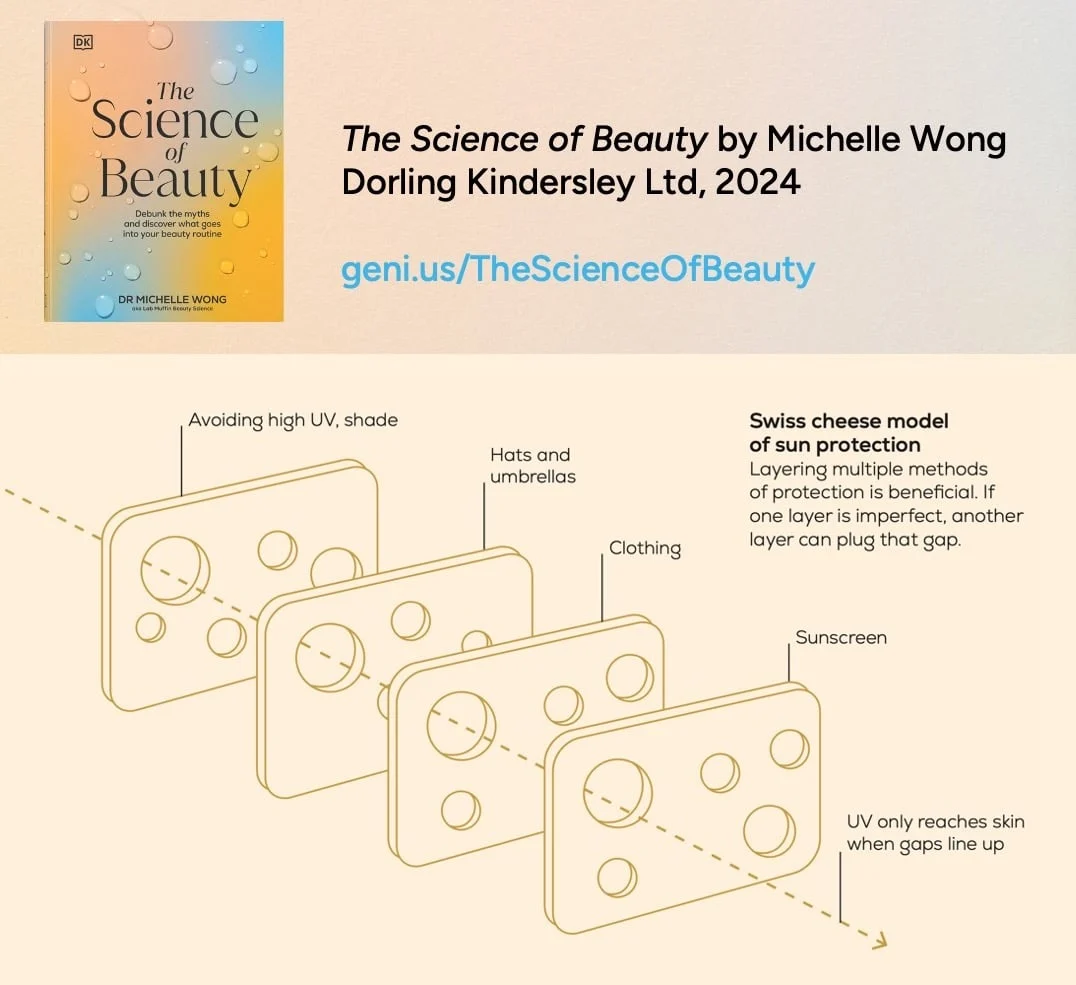
This "Swiss cheese model" of sun protection highlights that no single method is foolproof, but layering multiple strategies provides robust defense against UV radiation. Each "slice" (clothing, sunscreen, hat, shade, sunglasses) has holes, but when stacked, these holes rarely align, offering comprehensive protection.
-
"No Hat, No Play" Policies in Schools: A cornerstone of SunSmart’s impact on younger generations has been the implementation of mandatory "no hat, no play" policies in schools and childcare centers across the country. Children without appropriate hats are required to remain in shaded areas during outdoor play. This policy, though sometimes perceived as strict, ingrained sun-safe habits from an early age, making sun protection a social norm rather than an optional choice. The initial rigidity evolved to "no hat, play in the shade" to mitigate the emotional impact on children, but the core message remained.
-
Mandatory School Hats and Uniforms: Many Australian schools incorporate sun-protective elements into their uniforms, such as legionnaire hats with neck flaps or wide-brimmed hats, ensuring children have access to and are encouraged to use protective headwear.
-
Public Awareness and Infrastructure: SunSmart has also driven broader societal changes, including the provision of shade structures in public parks, playgrounds, and outdoor venues, alongside widespread public service announcements and educational campaigns.
This concerted effort has created a culture where sun protection is understood as a collective responsibility and a daily habit, rather than an occasional consideration. The decline in youth melanoma rates in Australia serves as a powerful testament to the effectiveness of such comprehensive public health interventions, demonstrating that while individual factors contribute to rising rates elsewhere, a coordinated strategy can indeed bend the curve.
The Broader Implications and Call for Evidence-Based Action
The persistence of misinformation regarding sunscreen efficacy poses a serious public health threat. If individuals are misled into believing that sunscreen is ineffective or harmful, they may abandon its use, thereby increasing their risk of sun damage, premature aging, and skin cancer. In an era dominated by social media, where unverified claims can spread globally within hours, the responsibility to disseminate accurate, evidence-based health information becomes paramount.
Health organizations worldwide, including the World Health Organization (WHO), the Centers for Disease Control and Prevention (CDC), and national cancer councils, consistently advocate for sun protection as a vital health measure. Their recommendations echo the Australian SunSmart model, emphasizing a multi-pronged approach: seeking shade, wearing protective clothing, hats, and sunglasses, and applying broad-spectrum sunscreen with an SPF of 30 or higher regularly.
The rising incidence of skin cancer in many parts of the world is a complex public health challenge, not a indictment of proven protective measures. It is a reflection of changing lifestyles, increased longevity, and improved detection, occurring despite, not because of, increased sunscreen use. Addressing this challenge requires continued investment in public education, rigorous scientific research, and policies that promote comprehensive sun-safe behaviors. By debunking myths and championing evidence-based strategies, we can ensure that individuals make informed choices to protect their skin and their health against the very real dangers of excessive UV radiation.
