

Hyaluronic acid (HA), a naturally occurring glycosaminoglycan, stands as a cornerstone ingredient in both the biological functions of the human body and the burgeoning global market for skincare and makeup. Often found alongside its sodium salt counterpart, sodium hyaluronate, HA’s ubiquitous presence and remarkable hygroscopic properties make it indispensable. Within the human body, HA is predominantly located in the extracellular matrix (ECM), a complex scaffold that provides structural support and facilitates vital cellular processes within tissues. Its presence is significant in both the superficial epidermis and the deeper dermal layers of the skin, where it plays critical roles in maintaining hydration, supporting metabolic activities, facilitating skin repair mechanisms, and offering protection against oxidative stress from free radicals and ultraviolet (UV) radiation.
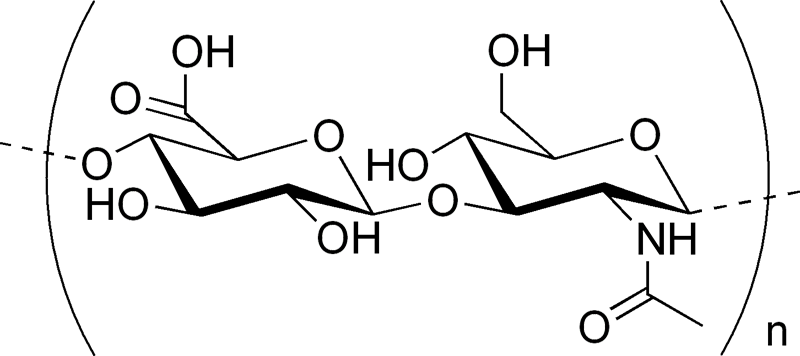
The chemical structure of hyaluronic acid, characterized by its highly polar nature, endows it with an extraordinary capacity to bind and retain water molecules. This intrinsic property is fundamental to its biological functions, enabling it to keep skin firm, plump, and resilient. Historically, it was theorized that declining levels of hyaluronic acid contributed to the thinning and drying observed in aged skin. However, contemporary research offers a more nuanced understanding, suggesting that while the total amount of hyaluronic acid in the skin may not drastically decrease with age, its distribution and structural integrity are significantly altered by both intrinsic (natural aging) and extrinsic (environmentally induced) factors. This redistribution contributes to the visible signs of aging, impacting skin’s texture and elasticity.
The Scientific Foundation of Hyaluronic Acid
To fully appreciate HA’s multifaceted roles, it is crucial to understand its scientific underpinnings. Hyaluronic acid is a linear polysaccharide composed of repeating disaccharide units of D-glucuronic acid and N-acetyl-D-glucosamine. Its polymeric nature allows it to form large, complex structures that are crucial for tissue organization and hydration. As a member of the glycosaminoglycan (GAG) family, which also includes chondroitin sulfate and heparan sulfate, HA distinguishes itself by being non-sulfated and typically of very high molecular weight in its native form. The abundance of hydroxyl and carboxyl groups along its chain makes it highly hydrophilic, accounting for its exceptional water-binding capabilities.
Within the extracellular matrix, HA is not merely a passive filler but an active participant in cellular signaling, cell migration, and tissue development. Its dynamic interaction with other ECM components, such as collagen and elastin, creates a viscoelastic environment essential for tissue resilience and function. For instance, in synovial fluid, HA acts as a lubricant and shock absorber, crucial for joint health. In the eye, it maintains the vitreous humor’s transparency and viscosity. These diverse biological roles underscore HA’s fundamental importance beyond its more popularly known cosmetic applications.
Evolution and Diverse Applications of Hyaluronic Acid
The journey of hyaluronic acid from scientific discovery to a ubiquitous cosmetic and medical agent spans several decades. First isolated by Karl Meyer and John Palmer from bovine vitreous humor in 1934, its unique properties were gradually elucidated. Early medical applications emerged in the 1960s with its use in ophthalmic surgery, primarily as a viscoelastic agent during cataract extraction and corneal transplantation, revolutionizing eye care. By the 1980s, its application expanded to orthopedics for viscosupplementation in treating osteoarthritis, where it is injected directly into joints to restore lubrication and cushioning.
The transition of HA into the cosmetic industry gained significant momentum in the late 20th and early 21st centuries. Its extraordinary capacity to attract and hold moisture made it an ideal humectant for skincare formulations. Unlike some other humectants like glycerin, which can sometimes impart a sticky or heavy feel, HA, especially when combined judiciously, can offer a lighter, more elegant skin feel while delivering potent hydration. This characteristic has cemented its status as a staple in moisturizers, serums, and masks designed to combat dehydration, smooth fine lines, and enhance skin’s overall appearance.
Hyaluronic Acid in Skincare: Molecular Weight Matters
The efficacy of hyaluronic acid in skincare products is not uniform; it is significantly influenced by its molecular weight. HA is typically categorized into different molecular sizes:
- High Molecular Weight (HMW-HA): These larger molecules tend to remain on the skin’s surface, forming a breathable film that attracts moisture from the atmosphere and reduces transepidermal water loss. This surface-level hydration helps to plump the skin, immediately reducing the appearance of fine lines and creating a smoother texture. HMW-HA also contributes to strengthening the skin’s natural barrier function.
- Low Molecular Weight (LMW-HA) / Hydrolyzed HA: These are smaller fragments produced by breaking down larger HA molecules. Due to their reduced size, LMW-HA molecules are capable of penetrating deeper into the epidermis. This deeper hydration contributes to improved skin elasticity and long-term moisture retention.
A scientific debate has emerged regarding LMW-HA’s potential to act as an "inflammatory signal." It is crucial to understand that inflammation is a complex biological process, not inherently negative. Acute inflammation is a vital component of the body’s healing response and immune defense. Studies on skin cells and tissues have indicated that LMW-HA can enhance the skin’s natural repair mechanisms, bolster its defense against microbial invaders, and potentially alleviate conditions such as seborrheic dermatitis. The inflammatory signaling associated with LMW-HA may, in these contexts, be beneficial, activating pathways critical for skin health and resilience. Further research is ongoing to fully elucidate the effects of different molecular weights of HA on normal skin and various skin conditions.
It is important to manage consumer expectations: while topical application of hyaluronic acid is an excellent strategy for hydrating the skin and improving its barrier function, it does not directly replenish the body’s endogenous HA stores. Even LMW-HA typically penetrates only to the lower epidermis, not reaching the deeper dermis where native HA is synthesized. Therefore, its primary benefit remains superior hydration, which, in turn, supports optimal skin function, improves texture, and contributes to a more youthful appearance. Beyond hydration, some research suggests modest anti-inflammatory and antioxidant activities from topical HA.
Sources and Ethical Considerations
The sourcing of hyaluronic acid for commercial products presents an interesting ethical and practical dimension. Historically, a significant source of HA was animal-derived, primarily from rooster combs, which are remarkably rich in the compound—containing approximately 15 times more HA than human skin. However, with advancements in biotechnology, biofermentation has become the predominant method for producing HA. This process involves the fermentation of specific bacteria (e.g., Streptococcus equi), resulting in a highly pure, consistent, and scalable source of hyaluronic acid. For vegetarian and vegan consumers, understanding the source of HA in their products is a critical consideration. Biofermented HA offers an animal-free alternative, aligning with evolving consumer preferences and ethical standards.
Beyond Topical Skincare: Broader Applications of Hyaluronic Acid
Hyaluronic acid’s utility extends far beyond surface-level skincare, impacting various medical and aesthetic fields:
- Dermal Fillers: One of the most prominent non-surgical cosmetic applications is in injectable dermal fillers. Chemically modified, or "cross-linked," hyaluronic acid is formulated into gels like Juvéderm, Restylane, and Voluma. These fillers are injected beneath the skin to add volume, smooth deep wrinkles and folds (such as nasolabial folds), enhance lips, and contour facial features. The cross-linking makes the HA more stable and resistant to enzymatic degradation, allowing the effects to last for several months to over a year. Macrolane, a highly cross-linked HA product, garnered controversy for its use in breast and buttock enhancement due to concerns about safety, potential complications, and interference with medical imaging.
- Makeup Primers: Dehydrated hyaluronic acid spheres are incorporated into many skin-smoothing primers, particularly anhydrous (water-free) formulations. When applied to the skin, these dry spheres settle into fine lines and wrinkles. Upon contact with skin moisture and atmospheric humidity, the HA spheres swell, effectively plumping out the lines and creating a smoother canvas for makeup application, imparting an instant blurring effect.
- Ophthalmology: As mentioned, HA has a long history in eye care. It is a key ingredient in many over-the-counter eye drops for dry eye syndrome, providing lubrication and moisture to the ocular surface. In surgical settings, it continues to be used as a viscoelastic agent to maintain space and protect delicate tissues during procedures like cataract surgery.
- Orthopedics: In viscosupplementation, HA is injected directly into joints affected by osteoarthritis. It aims to restore the viscoelastic properties of synovial fluid, reduce pain, improve joint mobility, and potentially slow down cartilage degradation.
- Oral Supplements: Oral hyaluronic acid supplements are marketed for joint health and skin hydration. However, the efficacy of these supplements remains a subject of considerable scientific skepticism. The primary concern revolves around whether HA can survive the acidic environment of the digestive tract intact and whether sufficiently large molecules can be absorbed into the bloodstream and effectively delivered to target tissues like the skin or joints. Currently, robust clinical evidence demonstrating significant benefits from oral HA supplementation is limited.
- Wound Healing and Tissue Engineering: Due to its biocompatibility and role in the extracellular matrix, HA is increasingly explored in wound healing applications, including dressings and scaffolds for tissue regeneration. Its ability to modulate inflammation and facilitate cell migration makes it valuable in promoting optimal healing and minimizing scarring.
Formulation Considerations and Consumer Guidance
For consumers, understanding how to best utilize HA products is crucial. As a potent humectant, hyaluronic acid performs optimally in environments where there is sufficient moisture for it to draw upon. In very dry climates, if not followed by an occlusive moisturizer, HA can paradoxically draw moisture from the deeper layers of the skin to the surface, potentially leading to dryness. Therefore, pairing HA serums with a good quality moisturizer that contains occlusive ingredients (e.g., petrolatum, silicones, waxes) is often recommended to seal in the hydration.
When selecting HA products, consumers might look for formulations that incorporate multiple molecular weights of HA, often listed as "sodium hyaluronate," "hydrolyzed hyaluronic acid," or "sodium acetylated hyaluronate," to achieve both surface and deeper epidermal hydration. Reputable brands often provide transparency regarding the types and concentrations of HA used in their products.
Dispelling Persistent Myths: The Importance of Scientific Rigor
The journey of hyaluronic acid in popular discourse is also a compelling illustration of how "fun facts" can propagate misinformation, even within scientific literature. A widely circulated claim suggested that "1 gram of hyaluronic acid can hold onto 6 litres of water." This specific assertion, despite being cited in some peer-reviewed articles, lacks original scientific substantiation and has been debunked through rigorous analysis. As detailed by Borchers and Pirrung in the Journal of Cosmetic Science, such claims, particularly when tangential to an article’s main topic and lacking direct experimental verification, warrant skepticism. This serves as a vital reminder for both researchers and consumers to critically evaluate scientific information, regardless of the source’s perceived authority, and to prioritize data-driven evidence.
The Enduring Impact and Future Outlook
Hyaluronic acid has transitioned from a biological curiosity to an indispensable component across various industries. Its unique biochemical properties, particularly its unparalleled ability to retain moisture, have solidified its position in cosmetic science and aesthetic medicine. From providing immediate plumping and hydration in skincare to offering structural support in dermal fillers and therapeutic benefits in orthopedics and ophthalmology, HA’s versatility is remarkable.
The market for hyaluronic acid continues to expand, driven by ongoing research into new formulations, delivery systems, and a deeper understanding of its biological interactions. Innovations in biotechnology are constantly refining production methods, ensuring higher purity and diverse molecular weights tailored for specific applications. As scientific understanding evolves, HA is likely to continue its trajectory as a critical ingredient, further cementing its role at the intersection of health, beauty, and advanced medical therapies. Its story is a testament to the enduring power of fundamental scientific discovery and its profound impact on human well-being and quality of life.
