
The pervasive notion that repeatedly wetting and drying hair causes inherent damage, often termed "hygral fatigue," is a persistent myth that lacks robust scientific backing. Despite its widespread acceptance in beauty communities and even its occasional appearance in peer-reviewed literature, the underlying science suggests that water’s interaction with hair, while complex, does not lead to a cumulative, damaging "fatigue" from hydration and dehydration cycles alone. This article delves into the scientific understanding of hair structure and water interaction, critically examines the evidence cited in support of hygral fatigue, and clarifies the true mechanisms of hair damage, offering a fact-based perspective for informed hair care.
The Enduring Myth of Hygral Fatigue
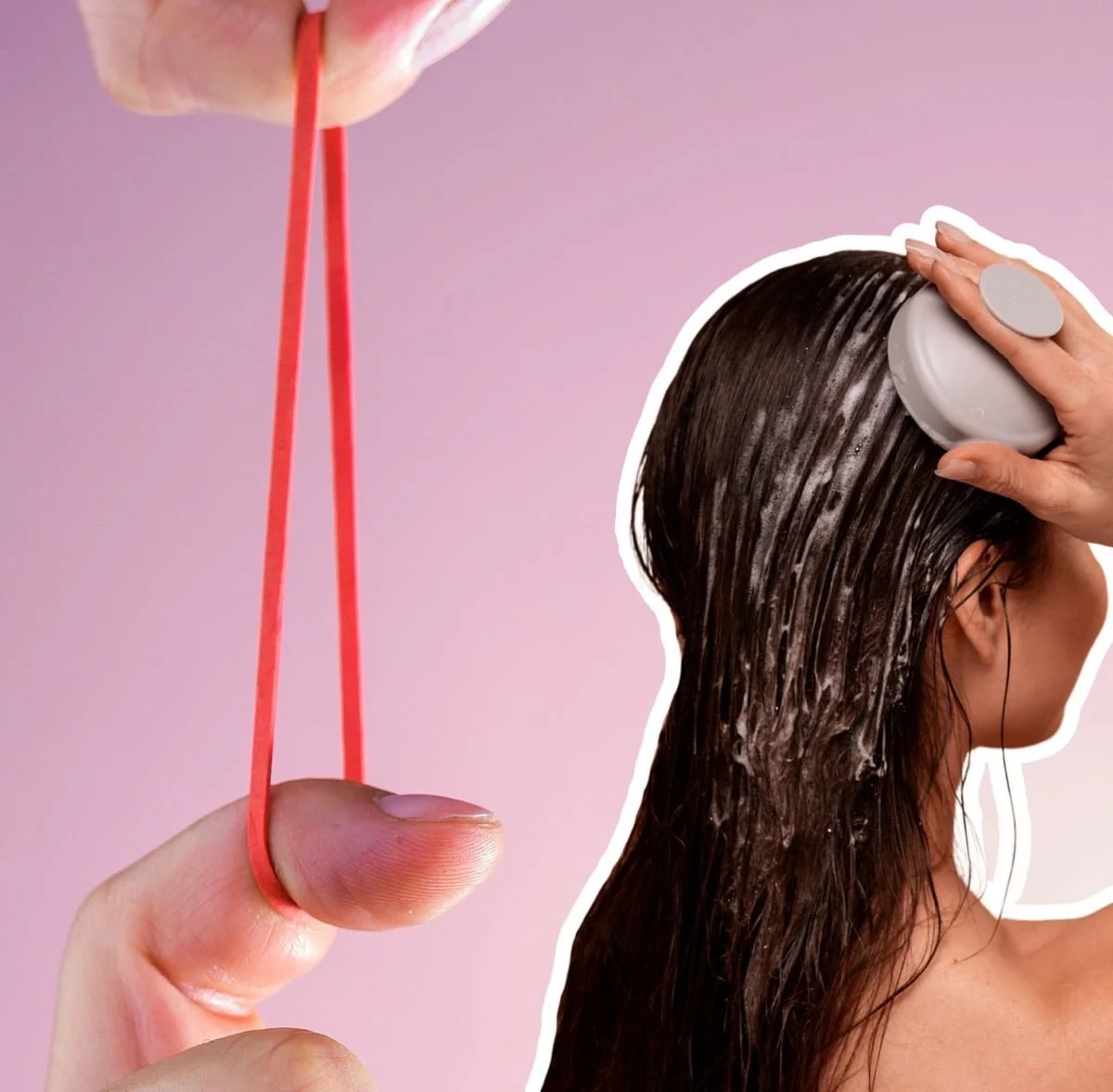
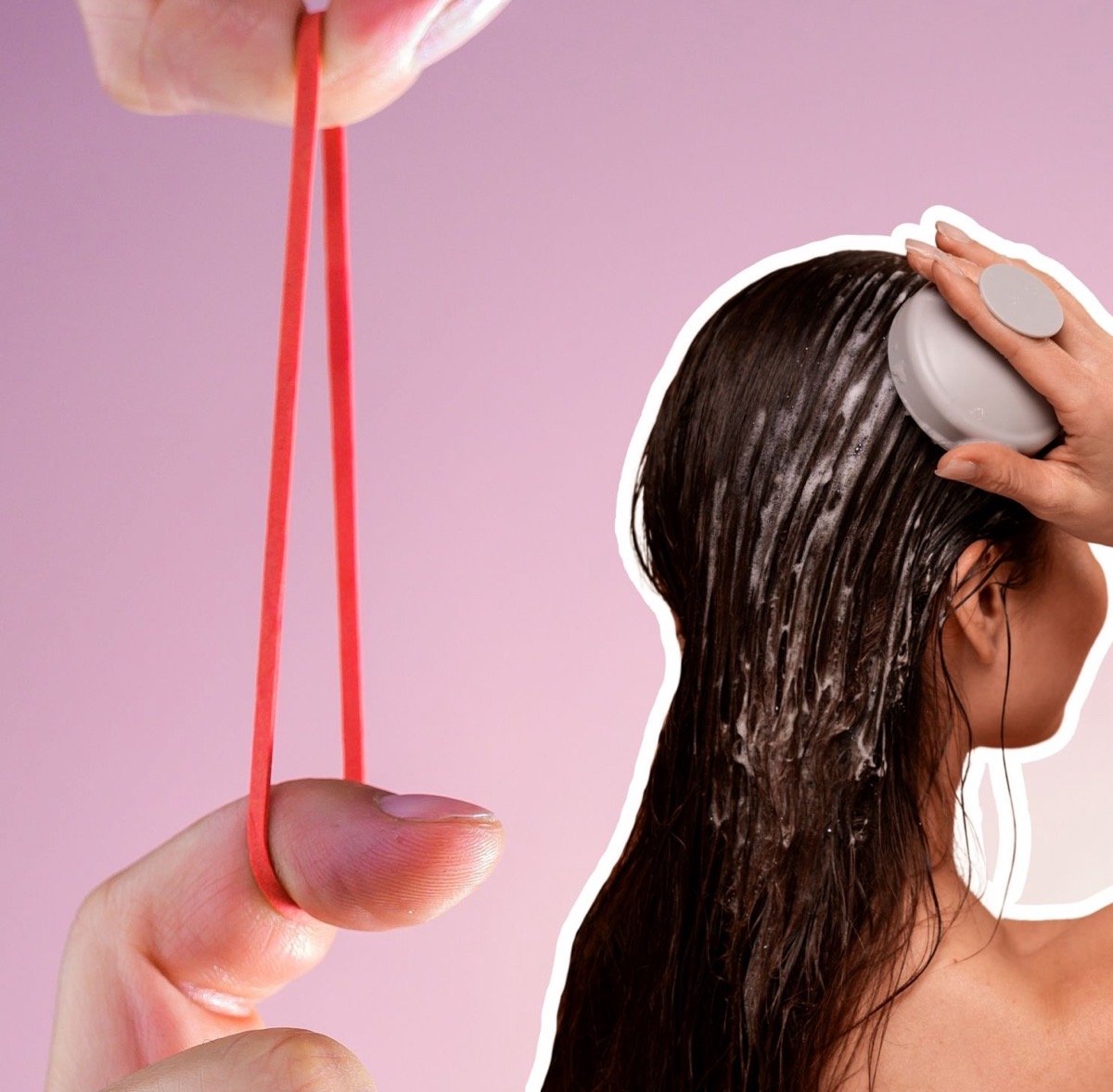
The concept of hygral fatigue posits that the continuous swelling and deswelling of hair fibers as they absorb and release water weakens their structure over time, leading to increased porosity, breakage, and overall degradation. This idea has resonated deeply within various hair care circles, particularly those advocating for less frequent washing or specific routines to "protect" hair from water. Proponents often draw analogies to materials that degrade under repeated stress, such as a rubber band losing elasticity after being stretched multiple times until it eventually snaps. This intuitive comparison, however, fundamentally misunderstands the molecular architecture and dynamic properties of human hair.
The popularity of the hygral fatigue myth is partly due to the observable fact that hair is more fragile when wet. This increased vulnerability, however, is frequently misattributed to the water itself causing structural damage through its absorption and release. Instead, scientific consensus points to mechanical stress during handling—combing, brushing, towel-drying, or styling—as the primary culprit for damage to wet hair, rather than the intrinsic process of water entering and exiting the hair shaft. Understanding this distinction is crucial for dispelling the myth and adopting effective hair care practices.
Understanding Hair at the Molecular Level
To comprehend why the hygral fatigue myth is scientifically unfounded, it’s essential to briefly revisit the intricate structure of human hair and its interaction with water. Hair is primarily composed of keratin, a fibrous protein, organized into three main layers: the cuticle, the cortex, and in some hair types, the medulla. The outermost layer, the cuticle, consists of overlapping, scale-like cells that protect the inner cortex. The cortex, the main bulk of the hair fiber, provides strength and elasticity and contains various types of chemical bonds that maintain its integrity.
Water interacts primarily with the cortex, causing the hair fiber to swell. This swelling is largely due to water molecules forming temporary hydrogen bonds with the keratin proteins. Hair’s strength and elasticity derive from a network of bonds:
- Disulfide bonds: These are strong, permanent covalent bonds that contribute significantly to hair’s structural integrity and shape. They are not broken by water.
- Ionic bonds (salt bonds): These are temporary bonds that can be broken by changes in pH (e.g., highly alkaline or acidic products) but reform easily when the pH is normalized.
- Hydrogen bonds: These are the most numerous and weakest bonds in hair. They are temporarily broken by water (when hair gets wet) and heat, but readily reform as hair dries. These bonds are responsible for holding hair in its style (e.g., a curl created by a curling iron) until it gets wet again.
When hair absorbs water, it swells, and many of these temporary hydrogen bonds are broken. However, as the hair dries, these same hydrogen bonds spontaneously reform. The key difference between hair and a rubber band, as highlighted by scientists like Michelle Wong of Lab Muffin Beauty Science, is the nature of the bonds being disrupted. Stretching a rubber band breaks permanent, non-reforming chemical bonds, leading to cumulative damage. In contrast, water’s interaction with hair involves breaking and reforming temporary hydrogen bonds. These bonds are incredibly robust at the atomic level; electrons and protons do not "wear down" from repeated formation and breakage. A more accurate analogy might be connecting and disconnecting LEGO bricks – the individual bricks themselves are not damaged by repeated assembly and disassembly. Therefore, the cyclical breaking and reforming of these temporary bonds do not inherently degrade the hair fiber.
Scientific Scrutiny: Examining the Evidence for Damage
Despite the scientific understanding of hair bonds, some studies have been cited to support the concept of hygral fatigue. A closer look, however, reveals significant limitations in their methodology or interpretation.
Case Study 1: The 2011 Hair Drying Study (Lee et al.)
One frequently referenced study, published in Annals of Dermatology in 2011 by Lee et al., investigated the damage caused by different hair drying methods. The researchers compared air drying with blow drying at varying temperatures and distances. Their findings suggested that blow drying at a low temperature caused the least damage. Crucially, they observed distinct "bulges" in the air-dried hair samples, which they concluded were a result of prolonged water swelling the hair, thereby attributing damage to the inherent process of air drying and extended water exposure.
However, this interpretation has faced significant scientific critique. Air drying is a standard practice in countless hair experiments and daily routines globally. If air drying consistently caused such discernible bulges and damage, these observations would be widely reported across hair science literature. The fact that this is not the case suggests that the bulges observed by Lee et al. were likely an anomaly specific to their experimental setup or sample, rather than a general consequence of air drying. Possible alternative explanations include:
- Experimental Artifact: The bulges could have been an issue with the specific hair sample used, perhaps pre-existing damage or a unique characteristic of that particular batch of hair. The study does not clearly detail the number of repetitions or the consistency of these observations across multiple samples, making it difficult to rule out a fluke.
- Pre-existing Damage: Hair samples used in studies might have prior damage from environmental factors (e.g., sun exposure, pollution) or chemical treatments, which could manifest in structural irregularities.
- Methodological Limitations: The exact conditions of air drying or the imaging techniques used might have introduced distortions or highlighted pre-existing features in a misleading way.
Without further independent replication and verification, drawing broad conclusions about inherent damage from air drying based on these isolated observations is scientifically unsound. The prevailing view among hair scientists is that air drying, while potentially prolonging the period during which hair is more susceptible to mechanical damage, does not inherently damage hair through the swelling and deswelling process itself.
Case Study 2: Coconut Oil and Water Absorption
Another set of studies, often cited in discussions of hygral fatigue, concerns the protective effects of coconut oil. Some research has proposed that coconut oil can penetrate the hair shaft and "block" water absorption, thereby preventing hygral fatigue. These studies sometimes explicitly use the term "hygral fatigue" but notably often lack citations to original research demonstrating the phenomenon in the first place, thus building upon an unproven premise.
A common experimental design involved coating hair samples with different oils (e.g., coconut, mineral, sunflower) and then subjecting them to dynamic vapor sorption (DVS) analysis. In DVS, the weight of hair is measured at various humidities; an increase in weight is attributed to absorbed water. Researchers observed that coconut oil-treated hair showed a smaller percentage increase in weight compared to untreated or other oil-treated hair, leading them to conclude that coconut oil effectively blocked water absorption.
However, this interpretation has been critically challenged by hair scientists like Trefor Evans. Evans points out a crucial experimental error: when hair is coated with oil, its total weight increases. If the same absolute amount of water is absorbed by the hair, expressing this as a percentage of the total weight (hair + oil) will result in a smaller percentage compared to untreated hair (just hair). This mathematical artifact could misleadingly suggest reduced water absorption, even if the actual amount of water absorbed by the keratin structure remains similar.
Furthermore, from a structural perspective, it is highly improbable that any oil, including coconut oil, could effectively "seal" the hair shaft against water molecules. Hair’s cuticle is like a "pinecone," with numerous overlapping scales and microscopic gaps at their edges. Water molecules are incredibly small and can easily permeate these spaces. While oils can certainly coat the hair surface and fill some gaps, creating an impermeable barrier against tiny water molecules, especially within the porous structure of hair, is physically challenging. The water content of hair is largely dictated by the ambient relative humidity, and while oils can slow down the rate of water exchange, they cannot fundamentally prevent it.
This does not negate the benefits of coconut oil for hair. Research suggests that coconut oil, due to its molecular structure, can penetrate deeper into the hair cortex than many other oils. Once inside, it can act as a lubricant and potentially fill microscopic gaps within the hair’s oily intercellular cement (the "mortar" between keratin "bricks"), which can help reduce internal cracking and protect the hair from protein loss during washing. Its primary benefit, however, lies in reducing friction and protecting the cuticle from mechanical damage, not in preventing a non-existent "hygral fatigue."
The True Vulnerability of Wet Hair
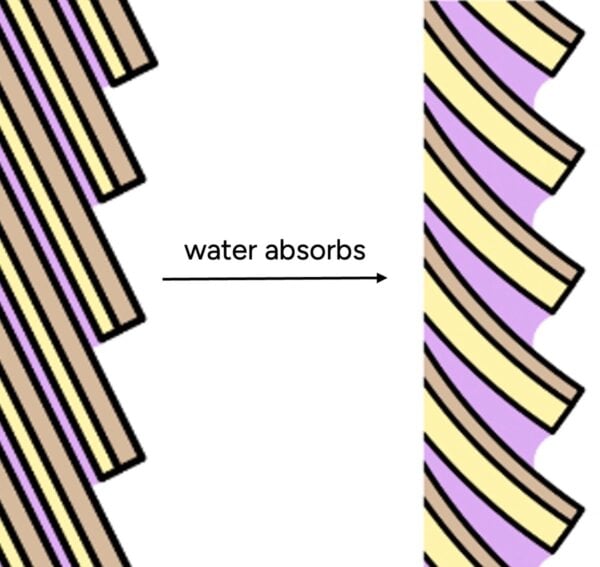
While water itself does not inherently damage hair through repeated wetting and drying, it is an undeniable fact that hair is significantly more fragile when wet. This increased vulnerability stems from two main factors:
- Softened Keratin Structure: When hair is wet, the keratin proteins absorb water, causing the hair to swell and the hydrogen bonds to temporarily break. This softens the internal structure, making the hair more pliable and less resistant to external forces.
- Increased Friction: The cuticle scales, which lie flat when hair is dry, tend to lift slightly when wet. This can increase friction between individual hair strands and make them more prone to tangling.
Consequently, wet hair is highly susceptible to mechanical damage. Vigorous towel-drying, aggressive brushing or combing, tight hairstyling, or excessive manipulation when wet can cause significant breakage, cuticle damage, and even lead to permanent structural weakening. This is the critical distinction: the damage is caused by how wet hair is handled, not by the water itself or the process of its absorption and desorption.
Broader Implications for Hair Care Practices
Dispelling the myth of hygral fatigue has significant implications for daily hair care routines:
- Washing Frequency: Individuals no longer need to fear washing their hair daily if desired. The frequency of washing should be dictated by personal preference, scalp health, and lifestyle, not by a concern about water-induced damage.
- Gentle Handling is Key: The most crucial takeaway is the importance of gentle handling of wet hair. This includes:
- Using a wide-tooth comb or fingers to detangle wet hair, starting from the ends and working upwards.
- Blotting hair gently with a microfiber towel instead of vigorous rubbing.
- Opting for air drying or using a blow dryer on a low-heat setting with a diffuser, holding it at a distance.
- Avoiding tight hairstyles or excessive manipulation of wet hair.
- Role of Conditioners and Oils: Conditioners are essential not to "seal out" water but to smooth the cuticle, reduce friction, and provide lubrication, making wet hair easier to detangle and less prone to mechanical damage. Oils, like coconut oil, also contribute to this protective effect by lubricating the hair surface and, in some cases, providing internal reinforcement.
Expert Perspectives and Future Directions
The ongoing efforts of scientists and science communicators, such as Michelle Wong (Lab Muffin Beauty Science) and Trefor Evans (a renowned hair scientist), are vital in challenging widespread beauty myths with evidence-based information. Their work underscores the importance of critical thinking and the rigorous application of scientific methodology to understand complex biological systems like human hair.
The beauty industry is rife with claims that often outpace scientific validation. The myth of hygral fatigue serves as a prime example of how plausible-sounding theories can become ingrained in popular consciousness without sufficient empirical support. Moving forward, continued scientific research, transparent communication, and a commitment to rigorous methodology are necessary to provide consumers with accurate information and empower them to make informed choices about their hair care. The goal is not to discourage hydration, which is essential for healthy, flexible hair, but to understand its true mechanisms and protect hair from actual damaging factors.
In conclusion, the scientific evidence overwhelmingly indicates that repeated cycles of wetting and drying hair do not inherently cause damage through a process of "hygral fatigue." The critical factor in maintaining hair health is gentle handling, particularly when hair is in its more vulnerable wet state, rather than attempting to avoid water exposure altogether. By understanding the true science of hair, individuals can adopt more effective and less anxiety-ridden hair care routines.
