
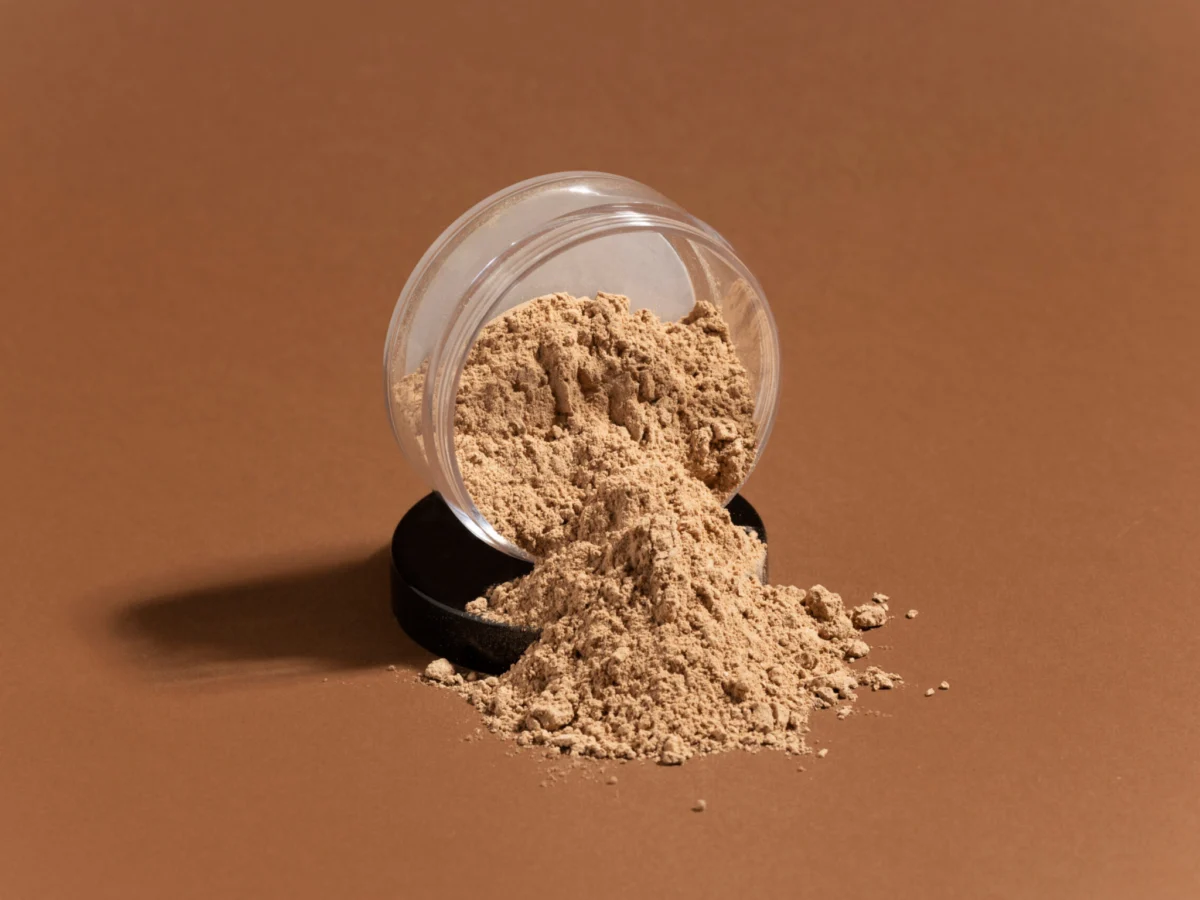
The burgeoning plant-based food industry, while celebrated for its sustainability and health benefits, often grapples with the management of byproducts generated during the production of popular alternatives. In Sweden, a nation at the forefront of oat milk innovation, the food technology startup Livoo is addressing this challenge head-on by transforming a commonly discarded resource into a valuable, high-performance ingredient. Livoo has officially launched Eco-Oatup, a novel, organic, plant-based protein powder meticulously crafted from the pulp left over after oat milk is processed. This innovative ingredient promises to bolster the nutritional profile and sustainability credentials of a wide array of food products, from baked goods to meat and dairy alternatives.
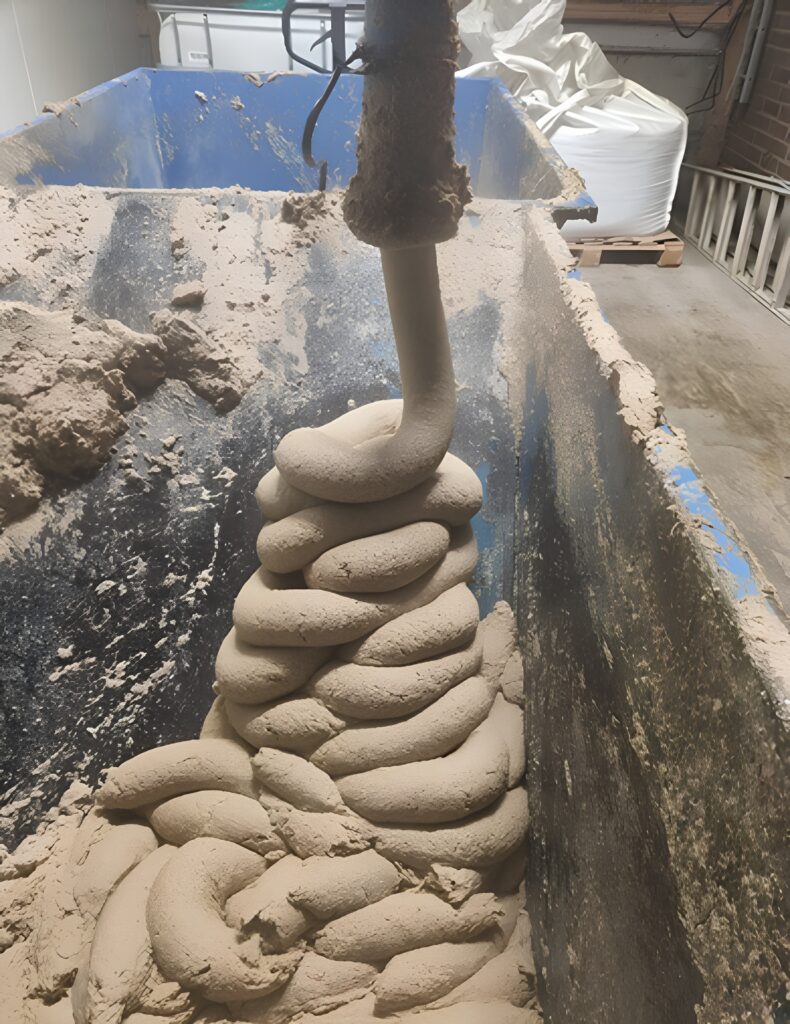
The genesis of Eco-Oatup lies in the fundamental process of oat milk creation. When oats are blended with water and then strained, the liquid forms the familiar oat milk, while a wet, fibrous residue, often referred to as oat okara, remains. This pulp is inherently rich in protein, dietary fiber, and essential micronutrients. However, its high moisture content and rapid perishability have historically presented significant obstacles to its efficient valorization on an industrial scale. Companies have often treated this nutrient-dense material as low-value waste, leading to substantial environmental and economic inefficiency.
Livoo’s breakthrough lies in its proprietary drying technology, which effectively stabilizes the oat okara, converting it into a shelf-stable, highly functional food ingredient. This advanced process is designed to meticulously preserve the inherent nutritional value of the raw material while significantly extending its usability and market potential. Stefan Ekstrand, CEO of Livoo, emphasized the company’s strategic approach, stating, "Instead of treating this material as a low-value byproduct, Livoo converts it into a high-value food ingredient through controlled stabilisation, drying, milling and sieving. This is where much of the value is created: a short-life, underutilised sidestream is transformed into a stable, premium ingredient for modern food applications." This transformation addresses a critical gap in the circular economy for the rapidly expanding oat-based food sector.
The Science Behind Eco-Oatup: Upcycling Oat Pulp for Enhanced Nutrition
The scale of oat okara generation is considerable. Research indicates that for every liter of oat milk produced, approximately 200 to 450 grams of pulp are left as a byproduct. Globally, this translates to an estimated 228,000 metric tons of oat okara generated annually, a figure projected to soar to 500,000 metric tons by the end of the current decade. Recognizing this immense potential, Livoo has developed a system to recover this valuable sidestream at or near its source.
The company employs a low-temperature drying technology, a crucial differentiator from conventional high-heat methods that can degrade sensitive proteins and fibers. Livoo’s patented dehydration and homogenization process ensures the integrity of the functional and nutritional properties of the oat pulp. This gentle stabilization is paramount, as Ekstrand explains, "Because oat okara has very high moisture content, it must be handled directly after production to prevent microbial growth. It begins to deteriorate in less than 60 minutes after leaving the oat drink production process if it is not stabilized." Livoo’s intervention arrests this deterioration by significantly reducing water activity, rendering the material microbiologically stable and suitable for long-term storage, transportation, and industrial integration. Following stabilization, the dried material is milled to precise particle sizes, catering to the specific textural and functional requirements of diverse applications.
The resulting Eco-Oatup ingredient boasts an impressive nutritional profile. It contains approximately 40% native oat protein, a concentration three times higher than that found in conventional whole oats. Furthermore, it delivers around 20% dietary fiber, double the amount in standard oats, including a significant 5% beta-glucan content. Beta-glucans are renowned for their health benefits, particularly their role in cholesterol management and gut health. Eco-Oatup also provides a spectrum of essential amino acids, with a notable abundance of leucine, isoleucine, and valine, collectively known as branched-chain amino acids (BCAAs). Its BCAA content of 6.93 grams per 100 grams is competitive, even surpassing that of commonly used pea or rice protein isolates.
Juan Carillo, Head of Ingredients at Livoo, highlighted the ingredient’s potential for synergy: "Like most cereal proteins, oat protein is not normally positioned as a complete protein on its own because lysine is the limiting amino acid, but this creates a strong blending opportunity. When combined with lysine-rich proteins, such as pea, fava, soy or mung bean, Oatup can help create a more balanced amino acid profile while adding benefits many isolates do not offer: fibre, oat taste, circularity, clean-label appeal and consumer-friendly oat positioning." This characteristic makes Eco-Oatup an ideal partner for formulators seeking to optimize the nutritional completeness and functional attributes of plant-based protein blends.
Reducing Environmental Footprint: Local Manufacturing and Modularity
Livoo’s commitment to sustainability extends beyond ingredient valorization to its manufacturing processes. The company utilizes modular drying systems that allow for flexible deployment directly at oat milk production sites. This localized approach minimizes the transportation of water-heavy biomass, thereby significantly reducing associated carbon emissions and the overall environmental footprint of the ingredient’s lifecycle.
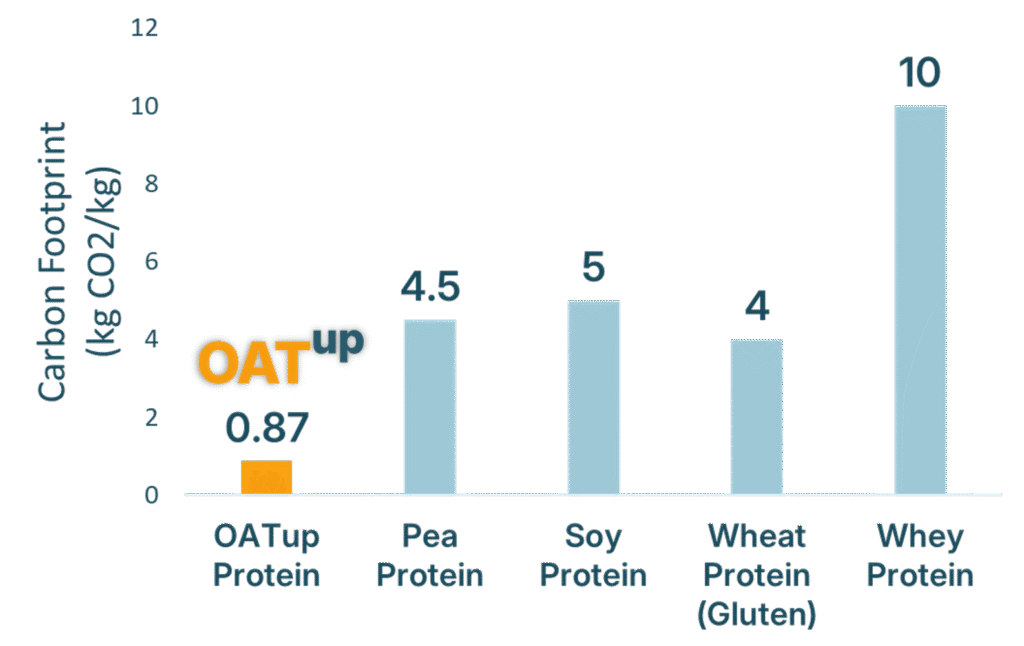
The environmental impact of Eco-Oatup is striking. Estimates suggest that the oat pulp protein generates approximately 0.87 kg of CO2 equivalent per kilogram. This figure represents a reduction of over 80% compared to pea or soy protein and more than 90% lower than whey protein. Livoo projects that incorporating Eco-Oatup at levels of 20-50% in food products could lead to a 40-60% reduction in their overall climate footprint. This aligns with global efforts to mitigate climate change, where reducing food waste and loss—which contribute significantly to greenhouse gas emissions—is paramount. By transforming byproducts into valuable ingredients, Livoo is actively contributing to the advancement of the circular economy, unlocking economic value, and alleviating environmental burdens.
Ekstrand further elaborated on their supply chain strategy: "We source okara from selected food producers across the EU in a supply model designed to scale with the oat drink and oat-based food industry. This gives manufacturers a European, oat-based, circular ingredient story with strong relevance for better-for-you and sustainability-led brands." The company’s manufacturing operations are based within the EU, with continuous scaling to meet growing demand. Their overarching model is to stabilize valuable sidestreams close to their origin and reintegrate them into the food system as premium, functional ingredients.
Livoo has already commenced shipping its first commercial batches of oat protein to business-to-business partners across Europe. The company is actively scaling up drying installations in collaboration with multiple oat milk producers. Parallel to this expansion, Livoo is investing in new product development leveraging the Eco-Oatup protein, aiming to broaden its ingredients division for global distribution and introduce its flexible deployment model to new geographical markets.
Diverse Applications and Market Trends: Beyond Food
While Livoo’s primary focus for Eco-Oatup is the food industry, the ingredient’s versatile properties open doors to applications in other sectors. In the cosmetics and personal care industry, its potential as a plant-based active ingredient for skincare, moisturizers, and haircare formulations is being explored. Its natural composition and beneficial properties could offer unique advantages in these product categories. Furthermore, Eco-Oatup is being positioned as a high-protein, high-fiber, clean-label solution for the pet food market, catering to the growing demand for healthier and more sustainable pet nutrition.
The intrinsic characteristics of Eco-Oatup make it highly adaptable for a wide range of food applications. Its soft texture and mild cereal flavor are well-suited for integration into plant-based meat and non-dairy products, granola, protein shakes, nutrition powders, functional bars, snacks, and high-protein bakery items. "It combines plant-based oat protein, dietary fibre, mild cereal taste, clean-label simplicity, circular economy storytelling and formulation flexibility in one ingredient, helping brands create higher-value products rather than competing only on cost per gram of protein," Ekstrand noted.
The ingredient’s high protein and fiber content directly addresses prevailing consumer trends. The pursuit of increased protein and fiber intake, often termed "protein-packing" and "fibermaxxing," has gained significant traction online, particularly among Gen Z. In markets like the United States, these nutrients have become primary consumer focal points, influenced in part by the widespread adoption of GLP-1 drugs such as Ozempic and Mounjaro, which are known for their appetite-suppressing effects and often associated with dietary changes.
Livoo reports that Eco-Oatup entered the market last year and is already being incorporated into products such as post-workout mixes, nutrition bars, and oat protein powders. The ingredient is offered in various powder formats, tailored to specific applications rather than a one-size-fits-all approach. The company is actively developing applications in an expanding list of categories, including bakery, snacks, energy bars, cereals, granola, superfoods, meat analogues, ice cream, dairy alternatives, and a broad spectrum of plant-based food concepts.
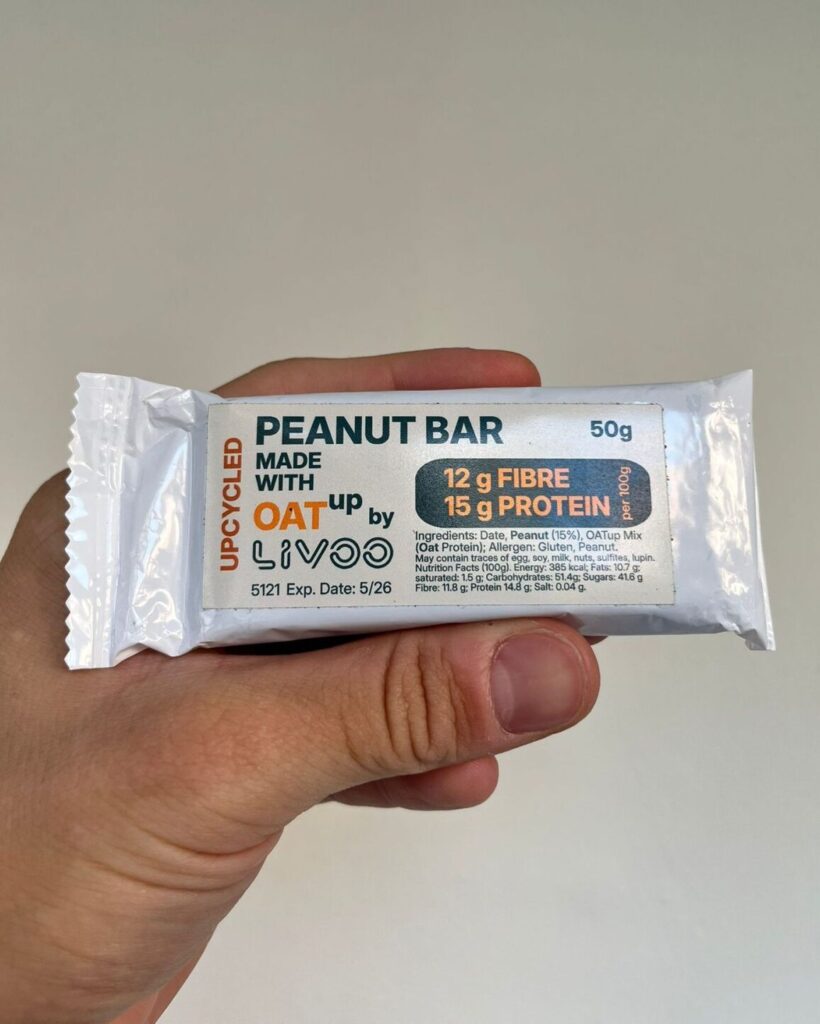
The nuanced approach to particle size and format is a key aspect of Eco-Oatup’s premium value proposition. A fine powder format is ideal for applications where smoothness, dispersibility, and a low mouthfeel are critical, such as in beverages and fine bakery items. Conversely, a coarser format is more suitable for applications requiring texture, fiber structure, a rustic oat character, or enhanced water-binding capabilities, like in meat alternatives or certain baked goods. This formulation flexibility empowers brands to enhance the nutritional density, improve texture, elevate consumer appeal, and bolster the sustainability credentials of their finished products.
It is noteworthy that Livoo is not the sole Swedish entity capitalizing on oat milk pulp. The Green Dairy, now majority-owned by Ingka Investments (IKEA’s venture capital arm), also upcycles its oat milk residues into an ingredient called reOat. ReOat contains 36% protein and 30% fiber and is targeted for use in meat and dairy alternatives, sports nutrition, and functional snacking, underscoring a growing trend within the Swedish food tech landscape to create value from what was once considered waste. Livoo’s Eco-Oatup, however, distinguishes itself with its higher protein content and proprietary stabilization technology, offering a distinct competitive advantage in the rapidly evolving functional food ingredient market.
