
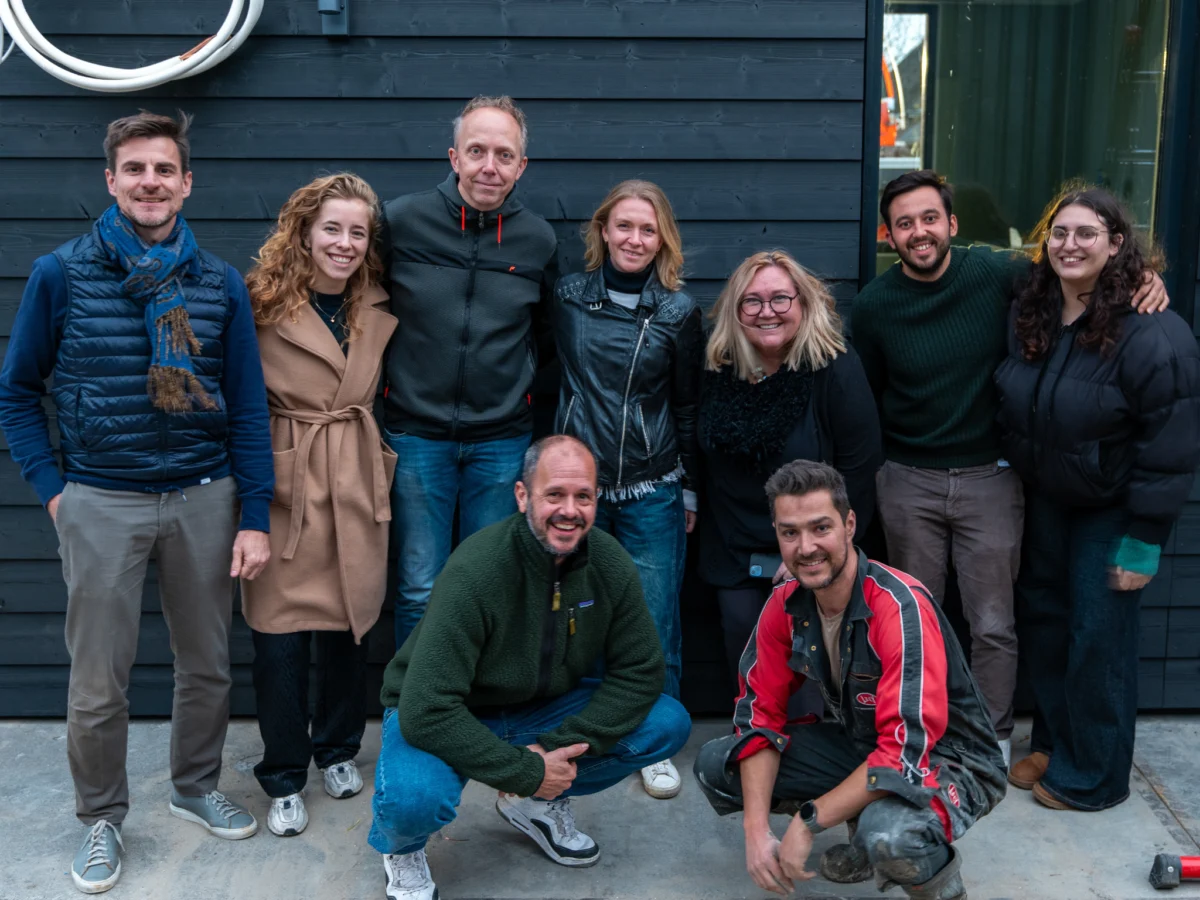
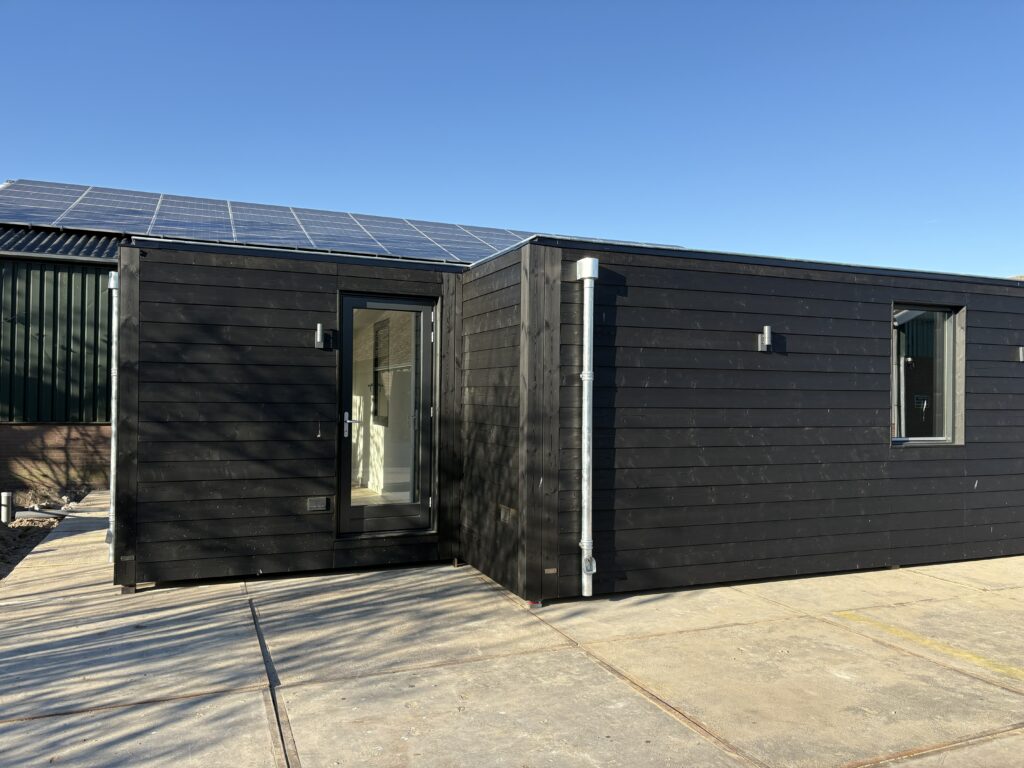
The dawn of a new era in food production is upon us as RespectFarms officially inaugurates the world’s first cultivated meat farm this week. This pioneering facility, strategically built upon an existing dairy operation in Schipluiden, the Netherlands, represents a significant leap forward in the pursuit of sustainable and farmer-centric protein production. Beyond its groundbreaking operational model, the site also boasts an integrated experience center, designed to foster education, engagement, and dialogue around the burgeoning field of cellular agriculture.
Seven months after the initial installation of cultivated meat units on Corné van Leeuwen’s dairy farm in South Holland, RespectFarms is poised to launch this state-of-the-art facility. The official inauguration, scheduled for Friday, will mark the culmination of years of dedicated research, development, and collaborative effort. This project champions a decentralized, farm-integrated approach to cell-cultured protein production, presenting a compelling alternative to the traditional reliance on large, centralized industrial facilities.
The genesis of this visionary project lies in the collaborative spirit of RespectFarms, the operational expertise of dairy farmer Corné van Leeuwen, and the invaluable contributions of numerous ecosystem partners. Financial backing from the European Innovation Partnership for Agricultural Productivity and Sustainability (EIP-Agri) and the South Holland province has been instrumental in bringing this ambitious undertaking to fruition. This dual support underscores the growing recognition of cultivated meat as a vital component of future agricultural innovation and a key driver of regional economic development.
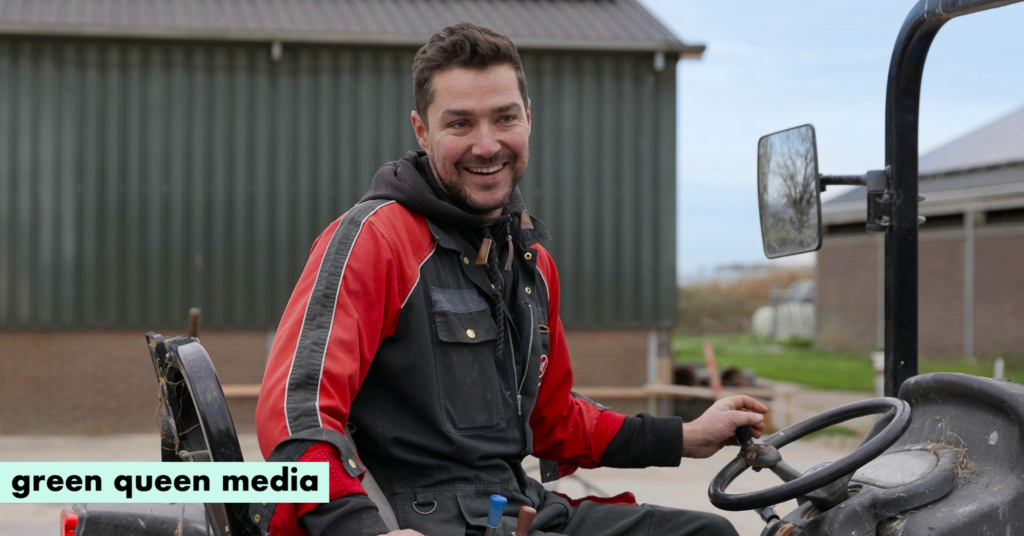
A Scale-Out Approach: Empowering Farmers and Generating New Income Streams
At the heart of RespectFarms’ philosophy is a commitment to empowering traditional farmers, rather than displacing them. "We’re building a model where farmers remain at the centre of food production, not replaced by factories," stated Ira van Eelen, co-founder of RespectFarms. "This project is about exploring how farmers can participate in and help shape the future of cultivated meat." This ethos is embodied in the project’s "scale-out" model, which aims to infuse farms with advanced agritech, thereby fostering innovation, diversifying income opportunities, and reinforcing the principles of locally rooted food production.
This innovative approach promises to generate a wealth of new knowledge and create novel opportunities for livestock producers and policymakers alike. By integrating cultivated meat production into existing agricultural landscapes, the project seeks to bolster the economic foundations of rural communities. A significant implication of this model is its potential to enable farmers to produce greater quantities of meat with a significantly reduced number of livestock, thereby minimizing the environmental footprint associated with traditional animal agriculture. Crucially, this method achieves this without the need for animal slaughter, offering a humane and ethically aligned pathway to protein production. Furthermore, it inherently safeguards farmers against the unpredictable risks associated with animal diseases, a persistent concern in conventional farming.
The placement of the pilot farm on van Leeuwen’s property last year marked a crucial preparatory phase. The upcoming inauguration signifies the commencement of the project’s next operational stage. The facility has already provided initial proof points of its efficacy and will now transition into a dynamic hub for demonstration, engagement, and robust discussion regarding the future trajectory of both agriculture and cultivated meat production.
RespectFarms is a key player within the broader Craft (Cellular Revolution in Agriculture and Farming Technology) Consortium. This collaborative entity brings together leading institutions and companies in the cellular agriculture space, including Wageningen University & Research, renowned cultivated meat firms Mosa Meat, Aleph Farms, and Multus, the sustainable agriculture company Kipster, and facility design specialists Royal Kuijpers. This formidable consortium has collectively secured a €2 million grant, co-funded by the EU-backed accelerator EIT Food, to advance the development and implementation of cultivated meat farms.
Cultivated Meat: A Potential Boon for the Agricultural Sector
The inauguration of the Schipluiden farm is set to convene a diverse array of stakeholders, representing the agricultural, scientific, innovation, investment, policy, and media sectors. The event will feature insightful presentations, direct perspectives from farmers, comprehensive guided tours of the facility, and the ceremonial ribbon-cutting. This gathering underscores the broad interest and collaborative spirit surrounding the advancement of cellular agriculture.
The inauguration follows closely on the heels of RespectFarms’ first annual Cell Farmers Symposium, a collaborative initiative with the South Holland province. This symposium delved into the myriad ways in which farmers can proactively benefit from the ascent of cellular agriculture, ensuring their continued relevance and central role in the global food system.
The new facility is poised to serve as a tangible demonstration of how cultivated meat production can evolve into a valuable and supplementary business model for farmers. This initiative arrives at a critical juncture, as policymakers grapple with the implications of cultivated meat for traditional farming practices. Concerns about the potential impact on farmers have been cited as a driving force behind legislative restrictions and outright bans on cultivated meat in various jurisdictions.
However, emerging research and growing farmer sentiment suggest a more nuanced reality. Studies indicate that farmers are increasingly recognizing the significant opportunities presented by cultivated meat. Many have actively opposed bans, articulating a belief that they are well-equipped to compete with these novel proteins without governmental intervention. This perspective highlights a desire for innovation and adaptation within the agricultural community, rather than outright resistance.
Adding to this evolving discourse, the consumer organization Euroconsumers has voiced its support for small-scale, on-farm cultivated meat production. They posit that such models can indeed "offer opportunities for farmers," provided that the industry adheres to principles of fairness and ensures that the benefits are distributed equitably, rather than being concentrated among a few large entities. This call for equitable distribution is crucial for fostering a just transition within the food system.
Corné van Leeuwen’s farm, now home to this groundbreaking facility, will also feature an experience center. This dedicated space will serve as a vital platform for farmers, policymakers, researchers, students, and the general public to engage directly with cellular agriculture technology. It aims to facilitate a deeper understanding of the scientific principles, operational processes, and broader societal implications of cultivated meat production. By fostering direct interaction and open dialogue, the center seeks to demystify the technology and encourage informed discussions about the future of food.
"RespectFarms brings a global challenge back to farm scale," articulated Ralf Becks, co-founder of RespectFarms. "And once it works, we can scale it out to create impact internationally." This statement encapsulates the project’s ambition: to prove the viability and benefits of decentralized, farm-integrated cultivated meat production at a local level, with the ultimate goal of replicating this impactful model on a global scale. The success of this inaugural farm will serve as a critical blueprint for the future of protein production, potentially reshaping the agricultural landscape for generations to come. The integration of cutting-edge biotechnology with traditional farming practices signifies a paradigm shift, promising a more sustainable, resilient, and farmer-empowered food system.
