

Polycystic Ovary Syndrome (PCOS) remains one of the most prevalent endocrine disorders globally, affecting an estimated 8% to 13% of women of reproductive age. Characterized by a complex interplay of reproductive and metabolic dysfunctions, the condition frequently manifests through irregular menstrual cycles, hyperandrogenism, and polycystic ovaries. However, for many patients, the most visible and emotionally taxing symptom is persistent weight gain, often concentrated in the abdominal region. Medical literature indicates that losing weight with PCOS is significantly more challenging than in the general population due to underlying physiological barriers, primarily insulin resistance and hormonal volatility. While traditional interventions focus on lifestyle modifications and pharmaceuticals, a growing body of clinical evidence suggests that specific nutritional supplements can play a pivotal role in bridging the gap between diet and metabolic success.
The Metabolic Architecture of PCOS and Weight Gain
To understand the efficacy of supplementation, it is necessary to analyze the metabolic environment of a patient with PCOS. Approximately 70% of women with the condition suffer from insulin resistance, a state where the body’s cells do not respond effectively to insulin. This forces the pancreas to overproduce the hormone, leading to hyperinsulinemia. High levels of circulating insulin serve as a signal for the body to store fat—particularly visceral fat—while simultaneously inhibiting the body’s ability to utilize stored fat for energy.
Furthermore, hyperinsulinemia stimulates the ovaries to produce excess androgens, such as testosterone. This hormonal surge creates a vicious cycle: excess androgens promote abdominal weight gain, and abdominal fat tissue further exacerbates insulin resistance. This "feedback loop" makes weight loss through caloric restriction alone notoriously difficult. Consequently, the medical community has shifted toward an integrative approach that utilizes supplements to target these specific pathways—improving insulin sensitivity, reducing systemic inflammation, and balancing androgen levels.
A Chronology of PCOS Management: From Fertility to Metabolic Health
The clinical understanding of PCOS has evolved significantly since it was first described by Stein and Leventhal in 1935. Initially viewed strictly as a gynecological issue centered on infertility, the 1980s and 1990s saw a paradigm shift as researchers identified the profound metabolic implications of the syndrome. By the early 2000s, the link between PCOS, Type 2 diabetes, and cardiovascular disease became a primary focus of long-term care.
This evolution in understanding led to the exploration of non-pharmaceutical interventions. While Metformin—a glucose-lowering medication—remains a common prescription, many patients seek alternatives due to gastrointestinal side effects. This has paved the way for the "nutraceutical" era of PCOS management, where supplements like Inositol and Berberine are studied with the same rigor as traditional pharmaceuticals.

1. Inositol: The Gold Standard for Insulin Signaling
Inositol, often referred to as Vitamin B8, is a naturally occurring sugar alcohol that serves as a secondary messenger in insulin signaling. In the context of PCOS, two specific isomers—Myo-inositol (MI) and D-chiro-inositol (DCI)—are of paramount importance. Research has shown that women with PCOS often have a deficiency in the enzyme that converts MI to DCI, leading to impaired insulin action.
Clinical Efficacy and Weight Loss
Clinical trials have demonstrated that supplementing with a combination of Myo-inositol and D-chiro-inositol in a 40:1 ratio—the same ratio found in healthy human plasma—can significantly improve insulin sensitivity. By enhancing the body’s response to insulin, these supplements reduce the need for high insulin production, thereby lowering testosterone levels and facilitating fat oxidation. A study published in the journal Endocrine Practice found that inositol supplementation not only improved ovulation rates but also led to a significant reduction in Body Mass Index (BMI) among overweight PCOS patients.
Dosage and Safety
The standard clinical dosage is typically 4,000 mg of Myo-inositol and 100 mg of D-chiro-inositol per day. Because it is a naturally occurring substance, side effects are rare, though mild gastrointestinal distress may occur at very high doses.

2. N-acetylcysteine (NAC): The Antioxidant Powerhouse
N-acetylcysteine (NAC) is a derivative of the amino acid cysteine and a precursor to glutathione, the body’s most potent endogenous antioxidant. While traditionally used to treat acetaminophen overdoses and respiratory conditions, its role in PCOS management has gained traction due to its ability to combat oxidative stress and improve metabolic function.
Improving Metabolic Parameters
Chronic low-grade inflammation is a hallmark of PCOS, contributing to insulin resistance. NAC works by reducing oxidative stress in the liver and improving the insulin receptor’s ability to bind with insulin. Clinical data suggests that NAC can be as effective as Metformin in reducing fasting insulin and improving the lipid profile of women with PCOS. By stabilizing blood sugar and reducing inflammation, NAC helps mitigate the "hunger spikes" that lead to overeating and weight gain.
Fertility and Ovulation
Beyond weight management, NAC has shown promise in improving fertility. Research published in Fertility and Sterility indicates that NAC can enhance ovulation rates in women who are resistant to Clomiphene Citrate, making it a dual-purpose supplement for those looking to manage weight while planning for pregnancy.
3. Omega-3 Fatty Acids: Reducing Systemic Inflammation
Omega-3 fatty acids, primarily Eicosapentaenoic acid (EPA) and Docosahexaenoic acid (DHA), are essential fats known for their anti-inflammatory properties. For women with PCOS, who often present with elevated inflammatory markers and dyslipidemia, Omega-3 supplementation is a cornerstone of metabolic health.
Impact on Androgens and Fat Distribution
Studies have indicated that Omega-3s can reduce serum androgen levels and improve the "LH/FSH ratio," which is often skewed in PCOS patients. By lowering testosterone, Omega-3s help reduce the "apple-shaped" fat distribution common in the condition. Furthermore, Omega-3s increase levels of adiponectin, a protein hormone that modulates glucose regulation and fatty acid oxidation. Increased adiponectin is directly correlated with lower body fat percentages.
Cardiovascular Protection
Given that women with PCOS are at a higher risk for cardiovascular disease, the heart-protective benefits of fish oil—such as lowering triglycerides and blood pressure—provide a broader health impact beyond simple weight loss.
4. Berberine: The Natural Alternative to Metformin
Berberine is a bioactive compound extracted from several different plants, including the Berberis shrub. It has been used in Traditional Chinese Medicine for centuries, but modern science has revealed its potent ability to activate AMP-activated protein kinase (AMPK), often called the "metabolic master switch."
Mechanism of Action
Activation of AMPK increases glucose uptake in the muscles and improves insulin sensitivity at the cellular level. In a comparative study of women with PCOS, Berberine was found to be more effective than Metformin in reducing waist circumference and improving the waist-to-hip ratio. It also helps regulate the gut microbiota, which is increasingly recognized as a factor in obesity and PCOS.
Weight Loss Potential
By inhibiting the enzyme PCSK9, Berberine also helps lower LDL cholesterol. Its multi-targeted approach—improving insulin sensitivity, lowering lipids, and reducing inflammation—makes it one of the most powerful natural tools for PCOS-related weight loss.
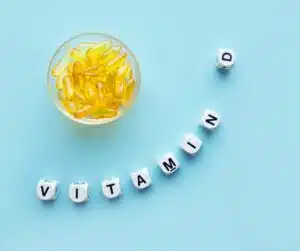
5. Vitamin D: The Hormonal Regulator
Despite its name, Vitamin D functions more like a pro-hormone than a traditional vitamin. It is estimated that up to 85% of women with PCOS are deficient in Vitamin D. This deficiency is not merely a byproduct of the condition but a contributing factor to its severity.
Synergistic Effects on Weight and Mood
Vitamin D receptors are located throughout the body, including in the pancreas and the ovaries. Adequate levels of Vitamin D are essential for insulin secretion and signaling. Research has shown that Vitamin D supplementation can lead to a reduction in follicular development (cysts) and improve menstrual regularity. Regarding weight loss, Vitamin D helps regulate calcium levels, which in turn influences fat metabolism. Furthermore, its role in serotonin production helps alleviate the depression and anxiety frequently associated with PCOS, which can reduce emotional eating.
Analysis of Broader Implications and Public Health
The integration of supplements into PCOS care represents a significant shift toward personalized and preventative medicine. As the prevalence of metabolic syndrome rises globally, the "one-size-fits-all" approach of caloric restriction is being replaced by strategies that address the hormonal drivers of obesity.
Medical professionals emphasize that while supplements are powerful, they are not "magic pills." Their efficacy is significantly enhanced when combined with a low-glycemic diet, resistance training, and adequate sleep. The broader impact of successful weight management in PCOS extends beyond aesthetics; it includes a reduced risk of Type 2 diabetes, endometrial cancer, and gestational complications.
Expert Consensus and Future Outlook
Endocrinologists and nutritionists increasingly advocate for a "foundation-first" approach, where supplements are used to fix the "broken machinery" of metabolism, allowing lifestyle changes to finally take hold. The reaction from the patient community has been largely positive, as many report a reduction in cravings and an improvement in energy levels shortly after beginning a targeted supplement regimen.
As research continues, the focus is shifting toward "nutrigenomics"—understanding how these supplements interact with specific genetic markers associated with PCOS. For now, the combination of Inositol, NAC, Omega-3s, Berberine, and Vitamin D stands as the most evidence-based supplemental protocol for those seeking to reclaim their health from the challenges of Polycystic Ovary Syndrome. Consultations with healthcare providers remain essential to ensure dosages are tailored to individual blood work and health histories.
