
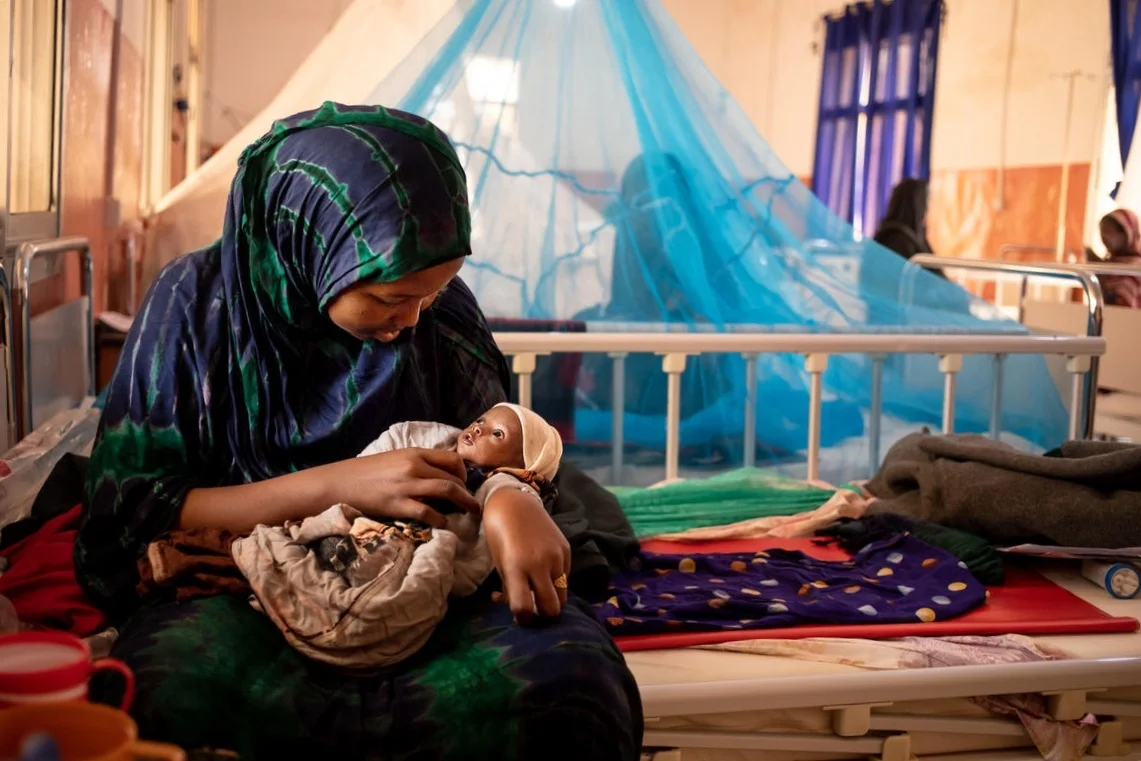
An estimated 4.9 million children died before reaching their fifth birthday in 2024, a figure that includes 2.3 million newborns, according to the latest data released by the United Nations Inter-agency Group for Child Mortality Estimation (UN IGME). While this represents a significant historical decline in pediatric mortality, the report, titled "Levels & Trends in Child Mortality 2025," highlights a concerning deceleration in progress. Since 2015, the global rate of reduction in under-five mortality has slowed by more than 60 percent, signaling that many nations are currently off track to meet the health-related targets of the Sustainable Development Goals (SDGs). The findings underscore a bifurcated reality: while medical science and low-cost interventions have the power to save millions, systemic inequities, conflict, and funding gaps continue to claim the lives of the world’s most vulnerable inhabitants.
The Evolution of Global Child Survival: A Historical Perspective
To understand the gravity of the 2024 estimates, it is necessary to examine the trajectory of global health over the last three decades. At the turn of the millennium, the international community rallied around the Millennium Development Goals (MDGs), which prioritized a two-thirds reduction in the under-five mortality rate between 1990 and 2015. This period saw an unprecedented surge in global health funding and the rollout of massive immunization campaigns, malaria prevention programs, and nutritional support.
Between 2000 and 2015, the world witnessed a remarkable achievement as under-five deaths fell by more than half. This success was driven by the rapid expansion of primary healthcare in low-income regions and the introduction of new vaccines against pneumonia and diarrhea. However, the transition from the MDGs to the Sustainable Development Goals in 2015 marked the beginning of a challenging new era. The complexity of reaching "the last mile"—children in the most remote, conflict-ridden, and impoverished areas—has proven more difficult than previous gains. The 60 percent slowdown in the pace of reduction since 2015 reflects a world struggling with emerging biological threats, climate-induced disasters, and a shifting geopolitical landscape that has deprioritized maternal and child health.
New Insights into the Burden of Malnutrition
For the first time, the 2025 report fully integrates estimates from the Child and Adolescent Causes of Death Estimation (CA-CODE) group, a research consortium led by the Johns Hopkins Bloomberg School of Public Health. This integration has allowed for the clearest picture yet of the specific causes of death, including a groundbreaking focus on severe acute malnutrition (SAM).
The report estimates that in 2024, more than 100,000 children aged 1 to 59 months—representing 5 percent of deaths in that age bracket—died as a direct result of SAM. However, health experts warn that this figure is merely the tip of the iceberg. Malnutrition acts as a massive "threat multiplier"; it weakens a child’s immune system to such an extent that common, treatable illnesses like diarrhea or respiratory infections become fatal. When indirect effects are factored in, malnutrition is linked to nearly half of all under-five deaths globally. The report identifies Pakistan, Somalia, and Sudan as countries with particularly high burdens of direct SAM-related mortality, often exacerbated by internal displacement and food insecurity.
The Perilous First Month: Neonatal Mortality Challenges
A critical finding of the report is that newborn deaths—those occurring within the first 28 days of life—account for nearly 50 percent of all under-five mortality. This statistic reveals a significant lag in progress regarding neonatal care compared to the survival rates of older children. The leading causes of death among newborns remain largely unchanged: complications from preterm birth (36 percent) and complications during labor and delivery, such as birth asphyxia or trauma (21 percent).
Furthermore, infections like neonatal sepsis and congenital anomalies continue to be major contributors to the death toll. Unlike the treatment of malaria or measles, which can often be managed through community-based interventions, the prevention of neonatal death requires high-quality, facility-based care. This includes the presence of skilled health personnel at birth, access to emergency obstetric care, and specialized services for small and sick newborns. The lack of investment in these clinical "bottlenecks" is a primary reason why neonatal mortality rates are not falling as quickly as post-neonatal rates.
Regional Disparities and the "Conflict Penalty"
The geography of child mortality remains starkly unequal. In 2024, sub-Saharan Africa accounted for a staggering 58 percent of all under-five deaths, despite representing a much smaller fraction of the global population. In this region, infectious diseases are responsible for 54 percent of all under-five deaths. By comparison, in Europe and Northern America, infectious diseases cause only 9 percent of child deaths, while in Australia and New Zealand, the figure is as low as 6 percent.
Southern Asia also remains a high-burden region, accounting for 25 percent of global under-five deaths. Here, the mortality is driven primarily by neonatal complications, underscoring a desperate need for better antenatal care and institutional delivery services.
The report also highlights the "conflict penalty." Children born in fragile and conflict-affected settings are nearly three times more likely to die before their fifth birthday than those in stable environments. In countries like the Democratic Republic of the Congo, Chad, and Niger, the convergence of conflict, climate shocks, and the rise of drug-resistant malaria has created a perfect storm. These factors not only increase the incidence of disease but also destroy the very infrastructure—clinics, supply chains, and roads—needed to treat it.
Adolescent and Youth Mortality: Shifting Risks
While the focus is often on the youngest children, the UN IGME report also tracked mortality among older children, adolescents, and youth aged 5 to 24. In 2024, an estimated 2.1 million deaths occurred in this demographic. The causes of death in this age group reflect a shift from biological vulnerability to environmental and behavioral risks.
For younger children in this bracket, infectious diseases and unintentional injuries remain the primary threats. However, as children enter adolescence, the risk profile changes significantly. Among girls aged 15 to 19, self-harm has emerged as the leading cause of death, pointing to a global crisis in adolescent mental health and social support systems. For boys in the same age group, road traffic injuries are the leading killer, highlighting the need for better infrastructure safety and policy enforcement in rapidly urbanizing regions.
Economic Implications and the Case for Investment
Public health experts and economists emphasize that child survival is not only a moral imperative but a sound economic strategy. Evidence cited in the report suggests that investments in child health are among the most cost-effective development measures available. Proven, low-cost interventions—such as routine immunizations, treatments for SAM, and skilled birth attendance—deliver some of the highest returns in global health.
According to economic modeling, every dollar invested in child survival can generate up to twenty dollars in social and economic benefits. These benefits manifest as improved educational outcomes, increased adult productivity, and a reduction in future public health spending. Despite this, shifts in the global development financing landscape are placing maternal and child health programs under severe pressure. Budget cuts and the redirection of funds toward other global crises have left health information systems and core primary care functions underfunded.
Stakeholder Responses and the Path Forward
The release of the 2025 report has prompted a series of urgent calls for action from global health leaders. Catherine Russell, UNICEF Executive Director, expressed deep concern over the slowing progress, stating, "No child should die from diseases that we know how to prevent. History has shown what is possible when the world commits to protecting its children. With sustained investment and political will, we can continue to build on those achievements."
Dr. Tedros Adhanom Ghebreyesus, Director-General of the World Health Organization (WHO), emphasized the need to reach the most vulnerable families, particularly those in conflict zones. "We must protect essential health and nutrition services so every child has the chance not only to survive, but to thrive," he noted.
Monique Vledder of the World Bank Group highlighted the institution’s commitment to reaching 1.5 billion people with quality primary health services, while UN Under-Secretary-General Li Junhua called for a "renewed political commitment" to ensure no child is left behind. Li Liu of the Johns Hopkins Bloomberg School of Public Health reinforced that the "science is clear" regarding the efficacy of targeted investments in primary healthcare and data systems.
To accelerate progress, the report outlines several critical requirements:
- Strengthening Primary Health Care: Moving beyond disease-specific programs to build resilient, integrated health systems.
- Sustained Funding: Reversing the trend of budget cuts and ensuring long-term, predictable financing for maternal and child nutrition.
- Data Integration: Utilizing advanced modeling and localized data to identify and reach "zero-dose" children who have never received a vaccine.
- Focus on Fragile States: Developing specialized delivery models for health services in areas affected by war and climate change.
As the international community looks toward the 2030 deadline for the Sustainable Development Goals, the 2025 child mortality report serves as both a testament to how far the world has come and a stark warning of the work that remains. The tools to save 4.9 million lives already exist; the challenge lies in the collective will to deploy them where they are needed most.
