
California Cultured, a pioneering food technology startup, has announced a significant collaboration with the University of California, Davis, aimed at drastically reducing the production costs of cell-based chocolate. This ambitious project has received a substantial boost in the form of $2.8 million in funding from the U.S. government, specifically through grants from BioMade, a public-private biomanufacturing consortium, and the National Science Foundation (NSF). This strategic investment signals a strong national interest in advancing domestic biomanufacturing capabilities and securing resilient supply chains for critical ingredients like cocoa.
The partnership comes at a pivotal moment for California Cultured, following its recent achievement of obtaining clearance to sell its cell-based chocolate in the United States. The company’s focus now shifts to scaling production and ensuring economic viability, transforming a groundbreaking scientific innovation into a commercially accessible ingredient. "This grant directly supports the hardest and most important part of what we are building, which is lowering the cost of production, so cultured cocoa can move from a breakthrough technology into a real commercial ingredient platform," Steve Stearns, Head of Strategy at California Cultured, told Green Queen.
The project’s objective is to enhance key aspects of large-scale biomanufacturing, including the development of more affordable bioreactors, the implementation of improved sterilization methods, advanced process monitoring, and the integration of in-line biomass sensors. These technological advancements are crucial for moving from laboratory-scale research to industrial production. Commercial manufacturing is anticipated to commence in early 2027, with the company poised to fulfill its first purchase order from a major chocolate manufacturer.
This initiative is part of a broader national effort. Stearns elaborated, "The project is also part of BioMADE’s larger investments backed by the U.S. Department of Defense and NSF across 14 projects focused on strengthening U.S. biomanufacturing, domestic supply chains, and technologies tied to commercial and national security priorities." This highlights the strategic importance of developing sustainable and domestically controlled production methods for essential food components.
California Cultured has already taken proactive steps to ensure the safety and market readiness of its product. The company has self-determined its cell-cultured cocoa powder to be Generally Recognized as Safe (GRAS) and has submitted a GRAS notice to the Food and Drug Administration (FDA), seeking a “no questions” letter. The startup is on track to launch its cell-cultured cocoa powder with U.S. partners later this year, underscoring its rapid progress from research to market.
The Scientific and Economic Rationale Behind Cultured Cocoa
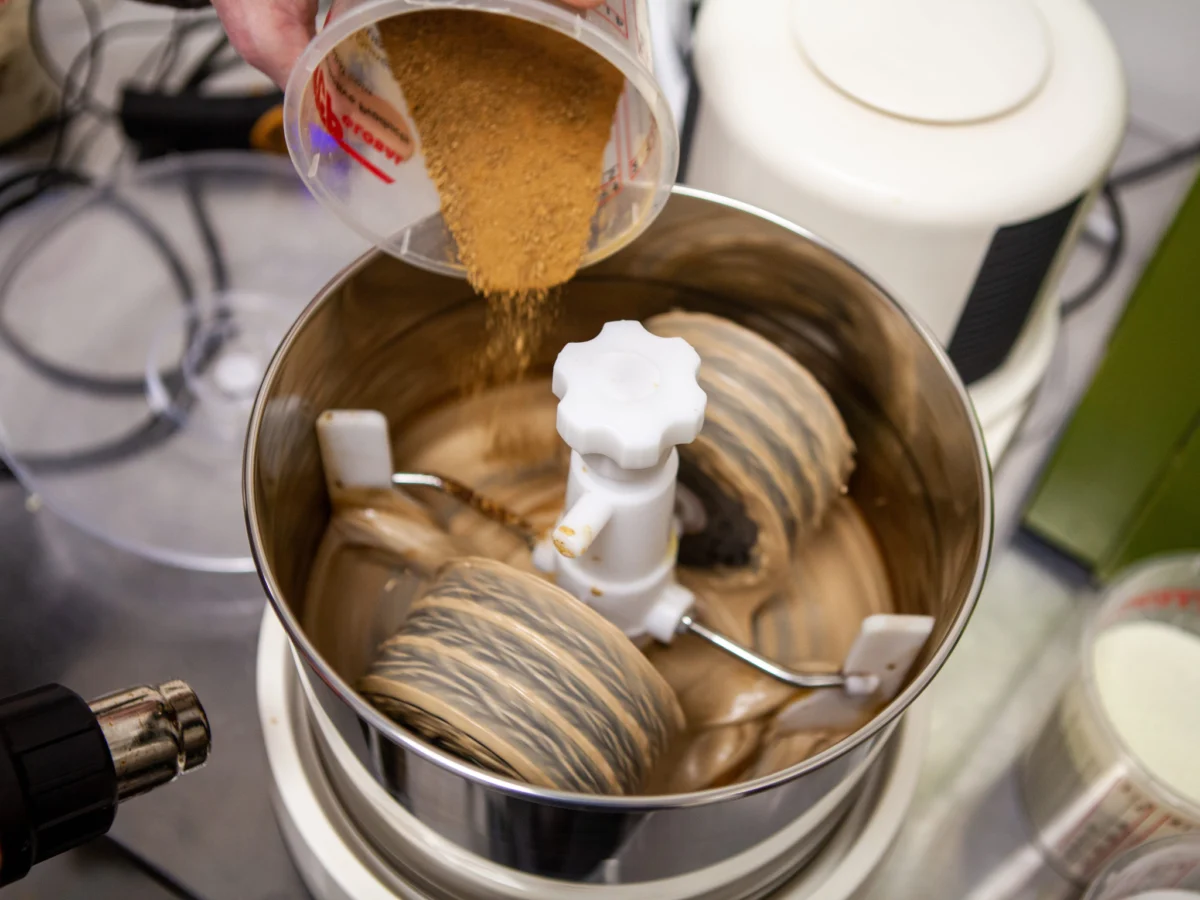
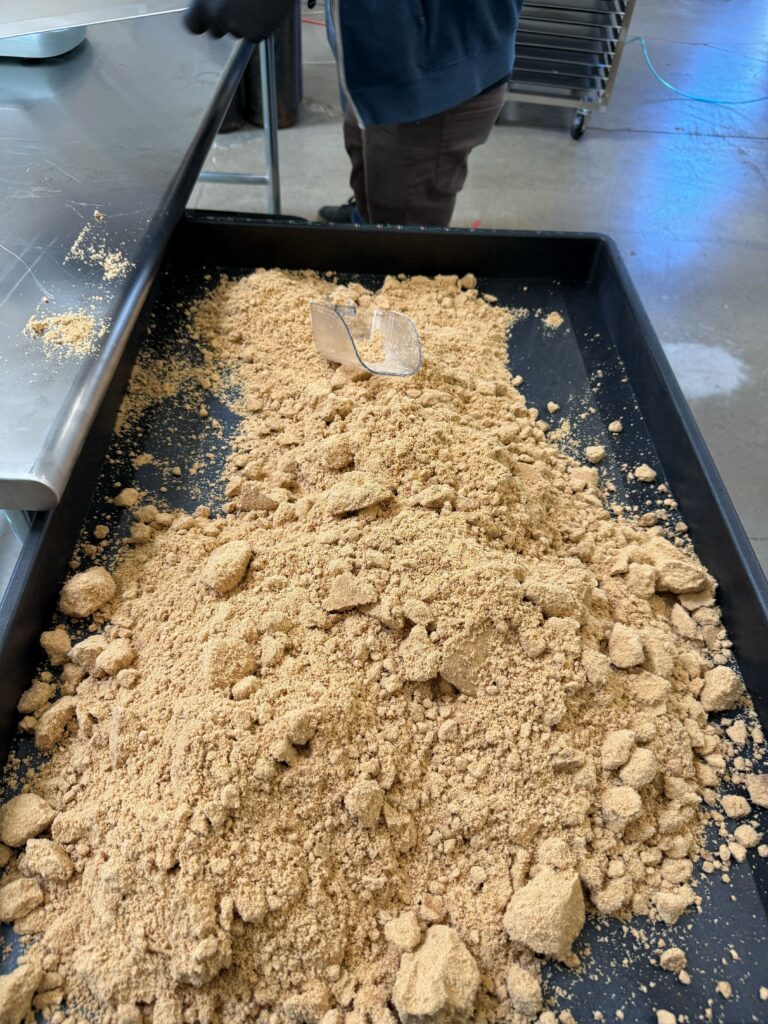
The production process employed by California Cultured begins with harvesting cocoa plant cells. These cells are then cultivated in controlled bioreactors, where they replicate and produce the same complex compounds found in traditional cocoa beans, including beneficial flavanols. Once the cellular culture reaches optimal density, it is harvested, dried, and processed into cocoa powder. This method bypasses many of the environmental and agricultural challenges associated with conventional cocoa farming.
The National Science Foundation has identified the inherent costliness of current cellular agriculture manufacturing techniques as a significant hurdle. Traditional bioreactors, often constructed from expensive stainless steel and requiring energy-intensive high-pressure steam sterilization, contribute to high capital expenditure. Furthermore, the low productivity of batch cultivation processes for cocoa cells has historically led to substantial annual operating expenses.
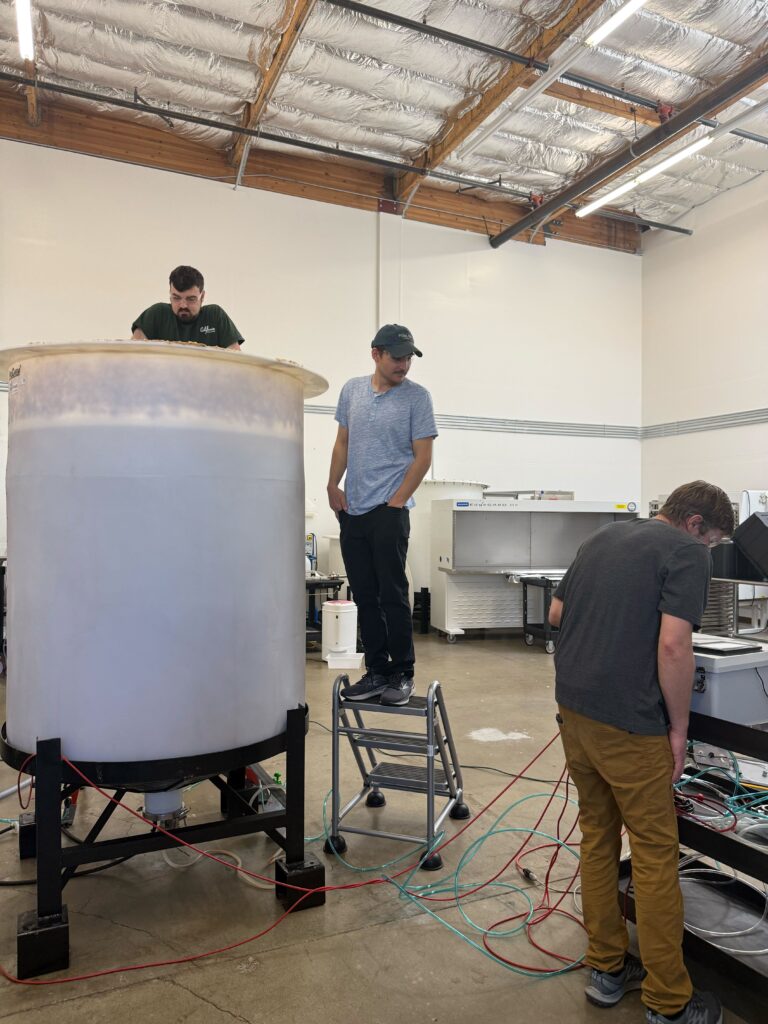
The collaborative project between California Cultured and UC Davis is designed to directly address these economic barriers through several innovative strategies. A key focus will be the design and development of custom high-density polyethylene (HDPE) bubble bioreactors, which are expected to offer a more cost-effective and scalable alternative to traditional steel reactors. Concurrently, the teams will rigorously evaluate alternative, more economical sanitization strategies.
Process intensification is another critical area of research. The project aims to develop strategies for semi-continuous operation, supported by real-time, in-line biomass monitoring. This approach is expected to significantly boost volumetric productivity, meaning more product can be generated in the same amount of reactor space over a given time. Coupled with the development of low-cost drying methods, these innovations promise to enhance both efficiency and product quality.
To ensure the practical application and widespread adoption of these advancements, the project will also include comprehensive techno-economic and life-cycle analyses. These assessments will validate the economic feasibility and environmental sustainability of the developed technologies. The findings are intended to be transferable, informing the development of other plant or algal cell bioreactor-based processes, as well as fermentation processes for microbial or fungal production of food and industrial products, particularly those requiring reduced capital and operating costs.
California Cultured has already demonstrated success with its proprietary low-cost bioreactors, specifically engineered for plant cell cultivation. UC Davis will play a crucial role in validating these prototype designs, refining cleaning and sterilization techniques, and conducting thorough assessments of their commercial viability. "Right now, those reactors are commercially ready and competitive with prices in our first markets, but we are always looking to improve our technology," Stearns commented. He further added, "Our own internal tests are starting to show that these reactors are outperforming stainless steel reactors in plant cell culture, but we want to take them to the next steps and improve yields, lower labor costs, and make things more intelligent and automated."
Beyond the hardware and process optimization, the research will also delve into creating food-safe growth media, enhancing the productivity of the cocoa cell strains, and gaining a deeper understanding of the sensory and nutritional profiles of the cultured plant cells. This holistic approach ensures that the final product not only meets economic targets but also delivers the desired taste, texture, and nutritional benefits.
Addressing the Cocoa Crisis: A Sustainable Alternative
The timing of this innovation is particularly relevant given the unprecedented volatility currently gripping the global chocolate industry. The climate crisis has had a devastating impact on cocoa production, driving cocoa stock prices to their lowest levels in a decade and pushing chocolate prices to all-time highs in 2024. In the United States, cocoa prices reached a record $12,565 per tonne in December of that year.
The most severe impacts have been felt in West Africa, particularly in the Ivory Coast and Ghana, the world’s two largest cocoa-producing nations. These regions have experienced extreme weather events and rampant crop diseases, leading to significant agricultural losses. Historically, these areas were characterized by extensive rainforests; however, since 1960, over 85% of their forest cover has been lost, much of it for agricultural expansion, including cocoa plantations.
Scientists have issued stark warnings about the future of cocoa cultivation. Projections suggest that a third of the world’s cocoa trees could perish by 2050 due to climate change. A 2025 study further predicted that shifting temperature and rainfall patterns will render up to 50% of current cocoa-growing areas in the Ivory Coast unsuitable for production by 2060. This is particularly concerning as the Ivory Coast alone accounts for 36% of the global cocoa output.
The environmental footprint of traditional chocolate production is also substantial. Producing chocolate emits more greenhouse gases than any other food item except beef. Furthermore, the production of a single chocolate bar can require an average of 1,700 liters of water. The industry’s link to widespread tropical deforestation has also prompted legislative action, with regulations targeting deforestation being implemented in the European Union and the United Kingdom.
This confluence of environmental degradation, climate vulnerability, and increasing consumer demand creates a compelling case for alternative cocoa production methods. Technologies like California Cultured’s cell-based approach offer a promising solution. Unlike cultivated meat or precision fermentation, culturing plant cells for ingredients like cocoa generally involves lower media, research and development, capital expenditure, and bioreactor costs. This is primarily because they utilize readily available and inexpensive nutrients such as sugars, minerals, and vitamins, and do not necessitate costly growth factors or pharmaceutical-grade facilities.
"We already know there is a real need for a more reliable cocoa supply," Stearns emphasized. "This project helps us work on the engineering and cost problems that need to be solved, so cultured cocoa can move from a promising technology into a real commercial ingredient platform."
Accelerating Commercialization and Industry Adoption
California Cultured has demonstrated the potential for its cell-based cocoa to achieve price competitiveness with conventional supermarket chocolate products. The company has successfully proven the concept of growing Theobroma cacao cell cultures in large-scale, 16,000-liter bioreactors. This achievement marked a significant step towards scaling up production, a move facilitated by a partnership with the biomanufacturing firm Pow.Bio last year.
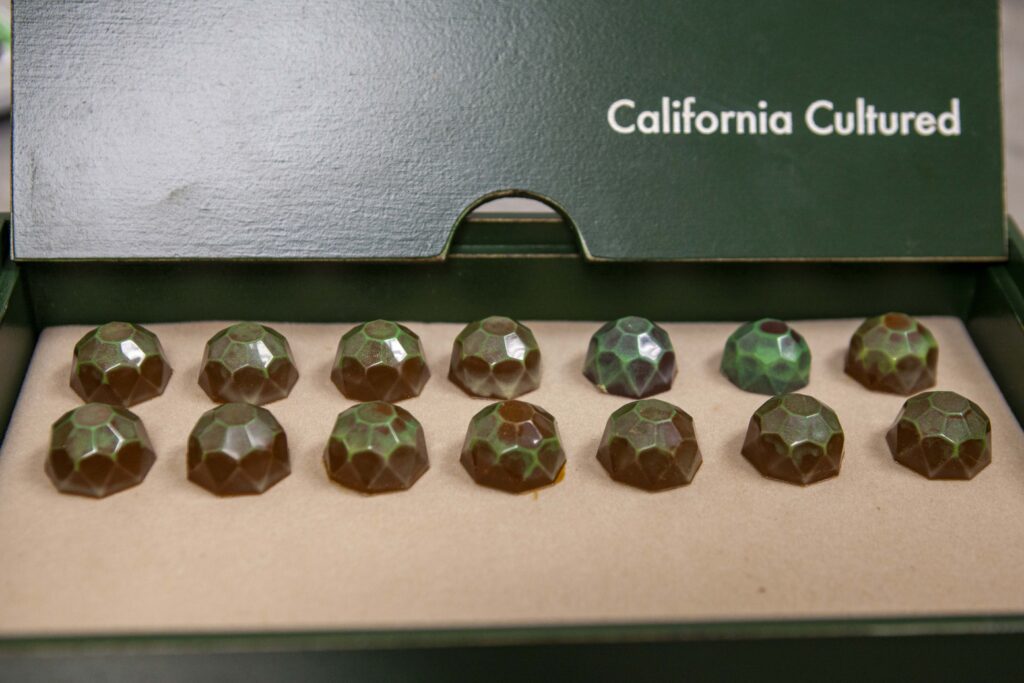
Further expanding its operational capacity, California Cultured has established a 12,000-square-foot facility in West Sacramento, with plans for a future capacity of 160,000 square feet. This expansion is crucial for meeting anticipated market demand. The company has also been actively engaged in co-developing high-flavanol products with prominent industry players. Collaborations with Japanese chocolate giant Meiji and Belgian confectionery leader Puratos are yielding innovative products that are slated for launch in the U.S. market this year. Puratos, through its venture capital arm Sparkalis, is also an investor in California Cultured, underscoring the industry’s confidence in the company’s technology. To date, the startup has secured $15.9 million in funding and is currently undertaking a Series A3 round to further enhance production capabilities, forge new partnerships, and support these initial product launches.
The interest in cell-based cocoa is not limited to California Cultured. Several other major players in the global chocolate industry are actively exploring and investing in this burgeoning field. Mondelēz International, a global leader in snacking, recently unveiled what it claims to be the world’s first cell-based chocolate bar, developed in collaboration with Celleste Bio. Simultaneously, Cargill is advancing its own cultured cocoa solutions through its partnership with Kokomodo. Barry Callebaut, the world’s largest business-to-business chocolate supplier, is taking a multi-pronged approach, investigating both cell-based cocoa cultivation and the development of cocoa-free chocolate alternatives, such as its "Planet A Foods" Choviva product.
This widespread industry engagement, coupled with significant government investment, highlights a transformative shift in how the world’s most beloved treat might be produced in the future. The collaborative efforts between California Cultured and UC Davis, bolstered by substantial funding, are poised to accelerate the transition of cell-based cocoa from a niche innovation to a mainstream ingredient, offering a more sustainable, resilient, and potentially more equitable future for chocolate.
