

The Best Prenatal Vitamins for PCOS: A Comprehensive Guide to Managing Pregnancy and Hormonal Health are essential components of a specialized reproductive strategy for women diagnosed with Polycystic Ovary Syndrome (PCOS), an endocrine disorder that affects approximately 8% to 13% of reproductive-aged women worldwide. For patients with PCOS, the transition from preconception to pregnancy involves navigating a complex landscape of hormonal imbalances, insulin resistance, and increased metabolic risks. Clinical research indicates that targeted nutritional supplementation not only supports fetal development but also serves as a critical tool in mitigating maternal complications such as gestational diabetes and pre-eclampsia. As medical professionals increasingly emphasize the role of micronutrients in reproductive outcomes, understanding the specific requirements for PCOS patients has become a cornerstone of modern obstetric care.
The Clinical Necessity of Targeted Prenatal Care in PCOS
Polycystic Ovary Syndrome is characterized by elevated androgen levels, irregular menstrual cycles, and the presence of small cysts on the ovaries. However, its implications for pregnancy extend far beyond these diagnostic markers. Women with PCOS often face a higher prevalence of nutritional deficiencies, particularly in Vitamin D and B vitamins, which can exacerbate the underlying insulin resistance common to the condition.

The primary objective of a prenatal vitamin in the context of PCOS is twofold: to provide the standard developmental building blocks required for a healthy fetus and to stabilize the maternal metabolic environment. Standard prenatal formulations often provide a baseline of vitamins, but for the PCOS population, higher concentrations of specific nutrients—such as Vitamin D, Inositol, and Omega-3 fatty acids—are frequently recommended by reproductive endocrinologists to address chronic inflammation and glucose dysregulation.
A Chronological Approach to Supplementation: Preconception to Postpartum
Medical consensus suggests that the window of opportunity for nutritional intervention begins well before a positive pregnancy test. The following timeline outlines the standard clinical approach for women with PCOS:
The Preconception Phase (3 to 6 Months Prior to Conception)
During this period, the focus is primarily on egg quality and the restoration of regular ovulation. Poor oocyte quality is a frequent challenge in PCOS due to the oxidative stress within the follicular environment. Supplements containing Coenzyme Q10 (CoQ10) and Myo-inositol are often introduced at this stage. These compounds work to improve mitochondrial function in the eggs and enhance insulin sensitivity, which in turn can lower androgen levels and promote a more predictable ovulatory cycle.

The First Trimester
Once pregnancy is achieved, the nutritional focus shifts toward organogenesis and the prevention of neural tube defects. Folate (preferably in the bioactive form of L-methylfolate) becomes the priority. For PCOS patients, who may have higher rates of the MTHFR gene mutation affecting folate metabolism, the choice of supplement is critical during these first twelve weeks.
The Second and Third Trimesters
As the fetus grows, the demand for iron and calcium increases significantly. For the mother, the risk of gestational diabetes mellitus (GDM) peaks during the second trimester. Continued supplementation with Vitamin D and Omega-3 fatty acids is vital during this phase to support the mother’s insulin signaling and the baby’s rapid brain development.
Core Nutrients: Supporting Fetal Development and Maternal Metabolism
To select an effective prenatal vitamin for PCOS, it is necessary to analyze the specific roles of core nutrients and the data-backed dosages required for optimal outcomes.

Folate and the Prevention of Congenital Defects
Folate, or Vitamin B9, is arguably the most critical component of any prenatal regimen. It is essential for DNA synthesis and the closure of the neural tube within the first 28 days of pregnancy. The American Pregnancy Association recommends a minimum of 400 micrograms (mcg) daily. Recent studies have also suggested that folate supplementation may help reduce the risk of heart defects and oral clefts. In the PCOS population, bioactive folate is often preferred over synthetic folic acid to ensure maximum absorption and utilization by the body.
Vitamin D: Addressing the 80% Deficiency Rate
Clinical data indicates that approximately 80% of women with PCOS suffer from Vitamin D deficiency. This nutrient is not merely a vitamin but acts as a pro-hormone that influences insulin secretion and sensitivity. During pregnancy, Vitamin D is crucial for calcium absorption and the development of the fetal skeleton. Research published by the American Pregnancy Association suggests a daily intake of up to 4,000 IU for pregnant women, particularly those with existing metabolic disorders.
Iron and Oxygen Transport
Pregnancy increases the body’s blood volume by nearly 50%, necessitating a higher intake of iron to produce hemoglobin. Iron deficiency anemia is a common complication that can lead to preterm birth and low birth weight. The recommended daily allowance for pregnant women is 27 milligrams (mg). For women with PCOS, who may already experience fatigue related to insulin resistance, maintaining healthy iron levels is essential for sustaining energy throughout the gestation period.
Omega-3 Fatty Acids and Inflammation Control
Omega-3 fatty acids, specifically Eicosapentaenoic acid (EPA) and Docosahexaenoic acid (DHA), are integral to the development of the fetal brain and retina. Beyond fetal benefits, Omega-3s are powerful anti-inflammatory agents. Since PCOS is characterized by chronic low-grade inflammation, a daily dose of 300 mg of DHA can help improve maternal insulin sensitivity and potentially lower the risk of postpartum depression.
Calcium and Bone Integrity
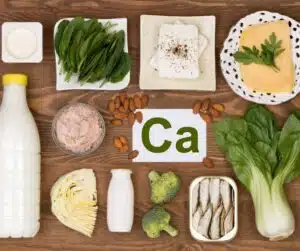
During the third trimester, the fetus requires a significant amount of calcium for bone mineralization. If maternal intake is insufficient, the body will demineralize the mother’s own bones to provide for the baby. A daily intake of 1,000 mg is standard, often requiring a combination of diet and supplementation, as many prenatal vitamins do not contain the full daily requirement due to the bulkiness of the mineral.
Market Leaders in PCOS-Specific Prenatal Nutrition
Several products have emerged as preferred choices for PCOS patients due to their comprehensive formulations and adherence to high manufacturing standards.
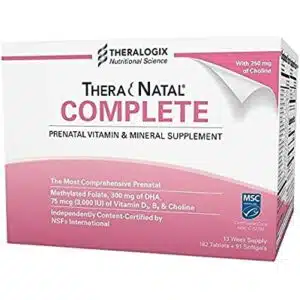
- TheraNatal Complete (Theralogix): Produced by the makers of Ovasitol, this supplement is independently tested for purity. It contains methylated folate and a higher-than-average dose of Vitamin D, making it specifically suited for the metabolic needs of the PCOS population.
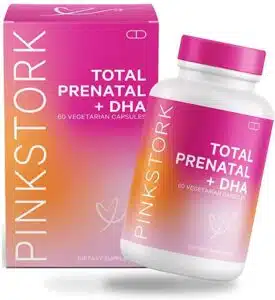
- Pink Stork Total Prenatal Vitamin: This formulation is noted for its inclusion of DHA and a broad spectrum of B-complex vitamins. It also incorporates trace minerals like selenium and chromium, which play minor but supportive roles in glucose metabolism.
- Nature Made Prenatal with Folic Acid + DHA: A more accessible and cost-effective option, this supplement provides the core requirements of DHA and Folic acid, though it may require additional Vitamin D supplementation for those with severe deficiencies.
Medical Analysis of Risks and Monitoring Requirements
While prenatal vitamins provide a nutritional safety net, they are not a substitute for rigorous medical monitoring. Women with PCOS are classified as having higher-risk pregnancies due to several factors:
- Gestational Diabetes: The inherent insulin resistance of PCOS increases the likelihood of developing GDM. Healthcare providers typically conduct glucose tolerance tests earlier in the pregnancy for these patients.
- Pre-eclampsia: Hypertension and protein in the urine characterize this dangerous condition, which occurs more frequently in the PCOS population. Calcium and Vitamin D supplementation have been studied as potential preventative aids, though close monitoring of blood pressure remains the primary defense.
- Preterm Labor: Hormonal imbalances can sometimes lead to cervical insufficiency or other factors that contribute to early delivery.
The integration of Inositol (specifically a 40:1 ratio of Myo-inositol to D-chiro-inositol) during pregnancy is an area of growing clinical interest. Some studies suggest that continuing Inositol through pregnancy can significantly reduce the incidence of gestational diabetes in women with PCOS, though this should only be done under the direct supervision of an obstetrician.
Broader Implications for Maternal and Fetal Health
The significance of choosing the correct prenatal vitamin for PCOS extends beyond the nine months of pregnancy. Proper nutrition during the "first 1,000 days"—from conception to a child’s second birthday—can influence the long-term health trajectory of the offspring. For children born to mothers with PCOS, there is a statistically higher risk of developing metabolic issues later in life. By optimizing the intrauterine environment through targeted supplementation and glucose management, mothers can potentially mitigate some of these epigenetic risks.
Furthermore, the postpartum period, often referred to as the "fourth trimester," requires continued nutritional support. The depletion of nutrients during pregnancy, combined with the demands of breastfeeding and the hormonal shift of the postpartum phase, makes the continuation of a high-quality prenatal or postnatal vitamin essential for maternal recovery and mental health.
In conclusion, the management of PCOS during pregnancy requires a proactive and nuanced approach to nutrition. By prioritizing high-quality prenatal vitamins that address the specific deficiencies associated with the syndrome, women can improve their chances of a healthy pregnancy and provide their children with a strong developmental foundation. As research continues to evolve, the synergy between metabolic health and reproductive nutrition remains a vital field of study for improving outcomes in the PCOS community.
