
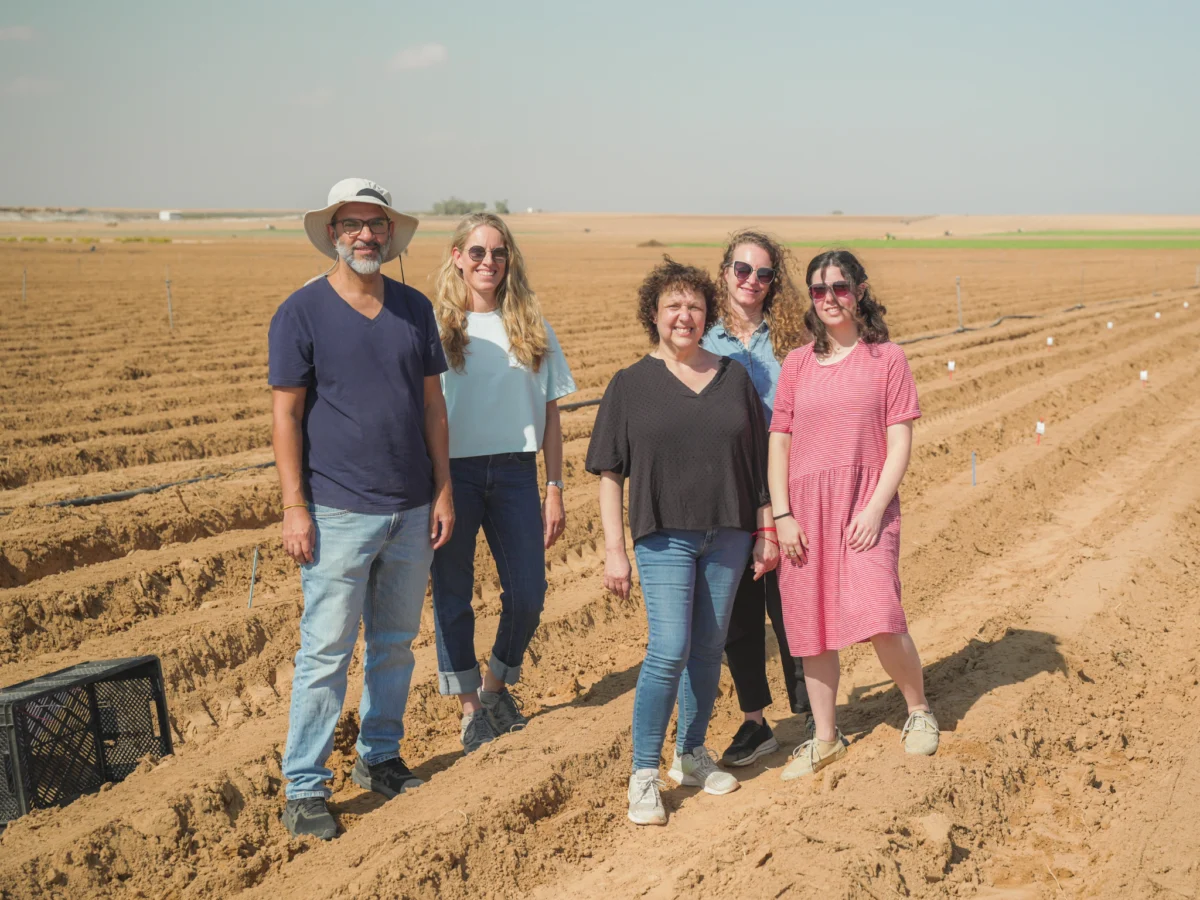
Israeli startup Finally Foods, a pioneering company utilizing plant molecular farming to produce dairy proteins within potatoes, has successfully closed its pre-seed funding round, bringing its total capital raised to approximately $2.6 million. This significant financial injection positions the company to pursue its ambitious goal of expanding the production of its proprietary casein-containing potatoes, with an additional $4-6 million targeted for a forthcoming seed round. The company is also preparing for crucial regulatory filings in the United States next year, marking a pivotal step towards commercialization.
The pre-seed funding round was spearheaded by the Central Bottling Company (CBC Group), a prominent national distributor for Coca-Cola in Israel. The investment also saw participation from I-Lab Angels, a collective of U.S.-based investors, and a number of other private backers. This backing underscores the growing investor confidence in the potential of molecular farming as a sustainable and scalable solution for food production.
Dafna Gabbay, co-founder and CEO of Finally Foods, expressed her enthusiasm, stating, "This funding well positions the company ahead of a larger seed round planned for the coming months." The anticipated seed round, expected to open in the near future, aims to secure between $4 million and $6 million. This capital will be strategically allocated to maximize the commercial potential of an existing agreement, scale up operations, and broaden the company’s footprint in the United States, according to Gabbay. She established the startup two years ago alongside CTO Basia Vinocur.
"We are excited to support Finally Foods at this important stage of growth and scale-up," commented David Rosenbaltt, manager of I-Lab Angels. "We look forward to working with Dafna, Basia, and the team to help advance the vision of building a more sustainable future." The infusion of capital and strategic partnerships signals a robust trajectory for Finally Foods as it navigates the complex landscape of novel food technologies.
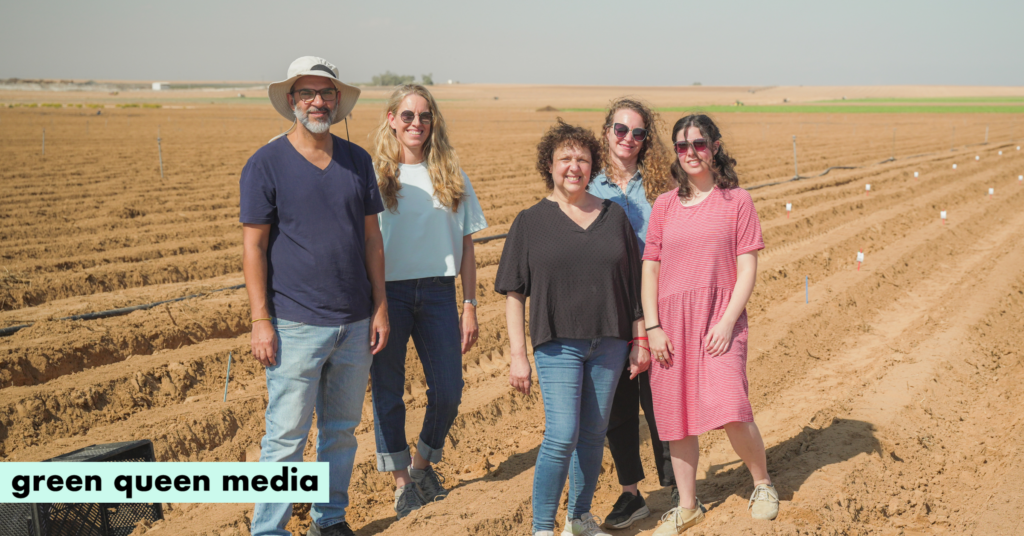
In addition to the financial backing, Finally Foods has strategically expanded its leadership team. Alon Lederman, founder of the non-profit Neta Foundation, has joined the company’s board of directors. Furthermore, Ken Meyers, president of MCT Dairies, and Amy Trakinski, former managing director at VegInvest, have been appointed as strategic advisors. Their collective expertise is expected to provide invaluable guidance as Finally Foods progresses through product development and market entry.
The Science Behind Finally Foods: Casein Production in Potatoes
Finally Foods is at the forefront of plant molecular farming, a revolutionary approach that involves genetically modifying plant cells to express animal proteins. Unlike cultivated meat or precision fermentation, which utilize animal or microbial cells, molecular farming leverages crops as biological factories. The desired proteins are then harvested from the plant tissues for integration into food products.
The company’s primary focus is on casein, the principal protein group in dairy. Casein is critical for its emulsifying properties, enabling the blending of water and fat, which contributes to desirable characteristics in products like cheese, such as meltability and stretch. Milk contains four distinct types of casein proteins, which naturally assemble into spherical structures known as micelles. These micelles are suspended in a hydrated solution and bound to minerals like calcium, a configuration that underpins casein’s functional efficacy.
A significant breakthrough for Finally Foods is its claimed ability to express all four casein sub-units within a single organism, specifically within the same potato cell. This achievement is particularly noteworthy when compared to fermentation-based systems. "In fermentation-based systems, expressing the full casein complex would require producing each sub-unit separately," explained Gabbay. "To the best of our understanding, companies in that space are not currently attempting to produce all four together, likely due to the significant cost implications."
Gabbay further elaborated on the advantages of molecular farming for such complex protein structures: "Molecular farming, as a category, is therefore particularly well suited for expressing a complex protein within a single biological system." This inherent advantage allows for a more streamlined and potentially cost-effective production pathway for intricate protein molecules like the casein micelle.
The technological backbone of Finally Foods’ innovation lies in its exclusive license for the GeneRator AI technology, developed by Evogene, where Basia Vinocur previously served as VP of R&D operations. This AI-driven platform accelerates the company’s production process by enabling shorter research and development cycles, enhancing extraction efficiency, and facilitating faster commercialization plans. This integration of artificial intelligence is a key differentiator, allowing for rapid optimization and iteration in their molecular farming endeavors.
A Strategic Approach to Product Development and Market Entry
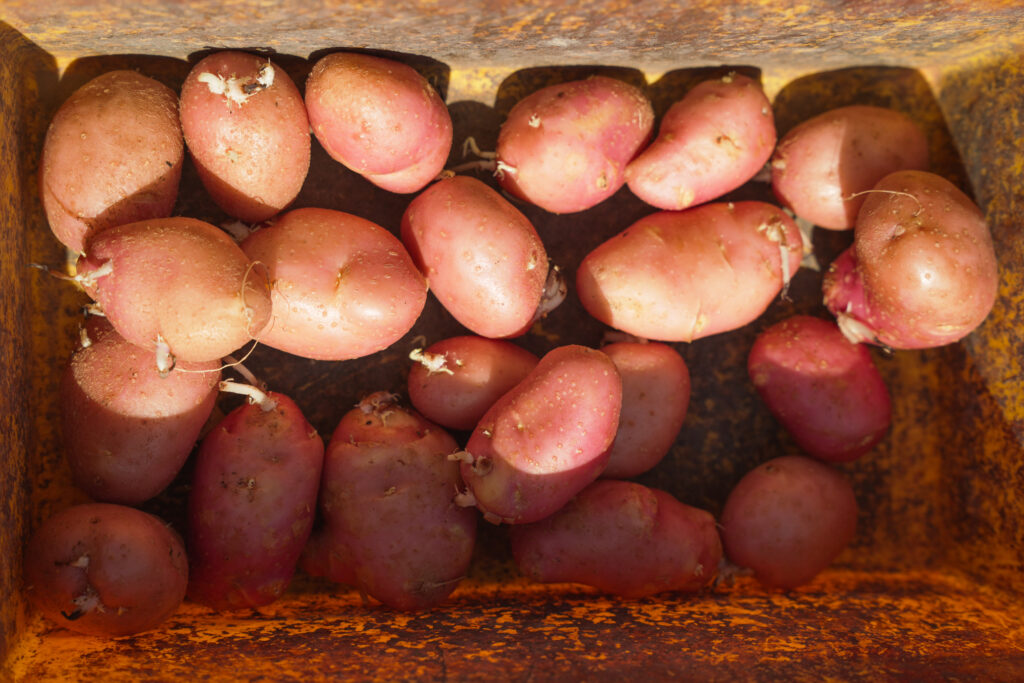
The choice of potatoes as the expression system was a deliberate one, driven by several key efficiency criteria. Potatoes offer high yields and facilitate efficient protein extraction, making them an ideal candidate for large-scale production. Finally Foods has engineered the potato to function as an optimized "expression system" capable of producing multiple variations of casein.
The integration of AI into their development process has been instrumental in accelerating progress, enabling high yields of functional casein in potatoes while maintaining cost-effectiveness. This positions Finally Foods competitively against other players in the alternative protein space. For instance, fellow Israeli startup PoLoPo is also utilizing potatoes, albeit with a different objective: enhancing native protein content for the chip industry.
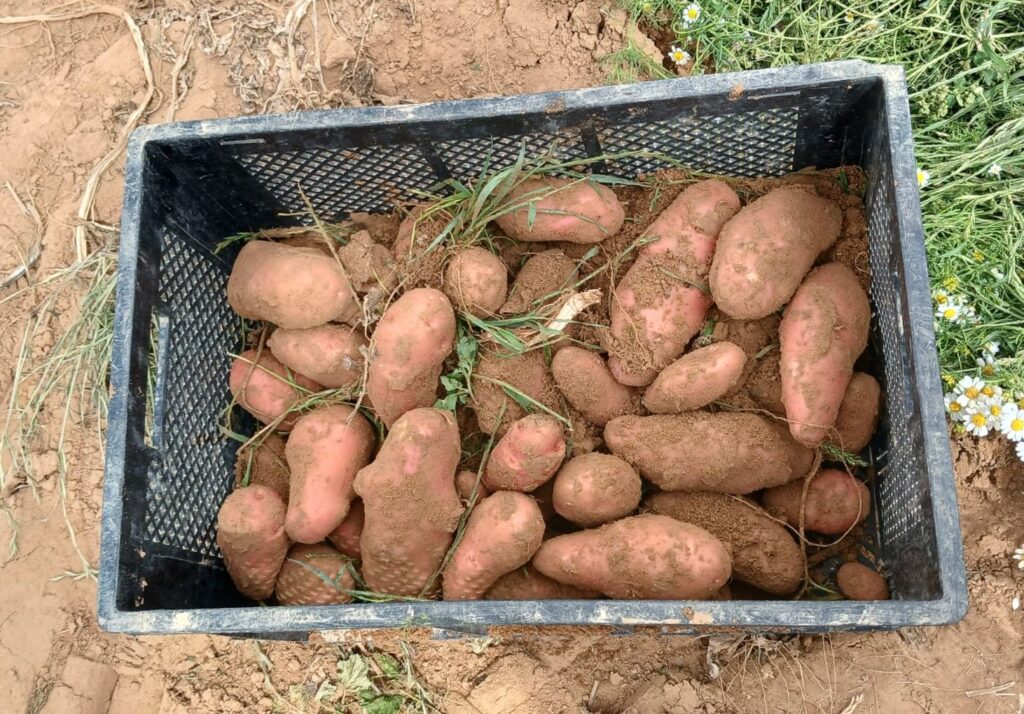
Finally Foods has been rigorously validating its technology through a series of field trials. "Our first field trial focused on validating potato growth and confirming stable expression of recombinant casein proteins under real agricultural conditions," stated Gabbay. This initial phase was crucial for establishing the viability of their approach in an agricultural setting.
The second trial expanded the scope, increasing the scale of cultivation and incorporating potatoes engineered to express additional combinations of casein sub-units. This allowed for the development of downstream casein extraction processes. The company’s third field trial is currently underway, with a specific focus on cultivating potatoes that successfully express all four casein sub-units. This trial is a critical step towards demonstrating the full potential of their technology.
Beyond the technical development, Finally Foods has proactively charted its path to market. The company has already secured a commercial agreement with CBC Group, a significant achievement for an early-stage company. "We already have a commercial agreement in place with CBC Group, and we are very proud that, as an early-stage company, Finally Foods already has two strategic investors alongside such an agreement," Gabbay remarked.
The company is also in advanced discussions with global dairy companies regarding potential product formats. "As for product formats, we have already developed multiple casein product formats for evaluation with commercial partners and are currently advancing confidential discussions under non-disclosure agreements with global dairy companies," she added. This indicates a clear strategy for product integration into existing food supply chains.
Navigating the Regulatory Landscape: A Two-Pronged Strategy
Before Finally Foods can bring its innovative products to market, securing regulatory clearance is paramount. Gabbay outlined a comprehensive regulatory strategy built around two distinct and independent pathways. The first pathway addresses the regulatory approval of the extracted casein ingredient for its use in food products. The second pathway focuses on obtaining approval for the cultivation, transportation, and storage of the genetically modified potato lines used for protein expression.
"We plan to begin regulatory processes with the US Department of Agriculture [USDA] during 2027 in order to obtain approval for R&D cultivation activities in the US," Gabbay stated. This timeline indicates a strategic approach to phased regulatory engagement. "In parallel, we expect to approach the Food and Drug Administration [FDA] in early 2027 to initiate regulatory discussions regarding approval of the protein ingredient itself." This dual approach ensures that both the cultivation aspect and the final ingredient meet the stringent requirements of U.S. regulatory bodies.
In addition to U.S. regulatory efforts, the company is also working with relevant authorities in Israel to secure necessary approvals for its existing offtake agreement with CBC Group. This demonstrates a commitment to fulfilling current business obligations while simultaneously pursuing long-term market access.
To further support its regulatory progress and establish best practices, Finally Foods has joined the Global Stewardship Group’s Animal Protein Crop Stewardship (APCS) program. This initiative is designed to assist molecular farming companies in bringing their products to market responsibly. "We joined the APCS initiative because establishing clear stewardship standards is critical for advancing the regulatory pathways for plant molecular farming products expressing animal proteins," explained Gabbay.
The APCS program was developed collaboratively by leading molecular farming companies in partnership with the Global Stewardship Group. Its objective is to establish stewardship rules and best practices that align with U.S. regulatory expectations, including those of the USDA, the FDA, and the Environmental Protection Agency (EPA). "As plant molecular farming has the potential to deliver more sustainable sources of critical food proteins, creating this framework is essential for responsible commercialization and regulatory progress," Gabbay emphasized. "Finally Foods is proud to be among the founding members of this initiative."
Broader Implications for the Food Industry and Sustainability
The advancements made by Finally Foods have significant implications for the future of the food industry. Molecular farming offers a compelling alternative to traditional animal agriculture, which is often associated with substantial environmental footprints, including greenhouse gas emissions, land use, and water consumption. By producing dairy proteins in plants, Finally Foods aims to reduce reliance on conventional dairy farming, potentially mitigating these environmental impacts.
The ability to produce complex proteins like casein in a single organism within a plant system could democratize access to high-value ingredients, making them more affordable and widely available. This could lead to the development of a new generation of dairy-alternative products with improved functionality and taste, catering to the growing consumer demand for plant-based options.
Furthermore, the integration of AI and advanced breeding technologies in molecular farming signifies a broader trend towards data-driven and precision agriculture. This approach holds the promise of more efficient, sustainable, and resilient food systems capable of meeting the challenges of a growing global population. The success of companies like Finally Foods could pave the way for a more diverse and sustainable protein landscape, offering consumers more choices while reducing the environmental burden of food production. The company’s strategic moves in funding, partnerships, and regulatory engagement suggest a well-defined path towards achieving these ambitious goals.
