
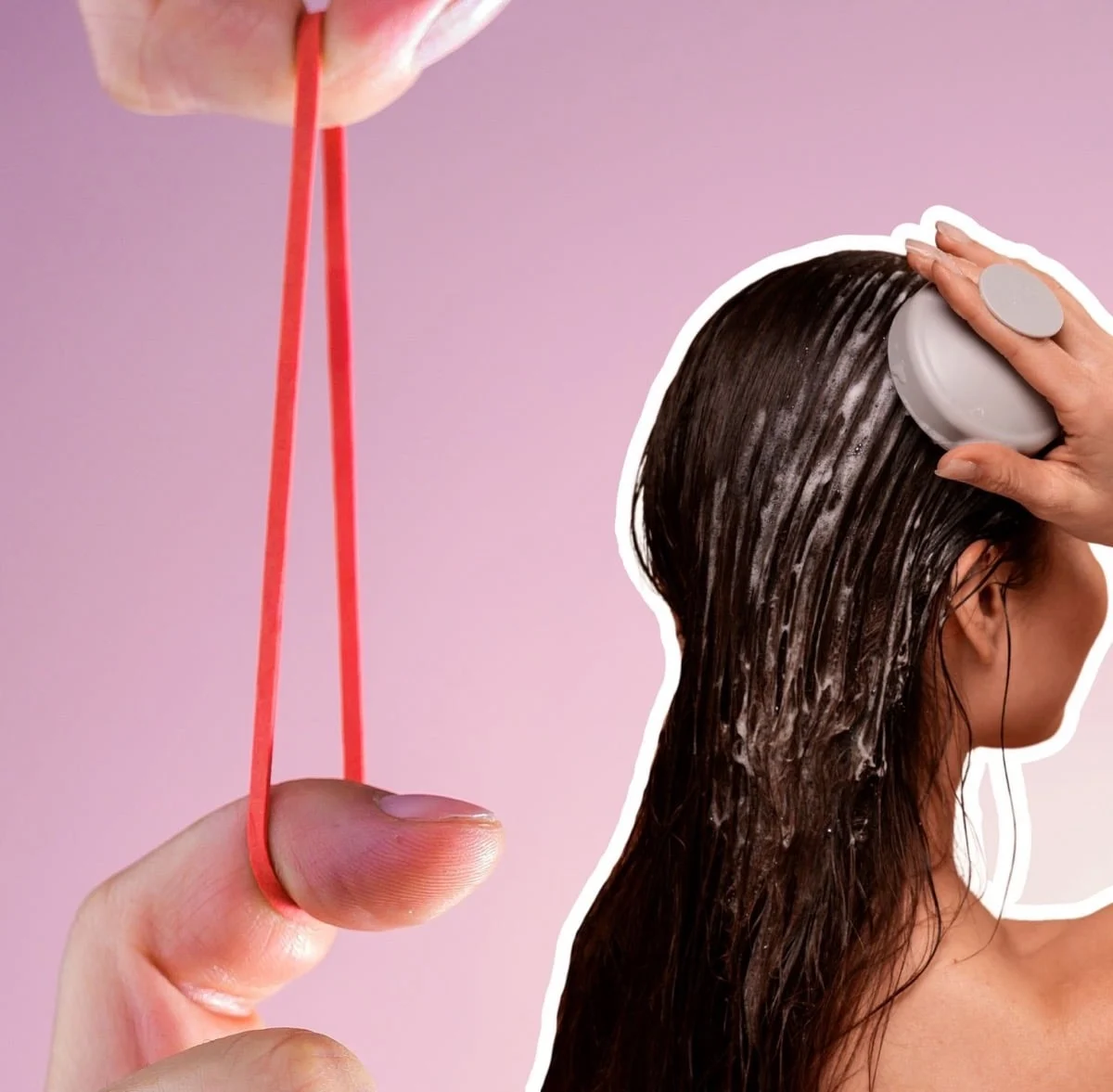
The interaction of water with human hair has long been a fertile ground for misconceptions within the beauty and hair care industry. Among the most pervasive of these is the notion that the repetitive cycles of wetting and drying hair inherently cause damage, a phenomenon often termed "hygral fatigue." This widely circulated belief suggests that continuous exposure to water leads to a gradual weakening and eventual breakage of hair strands. However, scientific scrutiny reveals this concept to be largely unfounded, challenging a cornerstone of many popular hair care regimens.
Understanding Hair’s Structure and Its Interaction with Water
To fully grasp why the concept of hygral fatigue is a myth, it is essential to understand the fundamental structure of hair and how it naturally interacts with water. Human hair is primarily composed of keratin, a fibrous protein. Each strand comprises three main layers: the cuticle, the cortex, and the medulla (though not all hair types possess a medulla).
The cuticle is the outermost protective layer, consisting of overlapping, scale-like cells that resemble shingles on a roof. These scales lie flat when hair is dry and healthy, providing a smooth surface that reflects light and prevents damage. When hair becomes wet, water molecules penetrate the cuticle, causing the scales to swell and lift slightly. This lifting, while increasing the hair’s vulnerability to mechanical friction, is a reversible and natural process.
Beneath the cuticle lies the cortex, which makes up the bulk of the hair fiber. The cortex is composed of long keratin protein chains coiled into alpha-helices, which are then bundled together into larger fibers. These protein chains are held together by three main types of bonds:
- Disulfide bonds: These are strong, permanent covalent bonds that contribute significantly to hair’s strength and shape. They are not easily broken by water and typically require chemical treatments (like perms or relaxers) or extreme heat to alter.
- Ionic bonds (salt bonds): These are weaker electrostatic attractions between charged amino acid groups. They are easily disrupted by changes in pH but reform once the pH is neutralized.
- Hydrogen bonds: These are the most numerous and weakest of the hair bonds. They form between hydrogen atoms and highly electronegative atoms (like oxygen or nitrogen) on adjacent keratin chains. Water molecules readily interact with these hydrogen bonds.
When hair gets wet, water molecules infiltrate the cortex and disrupt the existing hydrogen bonds between keratin chains. This allows the keratin chains to move more freely, causing the hair fiber to swell and become more elastic. As the hair dries, the water molecules evaporate, and the hydrogen bonds reform in their original or new positions, locking the hair into its new dry shape. This temporary disruption and reformation of hydrogen bonds is a natural, non-damaging process.
The Genesis and Popularization of ‘Hygral Fatigue’
The term "hygral fatigue" has gained considerable traction in recent years, particularly within online beauty communities and discussions surrounding natural hair care. It posits that repeated swelling and deswelling of the hair fiber, caused by wetting and drying, leads to cumulative stress that eventually compromises hair integrity, making it brittle and prone to breakage. This theory often serves as a rationale for limiting hair washing frequency or for using specific products, like certain oils, to supposedly "seal" hair from water absorption.
While the concept of hygral fatigue is frequently discussed in popular discourse, its scientific basis is tenuous. Intriguingly, the term has appeared in some peer-reviewed papers, lending it a veneer of scientific credibility. However, a closer examination of these studies often reveals that they either lack conclusive evidence directly supporting the concept or misinterpret observed phenomena. The proliferation of this myth highlights a broader challenge in modern beauty science communication, where anecdotal evidence and plausible-sounding theories can quickly become entrenched beliefs without rigorous scientific validation.
Deconstructing the Scientific Claims: The Lee et al. (2011) Study
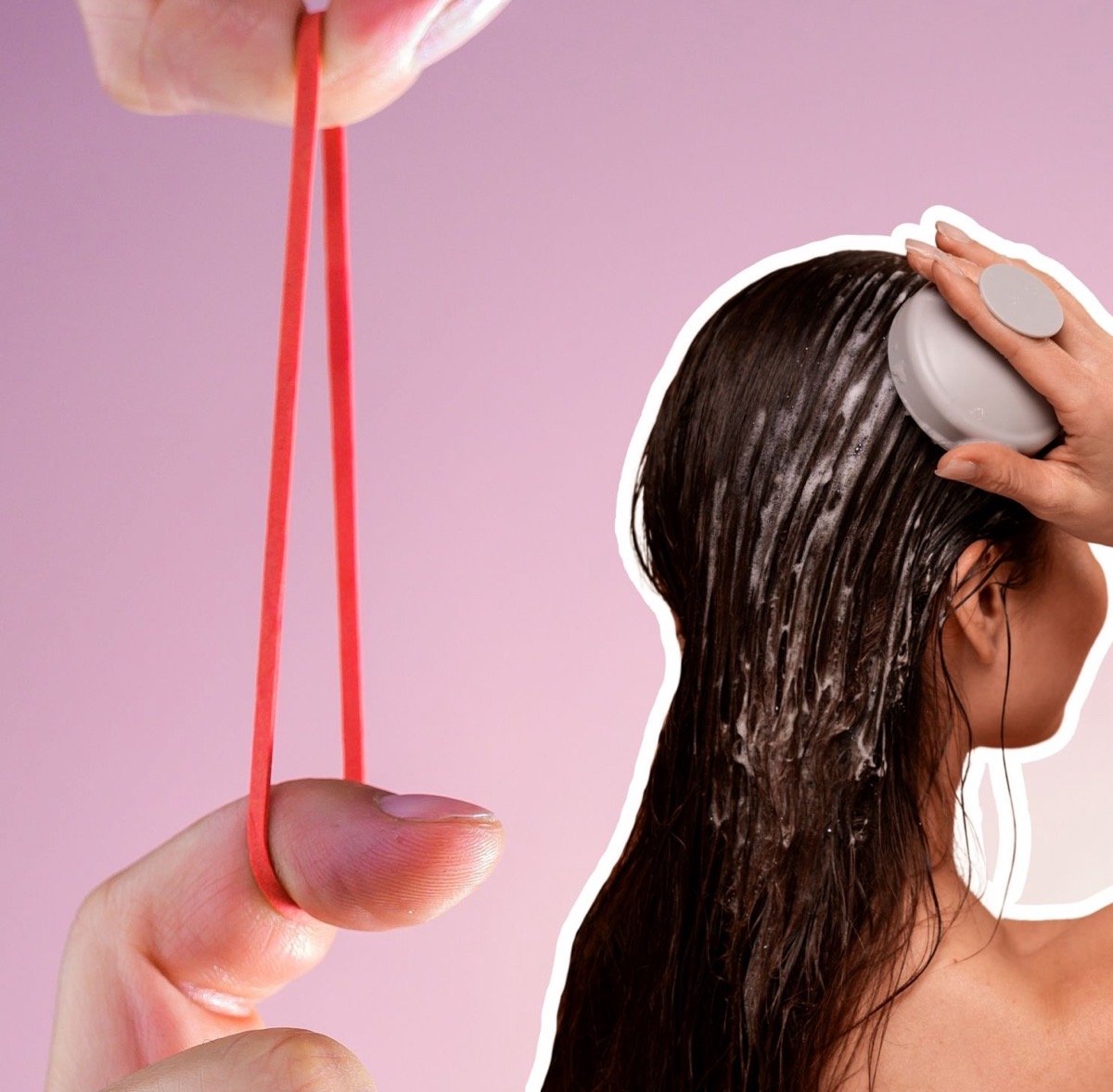
One of the most frequently cited studies in support of the "hygral fatigue" theory is a 2011 paper by Lee et al., published in Annals of Dermatology, which investigated the damage caused by different hair drying methods. The researchers compared air drying with blow drying at various temperatures and distances from the hair. Their findings indicated that blow drying at a low temperature caused the least damage.
Crucially, the study reported observing "bulges" in the air-dried hair samples. The authors concluded that these bulges were a form of damage resulting from water swelling the hair for an extended period during the air-drying process, thereby linking prolonged wetness to structural compromise. This conclusion was then extrapolated by some to support the broader concept of hygral fatigue.
However, this interpretation warrants critical evaluation. Air drying is a standard and widely accepted method for hair in both everyday life and scientific experiments. If air drying inherently caused significant damage manifesting as "bulges," such observations would be commonplace across numerous hair studies. The fact that these bulges are not routinely reported in other research suggests that the findings in the Lee et al. study might be anomalous or specific to their experimental setup. Potential explanations for these observed bulges could include pre-existing damage to the specific hair samples used (e.g., from excessive sun exposure or prior chemical treatments), or methodological inconsistencies that were not accounted for. Without replication or further investigation into the origin of these specific bulges, attributing them definitively to "water swelling damage" or "hygral fatigue" is premature and lacks robust scientific backing.
The Molecular Reality: Hair vs. Rubber Bands
A common analogy used to explain hygral fatigue is comparing hair to a rubber band that loses its elasticity and eventually snaps after repeated stretching. This analogy, while intuitively appealing, is fundamentally flawed when applied to hair’s molecular structure.
Rubber bands, typically made of polymers like natural or synthetic rubber, derive their elasticity from long, tangled polymer chains held together by relatively permanent cross-links. When stretched repeatedly, these cross-links or the polymer chains themselves can break irreversibly, leading to cumulative damage and eventual failure.
Hair, on the other hand, behaves differently. As previously discussed, the primary bonds affected by water are temporary hydrogen bonds. These bonds are constantly forming and breaking in response to the presence or absence of water molecules. When hair is wet, water molecules disrupt these hydrogen bonds, allowing the keratin chains to move. When hair dries, the water evaporates, and the hydrogen bonds readily reform. This process is akin to joining and unjoining LEGO bricks: the individual components (atoms) are not damaged in the process, and the structure can be repeatedly assembled and disassembled without degradation. Unlike the permanent bond breakage in a fatiguing rubber band, the atoms involved in hydrogen bonds do not "wear down" or become irreversibly damaged through these cycles.
Revisiting Coconut Oil Studies and Water Absorption
Another avenue through which the concept of hygral fatigue has been propagated involves studies on the efficacy of certain oils, particularly coconut oil, in hair care. Several papers have proposed that coconut oil could protect hair from hygral fatigue by supposedly blocking water absorption. These studies often cite the term "hygral fatigue" but frequently fail to provide primary scientific sources that definitively establish its existence as a damaging phenomenon.
Experiments attempting to quantify water absorption in oil-treated hair typically involve coating hair strands with different oils (e.g., coconut, mineral, sunflower) and then subjecting them to varying humidity levels in a dynamic vapor sorption (DVS) apparatus. The increase in hair weight at different humidities is measured, with the assumption that this weight gain corresponds to absorbed water. Some studies reported that coconut oil-treated hair showed the smallest percentage increase in weight, leading to the conclusion that coconut oil effectively blocked water absorption.
However, hair scientist Trefor Evans has critically highlighted a potential experimental flaw in these interpretations. When hair is coated with oil, its initial weight increases. If the amount of absorbed water is then expressed as a percentage of this new, heavier "hair + oil" system, the resulting percentage will naturally appear smaller compared to untreated hair, even if the absolute amount of water absorbed is the same. This methodological nuance could lead to an erroneous conclusion about coconut oil’s ability to significantly "block" water.
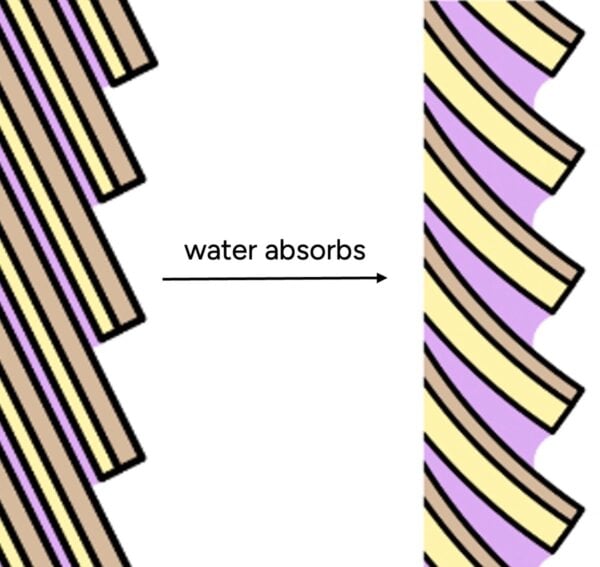
Furthermore, from a structural perspective, it is highly improbable that any hair treatment could completely seal the hair fiber from water penetration. The hair cuticle, with its overlapping scales, presents numerous microscopic gaps at its edges. Water molecules, being extremely small, can readily penetrate these spaces. The water content of hair is primarily dictated by the ambient relative humidity, and while some hydrophobic coatings might slightly slow down the rate of absorption or desorption, they cannot fundamentally prevent water from interacting with the keratin structure over time.
This does not, however, negate the numerous benefits of coconut oil for hair health. Instead, it recontextualizes its mechanism of action. Oils, including coconut oil, primarily function as lubricants on the hair’s surface. They smooth down the cuticle, reduce friction, and protect the hair from mechanical damage during activities like combing, brushing, and styling, especially when hair is wet and more vulnerable.
Beyond surface lubrication, some research suggests that coconut oil possesses a unique ability to penetrate deeper into the hair shaft than many other oils. Its smaller molecular size and specific fatty acid composition allow it to diffuse into the cortex. Here, it can potentially fill microscopic gaps within the cell membrane complex (the "mortar" between the "brick-like" hair cells) and the inter-fibrillar regions of the cortex. This internal penetration can help reduce internal cracking and strengthen the hair fiber from within, contributing to increased elasticity and reduced breakage. Therefore, while coconut oil may not "block" water to prevent "hygral fatigue," it certainly offers protective benefits through other, scientifically sound mechanisms.
The Real Risks: Mechanical Damage to Wet Hair
While water itself does not inherently damage hair through "hygral fatigue," it is unequivocally true that hair is more fragile and susceptible to mechanical damage when wet. This increased fragility stems from several factors:
- Swelling and Softening: As water penetrates the hair, the fiber swells and softens. This makes the hair more elastic but also less rigid and more prone to stretching beyond its elastic limit.
- Cuticle Lifting: The lifting of cuticle scales when wet increases friction between hair strands and makes the hair surface rougher. This can lead to snagging and tearing of the cuticle during manipulation.
- Reduced Tensile Strength: Wet hair generally has a lower tensile strength compared to dry hair, meaning it requires less force to break.
Therefore, the critical implication for hair care is not to avoid wetting hair, but rather to treat wet hair with extreme gentleness. Vigorous towel drying, aggressive brushing, or harsh detangling of wet hair can cause significant cuticle damage, breakage, and split ends.
Best Practices for Wet Hair Care:
- Gentle Cleansing: Use a mild shampoo and lukewarm water. Avoid excessive scrubbing or tangling during washing.
- Conditioning: Always follow with a conditioner to help smooth the cuticle, reduce friction, and make detangling easier.
- Blotting, Not Rubbing: After washing, gently squeeze excess water from the hair with your hands, then use a microfiber towel or an old cotton t-shirt to blot the hair dry. Avoid rubbing vigorously, which can rough up the cuticle and cause tangles.
- Wide-Tooth Comb: Detangle wet hair with a wide-tooth comb, starting from the ends and working your way up to the roots. Be patient and gentle, avoiding yanking or pulling.
- Air Drying or Low-Heat Blow Drying: Allow hair to air dry partially or completely, or use a blow dryer on a cool or low-heat setting, maintaining a distance from the hair. Excessive heat can cause thermal damage, regardless of whether the hair is wet or dry.
- Protective Styling: When hair is wet, consider styles that minimize manipulation, or allow it to dry naturally before styling.
Implications for Consumer Understanding and Beauty Science
The debunking of the "hygral fatigue" myth underscores the importance of evidence-based information in the beauty industry. Misinformation, even when seemingly innocuous, can lead consumers to adopt unnecessary or even counterproductive practices, potentially causing undue anxiety or expenditure on ineffective products.
The prevalence of such myths highlights the need for:
- Critical Evaluation: Consumers should approach beauty claims with a healthy skepticism, seeking information from reputable scientific sources and experts.
- Science Communication: Scientists and dermatologists have a crucial role in translating complex scientific concepts into accessible, accurate information for the public.
- Personalized Hair Care: Washing frequency and product choices should be based on individual hair type, scalp condition, lifestyle, and genuine needs, rather than fear-mongering myths. For many, daily washing is perfectly healthy and beneficial for scalp and hair hygiene.
In conclusion, the scientific consensus is clear: water itself does not inherently damage hair through repeated wetting and drying cycles. The concept of "hygral fatigue" as a form of inherent water-induced structural degradation is not supported by robust scientific evidence. While wet hair is indeed more fragile and requires gentle handling to prevent mechanical damage, the temporary disruption and reformation of hydrogen bonds by water is a natural and reversible process that does not lead to cumulative weakening or breakage of the hair fiber. Focusing on gentle care practices, especially when hair is wet, and relying on scientifically validated information, remains the most effective approach to maintaining healthy, resilient hair.
