

Polycystic Ovary Syndrome (PCOS) remains one of the most prevalent endocrine disorders among women of reproductive age, affecting approximately 8% to 13% of the global female population. Characterized by a complex interplay of hormonal imbalances, ovulatory dysfunction, and metabolic disturbances, the management of PCOS has traditionally focused on pharmacological interventions. However, a growing body of clinical evidence suggests that nutritional strategies, specifically the Mediterranean diet, offer a potent non-pharmacological approach to mitigating the syndrome’s diverse symptoms. While specific research focusing exclusively on the intersection of PCOS and the Mediterranean diet is a developing field, existing longitudinal studies and clinical trials have established that this dietary pattern significantly improves chronic inflammation, insulin sensitivity, gut health, and reproductive outcomes.
The Evolution of Dietary Management in PCOS
The clinical understanding of PCOS has shifted significantly over the last three decades. In the 1990s, dietary recommendations for PCOS were largely centered on caloric restriction for weight loss, often mirroring the low-fat trends of the era. However, by the early 2000s, the pivotal role of insulin resistance became a focal point for researchers. Studies such as those conducted by Ovalle and Azziz in 2002 highlighted that between 50% and 70% of women with PCOS exhibit some degree of insulin resistance, regardless of their Body Mass Index (BMI).
This realization prompted a transition toward diets that prioritize glycemic control. By the 2010s, the Mediterranean diet emerged as a leading candidate for PCOS management due to its high concentration of anti-inflammatory fats and low-glycemic index carbohydrates. Unlike restrictive diets that often lead to low compliance, the Mediterranean model is viewed by healthcare professionals as a sustainable lifestyle framework rather than a temporary weight-loss regimen.
Defining the Mediterranean Framework
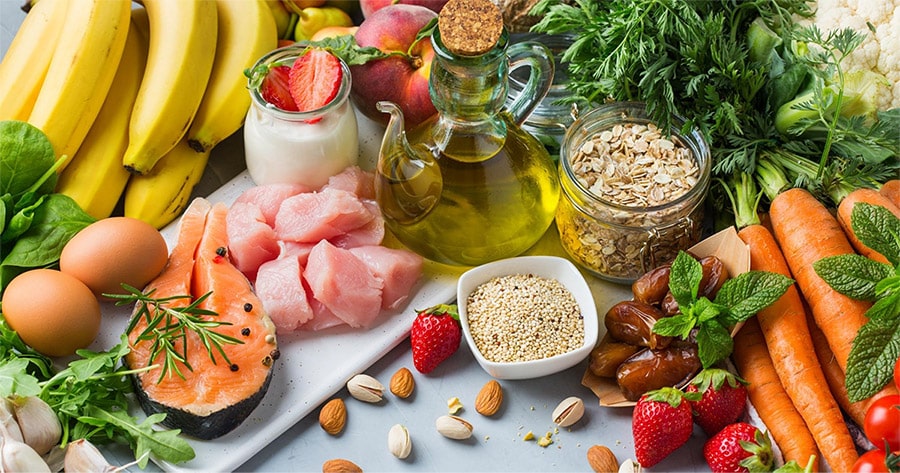
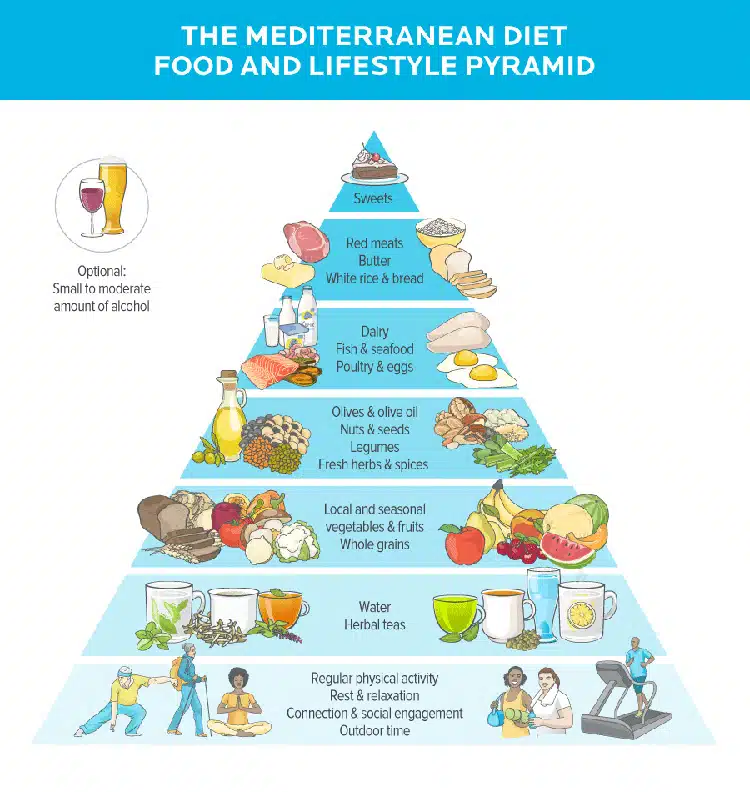
The traditional Mediterranean diet is characterized by a high intake of plant-based foods, including fruits, vegetables, legumes, nuts, and seeds. Olive oil serves as the primary source of dietary fat, while fish and poultry are consumed in moderate amounts. Red meat and highly processed sugars are notably absent or reserved for rare occasions.
From a nutritional standpoint, this diet is inherently low in saturated fats and trans fats, which are known to exacerbate metabolic distress. Instead, it provides a rich profile of monounsaturated fatty acids (MUFAs) and omega-3 polyunsaturated fatty acids. For women with PCOS, this shift from pro-inflammatory processed foods to nutrient-dense whole foods addresses the underlying physiological drivers of the syndrome rather than merely masking its symptoms.
Mitigating Chronic Low-Grade Inflammation
One of the hallmark features of PCOS is chronic low-grade systemic inflammation. This state of constant immune activation is linked to the development of insulin resistance and the overproduction of androgens by the ovaries. Clinical research published in Endocrine, Metabolic & Immune Disorders – Drug Targets indicates that the Mediterranean diet possesses unique immune-protective properties.
The high levels of antioxidants found in fresh produce and the polyphenols in extra virgin olive oil work synergistically to reduce oxidative stress. By dampening the inflammatory response, the diet helps restore cellular sensitivity to insulin. Consequently, reducing systemic inflammation is a critical step in breaking the cycle of hormonal imbalance that defines the PCOS experience.
Addressing Insulin Resistance and Metabolic Syndrome
Insulin resistance is not only a symptom of PCOS but also a primary driver of its progression. When cells become resistant to insulin, the pancreas compensates by producing more of the hormone. Elevated insulin levels stimulate the ovaries to produce excess testosterone, leading to acne, hirsutism, and ovulatory issues. Furthermore, hyperinsulinemia increases the risk of developing Type 2 Diabetes and cardiovascular disease.
Data suggests that adherence to a Mediterranean-style eating plan can lower fasting insulin levels and improve glucose tolerance. A 2020 review in Nutrients found that the Mediterranean diet is highly effective in preventing the progression of metabolic syndrome in obese populations. For women with PCOS, this improved insulin sensitivity can often achieve results similar to those of insulin-sensitizing medications like Metformin, but through lifestyle-based metabolic reprogramming.
Impact on Reproductive Health and Fertility
Infertility remains one of the most distressing complications of PCOS, often caused by anovulation. Recent findings published in the journal Human Reproduction have provided significant optimism for patients seeking to conceive. A study examining women undergoing assisted reproductive technology (ART) found that those who strictly followed a Mediterranean diet had a 65% to 68% higher likelihood of achieving a successful pregnancy and live birth compared to those with low adherence.
The benefits of the diet extend to the male partners as well, as research indicates that the high antioxidant and omega-3 content of the Mediterranean diet improves semen quality. By optimizing the nutritional environment for both the egg and the sperm, this dietary approach addresses fertility from a holistic biological perspective.
Hormonal Regulation and Androgen Reduction
Hyperandrogenism, or elevated levels of "male" hormones such as testosterone, is responsible for many of the physical symptoms of PCOS, including male-pattern baldness and persistent acne. The Mediterranean diet’s emphasis on healthy oils plays a direct role in hormonal regulation.
Research has demonstrated that omega-3 fatty acids, abundant in the Mediterranean diet through fish and walnuts, can significantly lower circulating testosterone levels in women. A 2019 study published in Nutrients observed that women with PCOS who did not follow Mediterranean dietary patterns tended to have higher androgen profiles and more severe body composition issues. Lowering these androgen levels is essential for restoring a regular menstrual cycle and reducing the dermatological manifestations of the syndrome.
The Role of the Gut Microbiome and Hepatic Health
Emerging research into the gut-brain-axis has revealed that women with PCOS often possess a less diverse gut microbiome than their healthy counterparts. This "dysbiosis" can contribute to increased intestinal permeability and further inflammation. The Mediterranean diet, rich in fiber from legumes and whole grains, acts as a prebiotic, fueling the growth of beneficial gut bacteria. Studies in F1000Research suggest that these diet-microbiome interactions are fundamental to improving host health and metabolic stability in PCOS patients.
Additionally, women with PCOS are at a disproportionately high risk for Non-Alcoholic Fatty Liver Disease (NAFLD). Clinical evidence suggests that following a Mediterranean diet for 12 months can significantly reduce liver fat and improve hepatic insulin sensitivity. Notably, these improvements have been observed even in the absence of significant weight loss, suggesting that the quality of the nutrients consumed is as important as the quantity.
Broader Health Implications and Long-Term Protection
The implications of adopting a Mediterranean diet extend far beyond the immediate management of PCOS symptoms. Women with the syndrome are statistically more likely to develop cardiovascular disease, stroke, and certain types of cancer later in life.
- Cardiovascular Health: The diet’s ability to improve lipid profiles and reduce blood pressure provides a protective shield against the heart-related risks associated with metabolic syndrome.
- Oncology: Research has linked the Mediterranean diet to a reduced risk of breast cancer, a concern for women with hormonal imbalances.
- Diabetes Prevention: By maintaining stable blood sugar levels, the diet serves as a primary preventative measure against the transition from pre-diabetes to Type 2 Diabetes.
Practical Implementation and Lifestyle Strategies
Clinical dietitians emphasizing the Mediterranean approach for PCOS often suggest a gradual transition rather than an overnight overhaul. Success in this dietary shift is frequently attributed to several core lifestyle principles:
- Sourcing Locally and Seasonally: Consuming fresh, seasonal produce reduces the intake of preservatives and ensures a higher micronutrient density. Supporting local farmers’ markets is encouraged to maintain a connection with the food source.
- Mindful Consumption: The Mediterranean lifestyle emphasizes eating slowly and socializing during meals. This practice has been shown to improve digestion and enhance the body’s satiety signals, which is particularly beneficial for women with PCOS who may experience disrupted hunger hormones.
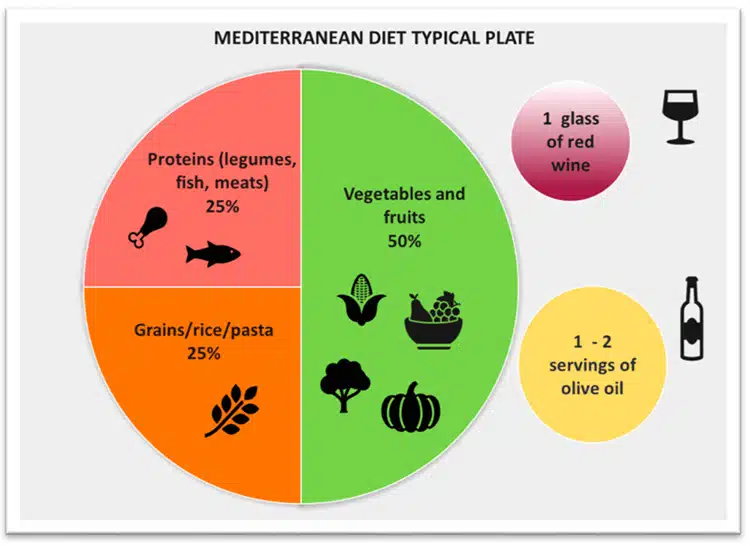
- Prioritizing Whole Macronutrients: A balanced Mediterranean plate for PCOS typically includes a foundation of non-starchy vegetables, a portion of low-GI carbohydrates (like quinoa or lentils), and a high-quality protein source (like grilled fish or chickpeas), all finished with a healthy fat such as avocado or olive oil.
Conclusion and Future Outlook
The Mediterranean diet represents a robust, evidence-based framework for managing the multifaceted challenges of Polycystic Ovary Syndrome. By addressing the root causes of the disorder—namely inflammation, insulin resistance, and hormonal dysregulation—this nutritional path offers women a way to regain control over their reproductive and metabolic health.
While more large-scale, PCOS-specific clinical trials are needed to refine these dietary guidelines, the current consensus among endocrinologists and nutritionists is clear: the Mediterranean diet is a gold standard for long-term health. For the millions of women worldwide navigating the complexities of PCOS, this way of eating provides not just a list of restrictions, but a sustainable and flavorful path toward holistic wellness and disease prevention.
