
The year 2022 was a pivotal period for discussions surrounding food and nutrition, culminating in significant policy initiatives and ongoing dialogues aimed at fostering healthier populations and a more sustainable food system. A landmark event, the White House Conference on Hunger, Nutrition, and Health, held in September 2022, brought together stakeholders to address long-standing issues of food insecurity and promote better health outcomes through improved nutrition and increased physical activity. This conference, the first of its kind since 1969, generated a national strategy with ambitious targets, aiming to end hunger and enhance healthy eating and physical activity by the year 2030.
The Biden-Harris Administration’s national strategy outlines a multi-pronged approach to tackle these complex challenges. Key proposals within the strategy include the expansion of critical nutrition assistance programs, such as SNAP (Supplemental Nutrition Assistance Program), to reach more vulnerable populations and increase benefit adequacy. Furthermore, the strategy proposes covering medically tailored meals under Medicare, a significant step towards recognizing the therapeutic role of nutrition in managing chronic diseases. This initiative acknowledges the growing body of scientific evidence linking dietary patterns to the prevention and management of conditions like diabetes, cardiovascular disease, and obesity.
However, experts from Harvard’s Department of Nutrition, including Drs. Frank Hu, Walter Willett, and Lilian Cheung, have pointed to several crucial omissions in the White House strategy. In their reflection on the event, they highlighted the urgent need to protect children from the pervasive marketing of unhealthy foods, a practice that significantly influences dietary choices from an early age. Statistics from the Centers for Disease Control and Prevention (CDC) consistently show high rates of childhood obesity, with approximately 19.7% of children and adolescents aged 2-19 years affected in 2017-2020. Marketing plays a substantial role in shaping children’s preferences for sugary drinks, processed snacks, and fast food, contributing to these alarming trends.
Another critical area identified by the Harvard experts is the transformation of the food system in response to the escalating climate crisis. The current global food system is a significant contributor to greenhouse gas emissions, deforestation, and biodiversity loss. The Intergovernmental Panel on Climate Change (IPCC) has repeatedly emphasized the need for sustainable agricultural practices and shifts towards plant-rich diets to mitigate climate change. The omission of robust policies addressing these environmental dimensions of food production and consumption represents a significant missed opportunity in a comprehensive national strategy.
The call for a collaborative effort is clear. Drs. Hu, Willett, and Cheung emphasized, "To have a significant impact, the administration must bring together the public and private sectors, along with philanthropists, academia, and individuals to develop truly sustainable food systems that support both public and planetary health." This sentiment underscores the interconnectedness of human health and environmental well-being, suggesting that effective solutions require a holistic and integrated approach.
The Road to Policy: A Chronology of Food and Nutrition Initiatives
The White House Conference on Hunger, Nutrition, and Health was not an isolated event but rather a culmination of decades of growing awareness and concern regarding the nation’s health and food security.
- 1969: The first White House Conference on Food, Nutrition, and Health was convened by President Richard Nixon. This landmark event led to the creation of the Special Supplemental Nutrition Program for Women, Infants, and Children (WIC) and spurred advancements in nutrition education and food safety regulations.
- 1970s-1990s: Continued research and public health initiatives focused on identifying and addressing nutritional deficiencies and the rise of diet-related chronic diseases. Programs like SNAP (then known as food stamps) were expanded and refined.
- 2000s: The obesity epidemic gained national attention, prompting increased focus on dietary guidelines, physical activity recommendations, and the impact of food marketing. Concerns about food deserts and access to healthy foods in underserved communities also grew.
- 2010s: The development of the Dietary Guidelines for Americans continued to evolve, incorporating scientific advancements. Efforts to improve school nutrition standards and promote healthier food environments gained momentum.
- 2022: The Biden-Harris Administration convenes the White House Conference on Hunger, Nutrition, and Health, signaling a renewed federal commitment to tackling these complex issues. The subsequent release of the national strategy sets new goals and priorities for the coming decade.
This historical context highlights the iterative nature of policy development in food and nutrition, building upon past successes and addressing emerging challenges.
Supporting Data: The Stark Realities of Nutrition and Health
The urgency for effective nutrition policies is underscored by compelling data:
- Chronic Disease Burden: According to the CDC, six in ten adults in the U.S. have a chronic disease, and four in ten have two or more. Diet-related chronic diseases, including heart disease, stroke, type 2 diabetes, and some types of cancer, are leading causes of death and disability.
- Food Insecurity: Despite being a high-income nation, millions of Americans face food insecurity. In 2022, 12.8% of households (17 million households) were food insecure at some point during the year, according to the USDA. This often forces individuals to choose cheaper, less nutritious options.
- Economic Impact: The economic burden of diet-related diseases is substantial. The CDC estimates that in 2018, the estimated annual medical cost of poor nutrition in the U.S. was $53.6 billion.
- Environmental Footprint: The agricultural sector accounts for approximately 10% of U.S. greenhouse gas emissions, according to the Environmental Protection Agency (EPA). Furthermore, global food systems contribute significantly to land degradation, water scarcity, and biodiversity loss.
These figures paint a clear picture of the multifaceted challenges that need to be addressed through comprehensive and effective policies.
Official Responses and Expert Analyses
The White House national strategy has been met with a range of reactions from various sectors. While many commend the administration’s commitment to addressing hunger and promoting health, others echo the concerns raised by Harvard nutrition experts regarding the scope and ambition of certain policy proposals.
Advocacy groups focused on child nutrition and public health have largely welcomed the inclusion of provisions aimed at improving access to healthy foods and supporting nutrition assistance programs. However, they continue to push for stronger regulations on food marketing to children, citing the potential for significant public health benefits.
The food industry, a complex and diverse sector, has offered varied responses. Some segments have expressed a willingness to collaborate on health initiatives, while others have voiced concerns about the potential economic implications of stricter regulations on product formulation and marketing.
Academics and researchers in the field are largely in agreement that a systemic approach is necessary. The interconnectedness of food, health, and the environment necessitates policies that transcend traditional silos. The call for sustainable food systems is gaining traction within scientific communities worldwide, emphasizing the need for practices that can nourish populations while safeguarding planetary health.
Broader Impact and Implications: Towards a Healthier Future
The national strategy, despite its acknowledged omissions, represents a critical step forward in prioritizing food and nutrition at the federal level. The long-term implications of its successful implementation could be far-reaching:
- Reduced Healthcare Costs: By focusing on prevention through improved nutrition and increased physical activity, the strategy has the potential to significantly reduce the burden of chronic diseases, leading to substantial savings in healthcare expenditures.
- Enhanced Food Security: Strengthening nutrition assistance programs and addressing systemic barriers to healthy food access can alleviate food insecurity, ensuring that more Americans have consistent access to nutritious meals.
- Improved Public Health Outcomes: A sustained effort to promote healthy eating habits and combat diet-related diseases can lead to a healthier population, with improved quality of life and increased productivity.
- Environmental Sustainability: While the current strategy may not fully address the environmental aspects of the food system, the growing recognition of this link could pave the way for future policies that promote sustainable agriculture and consumption patterns, contributing to climate change mitigation and environmental protection.
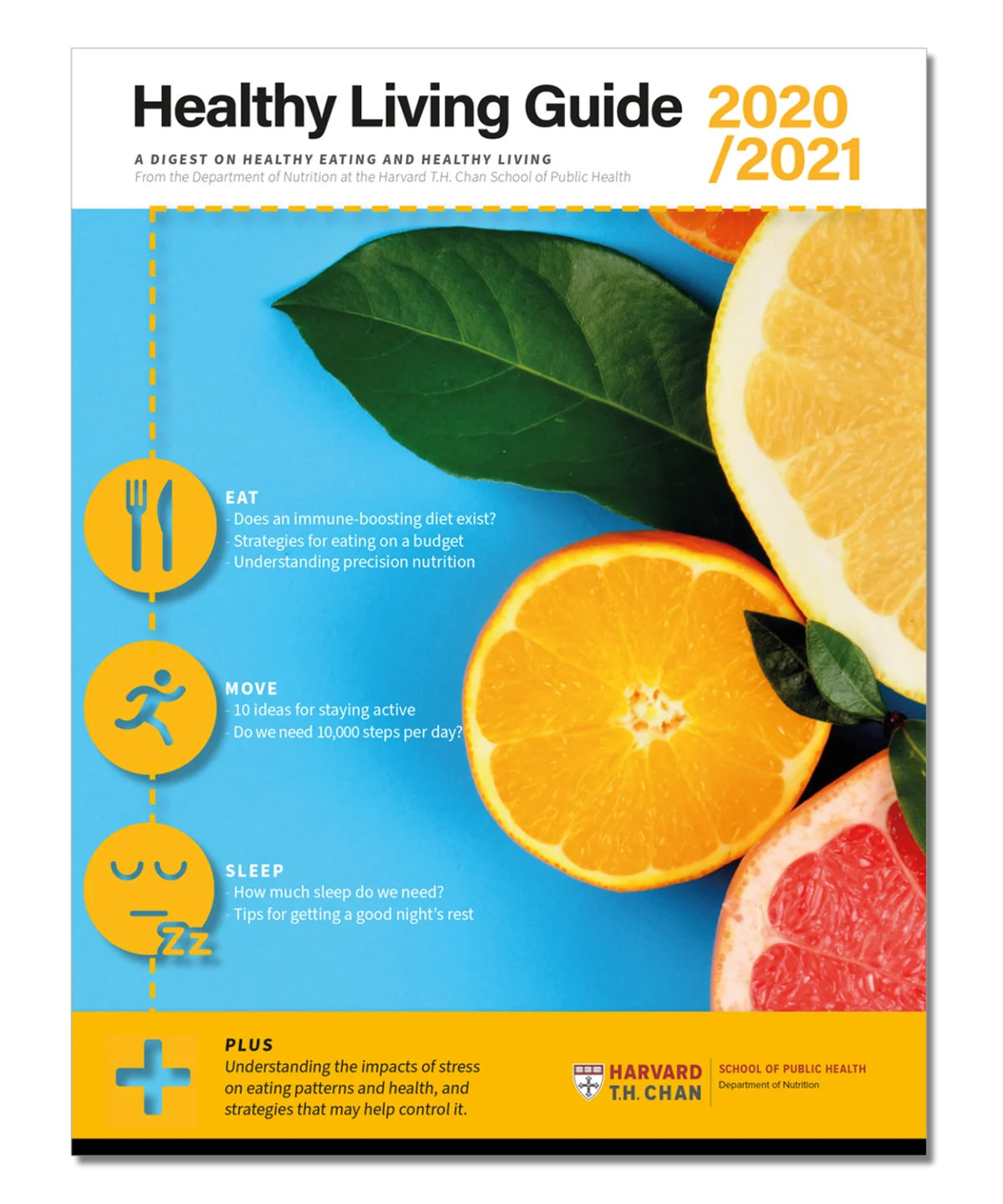
The path forward involves continued dialogue, robust research, and a commitment to translating policy goals into tangible action. The "Healthy Living Guide" referenced in the original article, offering practical tips and summaries, serves as a valuable resource for individuals seeking to make positive changes in their daily lives. As the nation navigates the complexities of food, nutrition, and health, collaborative efforts and a holistic perspective will be paramount in building a future where optimal health is accessible and affordable for all, while simultaneously nurturing the planet. The work initiated by the White House Conference and the ongoing efforts of researchers, policymakers, and communities are crucial in this endeavor.
