
The landscape of public health has undergone a significant re-evaluation in recent years, particularly concerning the transmission dynamics of respiratory pathogens. What began as a focused effort to combat the COVID-19 pandemic has evolved into a broader understanding of how illnesses spread, leading many individuals to adopt proactive measures beyond traditional vaccination. This shift emphasizes the paramount role of airborne transmission, driving interest in innovative tools and strategies designed to minimize exposure and reduce the frequency and severity of common infections.
Understanding Airborne Transmission: Beyond Droplets
For decades, the prevailing scientific consensus, often referred to as "droplet dogma," largely attributed the spread of respiratory diseases to large respiratory droplets. These droplets, expelled during coughing or sneezing, were believed to fall rapidly to surfaces within a short distance (typically 6 feet), necessitating measures like hand washing, surface disinfection, and maintaining physical distance. This understanding profoundly shaped early pandemic responses, with widespread campaigns promoting hand sanitizer and discouraging touching surfaces.
However, the rapid global spread of SARS-CoV-2, the virus causing COVID-19, presented a stark challenge to this entrenched model. As early as 2020, a dedicated group of scientists, often described as "dogged" in their pursuit of evidence, began to amass compelling data suggesting that airborne transmission via aerosols—much smaller particles that can remain suspended in the air for extended periods and travel over greater distances—was the dominant mode of spread for COVID-19 and many other respiratory viruses. Landmark papers published in early 2021, notably in The Lancet and other prestigious journals, systematically debunked the droplet-centric view, presenting robust evidence for aerosol transmission. This scientific pivot highlighted the ineffectiveness of many early pandemic control measures, such as plexiglass barriers and cloth masks, which offered minimal protection against fine airborne particles.
The implications of this paradigm shift are profound. Rather than envisioning germs falling like rain, a more accurate analogy is to imagine them moving like smoke or vapor, filling enclosed spaces. To effectively prevent airborne illnesses, the primary focus must therefore shift to reducing the inhalation of shared lung air. Despite the growing scientific consensus, integrating this updated understanding into widespread public health messaging and infrastructure has faced considerable resistance within certain parts of the medical establishment. Consequently, outdated advice emphasizing handwashing over ventilation and advanced masking continues to be prevalent in many settings.
Deconstructing Immune Myths and Symptom Ambiguity
Central to a proactive approach to illness prevention is dispelling common misconceptions about immunity and disease manifestation.
Firstly, the notion that "getting sick makes your immune system stronger" is largely a misinterpretation of the "hygiene hypothesis." While exposure to a diverse range of microbes in early life is beneficial for immune development, this refers to a spectrum of environmental microorganisms, not necessarily pathogens that cause acute illness. In fact, accumulating evidence suggests that infections, particularly with viruses like SARS-CoV-2, can temporarily or even long-term disrupt the immune system, making individuals more susceptible to subsequent infections or contributing to chronic health issues. Studies have documented post-viral immune dysregulation, where the immune system remains overactive or underactive in specific ways, potentially leading to persistent fatigue, inflammation, or increased vulnerability to other pathogens.
Secondly, the variable nature of viral symptoms often leads to misdiagnosis or underestimation of infection prevalence. COVID-19, for instance, exhibits a wide spectrum of symptoms that can vary significantly between individuals and viral variants. Infections can range from asymptomatic to severe, with mild cases sometimes presenting as an upset stomach, a slight headache, or a general feeling of being "off." This variability, coupled with common issues in accurate rapid antigen test administration, means that individuals may unknowingly carry and transmit viruses while believing they have a different ailment or no illness at all. This underscores the importance of proactive measures that do not rely solely on symptomatic identification of illness in others.
The Enduring Impact of Long COVID
Beyond acute illness, the long-term health consequences of infections, particularly Long COVID, represent a significant public health concern. Even healthy, fit individuals are not immune to these debilitating effects, which can manifest as chronic fatigue, brain fog, cardiovascular issues, and neurological problems. Research indicates that these post-viral syndromes are far more complex and concerning than the effects typically associated with "toxic" cosmetic ingredients, a field of study that has often garnered considerable public attention. From a medicinal chemistry perspective, developing cures for such multifaceted post-viral conditions is expected to take decades, if ever, given the intricate physiological changes involved. This stark reality further motivates the adoption of preventative strategies to avoid infection in the first place, regardless of an individual’s perceived vulnerability.
Key Technologies and Strategies for Personal Air Quality
In response to the updated understanding of airborne transmission, a suite of tools and strategies has emerged, empowering individuals to take control of their personal air quality and reduce infection risk.
Ventilation Assessment: The Role of CO2 Monitors
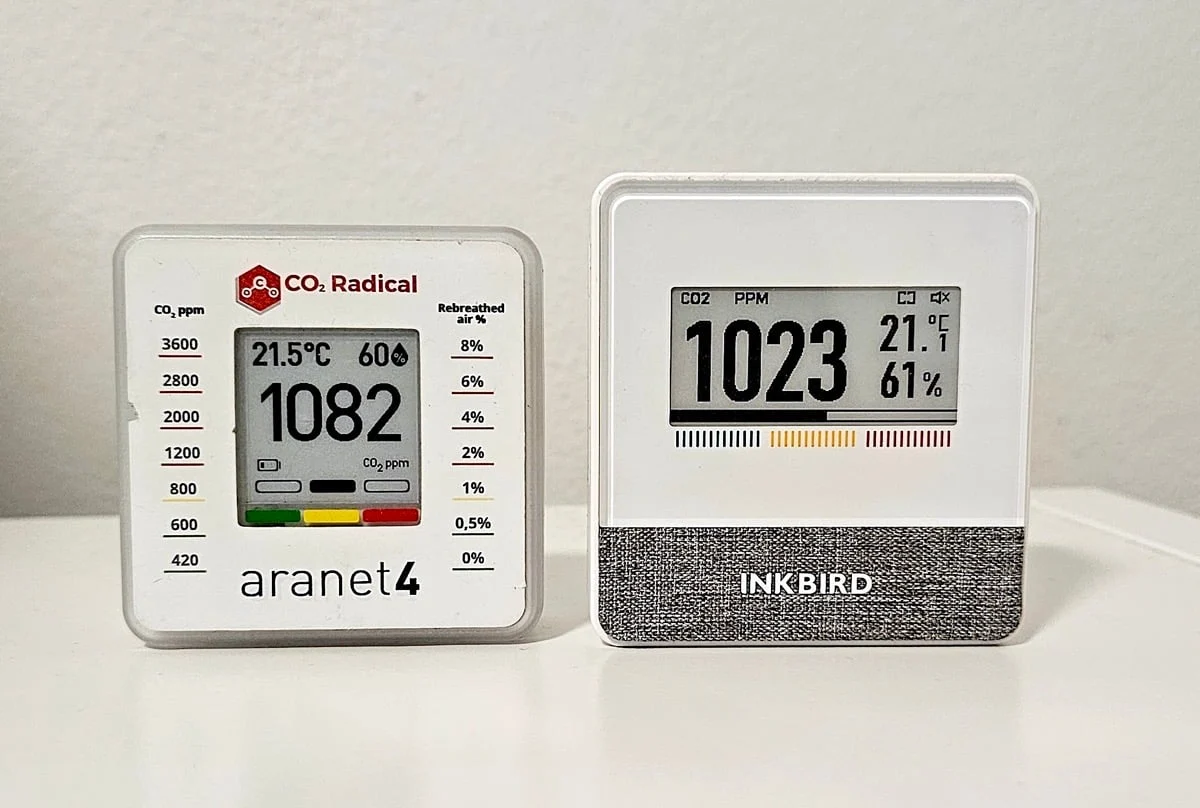
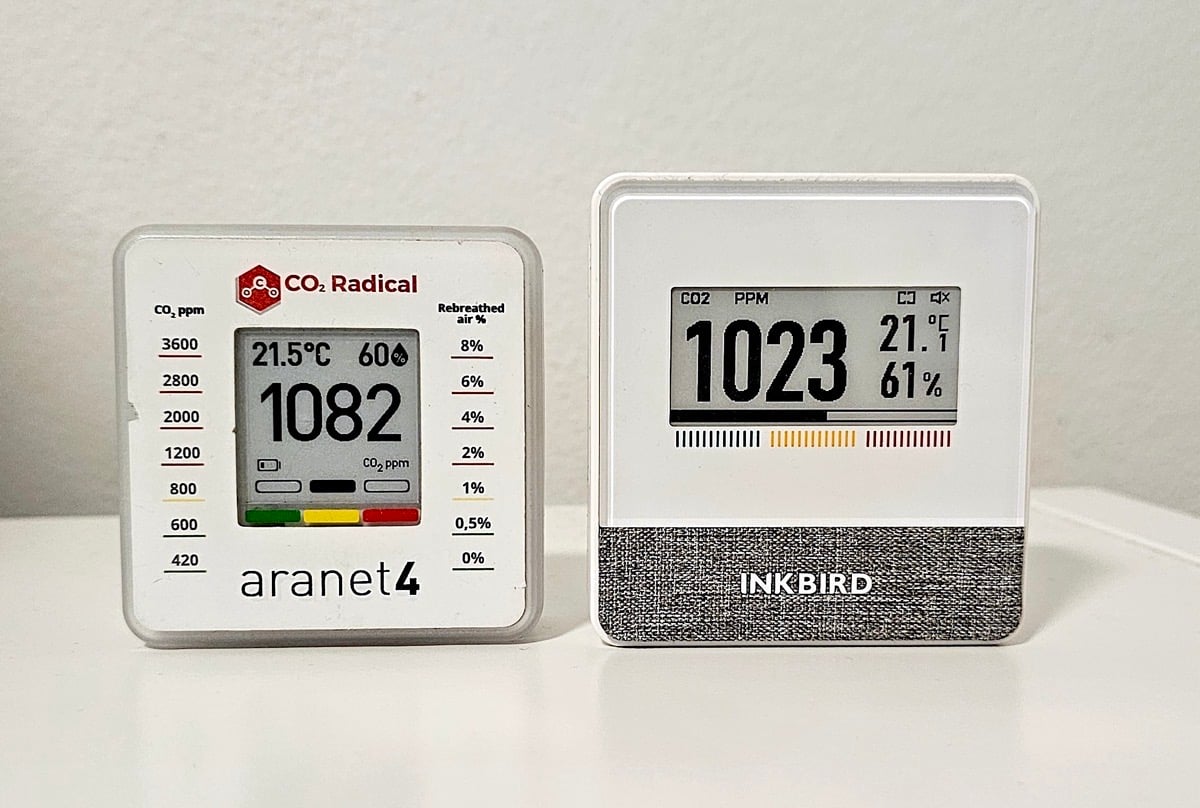
One of the most practical tools for assessing indoor air quality is a portable CO2 monitor. Carbon dioxide (CO2) is a natural byproduct of human respiration. In enclosed spaces, elevated CO2 levels serve as a reliable proxy for the concentration of exhaled air, and by extension, airborne pathogens. The more CO2 present in the air, the more "shared lung air" individuals are breathing, directly correlating with a higher risk of infection from airborne viruses.
Typical outdoor CO2 levels hover around 400-450 parts per million (ppm). In well-ventilated indoor environments, CO2 levels should ideally remain below 800 ppm. Levels exceeding 1000 ppm are generally indicative of poor ventilation and significantly increased risk. For example, a packed auditorium might see CO2 levels soar to 2000-3000 ppm, signaling a high-risk environment. The American Society of Heating, Refrigerating and Air-Conditioning Engineers (ASHRAE) and the U.S. Centers for Disease Control and Prevention (CDC) have issued guidelines emphasizing ventilation improvements, often recommending target CO2 levels for various indoor settings.
Devices like the Aranet4 Home or Inkbird monitor provide real-time data, allowing individuals to make informed decisions. This "fog-lifting" capability, as one observer described it, reveals hidden risks in seemingly innocuous locations. While not an exact measure of viral load (which also depends on the number of infected individuals), it offers a crucial indicator for personal risk assessment. For instance, maintaining CO2 levels below 600 ppm significantly reduces ambient airborne risk, shifting the primary concern to close, face-to-face interactions. Above 1000 ppm, or for extended stays, employing additional precautions like respirators becomes advisable. It’s important to note that CO2 levels can build up surprisingly quickly in small spaces like cars, even with just one occupant.
A caveat to CO2 monitoring exists when high-efficiency particulate air (HEPA) filters or other air purifiers are actively running. While these systems effectively remove airborne particles, they do not remove CO2. Therefore, in environments with robust filtration (like commercial aircraft during flight), CO2 readings might be high, but the air could still be significantly cleaner than the CO2 level alone would suggest. Conversely, filtration systems are often inactive when planes are on the ground, making respirator use crucial during boarding and deplaning.
Advanced Respiratory Protection: The Efficacy of Respirators (N95/P2 Masks)
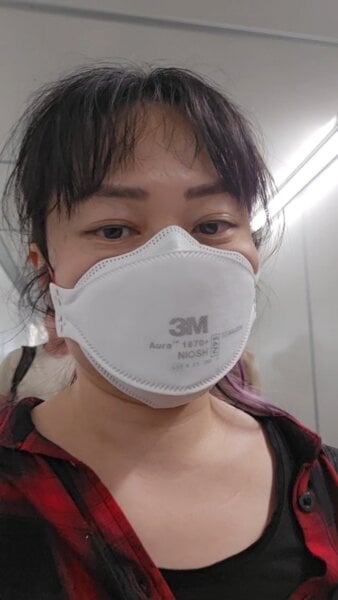
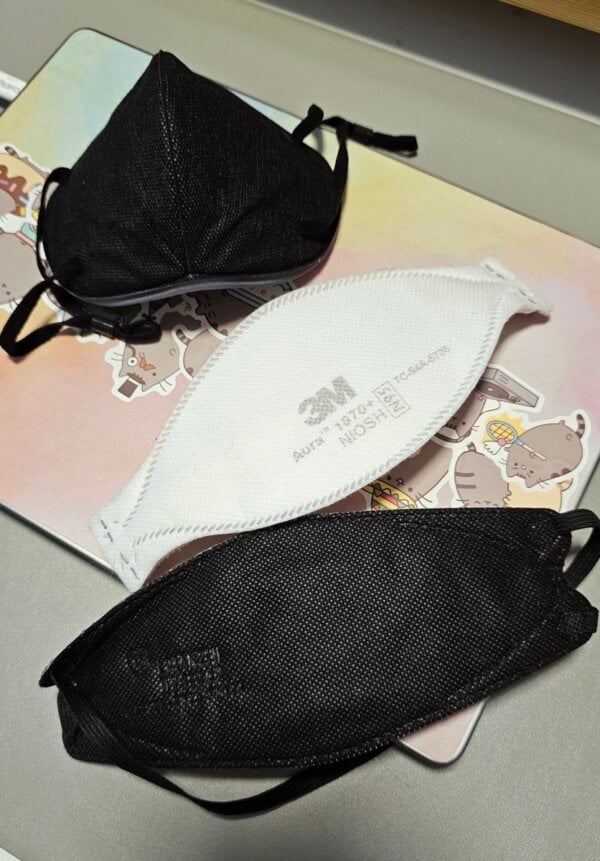
Respirators, such as N95 (US standard) or P2 (Australian/NZ standard) masks, provide superior protection compared to surgical or cloth masks by effectively filtering out airborne particles and forming a tight seal around the face, preventing leakage. They are designed to protect the wearer from inhaling hazardous aerosols.
Key features and considerations for respirators include:
- Filtration Efficiency: N95 respirators are certified to filter at least 95% of airborne particles 0.3 microns in size, which is highly effective against viruses. P2 respirators meet similar standards. This high efficiency is often achieved through advanced electrostatic material that captures particles.
- Fit and Seal: The most critical factor for protection is a proper seal to the face, preventing unfiltered air from entering. Headstraps generally provide a better, more consistent seal than earloops. While occupational settings require formal fit testing, individuals can perform a qualitative "seal check" by inhaling sharply and ensuring no air leaks around the edges of the mask.
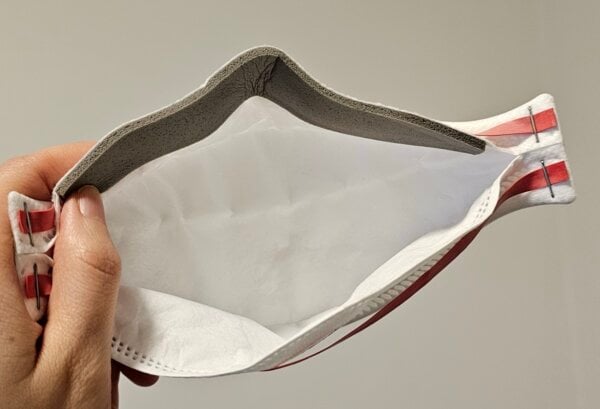
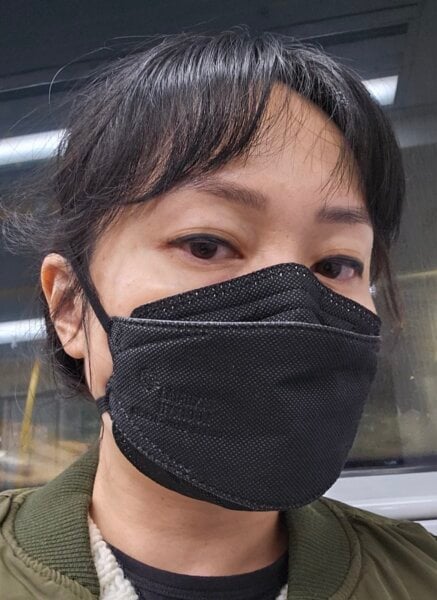
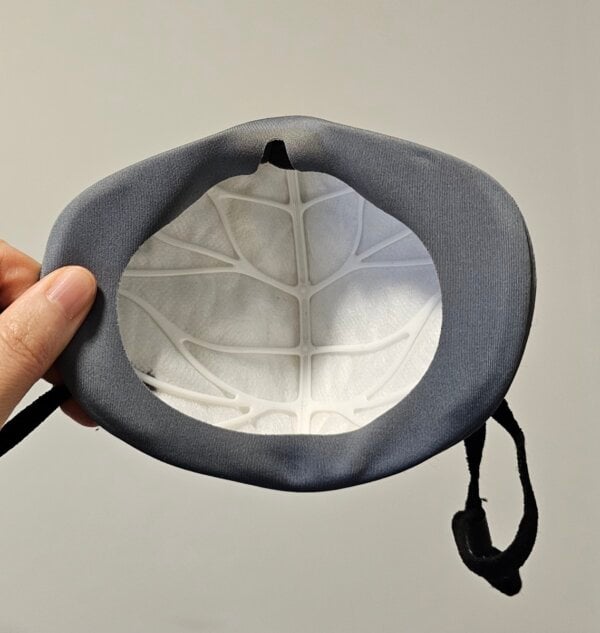
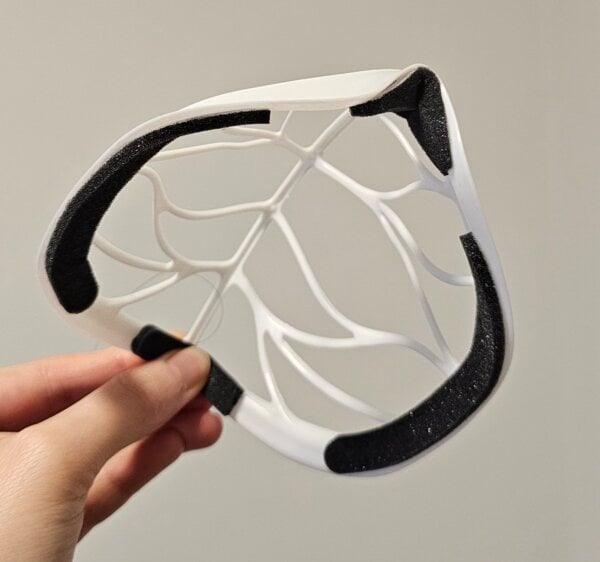
- Comfort and Design: Soft, boat-shaped designs like the 3M Aura are widely favored for their comfort and ability to fit a broad range of face shapes (studies show fit rates upwards of 90%). They sit away from the nose and mouth, reducing dampness and improving breathability compared to flatter masks. Other innovative designs, such as the Laianzhi HYX1002 (a KN100 mask) or the Zimi Air (featuring an internal frame and gasket), offer similar high-level protection with varying aesthetic and comfort benefits, including minimizing facial marks or makeup disruption.
- Reusability: Contrary to popular belief, N95 respirators are not single-use items in non-medical settings. They can be reused until the filter material becomes noticeably difficult to breathe through, or the mask loses its seal integrity. This significantly reduces cost and waste.
Respirators are particularly valuable in high-risk environments such as planes, airports, hospitals, pharmacies, and crowded indoor spaces where ventilation is poor. Beyond infection prevention, an unexpected benefit reported by users is the maintenance of nasal passage moisture, which can prevent discomfort and nosebleeds in dry environments like aircraft cabins. Personal customization, such as using mask chains or adjusting straps, can further enhance usability and comfort.
Targeted Air Purification: Laminar Flow Systems
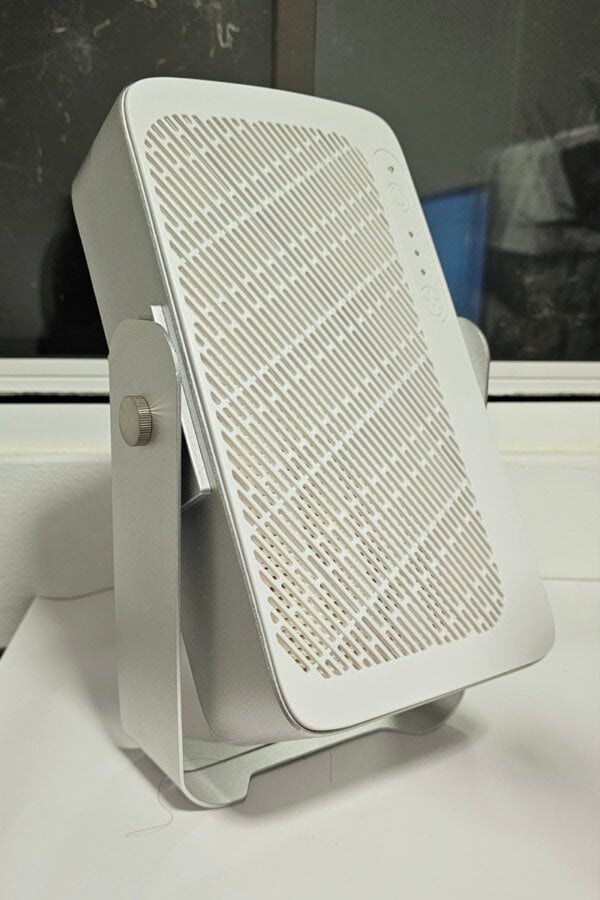
Traditional air purifiers typically produce a turbulent airflow, meaning that the clean air mixes rapidly with the surrounding "dirty" air. Laminar airflow purifiers, however, are engineered to maintain a unidirectional, low-turbulence stream of clean air over a longer distance. This creates a "personal clean air zone" directly in front of the device.
The AirFanta 4Lite is an example of such a device, capable of projecting a clean air stream that allows an individual to breathe significantly cleaner air, even while eating in a shared indoor space. This technology is particularly useful for situations where mask removal is necessary, such as dining in restaurants or during dental appointments. Engineer Adam Wong, the innovator behind AirFanta, frequently shares technical insights into these systems, highlighting their utility in creating micro-environments of clean air.
A related innovation is the AirFanta Wear, a pair of wearable purifiers designed to hang around the neck and direct clean air towards the mouth and nose. While offering some personal protection, the clean air zone generated by these devices is relatively small, meaning they should be seen as a supplement rather than a complete replacement for a well-fitted respirator.
Emerging Disinfection: Far-UVC Light (222 nm)
Far-UVC light, specifically at a wavelength of 222 nanometers, represents a promising technology for inactivating airborne pathogens with potentially minimal harm to human skin and eyes. Unlike conventional UVC (which can cause severe damage, as seen in incidents at poorly managed events), Far-UVC’s shorter wavelength is thought to be absorbed by the outer layers of the skin and tear film, preventing it from reaching living cells.
This technology can effectively kill germs in the air, offering a continuous disinfection solution for shared indoor environments. Applications could include public transport, medical waiting rooms, and dining areas. While the technology is highly promising, questions remain regarding product specifications and standardized safety protocols, as many commercially available units may not meet the strict wavelength and dosage requirements for safe and effective use. Brands like Nukit are actively working to establish responsible design, testing, and advertising practices for Far-UVC products, providing reliable information and demonstrably safe devices.
Ambient Air Cleaning: Room Air Purifiers with HEPA Filters
For broader room-level air quality improvement, conventional air purifiers equipped with HEPA filters remain an essential tool. These devices draw in ambient air, pass it through a HEPA filter that captures airborne particles (including viruses, bacteria, pollen, and smoke), and then release cleaner air back into the room.
HEPA filters are highly effective, capable of trapping at least 99.97% of particles that are 0.3 micrometers in diameter, which is the most penetrating particle size for these filters. Their effectiveness is measured by their Clean Air Delivery Rate (CADR), which indicates how quickly the purifier cleans a room of a specific size.
Air purifiers are invaluable in various settings:
- Homes: To reduce the spread of illness among family members, especially when someone is sick, or to mitigate exposure to allergens and pollutants.
- Classrooms and Offices: To improve air quality in shared workspaces and educational environments.
- Hotel Rooms: To enhance air cleanliness, particularly in rooms with central air systems that may recirculate air.
Resources like Clean Air Stars provide recommendation tools and detailed specifications (often organized by CADR) to help consumers select appropriate models for their needs. For optimal performance, air purifiers should be appropriately sized for the room and placed strategically, typically a small distance from walls, to maximize airflow.
Supplementary Personal Protective Measures
Beyond primary air quality interventions, several supplementary practices can further reduce illness risk.
Monitoring Community Viral Load: Checking COVID Levels
Just as one might check the UV index before spending time outdoors, monitoring community viral levels provides valuable context for personal risk assessment. Higher viral prevalence in a community translates to a greater likelihood of encountering an infected individual and thus a higher risk of exposure. Public health dashboards often provide data on wastewater surveillance (monitoring viral fragments in sewage), hospitalization rates, and sometimes reported case numbers. These indicators can help individuals decide whether to ramp up or scale back their preventative measures for specific activities.
Nasal Hygiene: Rinses and Sprays
Nasal rinses, using saline solutions, have been studied for their efficacy in reducing the duration and severity of common colds and allergies. The theory behind their use in infection prevention is that they can physically wash away viral particles trapped in nasal mucus before these pathogens can properly establish an infection. While not a substitute for clean air, nasal rinses are a low-risk intervention that can be performed after potential high-risk exposures, such as a crowded indoor event or a medical appointment. Products like Neilmed bottles and saline sachets are widely available for this purpose.
Nasal sprays containing active ingredients are also being explored for their potential to block viral entry or inactivate viruses on contact within the nasal passages. However, the inconsistent delivery of active ingredients and the difficulty in achieving sustained, uniform coverage within the nasal cavity mean that these sprays should similarly be considered supplementary rather than primary protective measures. Research into more effective antiviral nasal sprays is ongoing.
Broader Societal Implications and Future Preparedness
The evolving understanding of airborne transmission and the proliferation of preventative tools carry significant implications for public health policy, urban planning, and individual empowerment. There is a growing imperative for public health agencies to fully embrace and communicate the science of airborne transmission, translating it into actionable advice and infrastructure improvements. This includes advocating for better ventilation standards in public buildings, schools, and workplaces, and promoting the use of high-quality respirators.
The investment in preventative measures, from personal air quality monitors to large-scale ventilation upgrades, can yield substantial long-term benefits by reducing the burden of respiratory illnesses on healthcare systems and minimizing economic losses due to sickness. Empowering individuals with knowledge and accessible tools allows for more informed decision-making, fostering a culture of proactive health management rather than reactive illness treatment.
As scientific research continues to advance, particularly in areas like Far-UVC technology and novel antiviral agents, the arsenal against airborne pathogens will undoubtedly grow. However, the fundamental principles of minimizing shared air, enhancing filtration, and using effective personal protective equipment will remain cornerstones of future pandemic preparedness and everyday health resilience in a world increasingly aware of the invisible threats that travel through the air.
Affiliate Disclosure: This article may contain affiliate links, which means the author may receive a small commission for purchases made through them. This does not impact the price for the consumer.
How to cite: Wong M. How to get sick less. Lab Muffin Beauty Science. July 8, 2025. Accessed March 13, 2026. https://labmuffin.com/how-to-get-sick-less/
