
The global sustainable food landscape is undergoing a profound structural evolution as alternative protein developers, cultivated meat pioneers, and eco-conscious policy makers accelerate innovations across retail, foodservice, and institutional sectors. This week’s dispatch of Future Food Quick Bites surveys a dynamic cross-section of the industry, capturing international expansion milestones, nutritional reformulations, academic breakthroughs, and historic municipal policy shifts. From Swedish mung bean innovations entering the British market to groundbreaking municipal advertising bans in East London, the latest developments highlight an industry rapidly maturing beyond niche status into mainstream commercial viability.
International Market Expansion and Retail Growth
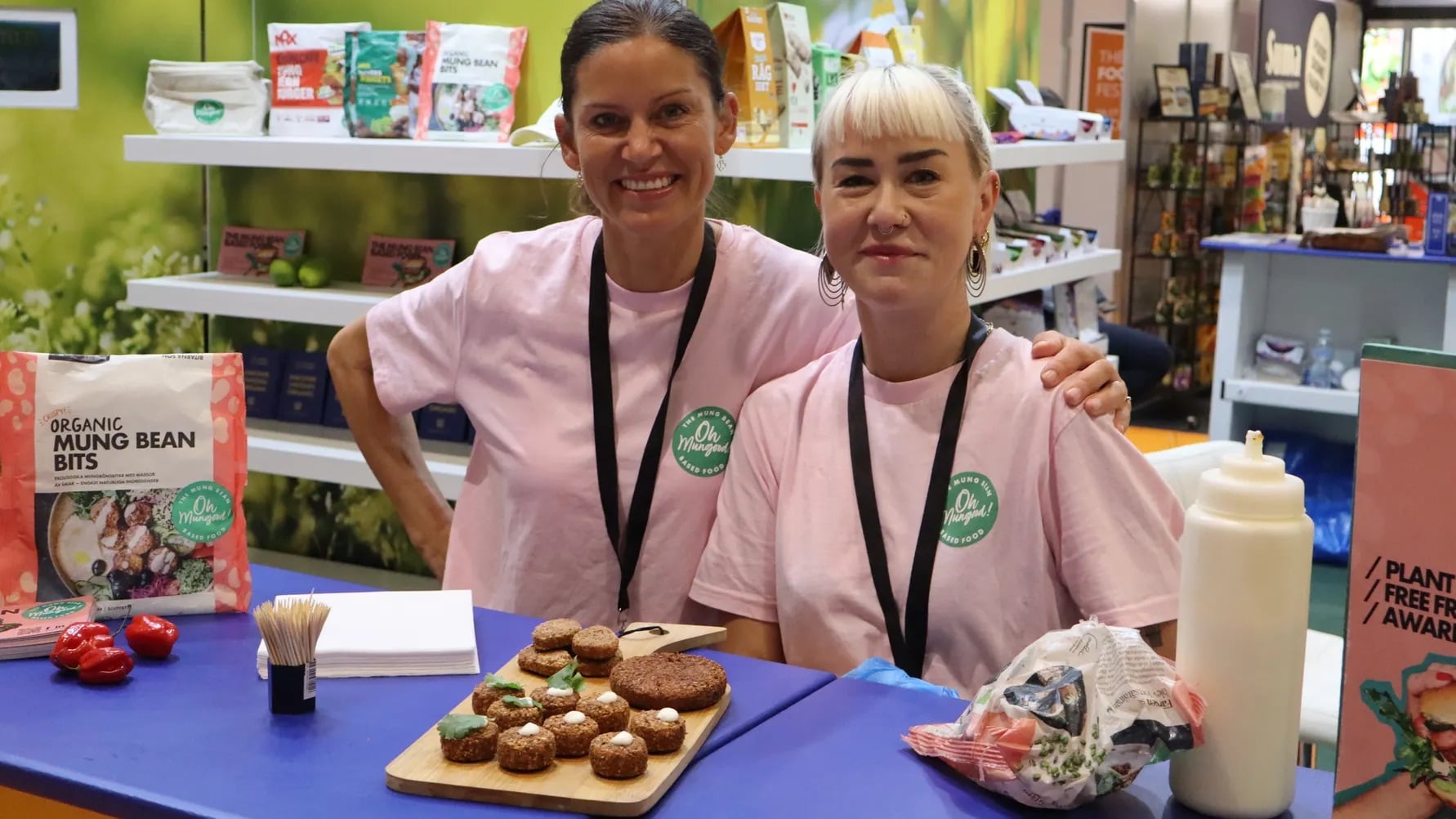
The intersection of international distribution and localized culinary adaptation remains a primary driver for plant-based brands seeking broader consumer acquisition. Swedish organic food brand Oh Mungood has officially established its footprint in the United Kingdom through a strategic partnership with prominent distributor Albion Fine Foods. This launch places Oh Mungood’s signature mung bean bits directly into the supply chain of Holy Green, a burgeoning salad bar chain that recently inaugurated its flagship London restaurant. Mung beans have emerged as a darling of food technologists due to their robust amino acid profile, nitrogen-fixing agricultural benefits, and neutral flavor matrix that absorbs culinary seasonings effectively.
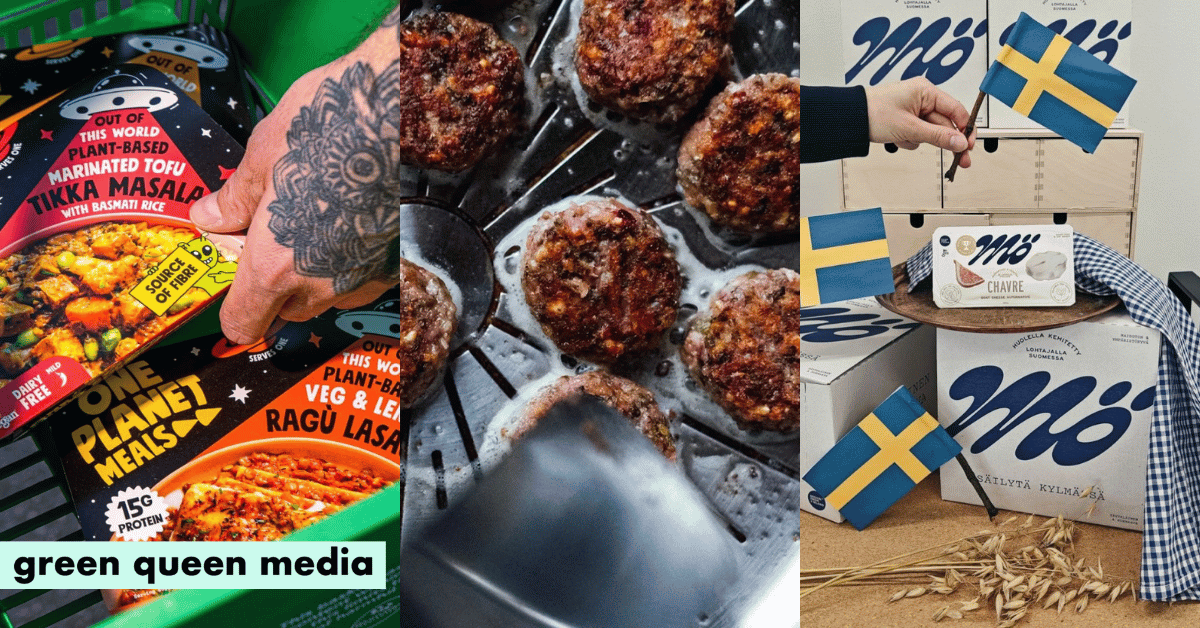
Concurrently, fellow Swedish innovator Mö Foods has expanded the retail footprint of its artisan oat-milk cheeses. The brand’s dairy-free chèvre alternative has secured prominent listings with retail giant ICA Gruppen across Sweden, while German consumers can now purchase both the chèvre and feta alternatives through Rewe’s expansive supermarket network. This cross-border growth underscores a broader European consumer shift toward fermented plant-based dairy substitutes that successfully replicate the sensory qualities of traditional artisan cheeses without reliance on traditional animal agriculture.
In the hybrid protein sector, Swedish mycoprotein startup Smaqo has transitioned from brick-and-mortar retail into the e-commerce sphere. Following its initial rollout at ICA Gruppen earlier this year, Smaqo has introduced its blended meat product range—which combines animal proteins with nutrient-dense mycoprotein to reduce environmental footprints while retaining familiar textures—to digital grocery platform Mylla. This hybrid approach caters to flexitarian consumers who prioritize sustainability and health reduction goals without completely eliminating traditional meat from their diets.
Nutritional Innovation and Protein Density
Formulation advancements continue to elevate the nutritional integrity of plant-based offerings, addressing historical consumer critiques regarding protein content and ingredient transparency. In Denmark, a collaborative enterprise involving Naturli’, Organic Plant Protein, and Hilton Foods has yielded a novel organic plant-based mince. Boasting an 18 percent protein content derived entirely from upcycled and sustainable inputs including sunflower seeds, fava beans, and yellow peas, the product has achieved immediate ubiquity across major Danish retail chains, including Bilka, Føtex, Netto, Coop 365, Kvickly, SuperBrugsen, and Rema 1000.
French plant-based meat manufacturer Accro, operating under parent company Nxtfood, has similarly prioritized nutritional density with the launch of a high-protein chicken strip SKU. Designed to meet the growing athletic and health-conscious consumer demand for convenient protein sources, the new product delivers an impressive 50 grams of protein per 180-gram pack, sourced primarily from yellow peas and wheat.
In the United Kingdom, convenience and comfort foods are undergoing a similar sustainable makeover. Ready-to-eat brand This has expanded its savory snack portfolio with the launch of "This Isn’t Picnic Eggs." Engineered to mimic the classic British picnic staple, the plant-based alternative features 74 percent less saturated fat than conventional pork-based scotch eggs. Priced at £2.95 per 140-gram pack, the product has secured listings across major UK grocers including Tesco, Sainsbury’s, Waitrose, and Ocado.
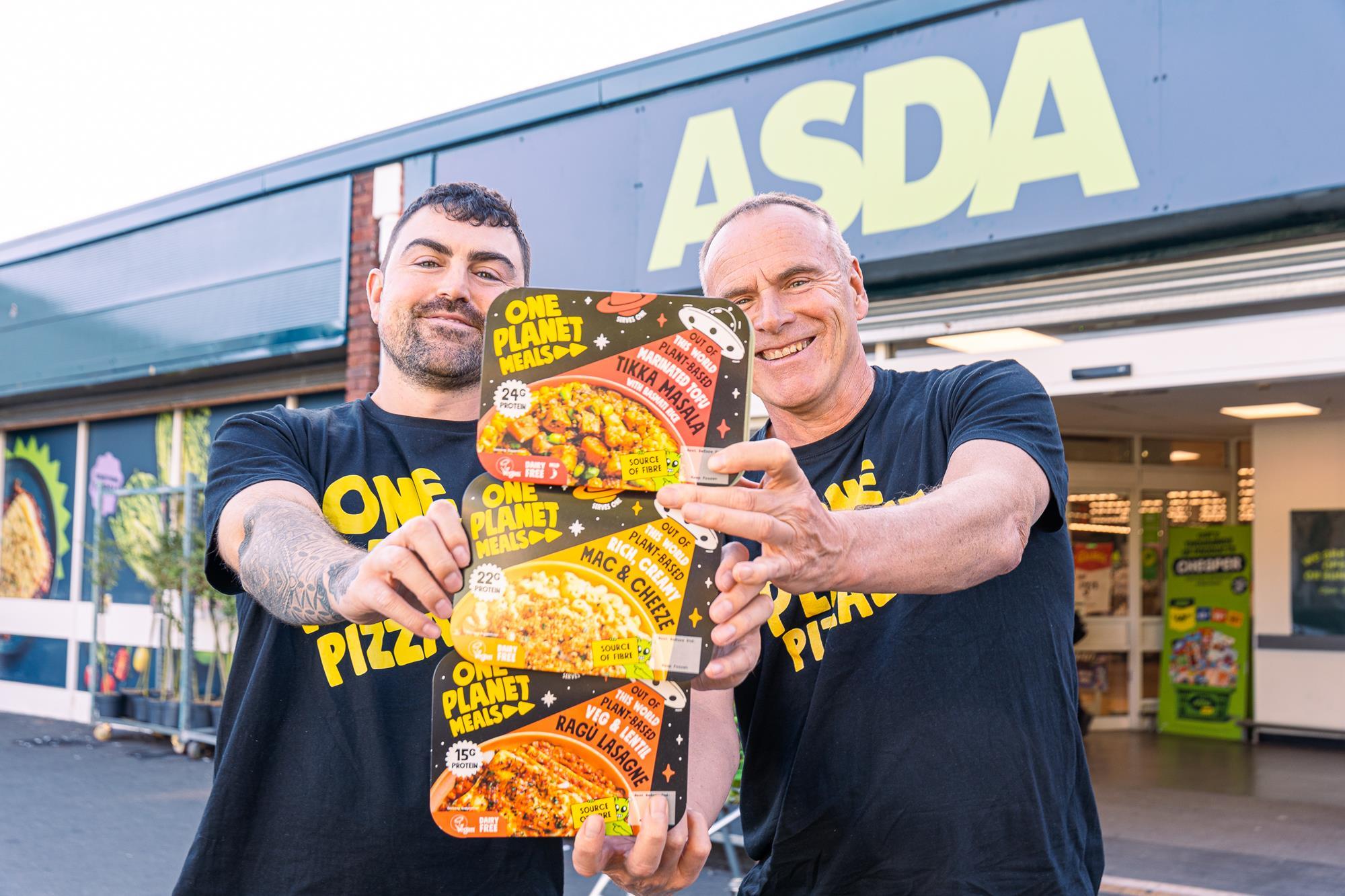
Meanwhile, British vegan comfort food pioneer One Planet Pizza has executed a strategic diversification strategy, expanding its core portfolio beyond frozen pizzas into the frozen ready-meal sector. The brand has introduced a trio of ambient and frozen comfort dishes—tofu tikka masala with rice, classic macaroni and cheese, and a vegetable and lentil ragù lasagna—into 276 Asda stores nationwide. Concurrently, One Planet Pizza has deepened its retail availability by securing distribution for its flagship pepperoni and margherita pizzas across all 207 Iceland Food Warehouse locations.
Beverage and Vending Innovations

Beverage technology continues to leverage automated retail infrastructure to reach urban consumers. Singaporean food tech innovator Prefer has broadened the market penetration of its bean-free, sustainable coffee alternatives. Through an ongoing commercial partnership with Le Tach Vending, Prefer initially populated automated dispensing units within municipal Mass Rapid Transit (MRT) stations. The enterprise has now scaled its operational footprint into higher-education campuses, launching across 47 automated vending machines at the National University of Singapore and the Singapore University of Technology and Design. Prefer’s technology utilizes upcycled side-streams such as spent grain, bread crusts, and soy pulp, fermenting them to mimic the complex flavor profile of traditional coffee beans while bypassing the significant deforestation and carbon emissions associated with global coffee farming.
Corporate Partnerships and Infrastructure Development
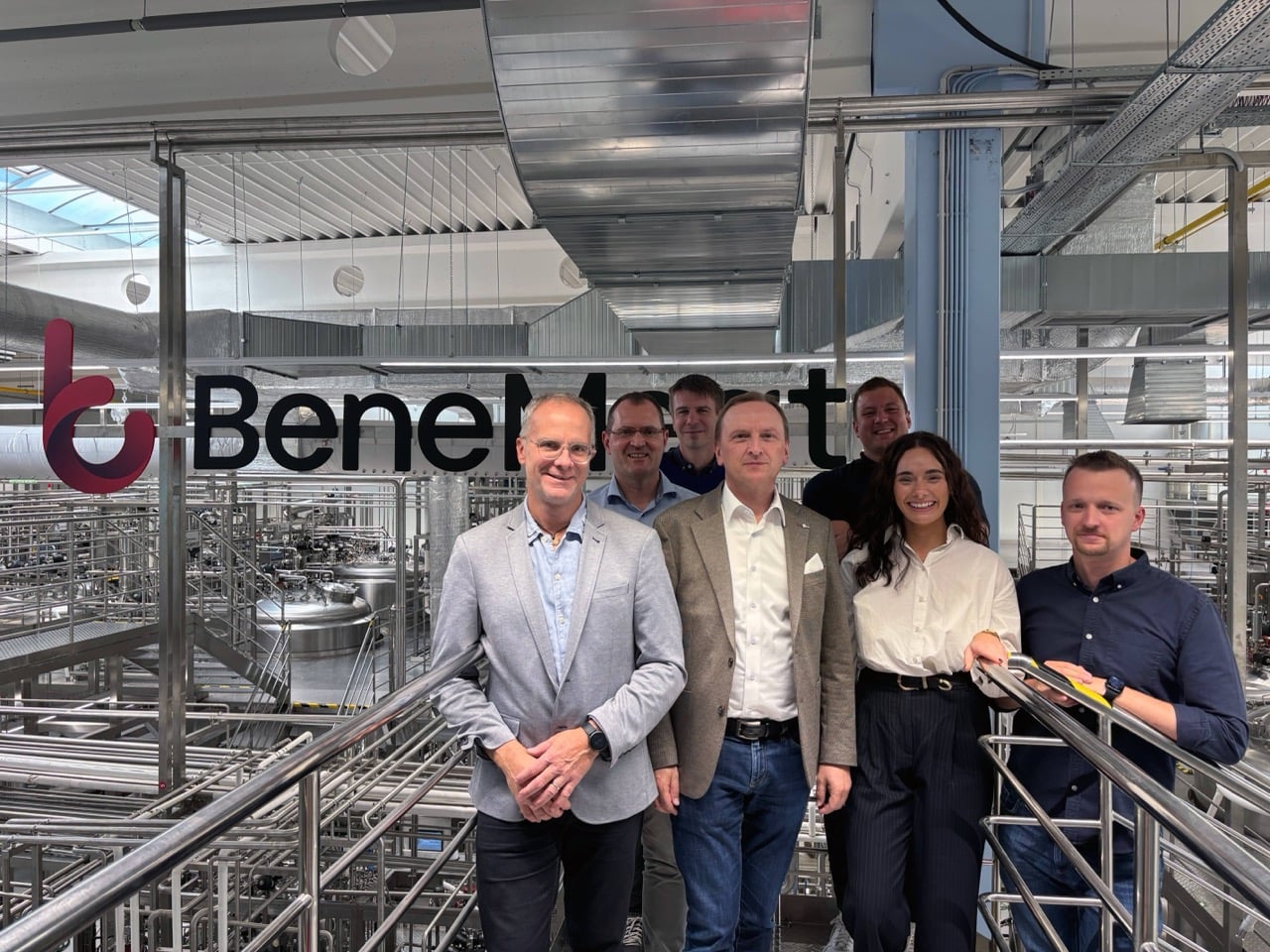
BeneMeat, a Czech cultivated meat startup specializing in clean-meat production for pet food and eventual human consumption, recently hosted executives from biomanufacturing giant Zeta at its Prague headquarters. The high-level delegation toured BeneMeat’s advanced research, development, and pilot-scale production facilities to evaluate the startup’s proprietary bioprocess engineering capabilities. Such cross-sector industrial collaborations signal an ongoing consolidation and validation phase within cellular agriculture, where traditional engineering and life sciences firms provide the infrastructure required to scale cultivated protein production from the bench to industrial capacities.
In the United States, sustainable fat pioneer Savor has been selected to participate in L’Oréal’s prestigious 2026 Green Sciences Incubator. Run by the cosmetics conglomerate’s research and innovation division in partnership with biotechnology hub Genopole, the program will support Savor in scaling its carbon-derived lipid technology. Savor’s methodology utilizes thermochemical processes to synthesize fatty acids directly from carbon dioxide, water, and renewable energy, completely circumventing the massive land-use requirements and greenhouse gas emissions inherent to traditional animal dairy and palm oil production.
Policy Shifts and Consumer Research Insights
Regulatory and municipal policy environments are increasingly intersecting with the sustainable food movement. In East London, Hackney Council Mayor Zoe Garbett has enacted a landmark policy pledge to eliminate advertisements for high-carbon, meat, and dairy products across all council-owned land and billboards. This executive action positions Hackney as the first local authority in the United Kingdom to implement such a restriction, reflecting a growing willingness among progressive municipal governments to utilize public infrastructure advertising controls as a tool for public health and climate mitigation.
Complementing this policy shift, comprehensive consumer research published by The Vegan Society indicates evolving public attitudes toward industrial animal agriculture. According to the survey data, 65 percent of British respondents view intensive factory farming as socially and ethically unacceptable. Notably, 82 percent of the individuals surveyed identified as regular meat-eaters, suggesting that public discomfort with industrial farming practices transcends dietary labels and opens new avenues for mainstream dietary shifts.
Academic and Biotechnological Breakthroughs
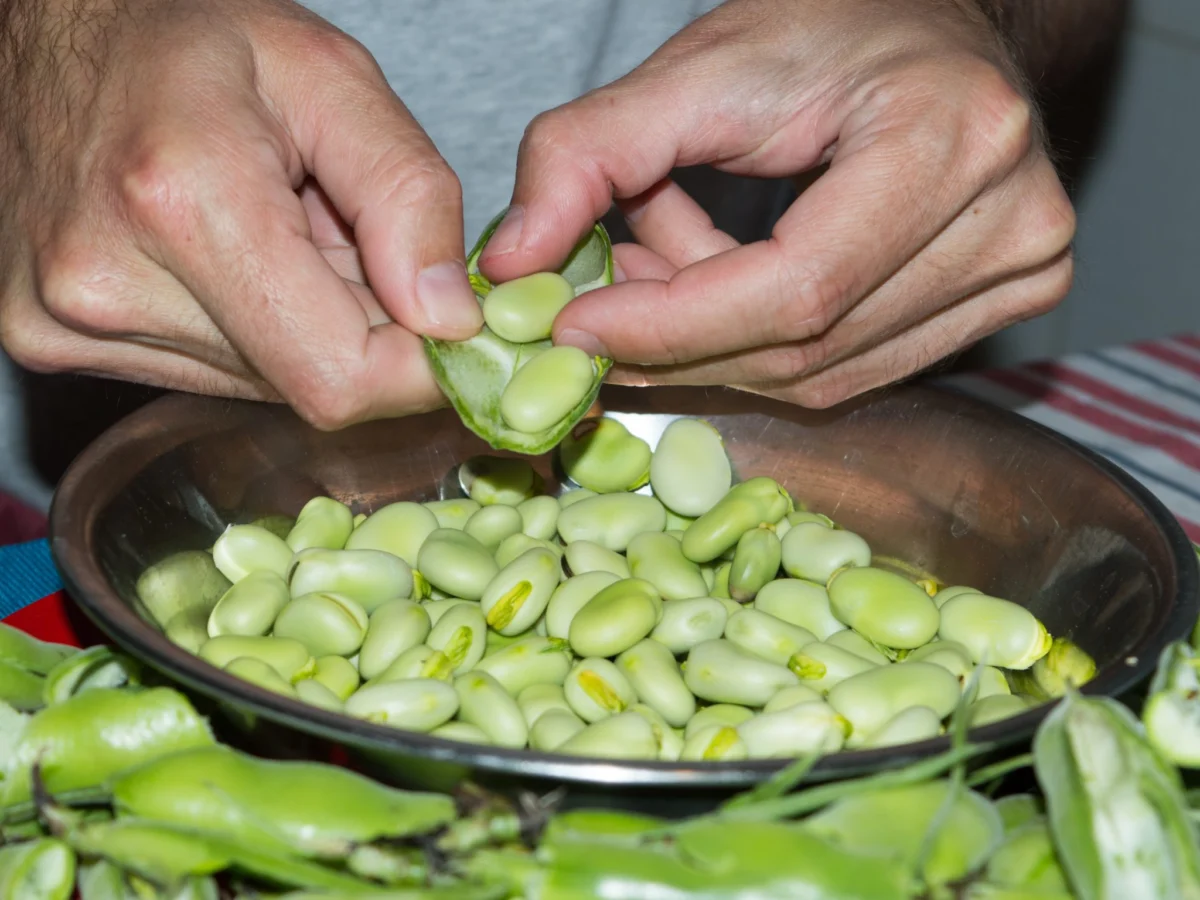
At the scientific frontier, institutional researchers continue to resolve nutritional bottlenecks inherent in plant-based proteins. A joint research initiative conducted by the Technical University of Denmark (DTU) and Aarhus University has successfully increased the concentration of lysine—an essential amino acid frequently limited in plant-based diets—by more than three folds in fava beans and rapeseed press cakes. Utilizing an advanced two-stage bacterial fermentation protocol, the research team enhanced the biological value of these agricultural byproducts, offering a promising solution to improve the nutritional profile of plant-based protein formulations without relying on synthetic amino acid fortification.
Implications for the Global Food Economy
The cumulative developments across retail expansion, nutritional fortification, policy intervention, and biotechnology signal a maturing sustainable food sector. As companies navigate complex regulatory frameworks, scale biomanufacturing infrastructure, and secure prominent retail placements, the alternative protein and circular food economy is increasingly embedding itself into mainstream consumer habits. The transition from early-adopter novelties to standardized supermarket staples underscores an enduring industrial transformation driven by climate imperatives, technological innovation, and shifting consumer expectations.
