
Major Depressive Disorder (MDD) casts a long shadow over global public health, recognized as a significant contributor to disability worldwide. Despite the availability of various antidepressant medications, a substantial portion of individuals, estimated at around 30%, grapple with treatment-resistant depression (TRD). This challenging subset of depression sees patients experiencing insufficient symptom improvement with conventional pharmacological approaches. In recent years, ketamine has emerged as a beacon of hope, offering rapid antidepressant effects for those struggling with TRD. However, a critical gap in understanding has persisted: the precise molecular mechanisms by which ketamine exerts its influence within the human brain remain largely elusive. This lack of clarity has hindered efforts to refine and personalize this promising therapeutic option.
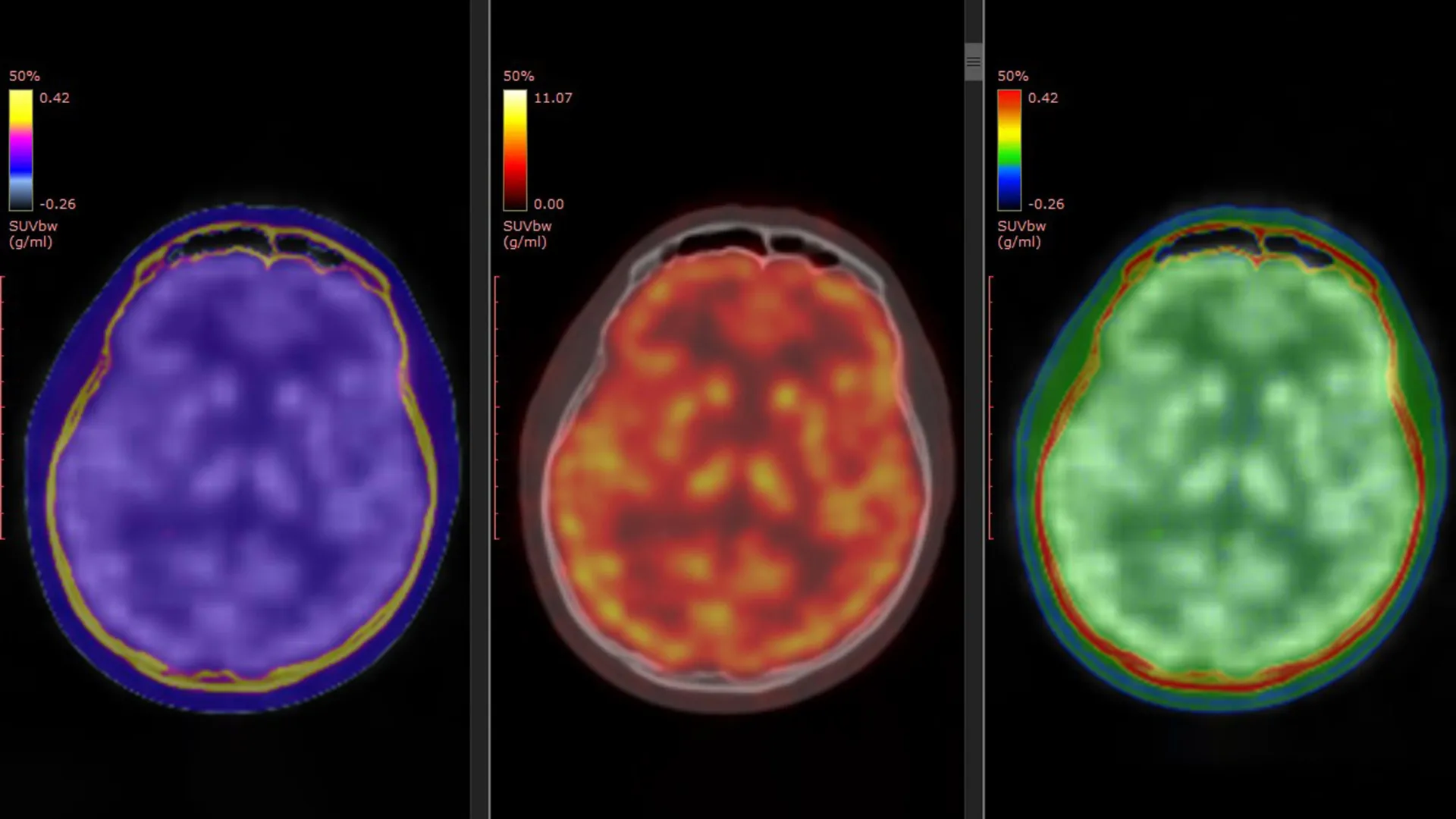
A groundbreaking study, published on March 5, 2026, in the esteemed journal Molecular Psychiatry, has taken a significant stride towards demystifying ketamine’s action. Led by Professor Takuya Takahashi of the Department of Physiology at Yokohama City University Graduate School of Medicine in Japan, the research team employed an advanced positron emission tomography (PET) imaging technique. This innovative approach allowed for direct observation of changes in glutamate $alpha$-amino-3-hydroxy-5-methyl-4-isoxazole propionic acid receptors (AMPARs) in living human brains. AMPARs are crucial proteins integral to neural communication, playing a pivotal role in synaptic plasticity and glutamatergic signaling—processes fundamental to how the brain learns and adapts. For patients undergoing ketamine treatment, understanding AMPAR activity is paramount.
"Although ketamine has shown rapid antidepressant effects in patients with treatment-resistant depression, its molecular mechanism in the human brain has remained unclear," Professor Takahashi stated, underscoring the long-standing challenge that his team aimed to address. "Our research provides the first direct visual evidence in humans of how ketamine influences these critical brain receptors."
Visualizing Brain Receptors With a Novel PET Tracer
The success of this pivotal study hinges on a sophisticated PET tracer developed by Professor Takahashi’s team, designated as [$^11$C]K-2. This specialized tracer possesses the unique ability to visualize cell-surface AMPARs directly within the active human brain. Preceding laboratory and animal investigations had strongly suggested that ketamine’s antidepressant efficacy was intrinsically linked to AMPAR activity. However, translating these findings into concrete human evidence had been a significant hurdle. The current research represents a critical turning point, offering the first direct, irrefutable demonstration of this mechanism operating in humans.
To achieve these unprecedented insights, the researchers meticulously synthesized data from three distinct, registered clinical trials conducted in Japan. The comprehensive study cohort comprised 34 individuals diagnosed with treatment-resistant depression and 49 healthy participants who served as a vital control group. This rigorous methodology ensured robust statistical power and comparability.
The clinical trials involved administering either intravenous ketamine or a placebo to the participants over a two-week treatment period. A crucial element of the study design was the implementation of PET brain imaging. Scans were performed both before the commencement of treatment and again following the final infusion. This temporal sequencing was instrumental, enabling researchers to precisely track and compare any alterations in AMPAR levels and their distribution within the brain throughout the course of ketamine administration.
Region-Specific Brain Changes Linked to Symptom Relief
The findings of the study revealed striking disparities in AMPAR density between individuals with TRD and healthy controls. These abnormalities were not uniformly distributed across the entire brain but rather appeared to be localized to specific neural regions. This observation suggested that TRD might be characterized by a localized dysregulation of glutamatergic signaling.
Crucially, the administration of ketamine did not induce homogeneous changes in AMPAR distribution across all brain areas. Instead, the study identified a compelling correlation between improvements in depressive symptoms and dynamic, region-specific adjustments in AMPAR levels. In certain cortical areas, an increase in AMPAR density was observed, potentially signifying enhanced neuronal communication. Conversely, reductions in AMPAR density were noted in brain regions implicated in reward processing, most notably the habenula. The habenula, often referred to as the "anti-reward" center of the brain, plays a significant role in regulating mood and motivation. Dysfunctional activity in this area has been implicated in various mood disorders.
These region-specific shifts in AMPAR distribution were found to be strongly correlated with tangible improvements in the patients’ depressive symptoms. Professor Takahashi elaborated on these pivotal findings: "Ketamine’s antidepressant effect in patients with TRD is mediated by dynamic changes in AMPAR in the living human brain. Using a novel PET tracer, [$^11$C]K-2, we were able to visualize how ketamine alters AMPAR distribution across specific brain regions and how these changes correlate with improvements in depressive symptoms."
These direct human observations lend significant weight to mechanisms previously hypothesized based on animal studies, effectively bridging the gap between preclinical research and observed clinical outcomes. This study provides the scientific community with a clearer understanding of the biological underpinnings of ketamine’s therapeutic action in a notoriously difficult-to-treat patient population.
Potential Biomarker for Predicting Treatment Response
Beyond illuminating the intricate neurobiological pathways of ketamine, the study’s implications extend into the realm of practical clinical application. The ability to visualize AMPAR density using PET imaging could herald the development of a valuable biomarker. Such a biomarker could empower clinicians to more accurately assess and predict an individual patient’s likely response to ketamine treatment.
The persistent challenge of identifying reliable biological markers for treatment response remains a critical unmet need in mental health care. Given that a significant proportion of patients fail to achieve adequate symptom relief with standard antidepressant therapies, the development of predictive tools is essential for optimizing treatment strategies and avoiding prolonged periods of ineffective care. A biomarker capable of predicting ketamine responsiveness could significantly streamline the treatment selection process for individuals with TRD, leading to faster symptom alleviation and improved quality of life.
Toward More Personalized Depression Treatments
The research conducted by Professor Takahashi and his team represents a significant leap forward in bridging the long-standing chasm between fundamental laboratory science and clinical psychiatry. By providing a method to directly observe AMPAR activity in the living human brain, the study has demystified a crucial aspect of ketamine’s mechanism of action. The findings firmly establish AMPAR modulation as a central tenet of ketamine’s rapid antidepressant effects.
Furthermore, the study strongly suggests that AMPAR PET imaging holds immense potential for guiding the development of more personalized treatment strategies for individuals suffering from TRD. The ability to identify specific receptor profiles or regional brain changes might allow clinicians to tailor ketamine administration or explore alternative therapeutic avenues based on an individual’s unique neurobiological landscape. This personalized approach promises to move away from a one-size-fits-all model towards precision medicine in the field of mental health.
Ultimately, this groundbreaking work has the potential to accelerate the development of more refined and effective therapies for the millions of people worldwide living with the debilitating effects of treatment-resistant depression. The insights gained from visualizing AMPAR dynamics pave the way for a future where depression treatment is not only more effective but also more precisely targeted to the individual patient’s needs.
The research was made possible through substantial funding from various Japanese governmental and scientific organizations, reflecting a national commitment to advancing psychiatric research. Support was provided by the Ministry of Education, Culture, Sports, Science and Technology (Special Coordination Funds for Promoting Science and Technology); the Japan Agency for Medical Research and Development (AMED) under grant numbers JP18dm0207023, JP19dm0207072, JP24wm0625304, JP25gm7010019, and JP20dm0107124; the Japan Society for the Promotion of Science KAKENHI through grants including 22H03001, 20H00549, 20H05922, 23K10432, 19H03587, 20K20603, 22K15793, and 21K07508. Additional support was garnered from the Takeda Science Foundation, the Keio Next-Generation Research Project Program, the SENSHIN Medical Research Foundation, and the Japan Research Foundation for Clinical Pharmacology. This collaborative effort underscores the multifaceted nature of cutting-edge scientific discovery and its reliance on robust financial and institutional backing. The sustained investment in this research highlights the growing recognition of the urgent need for innovative solutions to address the global burden of mental illness.
