
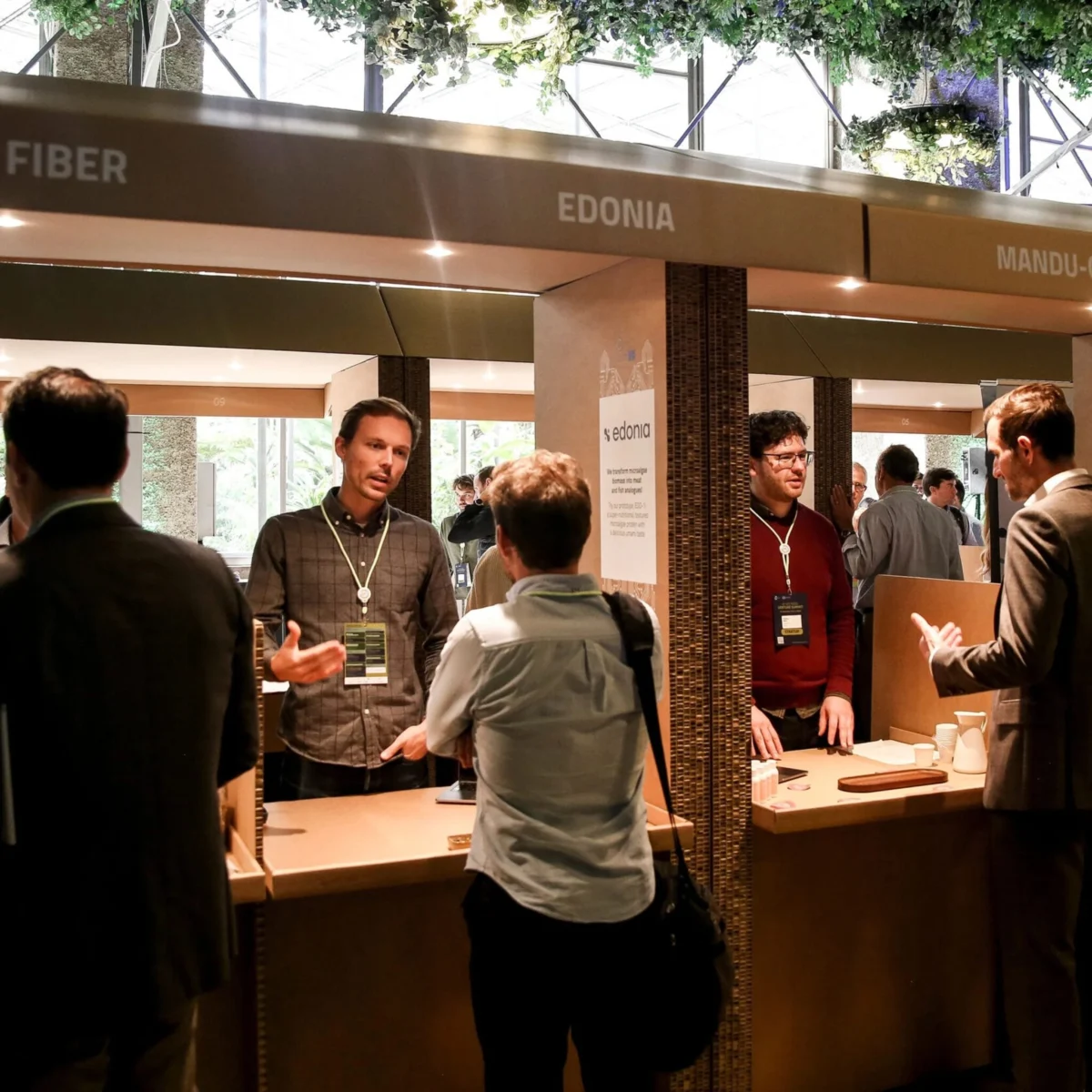
The global transition toward sustainable food systems has taken a significant step forward as Paris-based food technology innovator Edonia successfully closes a €15 million ($16.8 million) funding round. The injection of capital is earmarked for the construction and operation of a dedicated industrial-scale manufacturing facility designed to produce the company’s flagship microalgae-based protein mince, marketed under the brand name Edo. This financial milestone follows closely on the heels of €30 million in commercial pre-orders secured from 20 leading industry players, signaling robust market demand for alternative proteins that bypass the pitfalls of ultra-processing.
The funding round was co-led by prominent climate and food-tech venture investors, including Swen Blue Ocean 2, Asterion Ventures, and EIT Food, an innovation community supported by the European Union. Additional financial backing was provided through non-dilutive instruments and state-backed loans from Bpifrance, France’s public investment bank, operating under the umbrella of the ambitious France 2030 national investment initiative. With this comprehensive financial package secured, Edonia is poised to transition from pilot-scale validation to mass-market commercialization, addressing a critical bottleneck in the alternative protein sector: the delivery of nutrient-dense, minimally processed ingredients that do not require consumer compromises on taste, price, or environmental impact.
Chronology and Growth Trajectory of Edonia
The trajectory of Edonia reflects the accelerated pace of innovation within Europe’s sustainable agriculture and food technology sectors. Founded in 2023 by Hugo Valentin, Pierre Mignon, and Nicolas Irlinger, the startup emerged from rigorous scientific research conducted in partnership with AgroParisTech, one of France’s premier life sciences and engineering institutes. The primary objective of the founding team was to unlock the nutritional potential of spirulina—an organism with a 3.5-billion-year history that has long been recognized as a nutritional superfood, yet underutilized in mainstream culinary applications due to its intense color, bitter flavor profile, and challenging texture.
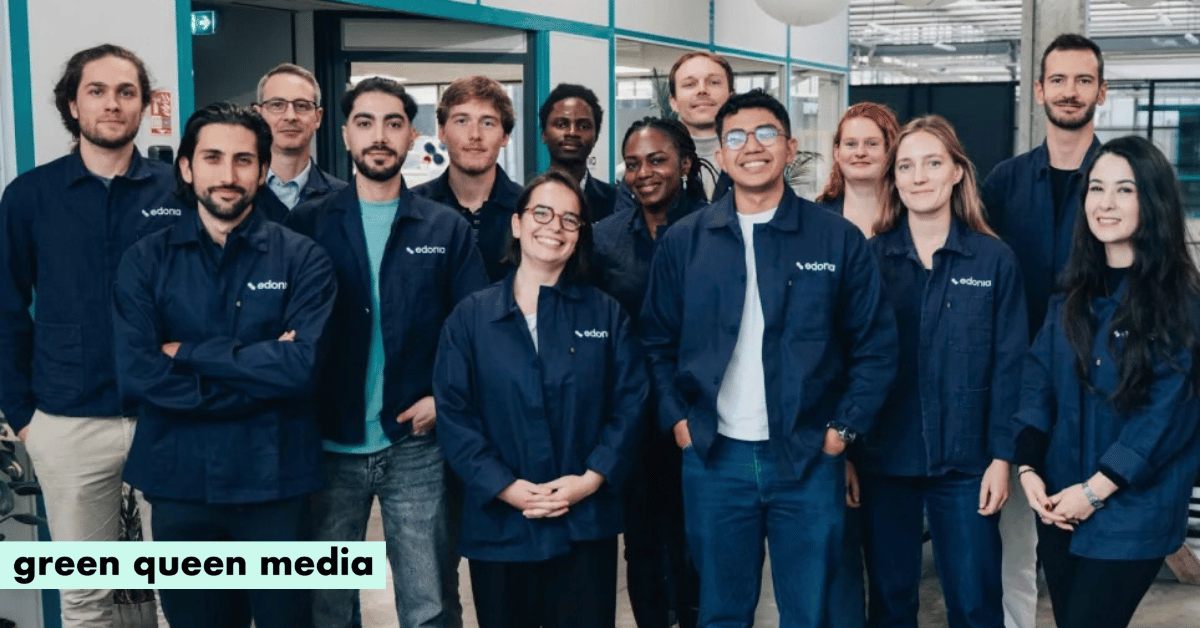
In 2024, Edonia reached its first major commercial milestone by securing a €2 million funding round. This initial capital allowed the company to transition its proprietary technology out of the laboratory and into a functioning pilot plant located in Agen, France. During this foundational phase, Edonia successfully established a localized supply chain and began fulfilling initial commercial orders for strategic foodservice and retail partners.
Among these early adopters was Newrest, a global catering giant operating across 50 countries. Beginning in 2025, Newrest integrated Edo into its culinary offerings, serving thousands of meals featuring the spirulina mince each month across various catering sites in France. Simultaneously, French nutrition company Aliive incorporated the ingredient into ready-to-use meals distributed through its weight management program, Dietbon. Data from these pilot deployments indicated that 40% of consumers willingly substituted traditional meat dishes for options containing Edonia’s microalgae protein, registering consumer satisfaction scores equivalent to or exceeding those of conventional meat recipes.
Building upon these commercial validations, Edonia announced plans to establish its first large-scale industrial facility. Set to open within the next year, the plant will occupy an existing industrial site in Brittany owned by the prominent canned tuna producer Maison Chancerelle. This strategic utilization of existing infrastructure allows Edonia to accelerate its operational timeline while minimizing capital expenditure and environmental disruption.
Proprietary Processing and Nutritional Profile of Edo
At the core of Edonia’s market differentiation is its patented "Edonization" technology, a clean-label processing method developed in collaboration with AgroParisTech. Unlike conventional plant-based protein manufacturing, which frequently relies on intensive processing techniques such as high-moisture extrusion, chemical texturizing agents, complex enzymatic treatments, or conventional fermentation, Edonia employs a thermal-lipid approach.
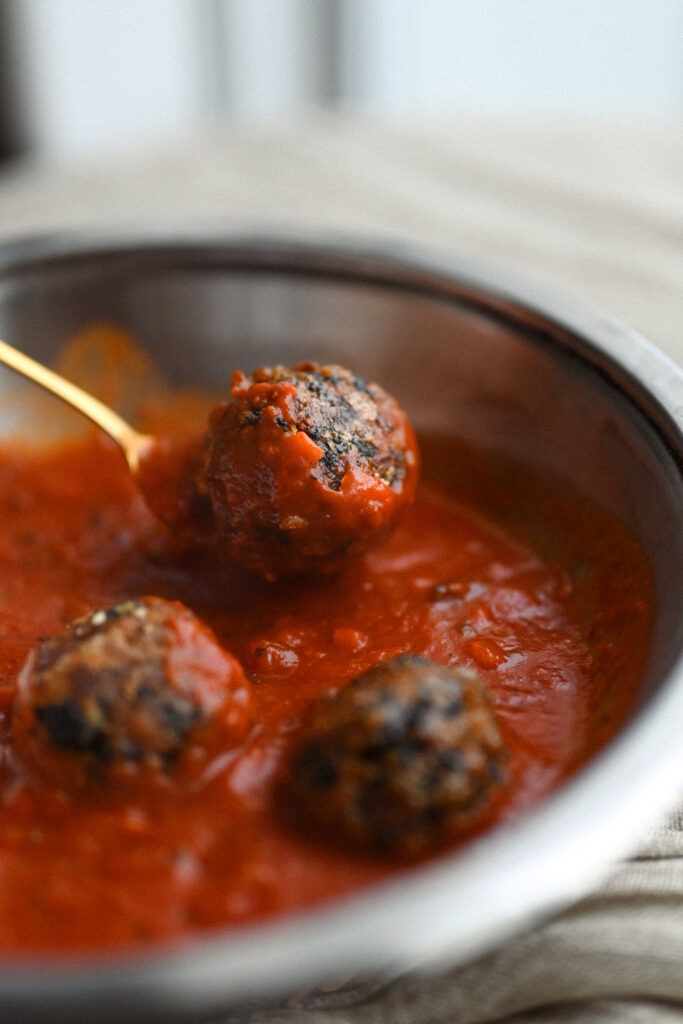
The manufacturing process involves cooking spirulina in edible oil at a highly controlled, precise temperature. This physical transformation alters the microscopic structure, color, and flavor profile of the algae, converting it from a dense, pungent powder into a soft, tender, brown mince. The resulting product possesses a natural umami flavor, a meat-like bite, and a fluffy granular texture completely devoid of the fishy or grassy off-notes traditionally associated with algae-based foods. Critically, this is achieved without the addition of artificial preservatives, flavor enhancers, or texturizing additives.
Nutritionally, Edo positions itself as a robust competitor to both animal meat and conventional plant proteins. Per 100-gram serving, the product delivers 27 grams of complete protein containing all essential amino acids, achieving a Protein Digestibility-Corrected Amino Acid Score (PDCAAS) of 0.97. Furthermore, it boasts an exceptional bioavailable iron content of 20 milligrams per 100 grams—surpassing the iron concentration found in standard beef or soy alternatives.
Environmental Metrics and Clean-Label Market Alignment
As consumer skepticism toward ultra-processed foods (UPFs) intensifies, Edonia’s minimalist ingredient deck—consisting solely of spirulina and oil—resonates strongly with prevailing market trends. Market research indicates that 76% of consumers are willing to pay a premium for clean-label products, while 74% of European Union citizens view simple, recognizable ingredients as a decisive factor in their purchasing habits.
From an ecological perspective, Edo offers a radically reduced carbon footprint. The production of Edonia’s microalgae mince generates approximately 1.95 kilograms of CO2 equivalent per unit of protein, a figure calculated to be roughly 27 times lower than the environmental footprint of beef production and approximately 2.5 times lower than the footprint associated with standard soy mince yielding equivalent nutritional value. This ultra-low carbon intensity aligns with corporate sustainability targets across the global food and beverage industry, driving enterprise-level demand for verified low-impact ingredients.
Strategic Expansion and Industry Implications
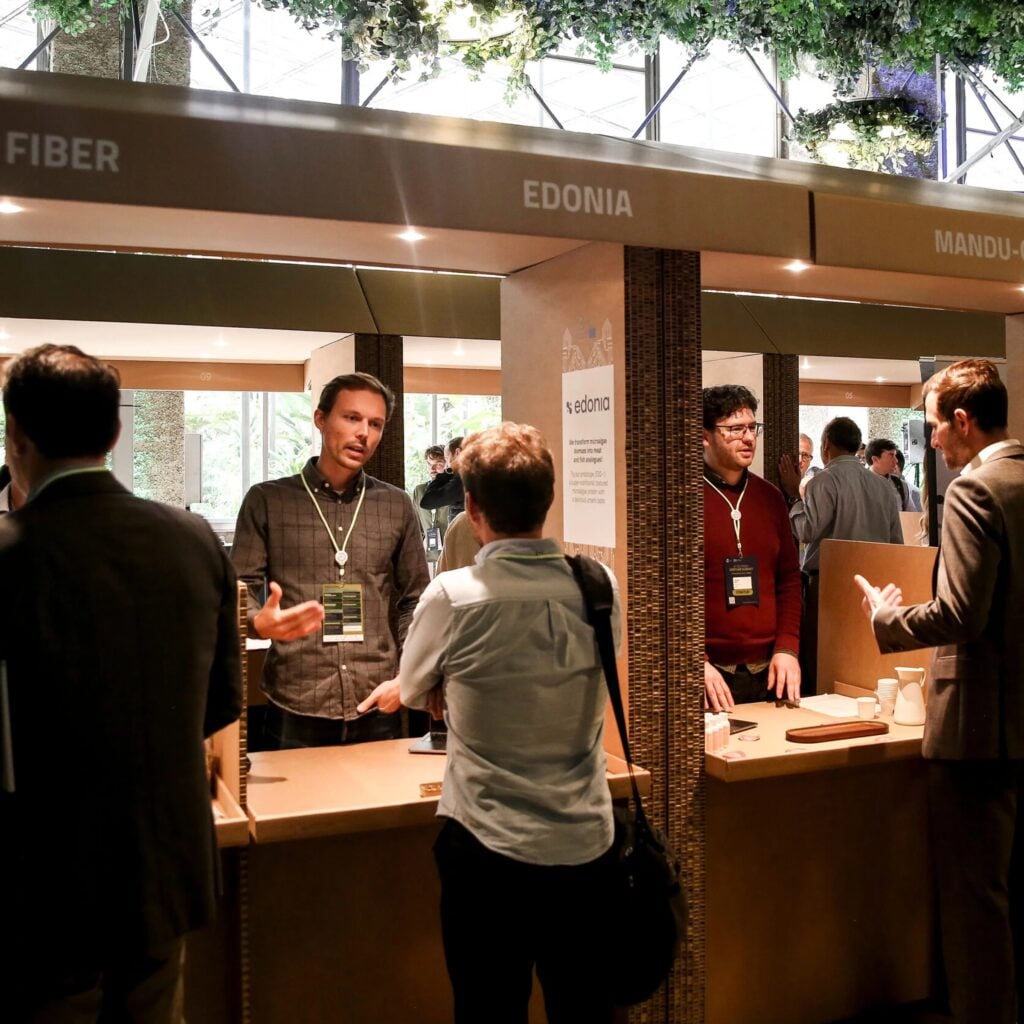
With the newly acquired €15 million in capital, Edonia aims to aggressively expand its business-to-business (B2B) sales model across target markets in Europe, the United States, and Japan. The €30 million pipeline of pre-orders from twenty leading industry stakeholders provides immediate revenue visibility as the Brittany facility ramps up production capacity.
Industry analysts observe that Edonia’s successful transition from a scientific concept to a commercially validated industrial producer highlights the expanding viability of microalgae beyond traditional nutraceutical supplements. By targeting the ready-to-use protein ingredients market, the company is carving out a distinct product category: whole-food, minimally processed plant proteins that can be seamlessly incorporated into diverse culinary applications, ranging from soups, ravioli, curries, and salads to baked goods and prepared meals.
The broader implications of Edonia’s funding and facility expansion point toward a structural shift in how food manufacturers source sustainable proteins. As regulatory pressures mount and consumer demand shifts decisively away from heavily processed meat analogs toward transparent, nutrient-dense whole foods, innovations like Edonization offer a viable pathway for industrial-scale food systems to reconcile ecological responsibility with nutritional integrity and commercial scalability.
