
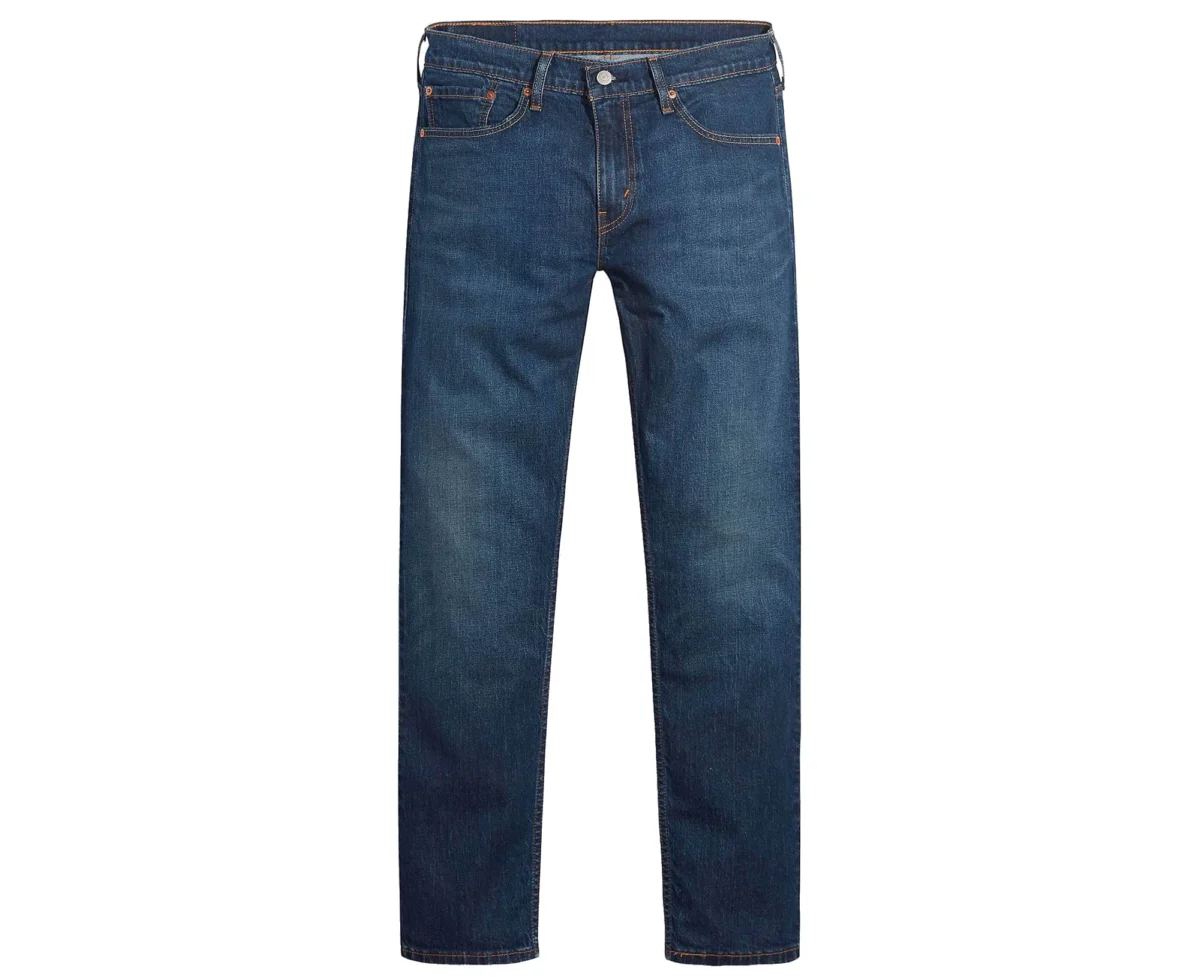
The tapered jean has firmly established itself as a cornerstone of the modern menswear wardrobe, serving as a versatile bridge between the rigid structure of traditional denim and the contemporary demand for tailored comfort. By definition, a tapered leg refers to a silhouette that narrows from the knee toward the ankle, a design choice that offers a cleaner, more refined profile than straight-leg or relaxed cuts. As fashion shifts toward more ergonomic and aesthetically balanced silhouettes, the tapered fit has seen a resurgence, particularly among consumers who value both utility and a sleek, sartorial appearance.

Understanding the engineering behind the fit is essential for the discerning shopper. Unlike skinny jeans, which rely on excessive elastane to achieve a skin-tight look, the tapered cut—specifically in its "athletic" or "carrot" iterations—prioritizes volume in the thigh and seat. This provides mobility for those with muscular builds while maintaining a modern, narrow opening at the hem. This design effectively mitigates the "bunching" of fabric around the shoe, which is a common point of criticism for wider-cut denim.

The Evolution and Market Shift
Historically, denim was defined by the rugged, straight-cut workwear styles of the early 20th century. However, the 2010s saw a dominance of skin-tight silhouettes, followed by a pivot toward the relaxed, baggy aesthetics of the 1990s. The tapered fit represents the "middle ground"—a hybrid that acknowledges the comfort of a looser fit while respecting the silhouette requirements of formal or smart-casual dress codes. Market data from recent fiscal quarters indicates that demand for mid-weight, high-quality tapered denim has increased, as consumers move away from "fast fashion" toward long-lasting, sustainable investment pieces.

Top Selections for the Modern Wardrobe
The following selections represent the current benchmark for construction, material sourcing, and design intent in the tapered denim category.

Lee Jeans Legendary Athletic Tapered Leg
Designed specifically for the "athletic build," these jeans address the common struggle of finding denim that accommodates larger quadriceps. By incorporating a subtle 1% spandex blend into a 99% cotton frame, the garment allows for natural movement without compromising the structural integrity of the weave. This model has become a staple for individuals who prioritize durability and comfort during daily activities.

Carhartt Men’s Straight Fit Heavyweight 5-Pocket Tapered Jean
Carhartt remains the authority on workwear-inspired durability. Utilizing 15 oz, 100% cotton denim, these jeans are built for longevity. Unlike lighter, stretch-based alternatives, this heavyweight fabric holds its shape over years of wear. It is particularly suited for individuals seeking a classic, rigid aesthetic that pairs well with heavy leather boots and knitwear.

Arket Park Jeans
Arket has pivoted toward circularity, utilizing organic and recycled cotton blends to minimize the environmental impact of traditional indigo dyeing. These jeans reflect a conscious approach to manufacturing, emphasizing reduced water consumption and chemical usage. Their mid-rinsed indigo finish provides a clean, formal appearance, making them suitable for office environments where a blazer is required.

Closed Dover Tapered Pants
This design highlights the potential for material innovation in denim. By blending 11 oz organic cotton with 15% linen, Closed has created a garment that is significantly more breathable than standard denim. The addition of subtle workwear-inspired details, such as button-adjustable waistbands, demonstrates a focus on functional elegance.

Momotaro High Tapered 15.7oz Zimbabwe Cotton
For the denim purist, Momotaro represents the gold standard of Japanese selvedge production. Milled in the Kojima district, these jeans utilize long-staple Zimbabwean cotton, renowned for its soft hand-feel and incredible durability. The inclusion of a pink selvedge ticker and the brand’s signature white back-pocket stripes are hallmarks of high-end, collectible denim.

Technical Specifications and Material Literacy
When evaluating the quality of tapered jeans, consumers should distinguish between three primary manufacturing categories:

- Raw Denim: Unwashed, untreated, and prone to "fading" as the wearer breaks the fabric in. This is the preferred choice for enthusiasts who want to create unique wear patterns.
- Sanforized Denim: Treated with heat and moisture during the manufacturing process to prevent shrinkage after purchase. This ensures the garment maintains its intended size and fit after the first wash.
- Selvedge Denim: Woven on traditional shuttle looms, this denim features a finished edge (the "self-edge") that prevents fraying. It is synonymous with high-quality, artisanal production.
Sustainability and the Circular Economy
The fashion industry faces increasing scrutiny regarding the water-intensive nature of denim production. Brands like Mud Jeans have introduced a "lease" model, allowing customers to return garments for recycling at the end of their lifecycle. This B-Corp-certified approach represents a significant shift in how denim is consumed, moving from a disposable commodity to a resource-managed asset.

Similarly, Nudie Jeans has distinguished itself through radical transparency, providing detailed reports on the environmental footprint of their entire production chain—from raw material extraction to the final wash. Their use of organic cotton and focus on repair services further underscores the movement toward a more sustainable fashion ecosystem.

Styling for the Future
The styling potential of the tapered fit is vast. In a professional context, a dark, raw, or rinsed indigo tapered jean can easily replace wool trousers when paired with a structured blazer and loafers. Conversely, lighter washes and cropped silhouettes align with the more relaxed, casual trends of the spring and summer seasons.

The "carrot" fit—a variation of the taper with added room in the hip and thigh—has become the preferred silhouette for those integrating streetwear elements into their wardrobe. By opting for a clean, tapered hem, even the most relaxed-fit denim maintains a sharp, deliberate appearance.
Conclusion: Making the Investment
Investing in a quality pair of tapered jeans requires a balance of fit, material weight, and brand philosophy. Whether one opts for the rigid durability of a 15 oz Carhartt or the artisanal refinement of Momotaro, the tapered silhouette remains an essential tool for balancing the modern man’s aesthetic. As we move through 2026, the focus remains on longevity, sustainable sourcing, and the perfect balance between the roominess of a relaxed cut and the tailored precision of a modern taper. By selecting the right pair, the wearer not only improves their current wardrobe but invests in a piece that will age and evolve alongside them.
