
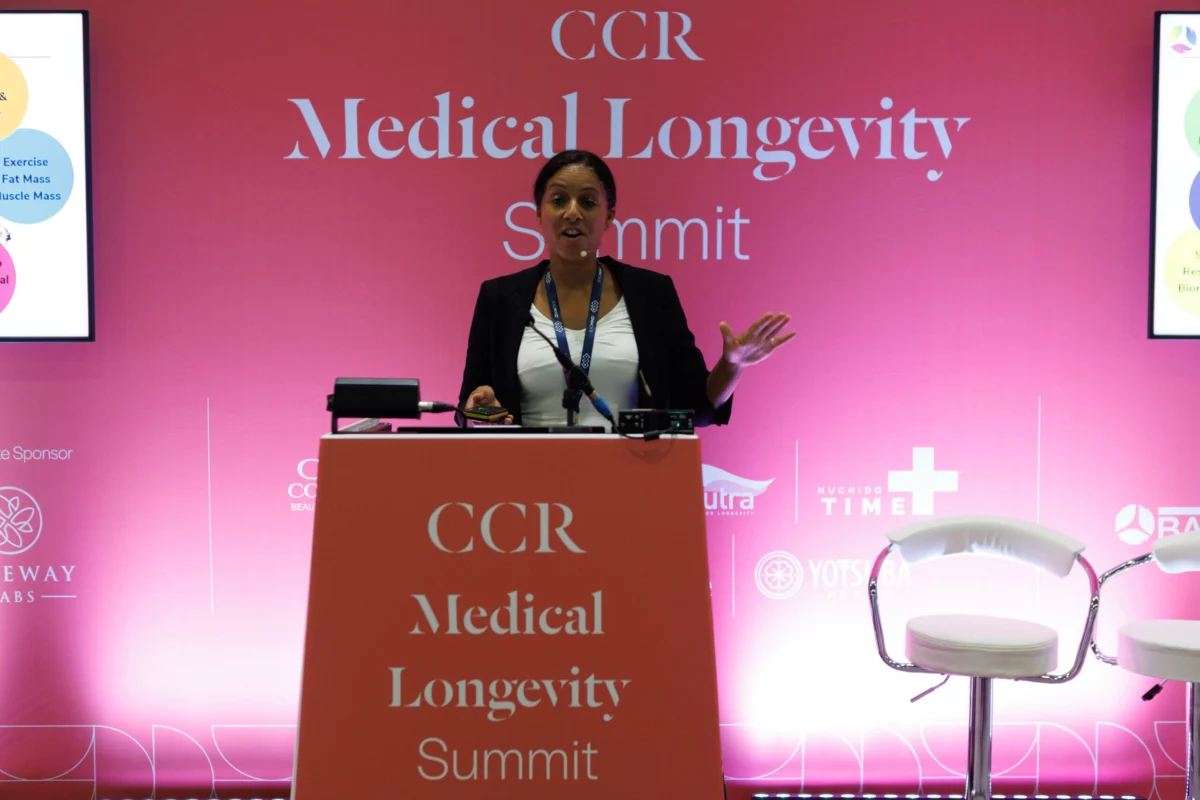
The landscape of aesthetic medicine is undergoing a fundamental transformation as the industry shifts its focus from superficial corrections to a comprehensive, 360-degree approach to human longevity. This evolution reflects a growing recognition among top-tier practitioners that external appearances are inextricably linked to internal biological health. At the forefront of this movement is the Clinical Cosmetic Regenerative (CCR) Congress 2026, which will host the Medical Longevity Summit (MLS) on October 1-2. This summit is designed to bridge the gap between traditional aesthetic treatments and the burgeoning field of metabolic science, providing a roadmap for practitioners to integrate longevity protocols into their daily clinical practice.
In recent years, the global medical aesthetics market has seen a significant shift in patient expectations. According to recent industry reports, the market is projected to grow at a compound annual growth rate (CAGR) of nearly 10% through 2030, driven largely by a move toward regenerative medicine and holistic wellness. Patients are no longer satisfied with isolated "quick fixes" like botulinum toxin or dermal fillers; they are increasingly seeking "well-aging" strategies that address the root causes of senescence. The MLS at CCR 2026 responds to this demand by placing metabolic health and mitochondrial function at the center of the aesthetic conversation.
The Scientific Imperative: Why Metabolic Health Matters in Aesthetics
Metabolic health is the cornerstone of how the human body ages, influencing everything from cellular repair to inflammatory responses. For the aesthetic practitioner, a patient’s metabolic profile directly impacts the success of clinical interventions. Issues such as insulin resistance, chronic low-grade inflammation (often termed "inflammaging"), and mitochondrial dysfunction are primary drivers of poor skin quality, uneven pigmentation, and impaired tissue integrity.
When a practitioner views a patient through a metabolic lens, they are no longer merely treating a wrinkle or a loss of volume. Instead, they are evaluating the systemic environment in which those signs of aging occur. High circulating glucose levels, for instance, lead to the formation of Advanced Glycation End-products (AGEs), which cross-link collagen fibers, making them brittle and less resilient. Similarly, poor mitochondrial health reduces the energy available for cellular regeneration, potentially leading to longer downtime after laser treatments or surgical procedures and less predictable results from bio-stimulatory injectables.
By addressing these internal factors, clinics can move toward a model of "predictable aging." This evidence-informed approach allows for more personalized treatment plans that account for a patient’s hormones, stress levels, and lifestyle, ultimately leading to superior aesthetic outcomes and higher patient satisfaction.
Chronology of the Summit: A Two-Day Deep Dive into Longevity
The Medical Longevity Summit is structured to take clinicians on a journey from foundational theory to practical, high-level application. The event is split across two primary stages: the Future Health Forum and the Discovery Stage.
Day 1: Establishing the Foundations and Frameworks
The first day of the summit focuses on building a robust knowledge base. At the Future Health Forum, the curriculum is designed to introduce the core pillars of metabolic health. Attendees will explore the biological mechanisms of aging, specifically focusing on how mitochondrial function serves as the engine for skin health and tissue repair.
Key sessions on Day 1 will delve into the assessment of metabolic health, teaching practitioners how to interpret biomarkers and integrate these findings into aesthetic consultations. This includes understanding the role of environmental design, such as the impact of blue light and pollutants, as well as the physiological effects of trauma and chronic stress. The goal is to provide a framework that allows clinicians to weave lifestyle medicine into their practices without overwhelming the patient or the administrative staff.
Simultaneously, the Discovery Stage will feature a series of rapid-fire, 15-minute presentations from industry innovators. These sessions are designed to provide a "state of the union" for longevity technology, showcasing the latest advancements in diagnostics, nutritional supplements, and regenerative skincare. This fast-paced format allows practitioners to quickly identify tools that can be deployed in their clinics, from advanced blood testing kits to AI-driven skin analysis platforms.
Day 2: Advanced Therapeutic Strategies and Complex Cases
On the second day, the Future Health Forum shifts its focus toward more complex clinical applications and future-facing strategies. A significant portion of the day will be dedicated to the intersection of aesthetics and high-risk health scenarios, including oncology. As the number of cancer survivors grows, there is an increasing demand for aesthetic treatments that are safe and effective for those who have undergone chemotherapy or radiation, both of which significantly impact metabolic and skin health.
Day 2 will also cover therapeutic strategies involving weight-loss medications, such as GLP-1 agonists, and their impact on facial fat distribution—a phenomenon often referred to in the media as "Ozempic face." Practitioners will learn how to manage the aesthetic consequences of rapid weight loss through a combination of metabolic support and volume restoration.
The Discovery Stage will continue to host sessions from corporate partners and research entities, providing deeper insights into the commercial side of longevity medicine. These presentations will help clinic owners understand the return on investment (ROI) for longevity services and how to ethically market these high-value treatments to a discerning patient base.
The Show Floor: An Ecosystem of Innovation
Beyond the lecture halls, the CCR show floor will serve as a dedicated longevity hub. This space is designed for hands-on learning and peer-to-peer networking. Attendees can interact with exhibitors specializing in:
- Diagnostics and Bio-tracking: Companies offering wearable technology, continuous glucose monitors (CGMs), and epigenetic testing kits that measure biological age.
- Nutraceuticals and Functional Nutrition: Brands focused on cellular health, NAD+ boosters, and anti-inflammatory supplements.
- Regenerative Devices: Technologies that utilize light, sound, or electromagnetic energy to stimulate cellular repair and metabolic activity.
- Specialized Skincare: Products formulated to address the specific needs of the metabolically challenged or aging skin barrier.
This ecosystem provides a practical touchpoint for the theories discussed on stage, allowing clinicians to compare different technologies and methodologies in a single location.
Expert Perspectives: The Clinical Lead’s Vision
Dr. Mayoni Gooneratne, the clinical lead of the MLS scientific committee, emphasizes that the integration of longevity science is no longer optional for the modern practitioner. According to Dr. Gooneratne, metabolic health is the "heart of longevity" and is the primary factor determining how a patient heals and looks.
"We are seeing rising rates of obesity, diabetes, and hormonal disruption, often in people who may still appear outwardly well," Dr. Gooneratne noted in a statement regarding the summit’s objectives. She points out that aesthetic practitioners are in a unique position because they often interact with patients earlier in their lives than general practitioners or specialists. This provides a "powerful opportunity" for early intervention and education, potentially steering patients away from chronic disease pathways while simultaneously improving their aesthetic results.
Dr. Gooneratne also highlights the ethical responsibility of the sector. As treatments like hormone optimization and regenerative medicine become mainstream, practitioners must have a deep, evidence-based understanding of the science to ensure patient safety and maintain professional standards.
Industry Analysis and Broader Implications
The shift toward metabolic health in aesthetics reflects a broader trend in the global healthcare economy. The "Longevity Economy" is currently valued in the trillions of dollars, as aging populations in developed nations seek ways to extend their "healthspan"—the period of life spent in good health—rather than just their lifespan.
In the UK and Europe, the aesthetic industry is facing increasing scrutiny and calls for tighter regulation. By adopting a more medicalized, metabolic approach, clinics can differentiate themselves from non-medical providers. This "medical longevity" model prioritizes patient safety and long-term health outcomes, which is likely to resonate with regulators and professional bodies.
Furthermore, the data suggests that clinics offering integrated wellness and aesthetic services see higher patient retention rates. When a patient sees improvements in their energy levels, sleep quality, and skin health through a combined protocol, they are more likely to remain loyal to that practitioner. This holistic approach transforms the clinic from a place of occasional "tweakments" to a vital partner in the patient’s long-term health journey.
Conclusion: Future-Proofing the Aesthetic Clinic
The Medical Longevity Summit at CCR 2026 represents a critical juncture for the aesthetic industry. By moving the focus from the surface to the cellular level, the summit provides practitioners with the tools to navigate a rapidly changing market. The integration of metabolic health into aesthetic practice is not merely a trend; it is a fundamental realignment of the specialty toward a more scientific, ethical, and effective model of care.
For practitioners, the message is clear: the future of aesthetics is internal. Those who embrace the 360-degree approach to aging will be better equipped to provide the results their patients demand while building a resilient, future-proof business. As the doors open at CCR 2026 this October, the industry will take a significant step toward a new era of medical longevity, where looking good and being healthy are finally recognized as two sides of the same coin.
