
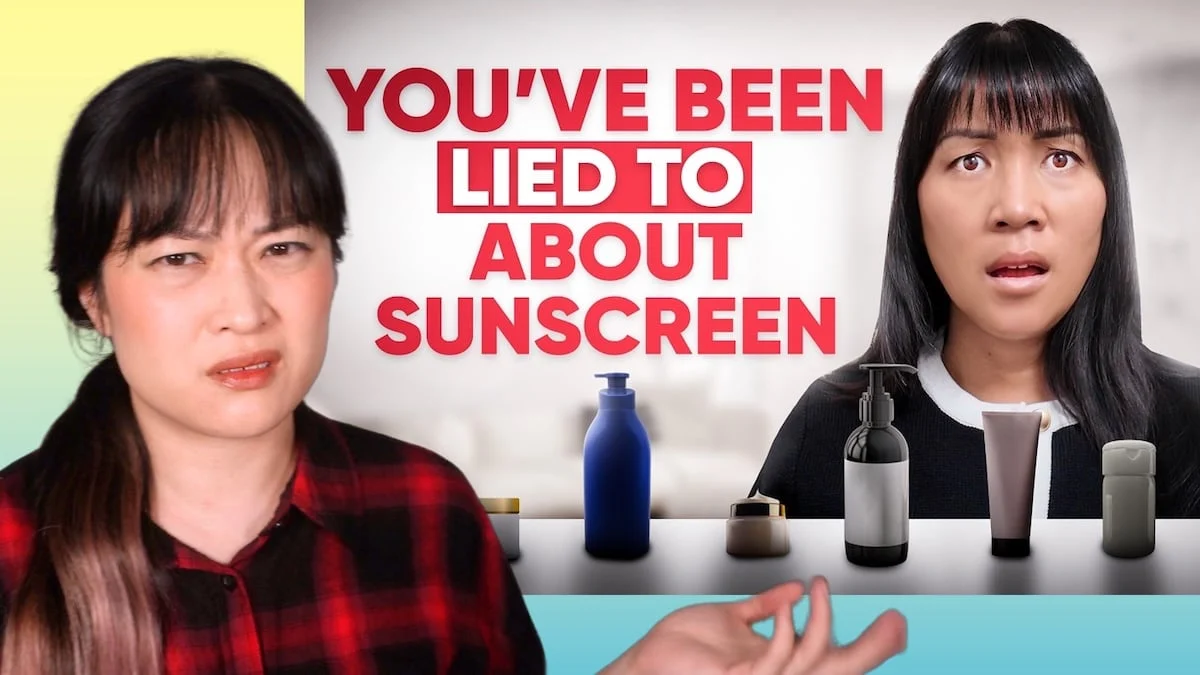
A persistent myth surrounding the inclusion of retinyl palmitate in sunscreens, alleging it increases the risk of skin cancer, has been widely disseminated by various "clean beauty" advocacy groups, most notably the Environmental Working Group (EWG) in their annual sunscreen guides. This narrative recently gained renewed traction following a video by toxicologist Dr. Yvonne Burkart, titled "You’ve been lied to about sunscreen: Toxicologist reveals 6 things you should know about sunscreen," where the claim about retinyl palmitate was prominently featured as a primary concern.
In response to these renewed assertions, a comprehensive rebuttal has been issued by cosmetic chemist Michelle Wong of Lab Muffin Beauty Science and toxicologist Mohammed Kanadil of MoSkinLab. Their collaborative effort, which also underwent a rigorous review by two experienced toxicologists, Dr. Norbert Kaminski and Dr. Lyle Burgoon, aims to clarify the scientific consensus regarding retinyl palmitate’s safety in sunscreen formulations. The detailed analysis, presented as Part 1 of their response to Dr. Burkart’s video, critically examines the evidence and regulatory assessments.
The Genesis of the Retinyl Palmitate Controversy
Retinyl palmitate, a derivative of vitamin A, has been a staple in skincare products for decades, valued for its purported anti-aging benefits, including its ability to reduce wrinkles and improve skin texture. Its widespread use, particularly in sunscreens, has made it a target for scrutiny within the clean beauty movement, which often advocates against synthetic ingredients or those with perceived risks. The core of the controversy stems from the assertion that retinyl palmitate, when exposed to sunlight, destabilizes and produces reactive oxygen species (ROS) and free radicals. These highly reactive molecules are then claimed to damage DNA, lipids, and proteins, thereby accelerating skin aging and potentially increasing the risk of tumor formation.
Dr. Burkart articulated these concerns in her video, stating, "Some [sunscreen] ingredients can actually promote skin cancer. This one is really shocking because that’s the exact opposite of what sunscreen is supposed to do. Retinyl palmitate is a synthetic form of vitamin A that’s often added to sunscreens for its so-called anti-aging benefit… But here is what is most shocking. When exposed to sunlight, retinyl palmitate becomes highly unstable, breaks down into free radicals, which are extremely reactive. These free radicals damage DNA and lipids, as well as proteins, accelerate skin aging and may even increase the risk of tumor formation over time." She further cited studies showing that topical application of retinyl palmitate followed by sun exposure generates ROS and lipid peroxides, which are known drivers of oxidative stress and photocarcinogenesis—the formation of cancer in response to sunlight.
Examining the Scientific Evidence: In Vitro, Cell, and Animal Studies
The scientific basis for these concerns primarily rests on three types of studies:
- In vitro experiments: Test tube studies have demonstrated that retinyl palmitate, when subjected to UV exposure, can break down and form reactive oxygen species. These ROS are known to induce oxidative stress and can damage cellular structures, including DNA, a pathway implicated in cancer development. A notable study from 2005 highlighted the photodecomposition and potential phototoxicity of natural retinoids under isolated conditions.
- Cell studies: Research conducted on cells in petri dishes has shown that exposure to UV radiation, in conjunction with retinyl palmitate, can lead to increased cellular mutations. A 2005 study on mouse lymphoma cells, for instance, reported photomutagenicity when retinyl palmitate was irradiated with UVA.
- Animal studies: Perhaps the most frequently cited evidence comes from animal research, specifically a study conducted by the National Toxicology Program (NTP). Dr. Burkart referenced this, stating, "What’s even more concerning is that animal studies conducted by the National Toxicology Program found that mice whose skin was treated with retinyl palmitate and exposed to sunlight (simulated sunlight) developed significantly more skin tumors than those animals who were not exposed to the same ingredient, but still had the simulated sunlight." This particular NTP study, published in 2012, investigated the photocarcinogenesis of retinoic acid and retinyl palmitate in SKH-1 mice under simulated solar light and topical application. The results indeed showed an increased incidence of skin tumors in mice treated with retinyl palmitate and exposed to simulated sunlight compared to control groups.
The Broader Context of Scientific Interpretation and Regulatory Review
While these findings might appear alarming at first glance, it is crucial to place them within the broader context of scientific interpretation and rigorous regulatory assessments. The studies cited, particularly the NTP animal study, have been public knowledge for well over a decade. The continued presence of retinyl palmitate in sunscreens, despite these older findings, indicates that safety assessors and regulatory bodies have thoroughly evaluated the potential risks and concluded that the ingredient remains safe under normal conditions of use.
A prime example of such a rigorous evaluation comes from the European Union’s Scientific Committee on Consumer Safety (SCCS). Comprising a panel of highly experienced scientists, predominantly toxicologists, the SCCS is tasked with ensuring the safety of consumer products in the EU market. Their safety assessments are renowned for their detail and scientific rigor, often surpassing the scope of standard peer-reviewed academic papers.
The SCCS Verdict: Why Retinyl Palmitate is Deemed Safe
The SCCS has reviewed the safety of vitamin A compounds, including retinyl palmitate, on multiple occasions. Their comprehensive opinion from 2016, and a subsequent revision in 2022, explicitly addressed the data from the NTP study and other relevant research. The committee meticulously outlined several key reasons why they do not consider retinyl palmitate in sunscreens to be a safety concern:
- Limitations of In Vitro Experiments: The SCCS highlighted that test tube experiments, where retinyl palmitate is often studied in isolation, do not accurately reflect the complex biochemical environment of human skin. Human skin is replete with various substances, including numerous natural antioxidants. In this intricate biological matrix, retinyl palmitate’s behavior can be significantly different, potentially acting as an antioxidant itself and reducing overall oxidative stress rather than increasing it. The presence of other ingredients in a finished sunscreen formulation can also stabilize retinyl palmitate or mitigate any potential pro-oxidant effects.
- Species Differences in Animal Studies: A critical point of contention is the use of hairless mice in the NTP study. Hairless mice are specifically chosen for carcinogenicity studies because they are exceptionally sensitive to UV radiation, developing tumors more rapidly and yielding clearer results within a shorter timeframe. However, this inherent sensitivity means their skin physiology differs significantly from human skin, which is far more adapted to sun exposure. Extrapolating results directly from these highly susceptible animal models to humans can be misleading. In humans, retinoids have even been observed to exert protective effects against certain skin damages.
- Real-World Clinical Evidence: Retinoids as Protective Agents: Dermatologists have been prescribing and using retinoids (including retinol and tretinoin, which share similar metabolic pathways and potential for free radical formation in isolated settings) for approximately 50 years. Crucially, retinoids are not associated with increased skin cancer; instead, they are often used in clinical settings for the prevention and treatment of various skin cancers, including basal cell carcinoma and squamous cell carcinoma. Patients undergoing retinoid therapy are typically under close dermatological supervision, and if an increased risk of skin cancer were present, it would have been evident in long-term clinical data. The absence of such observations in human populations, despite decades of widespread use, provides strong counter-evidence.
- Confounding Factors in the NTP Mouse Study: The SCCS also noted unusual results within the NTP mouse study itself. For instance, in some groups, higher UV exposure correlated with fewer tumors, an outcome that cannot be explained if retinyl palmitate alone were the primary carcinogen. Furthermore, the control cream without retinyl palmitate also led to an increase in tumors in some instances. This led the SCCS to investigate other ingredients in the cream’s base. They identified diisopropyl adipate, another component of the base formulation, as a potential confounding factor. This ingredient appeared to increase UV sensitivity in hairless mice, but similar effects were not observed when tested on human skin, further emphasizing the limitations of direct extrapolation from animal models.
Regulatory Consensus and Broader Implications
Based on these comprehensive considerations, the SCCS consistently concluded that retinyl palmitate is safe for use in sunscreens, reiterating this stance in both their 2016 and 2022 reports. It is important to note that the SCCS is not hesitant to recommend restrictions when safety concerns are scientifically substantiated. For example, their 2022 report did recommend restricting retinol in other skincare products, not due to direct photocarcinogenesis, but because of concerns about the cumulative intake of vitamin A from multiple sources (diet, supplements, and cosmetics) potentially exceeding safe limits. This demonstrates the committee’s cautious and evidence-based approach to consumer safety.
The discourse surrounding retinyl palmitate highlights a broader challenge in science communication: the distinction between preliminary, isolated research findings and robust, comprehensive safety assessments by expert bodies. Relying on individual studies, especially those conducted in highly controlled or non-physiological conditions, without considering the full body of evidence and regulatory evaluations, can lead to widespread misinformation and unwarranted public concern. Official reports from regulatory bodies like the SCCS, which integrate data from multiple studies, consider physiological relevance, and undergo extensive peer review by relevant experts, represent the highest standard for evaluating product safety. The omission of these official reports when discussing safety claims is, as noted by Lab Muffin and MoSkinLab, a significant red flag.
Impact on Consumers and the Cosmetics Industry
The ongoing debate naturally leads to consumer confusion. Faced with conflicting information—alarming claims from advocacy groups versus reassuring statements from regulatory bodies—consumers struggle to make informed choices. This emphasizes the critical role of transparent and accurate science communication from credible sources.
For the cosmetics industry, the challenge lies in balancing consumer demands for "clean" ingredients with the scientific evidence of safety and efficacy. Formulators often select ingredients like retinyl palmitate for specific benefits and stability within a product, adhering to strict safety guidelines set by regulatory authorities. The industry must continue to rely on and advocate for science-backed safety assessments to counter misinformation and maintain consumer trust.
In conclusion, the scientific and regulatory consensus, particularly from authoritative bodies like the EU’s Scientific Committee on Consumer Safety, affirms the safety of retinyl palmitate in sunscreens. The concerns raised by some clean beauty organizations and individual commentators, while based on real (albeit limited) scientific studies, fail to account for the crucial differences between experimental conditions and real-world human skin, the limitations of animal models, and the comprehensive safety reviews conducted by expert toxicologists. Consumers are best served by consulting evidence-based information from recognized scientific and regulatory authorities when making decisions about product safety.
Affiliate Disclosure: Lab Muffin Beauty Science receives a small commission for purchases made via affiliate links.
How to cite: Wong M, Kanadil M. Should you avoid retinyl palmitate in sunscreens? Lab Muffin Beauty Science. August 9, 2025. Accessed April 16, 2026. https://labmuffin.com/retinyl-palmitate-in-sunscreens/
