
Polycystic Ovary Syndrome (PCOS) remains one of the most prevalent endocrine disorders among women of reproductive age, affecting approximately 8% to 13% of the global population. Characterized by a combination of hyperandrogenism, ovulatory dysfunction, and polycystic ovarian morphology, the condition is a leading cause of ovulatory infertility. For many women, the journey toward conception is marked by significant physiological hurdles, yet emerging clinical evidence and patient-led data suggest that targeted nutritional strategies and lifestyle modifications can substantially improve reproductive outcomes. While the diagnosis can be psychologically devastating, the integration of metabolic management into fertility plans offers a viable pathway to successful pregnancy.
Understanding the Pathophysiology of PCOS and Infertility
The primary barrier to conception in women with PCOS is chronic anovulation. In a standard menstrual cycle, the pituitary gland releases follicle-stimulating hormone (FSH) and luteinizing hormone (LH), which signal the ovaries to produce a mature egg. In the PCOS-afflicted system, an imbalance in these hormones—often exacerbated by high levels of insulin—prevents follicles from reaching maturity. Instead, numerous small, immature follicles accumulate in the ovaries, and the essential "LH surge" required for ovulation often fails to occur.

Clinical data suggests that the "messed up hormones" described by many patients are rooted in a complex feedback loop involving the hypothalamic-pituitary-ovarian (HPO) axis. When ovulation is irregular, progesterone levels remain low, and estrogen may become unopposed, further complicating the uterine environment. This lack of control over one’s reproductive cycle is a primary driver of the frustration reported by patients, necessitating a structured approach that moves beyond symptom management toward hormonal stabilization.
The Role of Insulin Resistance and Testosterone Regulation
At the core of PCOS-related infertility is insulin resistance, a condition where the body’s cells do not respond effectively to insulin, leading the pancreas to overproduce the hormone. Hyperinsulinemia (excessive insulin) acts directly on the theca cells within the ovaries, stimulating them to produce excess androgens, particularly testosterone. High intraovarian testosterone levels inhibit the development of follicles and interfere with the regular release of eggs.
To combat this, nutritional interventions focus on the Glycemic Index (GI) of carbohydrates. Consuming low-GI foods—such as whole grains, legumes, and non-starchy vegetables—prevents the sharp spikes in blood glucose that trigger massive insulin releases. Journalistic analysis of dietary trends in endocrinology indicates that balancing carbohydrates with high-quality proteins and healthy fats is essential for maintaining glucose homeostasis. By lowering circulating insulin, women can effectively reduce their testosterone levels, thereby creating a more favorable hormonal environment for follicular maturation and subsequent ovulation.

Estrogen Dominance and Environmental Endocrine Disruptors
Hormonal balance in PCOS is further complicated by estrogen levels, which can fluctuate between being abnormally high or low. Estrogen dominance is a common concern, often exacerbated by external factors known as xeno-estrogens. These are chemical compounds found in plastics (such as BPA), cosmetics, and industrial pollutants that mimic the behavior of natural estrogen in the body. When these compounds occupy estrogen receptors, they disrupt the delicate feedback mechanism that regulates the menstrual cycle.
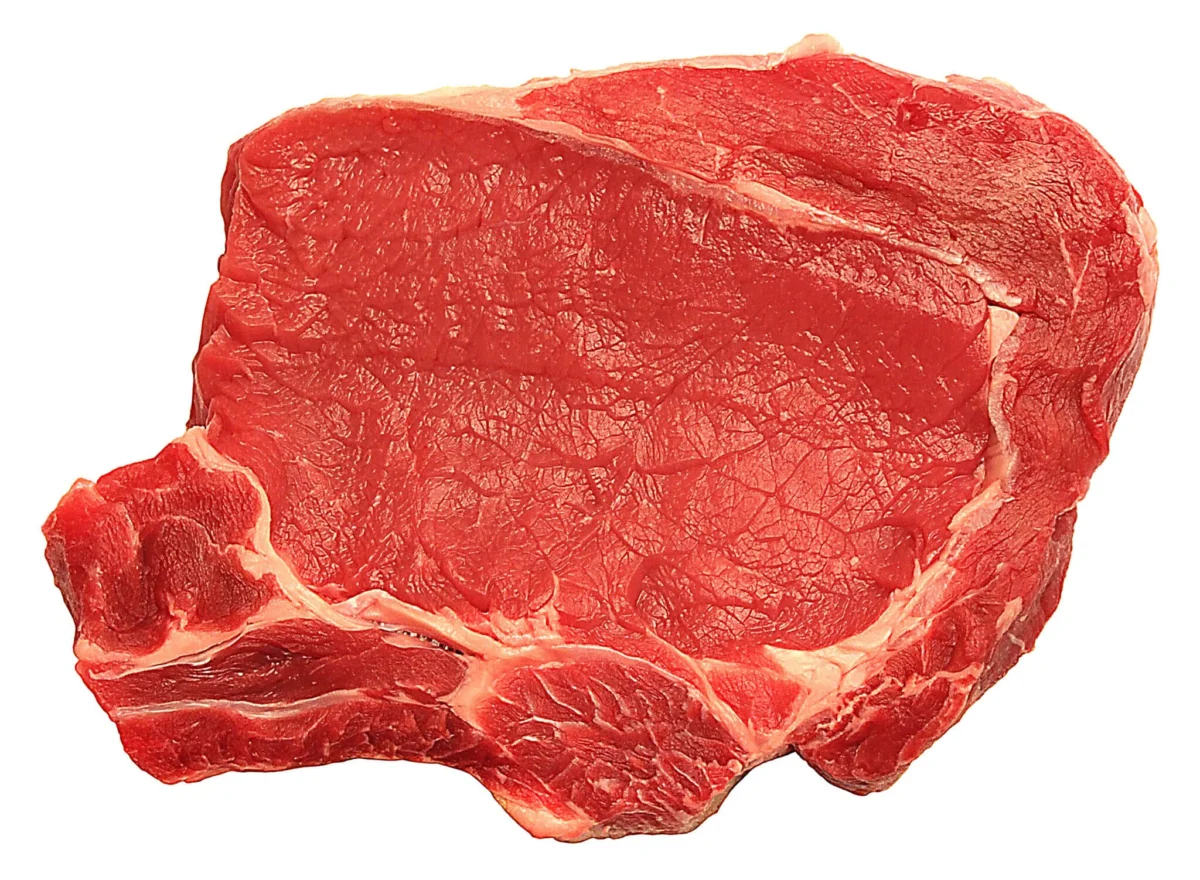
Dietary sources of estrogen also play a significant role. Conventional animal products, particularly beef and dairy, may contain residual hormones used to accelerate animal growth. Ingesting these exogenous hormones can add to the "disordered system" of a woman with PCOS. Consequently, many specialists recommend a shift toward organic, pasture-fed meats or a plant-forward diet to minimize exposure to synthetic growth hormones and antibiotics. While organic options often carry a higher price point, the reduction in endocrine-disrupting chemicals is viewed by many as a necessary investment in reproductive health.
The role of phytoestrogens, specifically those found in soy products, remains a subject of intense debate within the medical community. Phytoestrogens are plant-based compounds that can bind to estrogen receptors. Some research suggests they may block the body’s own, more potent estrogen from binding, potentially lowering overall estrogenic activity. However, other studies indicate that high soy intake may lead to delayed ovulation in sensitive individuals. For women actively attempting to conceive, many choose a precautionary approach by eliminating soy to ensure there are no external variables interfering with the timing of the LH surge.
Clinical Implications of Weight Reduction and Metabolic Reset
Weight management is frequently cited as the most challenging yet effective intervention for PCOS. The relationship between adipose tissue (fat) and hormones is bidirectional; excess weight contributes to insulin resistance, while insulin resistance makes weight loss significantly more difficult. However, clinical studies have consistently demonstrated that a modest reduction in total body weight—specifically between 5% and 10%—can lead to the spontaneous resumption of ovulation.
This "5-10% rule" is a cornerstone of PCOS fertility protocols. Losing this weight reduces the volume of visceral fat, which is metabolically active and produces inflammatory cytokines that worsen insulin resistance. By breaking this cycle, the body can often recalibrate its hormonal output without the immediate need for pharmaceutical intervention, such as Clomiphene or Letrozole. The emphasis for patients is shifting from "dieting" for aesthetic purposes to "nutritional therapy" for metabolic and reproductive restoration.
Targeted Supplementation for Follicular Development
Given that women with PCOS often exhibit specific nutritional deficiencies, supplementation serves as a critical secondary layer to the fertility plan. These supplements are not merely "vitamins" but act as metabolic cofactors that assist in biochemical processes.
Chromium and Insulin Sensitivity
Chromium is a trace mineral that plays a vital role in the Glucose Tolerance Factor (GTF). It enhances the action of insulin, allowing for more efficient glucose uptake by cells. By improving insulin sensitivity, chromium helps lower the compensatory hyperinsulinemia that drives testosterone production. However, medical professionals caution that patients already taking insulin-sensitizing medications, such as Metformin, should consult their physicians before starting chromium to avoid hypoglycemia (dangerously low blood sugar).
Vitamin D and Calcium
Vitamin D deficiency is remarkably common in the PCOS population, with some studies suggesting up to 80% of affected women have suboptimal levels. Vitamin D receptors are located throughout the reproductive system, including the ovaries and the endometrium. Research has shown that supplementing with Vitamin D and Calcium can improve the number of mature follicles and help regulate the menstrual cycle. Furthermore, Vitamin D is essential for mood regulation and immune function, both of which are critical during the preconception period.
The B-Vitamin Complex and Folic Acid
Vitamin B6 is instrumental in maintaining the balance of progesterone, a hormone necessary for sustaining a pregnancy once conception occurs. A deficiency in B6 can lead to a "short luteal phase," where the time between ovulation and the start of a period is too brief for a fertilized egg to implant. Additionally, Folic Acid (Vitamin B9) is a non-negotiable requirement for any woman of childbearing age. It is essential for the development of the neural tube in the early weeks of pregnancy, often before a woman even knows she is pregnant, providing protection against defects such as spina bifida.
Omega-3 Fatty Acids
Omega-3 fatty acids, typically sourced from fish oil or algae, are potent anti-inflammatory agents. In the context of PCOS, they have been shown to reduce circulating testosterone and improve the lipid profile. By reducing systemic inflammation, Omega-3s help optimize the quality of the eggs (oocytes) and improve the health of the uterine lining, increasing the chances of successful implantation.
Broader Impact and Long-Term Health Implications
The strategy for managing PCOS and pregnancy extends beyond the immediate goal of conception. PCOS is a lifelong metabolic condition that carries increased risks for Type 2 diabetes, cardiovascular disease, and endometrial cancer. The dietary and lifestyle changes implemented to improve fertility serve as a foundation for long-term health.
The integration of these practices—low-GI eating, reduction of environmental toxins, strategic weight management, and targeted supplementation—represents a holistic shift in how the medical community and patients approach the syndrome. While the path to pregnancy with PCOS is often characterized by a loss of control, these interventions empower women to take an active role in their biological recalibration.

In conclusion, the management of PCOS-related infertility requires a multidisciplinary approach that prioritizes the stabilization of insulin and the reduction of androgens. By addressing the root metabolic causes of the disorder through rigorous nutritional standards and informed lifestyle choices, women can significantly improve their chances of conceiving and maintaining a healthy pregnancy. As research continues to evolve, the emphasis remains on creating an internal environment where the "miracle" of pregnancy is supported by sound physiological health.
