

Brittany McKertcher, a 32-year-old nurse residing in Alberta, embodies the protracted and often emotionally taxing journey many adults face with chronic acne, a condition she has grappled with for two decades. Her personal narrative, beginning at age 13 and persisting into her thirties, offers a poignant insight into the physical discomfort, psychological toll, and relentless pursuit of effective treatment that defines life with persistent skin conditions. McKertcher’s experience underscores the critical need for early medical intervention, personalized treatment strategies, and a deeper understanding of acne’s far-reaching implications beyond the superficial.
The Onset of a Persistent Challenge: Adolescence and Early Struggles
McKertcher’s battle commenced during the tumultuous period of early adolescence, around the age of 13. What began as common surface acne, characterized by pustules, quickly escalated to include painful cystic acne – deep, inflamed bumps beneath the skin’s surface. This more severe form of acne is often linked to hormonal fluctuations, a factor McKertcher distinctly recalls struggling with from the outset. The severity and nature of her breakouts immediately set her experience apart from the milder, transient acne many teenagers encounter.
In the initial stages, McKertcher, like countless others, resorted to self-treatment, navigating the overwhelming array of over-the-counter (OTC) products. Her efforts involved an endless cycle of trying different face washes and topical solutions, all purchased with the fervent hope of alleviating her condition. This period was also marked by a desperate search for cosmetic solutions, particularly foundations that could offer adequate coverage without exacerbating dryness. However, the deep-seated cystic lesions proved resistant to camouflage, their presence remaining visible despite her best efforts with makeup. This early phase highlights a common pitfall: the expenditure of significant time, money, and emotional energy on products ill-suited for severe, hormonal acne, often delaying access to professional care that could yield more effective outcomes.
The Profound Psychological and Social Impact on a Young Life
The pervasive presence of acne profoundly impacted McKertcher’s burgeoning self-esteem during her formative teenage years. Her account reveals a deeply entrenched sense of self-consciousness that dictated her social interactions and recreational choices. Activities that might compromise her makeup, such as swimming, using hot tubs, or floating on a river, were strictly avoided. For an active teenager, particularly one involved in gymnastics, this meant a constant awareness of her skin, even necessitating carrying makeup for touch-ups to conceal sweat-induced breakouts. The feeling of isolation was acute, as she perceived herself to be the "only one with serious acne" among her high school peers, a common sentiment among individuals battling visible skin conditions. This period illustrates how acne can not only affect physical comfort but also severely limit social participation and contribute to feelings of alienation, shaping a teenager’s identity and sense of belonging.
The Medical Journey Begins: A Timeline of Treatments and Setbacks
Recognizing the limitations of self-treatment, McKertcher sought medical intervention within a year of her acne’s onset. Her journey through the healthcare system commenced with a visit to her family doctor, leading to her first prescription topicals. When these proved ineffective, a pivotal decision was made: at the young age of 14, she was prescribed birth control pills, primarily to manage her acne by addressing underlying hormonal imbalances. This early initiation into hormonal therapy underscores the severity of her condition and the medical community’s recognition of the systemic nature of some acne forms.
Her treatment path soon progressed to specialized dermatological care, where a more aggressive and varied approach was adopted. Over the years, McKertcher was prescribed a range of antibiotics, often used for their anti-inflammatory properties and ability to reduce P. acnes bacteria. Eventually, she was introduced to isotretinoin, commonly known by its brand name Accutane, within a couple of years of seeing a dermatologist. Isotretinoin is a powerful oral retinoid reserved for severe, nodular, or treatment-resistant acne, known for its profound effects on reducing sebum production and inflammation. While the treatment offered some improvement, it came with significant side effects: extreme dryness of the skin and mucous membranes, nosebleeds, and dry eyes, necessitating the constant use of humidifiers and thick moisturizers.
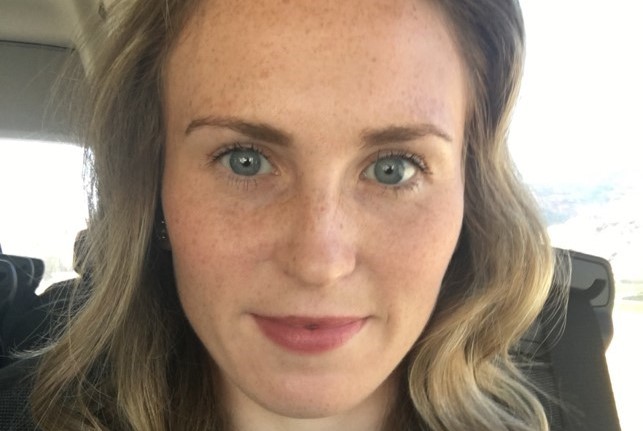
Following her initial course of Accutane, treatment reverted to birth control pills, with the strategic addition of spironolactone. Spironolactone, an anti-androgen medication, proved to be a significant turning point, with McKertcher identifying this combination as "the most helpful treatments that I experienced." This highlights the often-complex, multi-modal approach required for chronic, hormonally influenced acne, where a combination of systemic and hormonal therapies yields the best results.
Adult Acne: A Renewed Emotional Burden
Despite the various treatments, McKertcher’s acne persisted through her twenties and into her university years, defying the common expectation that individuals "grow out of" acne in adulthood. This continuation presented a unique emotional challenge. While teenage acne is often dismissed as a rite of passage, adult acne carries a different weight. McKertcher articulates this distinction powerfully: "The acne has taken a bigger toll on me as an adult… All my friends do not struggle with acne at all and I still feel like it affects me – that is so hard. When I look in the mirror, that is all I see." This sentiment underscores the societal expectation of clear skin in adulthood, making adult acne particularly isolating and impactful on self-perception and mental well-being.
A significant setback occurred after university when McKertcher switched from oral contraceptives to an Intrauterine Device (IUD), which triggered a severe breakout, forcing her return to regular birth control pills. This experience highlights the intricate interplay between hormonal contraception and skin health, a factor often overlooked but critical for women managing acne.
Approximately a year prior to her current situation, McKertcher underwent another round of isotretinoin, this time a newer formulation, for about eight months. The results were initially promising, leading to "really good coverage" with only occasional breakouts during specific times of the month. However, a significant flare-up occurred around her wedding, attributed to a different type of makeup, resulting in widespread breakouts, including on her eyelids and the development of body acne. This incident illustrates the sensitivity of acne-prone skin to external factors and the unpredictable nature of the condition, even after successful treatment courses. Currently, her treatments are on hold as she and her partner hope to start a family, a decision that often necessitates pausing certain acne medications due to potential risks during pregnancy.
The Broader Landscape of Acne: Data, Context, and Implications
McKertcher’s story is not an isolated one but reflects a widespread public health issue. Acne vulgaris is the most common skin condition, affecting an estimated 85% of adolescents and young adults globally. However, adult acne, particularly among women, is increasingly prevalent. Studies suggest that adult acne affects up to 50% of women in their 20s, 30% in their 30s, and 20% in their 40s and beyond. Hormonal fluctuations, genetics, stress, and environmental factors are all implicated in its pathogenesis, making treatment complex and often prolonged.
Prevalence and Impact:
The persistence of acne into adulthood carries a significant burden beyond the physical. Research consistently links acne to a range of psychological comorbidities, including depression, anxiety, social phobia, body dysmorphia, and low self-esteem. The visibility of acne often leads to feelings of shame, embarrassment, and diminished quality of life. For individuals like McKertcher, whose profession as a nurse places them in direct, empathetic contact with others, the constant awareness of a visible skin condition can add an additional layer of professional and personal stress.
Treatment Modalities and Challenges:
The journey through acne treatment is rarely linear. As McKertcher’s experience demonstrates, it often involves a trial-and-error approach across multiple categories of medication:

- Topical Treatments: These include retinoids (e.g., tretinoin, adapalene), benzoyl peroxide, and topical antibiotics. While effective for mild to moderate acne, they often fall short for cystic or severe inflammatory acne.
- Oral Antibiotics: Tetracyclines (e.g., doxycycline, minocycline) are commonly prescribed for their anti-inflammatory properties and ability to reduce bacterial load. However, concerns about antibiotic resistance and potential side effects limit their long-term use.
- Hormonal Therapies: Oral contraceptives and anti-androgens like spironolactone are crucial for managing hormonally driven acne, particularly in women. They work by regulating androgen levels, which influence sebum production.
- Isotretinoin (Accutane): Considered the most effective treatment for severe, recalcitrant acne, isotretinoin works by dramatically reducing sebum production, normalizing follicular keratinization, and exerting anti-inflammatory effects. Despite its efficacy, its use is carefully managed due to potential side effects, including severe dryness, elevated liver enzymes, and its teratogenic effects (causing birth defects), necessitating strict pregnancy prevention programs for female patients. McKertcher’s experience with a newer formulation suggests ongoing efforts to optimize its profile while maintaining efficacy.
The Role of Dermatological Expertise:
McKertcher’s eventual reliance on a dermatologist underscores the critical importance of specialized care. Dermatologists possess the expertise to accurately diagnose acne types, identify contributing factors, and formulate individualized treatment plans that often involve a combination of therapies. Their guidance is essential in navigating potent medications like isotretinoin and spironolactone, ensuring patient safety and maximizing therapeutic outcomes.
Official Perspectives and Recommendations
Organizations like Acne Action Canada, the inferred source of this narrative, consistently advocate for early and professional intervention in managing acne. Their recommendations often include:
- Prompt Consultation: Encourage individuals, especially those with persistent or severe acne, to consult a general practitioner or dermatologist sooner rather than later. This can prevent the physical scarring and emotional distress that can result from delayed treatment.
- Individualized Treatment: Emphasize that "it’s not a one-size-fits-all" approach. Effective acne management requires a tailored strategy that considers the individual’s acne type, severity, hormonal status, lifestyle, and treatment history.
- Patient Education: Inform patients about the various treatment options, their mechanisms, potential side effects, and the importance of adherence. Educating patients about the inefficacy of many OTC products for severe acne can prevent wasted effort and resources.
- Holistic Approach: Acknowledge the psychological impact of acne and encourage addressing mental health alongside physical treatment.
Looking Ahead: Hope, Research, and Advocacy
McKertcher’s profound regret over the "considerable amount of money, time and effort she put into acne skin care – without results" on OTC products serves as a powerful cautionary tale. Her realization that "those products are not going to help with cystic acne" is a message that needs wider dissemination. Her advice to others struggling with serious acne is direct and vital: "Try to see your GP sooner and get a referral to a dermatologist if you need that… Get on something before you have scarring." The fact that she avoided significant scarring, despite her prolonged struggle, she attributes to working with her dermatologist to find an effective combination.
As McKertcher pauses her current treatment regimen for family planning, her long-term goal remains clear: "My ultimate goal is to have clear skin. It’s tough where I am. Hopefully I won’t have to take medications forever. I hope there’s more research into treatments for acne." Her aspiration for a future free from chronic medication underscores the desire for sustainable, long-term solutions that do not interfere with other life stages or goals. Her call for more research is a testament to the ongoing need for advancements in understanding and treating this complex condition, particularly for adult-onset or persistent acne, and for safe alternatives during periods like pregnancy.
Brittany McKertcher’s enduring journey with acne is a compelling testament to the tenacity required to manage a chronic condition that impacts not only physical appearance but also deeply ingrained aspects of self-worth and quality of life. Her story serves as a critical reminder for healthcare providers, policymakers, and the public alike to recognize acne not merely as a cosmetic nuisance but as a serious medical condition warranting timely, expert intervention and continued research investment.
