
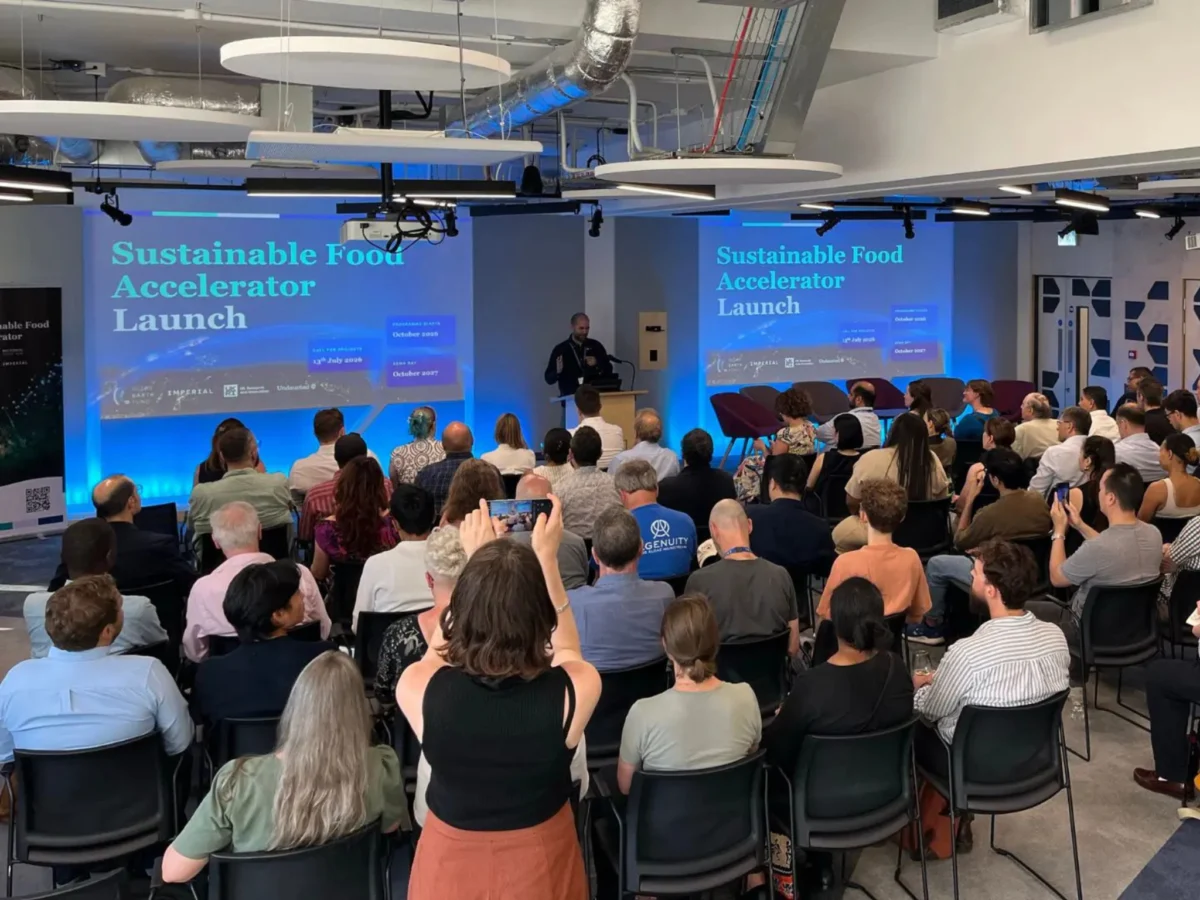
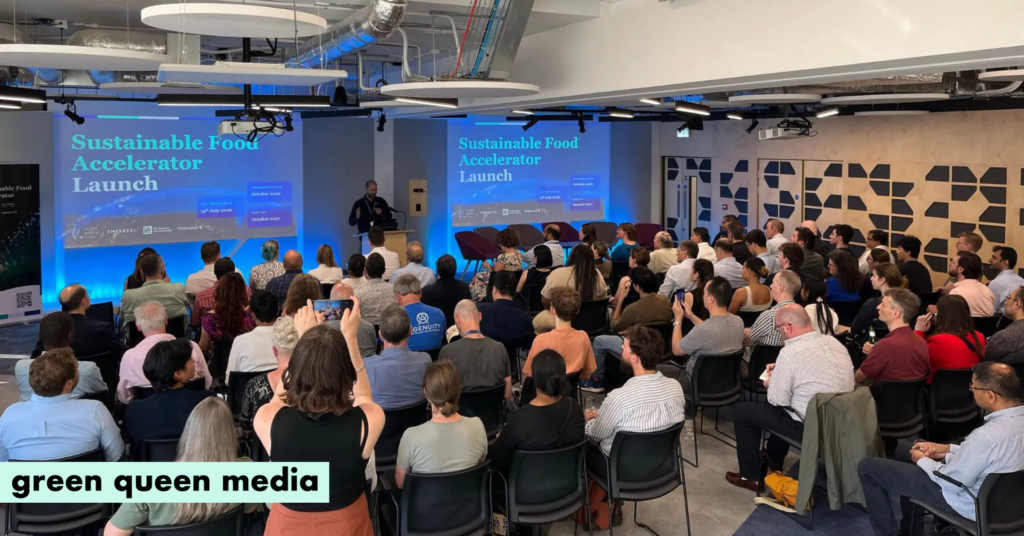
The launch of a pioneering Sustainable Food Accelerator by the Bezos Centre for Sustainable Protein, in collaboration with Imperial College London, marks a significant stride towards commercializing innovations in the burgeoning future of food sector. This ambitious 12-month program is designed to guide early-stage companies through the critical and often challenging transition from laboratory discovery to market-ready solutions, addressing what is widely recognized as the "valley of death" in food technology. The initiative leverages a powerful alliance between academic expertise, corporate giants, and seasoned investors, aiming to accelerate the development and adoption of sustainable protein alternatives and other future food technologies.
Bridging the Gap: From Lab Bench to Global Market
The core mission of the Sustainable Food Accelerator is to tackle one of the most persistent hurdles in sustainable food innovation: the arduous journey of transforming promising scientific breakthroughs, novel ingredients, and efficient processes into viable products that can be validated by corporations, supported by investors, and embraced by consumers. Many innovative concepts, while scientifically sound, falter due to a lack of crucial evidence, including pilot-scale data, demonstrable product performance, regulatory clarity, robust cost modeling, precise technical specifications, and definitive commercial validation. These are the essential building blocks required for widespread adoption.
Alyssa Gilbert, Director at Undaunted and Innovation Director at the Imperial Grantham Institute, articulated the program’s necessity: "Too many promising technologies struggle to make the journey from lab to plate. This partnership strengthens pathways between deeply technical scientific discovery and commercial success, helping founders leverage cutting-edge research, specialist expertise, and infrastructure across Undaunted and Imperial, in tandem with overcoming technical, commercial, and investment barriers to growth with strategic corporate partners."
The accelerator is structured around real-world industry challenges identified and defined by four leading global food corporations: Cargill, Danone, Kerry, and Mars. These industry titans have committed to providing pilot budgets for ventures that successfully meet agreed-upon milestones. This direct corporate engagement ensures that the startups are working on solutions with tangible market demand and that the evidence generated will be directly relevant to large-scale implementation.
A Multi-faceted Support System for Innovation
Selected startups will benefit from a comprehensive support package designed to equip them for commercial success. This includes access to up to £100,000 ($134,000) in equity-free funding, a vital lifeline for early-stage development. Furthermore, the program opens doors to substantial potential venture investments, with the possibility of securing up to £2 million ($2.7 million) from venture capital firms like Oyster Bay VC and FoodLabs.
Beyond financial backing, the accelerator offers critical non-monetary support. Companies will receive technical validation, in-depth regulatory insights, expert assistance with grant writing, comprehensive investor readiness training, and unparalleled access to scale-up infrastructure. This holistic approach is designed to generate the irrefutable commercial proof required to secure crucial pilots with major corporations and attract significant investment for scaling operations.
The first cohort of the accelerator will specifically focus on developing technologies that directly address the pressing evidence, performance, and scale-up challenges currently confronting the future food industry. These areas include innovations aimed at optimizing production economics, enhancing ingredient performance, unlocking the potential of circular food system inputs, and mitigating the risks associated with scaling up production. The program will prioritize breakthroughs that demonstrably reduce costs and boost production efficiency, alongside the development of infrastructure, tools, and capabilities that facilitate robust real-world validation.
Addressing a Critical Bottleneck in the Food Tech Landscape
The initiative arrives at a pivotal moment for the alternative protein and broader food tech sectors. The journey from promising research to market-ready products has historically been fraught with difficulties, leading to a significant number of innovative companies failing to reach their full potential. This "valley of death" is characterized by a disconnect: corporations require confidence and demonstrable proof of concept before committing to pilot projects, while investors need compelling evidence of market viability and scalability before deploying capital. However, startups often lack the necessary infrastructure, strategic partnerships, and market insights to generate this crucial evidence.
This bottleneck has had a tangible impact on the sector. According to recent industry analyses, the alternative protein sector experienced a seven-year low in venture capital funding last year. This funding dip has coincided with a wave of consolidation, with over 80 companies in the space having been acquired, merged, declared insolvent, or ceased operations since September 2024. The Sustainable Food Accelerator’s model, which is intentionally shaped around identified market demand and corporate needs, aims to counteract this trend by ensuring that the innovations being supported are aligned with the practical requirements of the industry.
A Collaborative Ecosystem for Sustainable Food Innovation
The power of the Sustainable Food Accelerator lies in its extensive network of collaborators. In addition to the anchor partners Cargill, Danone, Kerry, and Mars, a broad spectrum of investors and innovation hubs are contributing to the program’s success. These include prominent names in the food tech investment landscape such as Beyond Impact, Big Idea Ventures, Biotope by VIB, Clay Capital, DÄhler Ventures, FoodLabs, Newland Ventures, Oyster Bay, SOSV, Synthesis Capital, and The Mills Fabrica.
This diverse group of investors brings a wealth of experience and capital, signaling a collective commitment to de-risking the future food landscape. Their involvement ensures that startups not only receive the technical and commercial support needed but also gain access to a robust investor network actively seeking promising ventures.
Building the Infrastructure for Scalable Solutions
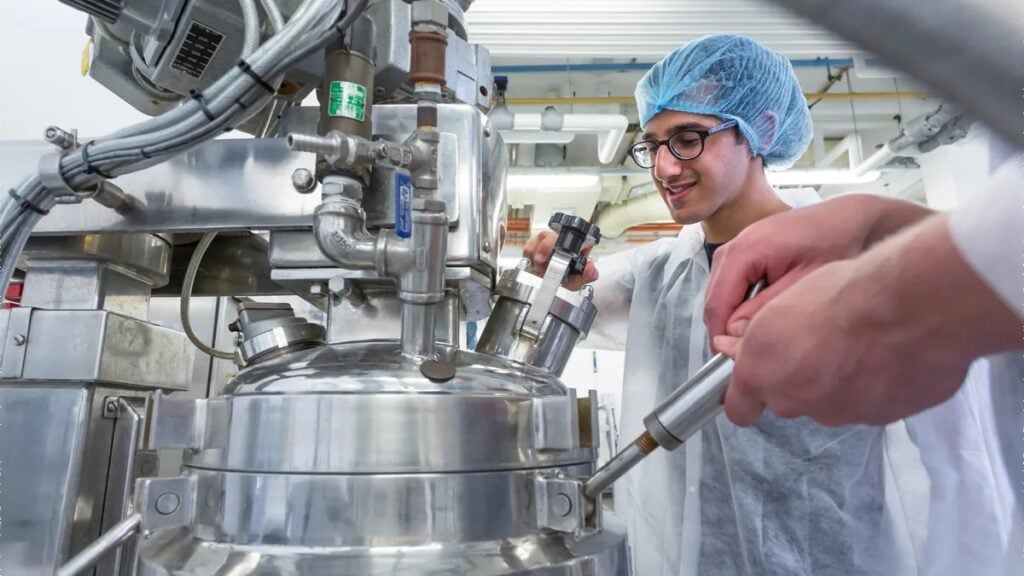
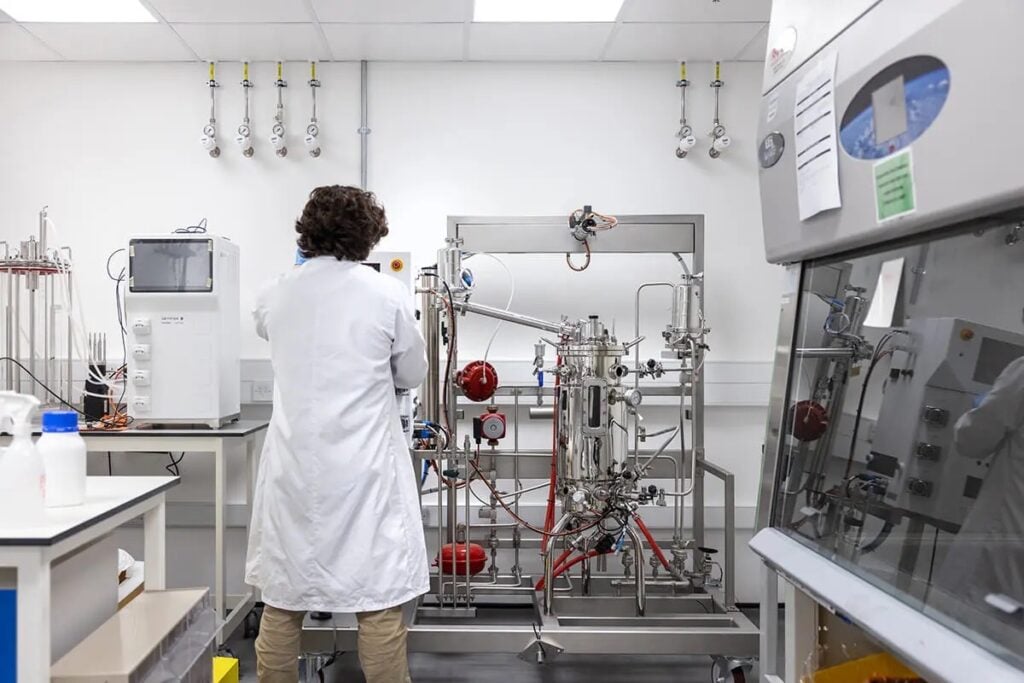
The accelerator provides startups with access to a connected network of research and innovation facilities. This network spans the entire development pathway, from initial discovery and strain engineering to bioprocessing, pilot-scale production, downstream processing, analytical characterization, food application development, and product prototyping. Universities and scale-up partners across the UK and Europe are integral to this infrastructure, offering specialized capabilities that enable ventures to move efficiently through each stage of product development.
Specifically, the program aims to foster breakthroughs that:
- Improve Production Economics: Developing cost-effective methods for producing sustainable proteins and other future food ingredients.
- Deliver Stronger Ingredient Performance: Creating ingredients that meet or exceed consumer expectations for taste, texture, nutrition, and functional properties.
- Unlock Circular Food System Inputs: Utilizing waste streams and low-carbon feedstocks to create high-value food ingredients.
- Derisk the Scale-Up Journey: Providing the tools, processes, and expertise necessary for seamless transition from pilot to commercial scale.
This comprehensive approach ensures that startups can design ingredients and develop technologies that not only meet stringent performance criteria but also align with the principles of a sustainable and circular food system.
The Bezos Earth Fund’s Commitment to a Sustainable Food Future
The Bezos Centre for Sustainable Protein itself is a testament to the Bezos Earth Fund’s significant investment in transforming global food systems. Established with a $30 million grant from the Bezos Earth Fund, the Centre operates with sister hubs in the United States and Singapore. This initiative is part of a broader $100 million commitment by the Bezos Earth Fund towards alternative proteins, a cornerstone of its ambitious $1 billion Future of Food initiative. This substantial funding underscores the urgency and strategic importance placed on developing sustainable and resilient food solutions for the planet.
Rodrigo Ledesma Amaro, Director of the Bezos Centre for Sustainable Protein, highlighted the program’s strategic design: "Many of the technologies needed to transform the food system already exist in laboratories, startups, and research teams. The challenge is helping them become scalable, investable, and useful to industry. The Sustainable Food Accelerator has been designed to close that gap. By connecting founders with corporate demand, scale-up infrastructure, regulatory insight, and investment networks, we want to help promising science become commercial reality."
The launch of the Sustainable Food Accelerator represents a critical step forward in cultivating a thriving ecosystem for future food innovation. By strategically addressing the inherent challenges of commercialization and fostering deep collaborations between innovators, industry leaders, and investors, this initiative is poised to accelerate the transition to a more sustainable, resilient, and equitable global food system.
