
Oatly, the pioneering Swedish oat milk producer, has announced a robust performance in the second quarter of 2026, with year-on-year sales increasing by a significant 15.2%. This impressive growth has prompted the company to revise its annual revenue forecast upward, signaling a strategic shift towards becoming a "full-on" beverage company. The company’s trajectory is increasingly being shaped by its focus on setting global beverage trends and cultivating a loyal base of young consumers, which it identifies as a crucial element for sustained, multi-year success.
During the second quarter, which concluded on June 30, 2026, Oatly generated global revenue of $240 million, a substantial 15.2% increase compared to the same period in the previous year. This revenue surge was underpinned by an 11.2% rise in volume sales, indicating a growing consumer demand for its products. Beyond top-line growth, the company demonstrated improved profitability. Gross profit expanded by 20.4% to reach $81.4 million, while net losses narrowed considerably by 44%, totaling $31.3 million. A key indicator of operational health, adjusted EBITDA (earnings before interest, taxes, depreciation, and amortization), swung into positive territory, reaching $0.4 million for the quarter. This marks a significant turnaround from a $3.6 million loss in the corresponding quarter of 2025.
Jean-Christophe Flatin, Oatly’s Chief Executive Officer, attributed the strong performance to the "disciplined execution of our strategy." He highlighted improvements in the "mix of channels, customers, and products," emphasizing that the company’s "growth playbook is outperforming expectations in Europe and gaining traction in North America." Flatin further stated that these positive results reinforce Oatly’s commitment to reinvesting in the business and justify the increased revenue growth outlook for 2026. The company now anticipates a constant currency revenue increase between 8% and 10%, a notable upward revision from its previous forecast of 3% to 5%.
The company’s resilience and growth are particularly noteworthy given the persistent geopolitical and economic headwinds. Oatly has been navigating the ongoing global uncertainties, including cost pressure stemming from the protracted US-Israel conflict and its impact on the Middle East. Despite these challenges, the company has managed to absorb these cost pressures, a testament to its operational agility. In light of these factors, Oatly has maintained its adjusted EBITDA forecast for the full year 2026 at $25 million to $35 million.
Oatly Outpaces Plant-Based Milk Growth, but Challenges Persist in Key Markets
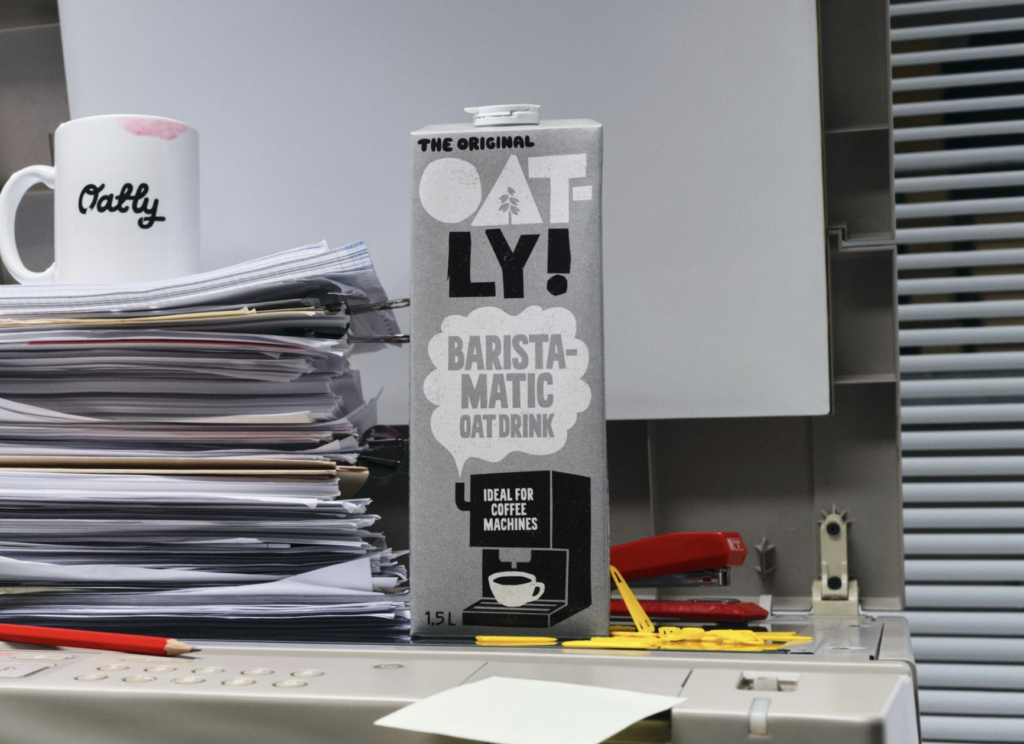
Oatly’s performance in the second quarter of 2026 saw it not only outperform its own projections but also outpace the broader plant-based milk category in its core markets. The Europe and International segment continues to be Oatly’s largest revenue driver. This region recorded a 21% increase in revenue, reaching $143.1 million for the April-to-June period. This growth was significantly propelled by a 17% surge in volume sales, with its specialized barista oat milks being a primary driver. Retail sales constituted a substantial 77% of the total sales in this region, where Oatly has successfully positioned itself as a leader, growing faster than both the overall oat milk and the wider plant-based milk categories.
Daniel Ordóñez, Oatly’s Chief Operating Officer, expressed confidence in the company’s strategic direction. "Because we are confident in our beverage playbook, because we see this momentum, we have decided – despite the Middle East conflict headwinds – to consciously and carefully reinvest behind the growth in Europe and International in order to fuel the success," Ordóñez informed investors during an earnings call. This strategic reinvestment underscores the company’s commitment to capitalizing on its current market position and further solidifying its leadership.
In North America, Oatly has successfully recaptured growth momentum after a challenging period. The region saw a nearly 6% increase in sales, generating $66.9 million in the second quarter. Ordóñez noted that in measured retail channels, the company has achieved near-record high market shares in both the oat milk and plant-based beverage segments. This indicates a successful strategy in regaining consumer trust and market presence in a highly competitive landscape.
However, Ordóñez acknowledged that the broader macroeconomic backdrop in North America remains challenging. "Tight household financial conditions and the saturation of protein-fortified products" continue to present headwinds. Despite these macro-economic pressures, Oatly remains optimistic about its ability to adapt and overcome these dynamics. The company has made significant strides in diversifying its customer base, which Ordóñez believes will foster greater balance and resilience in its channel strategy. He further indicated that the momentum generated by new and existing customers is expected to soon offset the impact of the loss of a significant foodservice client that was previously the company’s largest.
In Greater China, Oatly experienced an 11.6% revenue increase, reaching $3.1 million in Q2 2026. This growth was primarily driven by an expansion in the retail channel, although it was partially tempered by increased competition in the foodservice sector, leading to a decline in that segment. The Chinese market has presented a complex and fluctuating landscape for Oatly. The company has been engaged in a strategic review of its China business, a process expected to conclude this year. This review could potentially lead to the divestiture of Oatly’s China operations. Reports from Bloomberg suggest that executives managing the company’s business in China are exploring a management buyout, with a potential deal being targeted for completion as early as this year. Flatin confirmed to investors that the company is "evaluating a range of options, including a potential carve-out," indicating a serious consideration of strategic alternatives for the region.
Oatly Diversifies Beyond Oat Milk, Teasing Future Innovations
Oatly’s strategic pivot towards becoming a comprehensive beverage company is evident in its innovative product development and marketing strategies. Following a period of declining sales in previous years, the company implemented a taste-led strategy aimed at revitalizing its market appeal. This approach has involved collaborations, live events focusing on trendy beverages, and the creation of seasonal recipe "lookbooks" inspired by the fashion industry. Furthermore, Oatly has actively engaged with Gen Z consumers through initiatives like its "Future of Taste" trend report, designed to resonate with the demographic’s preferences and values.
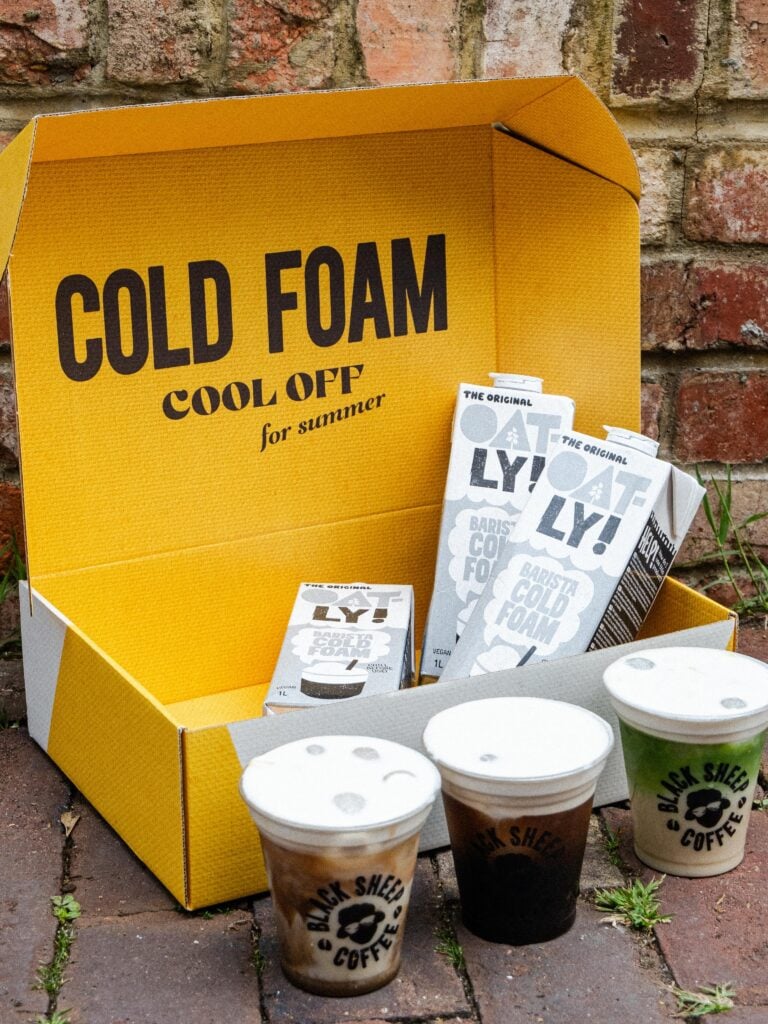
The company has also expanded its product portfolio with in-demand flavors and formats. Notable introductions include a range of matcha lattes and barista oat milks in unique flavors such as churros, coconut, and popcorn. Oatly has also made a significant market entry by becoming the first company to launch a dedicated non-dairy milk specifically formulated for cold foam, catering to the burgeoning coffee culture.
"Multiple new doors are opening as Oatly pivots to become a full-on beverages company, which is relevant to a much broader population and across multiple new occasions, still anchored on the same brand uniqueness, generational relevance with taste, health, and sustainability at the core," Ordóñez stated. He elaborated that the expanding portfolio of flavors and formats provides crucial differentiation in a dynamic beverage market. Consumers, particularly younger generations, are increasingly seeking products that align with evolving expectations for taste, health, and ethical sourcing.
Ordóñez provided insight into the company’s product development pipeline, explaining that Oatly’s offerings are becoming increasingly relevant to the growing refreshment and mixology movements. This trend allows for greater creativity among foodservice partners, with successful drinks often making their way to retail channels for in-home consumption.
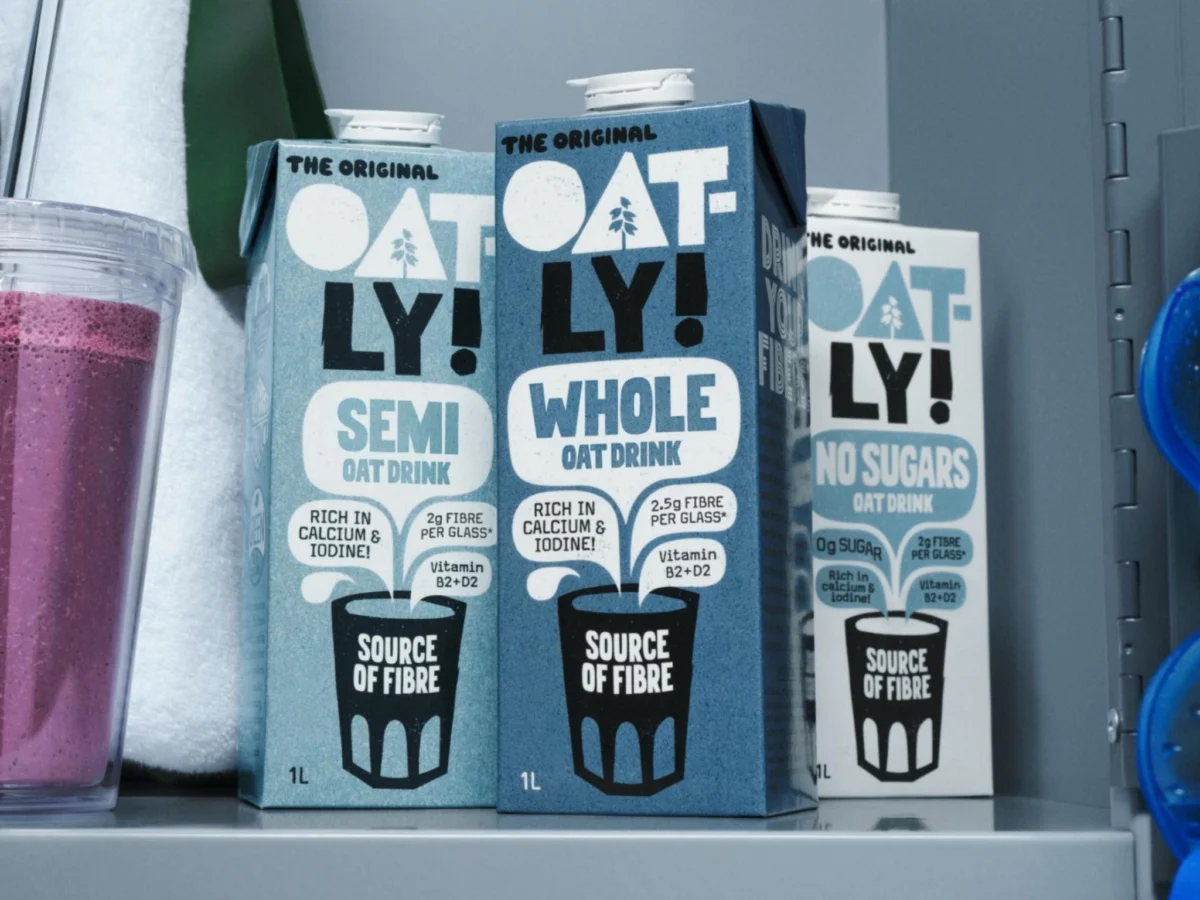
A significant area of focus for Oatly is the burgeoning interest in dietary fiber. Last year, the company highlighted fiber as a key emerging nutritional trend, suggesting it could rival protein in consumer importance. Oatly has begun leveraging this trend by prominently featuring its fiber content on product packaging. This strategy aligns with growing consumer awareness of the health benefits of fiber. Data indicates a strong interest in fiber-rich foods and drinks among younger demographics: approximately 60% of Gen Z consumers in the US and 62% in the UK express interest in such products.
"We are super excited […] on how, in the U.S. and as well in Europe, the search and the uptake for gut health and fibres seems to be significantly increasing," Ordóñez remarked. He sees a substantial opportunity for Oatly, given its origins in oats, a natural source of fiber. "We have exciting stuff coming up in the next few months," he added, hinting at further product innovations and marketing campaigns focused on the health benefits of fiber. This strategic emphasis on fiber positions Oatly to capitalize on a growing consumer trend towards functional foods and beverages that promote well-being. The company’s commitment to innovation and its adaptability to evolving consumer preferences are key drivers behind its optimistic outlook for continued growth and market leadership in the global beverage industry.
