
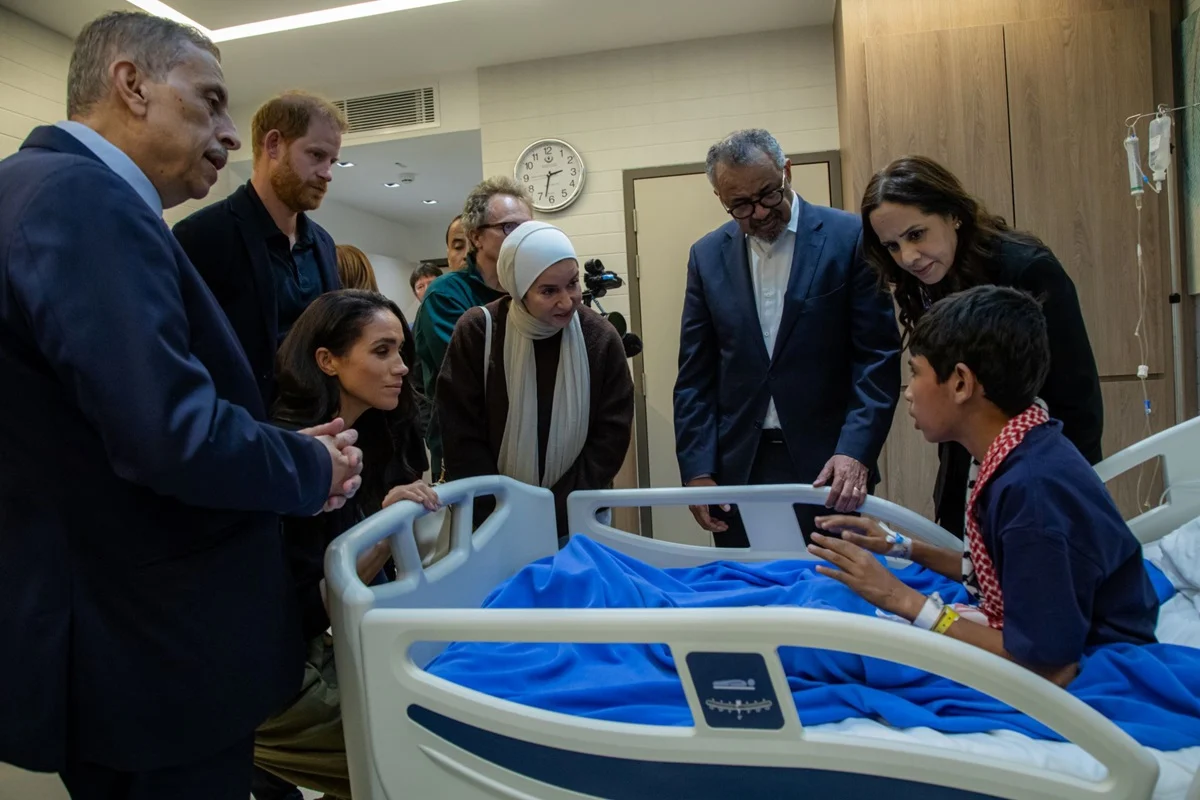
The Director-General of the World Health Organization, Dr. Tedros Adhanom Ghebreyesus, has concluded the primary phase of a high-stakes two-day state visit to the Hashemite Kingdom of Jordan, marking a significant milestone in the deepening collaboration between the United Nations health agency and the Jordanian government. This visit, defined by high-level diplomatic engagements and on-the-ground inspections of medical facilities, serves as a testament to Jordan’s evolving role as a critical regional hub for humanitarian health action, emergency medical response, and the pursuit of universal health coverage (UHC) amidst a volatile geopolitical climate.
A Diplomatic Focus on Regional Stability and Health Equity
The centerpiece of the visit was a formal audience with His Majesty King Abdullah II, where discussions moved beyond routine bilateral cooperation to address the structural requirements of health systems under extreme pressure. Jordan currently hosts more than three million refugees, a demographic reality that places an unprecedented strain on the nation’s infrastructure. The dialogue centered on the sustainability of Jordan’s health sector, particularly its capacity to act as a lifeline for the Palestinian people and patients evacuated from the Gaza Strip.
The meeting highlighted the strategic importance of the "Medical Corridor" initiative, a hallmark of King Abdullah II’s humanitarian policy. This corridor has facilitated the transfer of critically ill and injured children from Gaza to specialized Jordanian medical centers, ensuring that even in the absence of local functionality, vulnerable patients receive life-saving oncology, surgical, and trauma care. Dr. Tedros praised this initiative as a gold standard for international medical solidarity, noting that Jordan’s willingness to absorb the costs and logistical complexities of such evacuations is a primary driver of regional health security.
Chronology of the Visit: From Policy to Patient Care
The first day of the mission was characterized by a rapid succession of high-level meetings and field visits. Following the morning audience with the King, Dr. Tedros transitioned to a WHO-supported hospital designated for pediatric care, where he engaged directly with families displaced by conflict. These interactions underscored the human cost of the regional crisis, with frontline healthcare workers detailing the challenges of managing cancer treatments and severe trauma in an environment defined by limited resources and high turnover.
This site visit was followed by a strategic roundtable with key stakeholders, including donor nations, UN agencies, and global philanthropic organizations. The objective of this meeting was twofold: to secure immediate funding for the operational costs of refugee health services and to discuss the long-term financing of Jordan’s national health system. By gathering these partners, the WHO aimed to transition the conversation from reactive crisis management to proactive, system-wide strengthening.
The second day of the visit is scheduled to expand into specialized areas of care, including a visit to the National Center for Rehabilitation of Addicts. This facility represents a core component of the WHO’s Special Initiative for Mental Health in Jordan, reflecting the organization’s commitment to integrating psychological support into routine primary care. The itinerary also includes meetings with the Jordanian Hashemite Fund for Human Development and a comprehensive tour of the King Hussein Cancer Center, which serves as a regional node for clinical research and oncological excellence.
Supporting Data and the Burden of Hosting
To understand the scale of Jordan’s health contribution, one must look at the macro-economic and social data. Hosting over three million refugees—primarily from Syria and Gaza—represents an extraordinary percentage of the country’s total population. According to data provided by the Ministry of Health and supported by WHO monitoring, the Jordanian public health system provides subsidized or free primary healthcare to refugees, a policy that is frequently tested by international donor fatigue.
The financial implication is clear: the cost of sustaining these services exceeds the current international aid flows earmarked for the region. The WHO’s advocacy during this visit is aimed at bridging this "funding gap." By leveraging the diplomatic weight of the Director-General, the WHO is seeking to re-categorize health aid not as a charitable gift, but as a mandatory investment in regional stability. Statistics from the WHO regional office indicate that for every dollar spent on integrated mental health and primary care in host countries like Jordan, the long-term cost of managing acute health crises is reduced by an estimated factor of three to four, as preventative care stops minor health issues from escalating into public health emergencies.
The Role of Philanthropic Advocacy
A unique dimension of this visit was the presence of the Duke and Duchess of Sussex, Prince Harry and Meghan, through their organization, Archewell Philanthropies. Their participation was not merely ceremonial; it served as a high-visibility catalyst for the WHO’s mental health agenda. Prince Harry, a vocal advocate for mental health in military and civilian settings, focused his engagements on the psychological trauma experienced by men, women, and children living in conflict-prone areas.
"Mental health is fundamental to recovery, dignity and long-term peace," Prince Harry remarked during a briefing with health partners. His involvement underscores a strategic shift by the WHO to engage non-traditional, high-profile actors to help reduce the stigma surrounding mental health—a critical barrier to care in many Middle Eastern communities. Archewell’s past contributions to vaccine equity and medical evacuations provided a foundation for this visit, allowing the organization to pivot toward the "invisible" wounds of war.
Strategic Analysis: Implications for UHC
The visit arrives at a critical junction for the concept of Universal Health Coverage. While many nations struggle to define UHC in a stable, domestic context, Jordan is forced to implement it in a highly fluid, regional context. The integration of mental health into primary care, which Dr. Tedros lauded during his meetings with the Minister of Health, is a model that the WHO hopes to replicate in other host nations.
The implications of this visit are significant for three reasons:
- Regional Resilience: By positioning Jordan as a regional hub, the WHO is effectively creating a "center of gravity" for health intelligence and resource management in the Levant. This reduces reliance on external, non-regional actors during future crises.
- Standardization of Care: The collaboration on mental health and oncology provides a blueprint for how middle-income countries can absorb refugee populations without causing the total collapse of their public health sector.
- Political Visibility: By bringing together a coalition of the WHO, the Jordanian Royal Family, and international philanthropists, the visit elevates health diplomacy to the level of foreign policy. This ensures that when regional security is discussed, the health of populations is no longer treated as a secondary concern, but as a prerequisite for peace.
Moving Forward: The Path to Systemic Integration
As the visit concludes, the focus shifts to the implementation of the discussed strategies. The high-level meeting with health partners and donors was designed to produce a "roadmap" for the next 24 months, focusing on the digitization of health records for displaced populations, the expansion of local pharmaceutical manufacturing to reduce dependence on imports, and the sustained training of local medical staff in specialized trauma care.
The Director-General’s visit serves as a definitive endorsement of Jordan’s health policy. However, the success of these initiatives will ultimately depend on the consistency of the donor community. The WHO has signaled that it will continue to use its institutional authority to keep the "Jordan model" in the spotlight of the World Health Assembly and other global forums.
In conclusion, Dr. Tedros Adhanom Ghebreyesus’s mission to Jordan represents more than a routine diplomatic engagement. It is a strategic intervention designed to fortify one of the most vital health systems in the Middle East. By aligning the interests of the Jordanian government, international donors, and celebrity advocacy, the WHO is attempting to construct a more resilient framework for humanitarian health, ensuring that the fundamental right to care is upheld even in the face of persistent regional instability. As the delegation prepares to depart, the primary objective remains the same: transforming emergency response into a sustainable, long-term commitment to the health of all, regardless of nationality or status.
